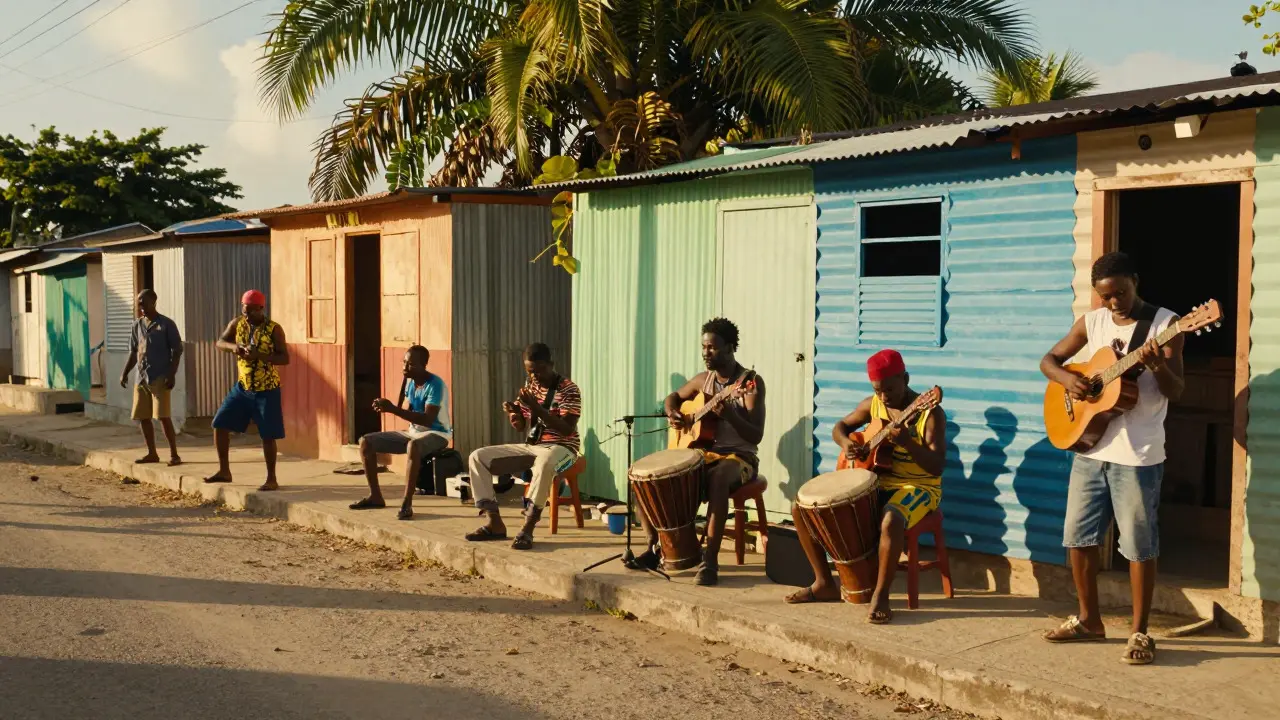
Have you ever felt your head nod involuntarily to a drum beat that seems to skip right in the middle? That specific, off-kilter groove is the heartbeat of reggae music. It’s not just a genre; it’s a cultural export from Jamaica that has reshaped global consciousness. From the dusty streets of Kingston to the concert halls of Europe, this sound carries a heavy message wrapped in a laid-back melody. But what exactly makes reggae tick? And why does it still resonate so deeply with listeners who have never set foot in the Caribbean?
To understand reggae, you have to look past the sunglasses and dreadlocks often associated with its most famous stars. You need to dig into the soil where it grew. This article breaks down the musical mechanics, the historical struggles, and the enduring spirit that defines this universal language of love and resistance.
The Sonic Blueprint: What Makes Reggae Sound Like Reggae?
If you strip away the lyrics, reggae is defined by its unique rhythmic structure. Unlike rock or pop, which often emphasize the first beat (the downbeat), reggae emphasizes the off-beat. Musicians call this the "skank." It’s that sharp, choppy chord played on the guitar or keyboard on beats two and four. Think of it as the musical equivalent of a wink-it catches you off guard and keeps you moving.
Then there is the bassline. In many genres, the bass supports the melody. In reggae, the bass leads the charge. It is loud, melodic, and spacious. Producers leave huge gaps between notes, creating a vacuum that pulls the listener in. This technique, known as the one drop rhythm, involves omitting the kick drum on the first beat entirely. Instead, the snare and hi-hat land together on the third beat. This creates a floating sensation, a sense of weightlessness that mirrors the spiritual themes often found in the lyrics.
| Element | Characteristic | Function |
|---|---|---|
| One Drop | Drums hit on beat 3 | Creates a relaxed, off-balance groove |
| Skank | Chords on beats 2 and 4 | Provides rhythmic punctuation |
| Bassline | Melodic and prominent | Acts as the primary hook |
| Reverb/Delay | Heavy use on vocals and drums | Adds depth and space |
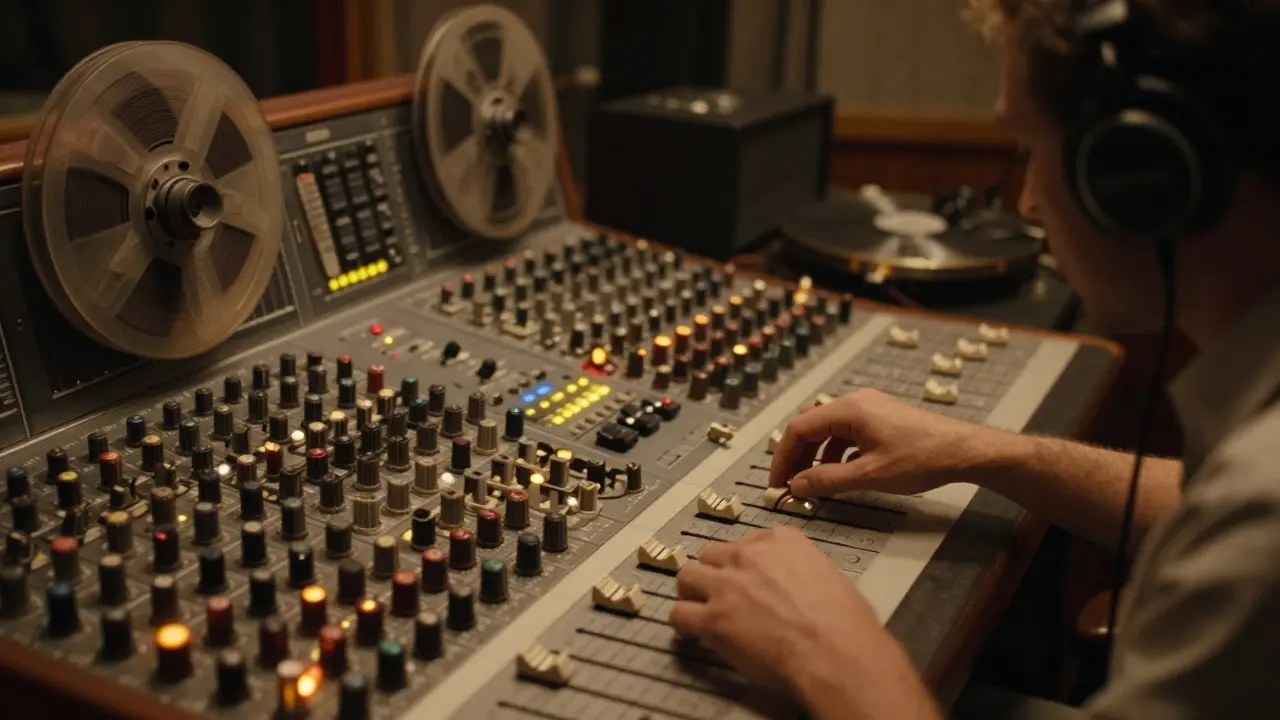
This sonic palette wasn't accidental. It was born out of necessity and innovation in small recording studios in Kingston during the late 1960s. Producers like Lee "Scratch" Perry and King Tubby experimented with tape loops, echo effects, and dubbing techniques. They turned the studio itself into an instrument. By isolating instruments and playing with their levels in real-time, they created dub music, a subgenre that stripped songs down to their rhythmic core. This experimentation laid the groundwork for modern electronic music production.
From Ska to Rocksteady: The Evolution of a Sound
Reggae didn't appear out of thin air. It evolved from earlier Jamaican styles, each reflecting the social climate of its time. In the late 1950s and early 1960s, ska dominated the airwaves. Fast-paced and upbeat, ska featured walking basslines and brass sections. It was the sound of independence, celebrating Jamaica's freedom from British rule in 1962. Songs were energetic, designed for dancing in crowded clubs.
By the mid-1960s, the tempo slowed down. The hot, humid weather of Kingston made fast dancing exhausting. Musicians began emphasizing the off-beat more heavily, leading to the emergence of rocksteady. This style was smoother, more romantic, and focused on vocal harmonies. Artists like Alton Ellis and Ken Boothe became household names. Rocksteady was the bridge between the frenetic energy of ska and the meditative groove of reggae.
As the decade closed, the influence of American soul and R&B merged with local traditions. Drummer Carlton Barrett, working with producer Jimmy Cliff, developed the one-drop rhythm. This shift marked the birth of true reggae. The music became slower, heavier, and more introspective. It was no longer just about partying; it was about thinking, feeling, and resisting.
Roots Reggae: The Voice of the Oppressed
In the 1970s, reggae transformed into roots reggae, a movement deeply tied to the Rastafari faith and the struggles of the poor in Trenchtown and other marginalized areas of Kingston. This era gave us the term "roots," referring both to African heritage and the foundational nature of the music. Lyrics addressed poverty, police brutality, colonialism, and spiritual redemption.
Bob Marley emerged as the face of this movement. His band, The Wailers, released albums like Catch a Fire and Exodus that introduced reggae to a global audience. Marley’s songs were anthems of unity and defiance. Tracks like "Get Up, Stand Up" and "War" called for social justice and human rights. He didn’t just sing about resistance; he lived it, using his platform to challenge political corruption in Jamaica and beyond.
But Marley wasn’t alone. Peter Tosh offered a more militant perspective, advocating for gun rights and criticizing government oppression. Bunny Wailer delved deeper into the spiritual aspects of Rastafari, exploring themes of Zion and Babylon. Together, these artists formed a trinity that defined the moral and artistic direction of reggae. Their music provided a voice for the voiceless, turning personal pain into collective power.
Dub and Dancehall: Branching Out
While roots reggae focused on lyrics and spirituality, another branch was growing in the shadows. Dub music, pioneered by King Tubby and Lee "Scratch" Perry, removed vocals and emphasized instrumental tracks. Producers used mixing consoles to create complex soundscapes, adding echoes, reverb, and delays. Dub became a canvas for creativity, influencing hip-hop DJs and electronic producers worldwide. It taught musicians how to manipulate sound in ways previously unimaginable.
By the 1980s, reggae evolved again into dancehall. Faster, harder, and driven by digital rhythms, dancehall moved away from the organic instrumentation of roots reggae. Synthesizers replaced guitars, and drum machines replaced live kits. Lyrics became more provocative, focusing on street life, fashion, and sexuality. While purists criticized dancehall for losing its soul, it kept the genre alive and relevant for a new generation. Artists like Shabba Ranks and Buju Banton brought dancehall to international charts, proving that reggae could adapt without disappearing.
Global Impact: How Reggae Conquered the World
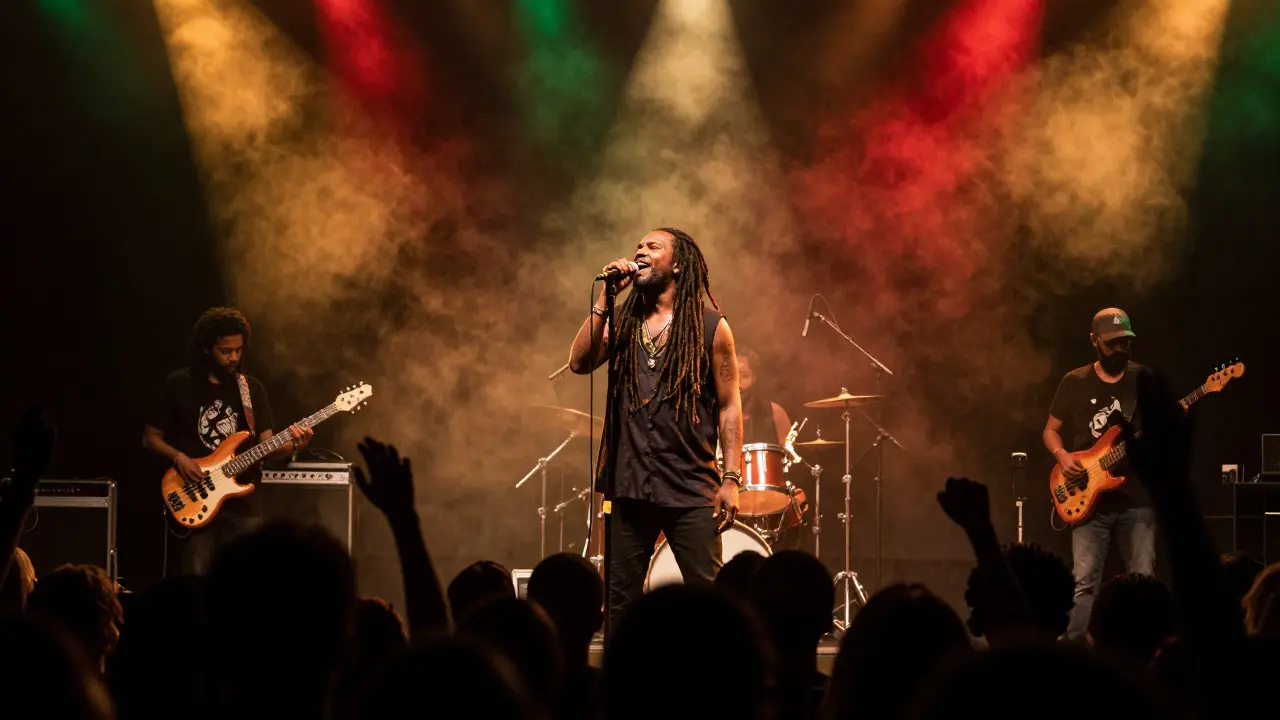
Reggae’s journey from Jamaica to the world stage is a testament to its universal appeal. In the 1970s, UK sound systems began playing Jamaican records, creating a vibrant diaspora scene. British bands like The Clash and Steel Pulse incorporated reggae elements into their music, bridging cultural divides. In Africa, reggae resonated with anti-colonial movements, inspiring artists across the continent to adopt its rhythms and messages.
Today, reggae influences nearly every major genre. Hip-hop owes much to its sampling culture and lyrical flow. Electronic music borrows from dub’s production techniques. Even pop stars collaborate with reggae artists to add authenticity and groove to their tracks. The genre’s ability to absorb and adapt ensures its longevity. It is not a relic of the past but a living, breathing entity that continues to evolve.
In 2018, UNESCO recognized reggae as an Intangible Cultural Heritage of Humanity. This acknowledgment highlighted its role in promoting peace, equality, and dialogue. Reggae is more than entertainment; it is a tool for social change. Its message of love and resistance remains as relevant today as it was fifty years ago.
Listening Guide: Essential Reggae Albums
If you are new to reggae, where do you start? Here are five essential albums that showcase the diversity and depth of the genre:
- Bob Marley & The Wailers - Exodus (1977): A masterpiece of roots reggae, featuring hits like "One Love" and "Jamming."
- Peter Tosh - Legalize It (1976): A bold statement on cannabis legalization and personal freedom.
- Bunny Wailer - Blackheart Man (1976): Deeply spiritual and politically charged, showcasing Wailer’s raw talent.
- Lee "Scratch" Perry - Super Ape (1976): A dub classic that pushes the boundaries of production.
- Toots & The Maytals - Funky Kingston (1973): Features the song "Do the Reggay," which first used the word "reggae" in a title.
These albums offer a window into the hearts and minds of the artists who shaped the genre. Listen closely to the basslines, the skanks, and the stories behind the songs. You might just find yourself nodding along.
What is the difference between ska, rocksteady, and reggae?
Ska is fast-paced with a walking bassline and emphasis on the upstroke. Rocksteady slowed the tempo down, focusing on smooth vocals and off-beat chords. Reggae further slowed the pace, introducing the one-drop rhythm and prominent basslines, creating a heavier, more meditative groove.
Why is Bob Marley considered the father of reggae?
While Bob Marley did not invent reggae, he popularized it globally. His charismatic performances, powerful lyrics, and strategic collaborations helped bring Jamaican music to mainstream audiences worldwide, making him the most recognizable figure associated with the genre.
What is dub music?
Dub is a subgenre of reggae that removes vocals and emphasizes instrumental tracks. Producers use effects like echo, reverb, and delay to create atmospheric soundscapes. It originated in Jamaica in the late 1960s and heavily influenced electronic and hip-hop music.
How did reggae influence other music genres?
Reggae’s rhythmic patterns and production techniques have influenced hip-hop, electronic music, punk rock, and pop. Sampling reggae records became common in hip-hop, while dub’s use of effects inspired electronic producers. Punk bands adopted reggae’s DIY ethos and rebellious spirit.
Is reggae still popular today?
Yes, reggae remains popular globally. Festivals like Reggae Sumfest in Jamaica attract thousands of fans annually. Contemporary artists continue to release reggae-influenced music, and the genre’s themes of resistance and unity remain relevant in current social movements.