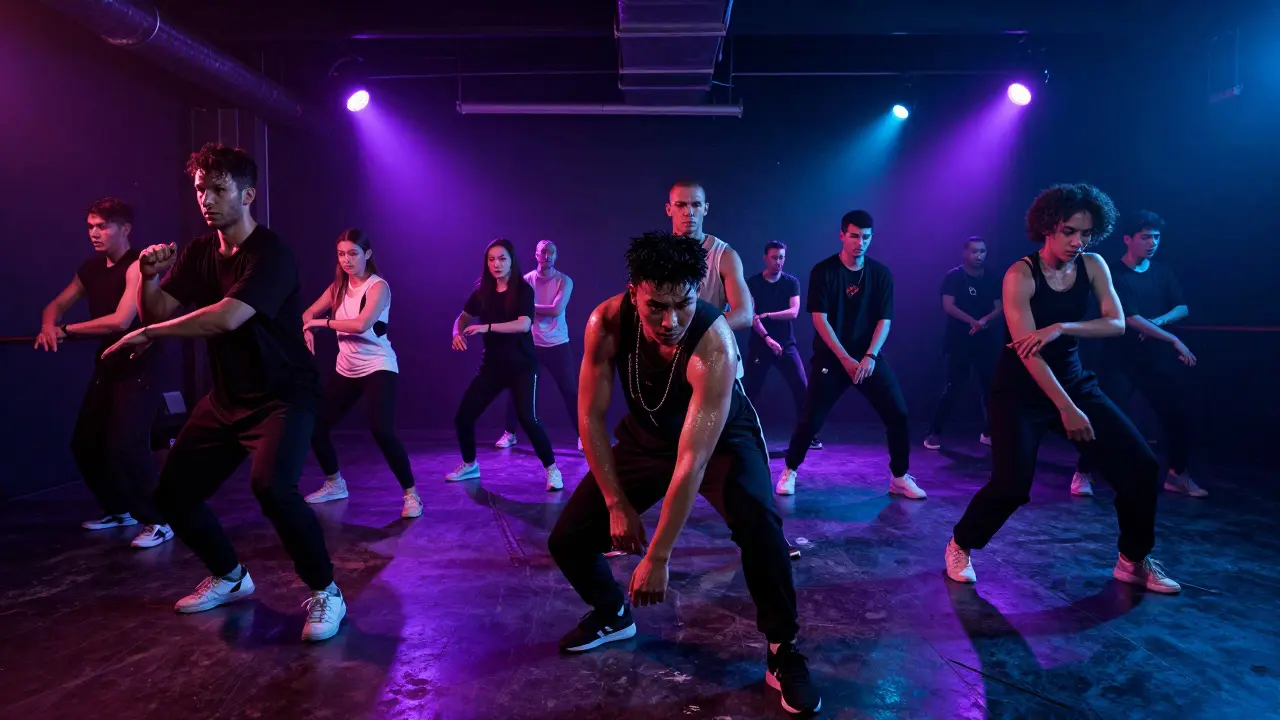
Imagine standing in a room where the bass drops so hard it feels like it’s vibrating your ribcage. Now imagine moving to that sound with such intensity that you’re sweating within five minutes. That is Dubstep Dance, a movement style born from the gritty underground clubs of London and now exploding into fitness studios worldwide. It is not just about headbanging; it is a structured, high-intensity physical practice that turns the aggressive rhythms of electronic music into a full-body workout. If you are tired of counting reps on a treadmill or staring at a wall while running, this might be the shake-up your routine needs.
What Exactly Is Dubstep Dance?
To understand the movement, you have to look at the music. Dubstep is an electronic music genre characterized by sparse, syncopated rhythmic patterns and sub-bass frequencies. Originating in South London in the late 1990s, it evolved from UK garage and 2-step. The defining feature is the "drop"-a sudden shift in tempo and volume where heavy bass lines take over. Traditional dance styles often rely on steady beats. Dubstep relies on chaos controlled by rhythm.
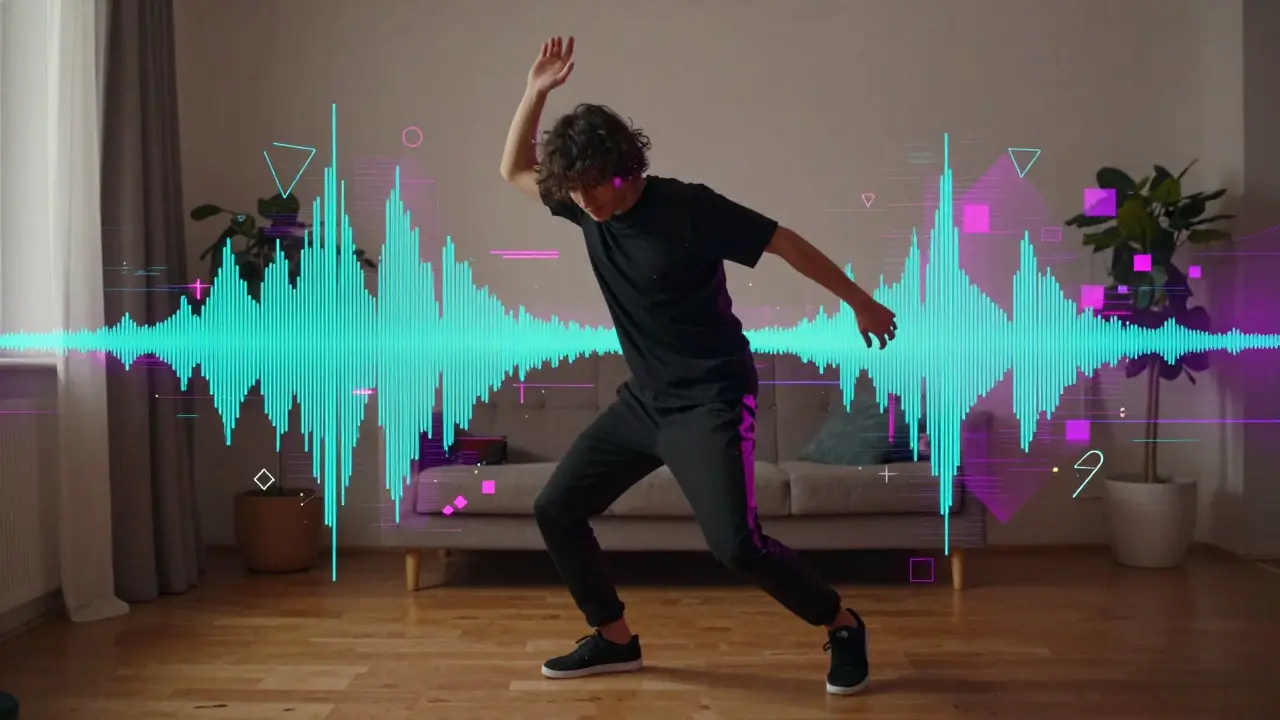
Dubstep dance mirrors this musical structure. When the track builds up, dancers prepare energy through smaller, tighter movements. When the drop hits, they explode outward. This isn't random flailing. It involves specific techniques like isolations, sharp stops, and fluid transitions that match the wobble bass sounds. Think of it as interpretive dance meets street fight choreography. You are not just dancing to the beat; you are physically reacting to the texture of the sound.
The Mechanics of the Movement
You do not need to be a professional dancer to start. However, there are core mechanics that separate effective dubstep dance from chaotic jumping. Here are the foundational elements:
- Isolation: Moving one part of your body independently of the rest. For example, shaking your shoulders while keeping your hips still. This mimics the stuttering effect of digital audio glitches common in the genre.
- Popping and Locking: Borrowed from hip-hop, these involve tensing muscles quickly (popping) and freezing in position (locking). This matches the abrupt stops in dubstep tracks.
- Flow: Smooth, wave-like motions that connect the sharp movements. This prevents injury and keeps the energy moving during the quieter parts of the song.
- Bass Reaction: Using your whole body to absorb and release the low-frequency vibrations. This often involves bending knees deeply and engaging the core to stabilize against the imaginary force of the bass.
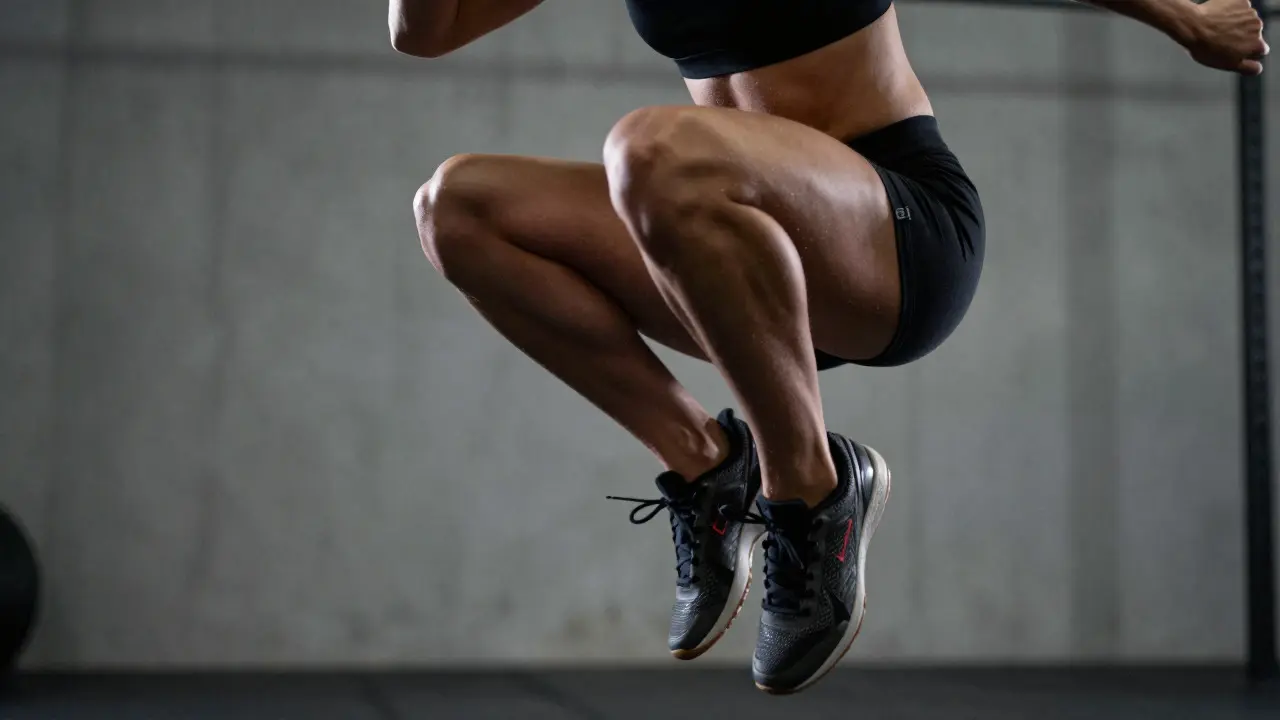
When you combine these, you create a dynamic range of motion that engages nearly every muscle group. Your legs burn from the deep squats and jumps. Your core tightens from the constant stabilization. Your arms and shoulders work hard during the isolation sequences. It is a total-body engagement that traditional aerobics rarely achieves.
Why It Is a Superior Fitness Tool
Let's talk numbers. A standard 45-minute dubstep dance session can burn between 400 and 600 calories, depending on your weight and intensity level. This places it firmly in the high-intensity interval training (HIIT) category. HIIT is proven to boost metabolism for hours after the workout ends, a phenomenon known as excess post-exercise oxygen consumption (EPOC).
Unlike steady-state cardio, which can become monotonous, dubstep dance varies the intensity naturally. The music dictates the pace. During the buildup, you are warming up. During the drop, you are sprinting. This variation keeps your heart rate fluctuating, which is ideal for cardiovascular health. Studies on dance-based exercise show improved VO2 max, better balance, and increased muscular endurance compared to stationary cycling or jogging.
Furthermore, the cognitive load is higher. You are processing auditory cues and translating them into motor actions. This dual-tasking improves neuroplasticity. You are not just burning fat; you are sharpening your brain. The coordination required to hit a move exactly when the bass distorts challenges your timing and spatial awareness.
Getting Started: A Step-by-Step Guide
If you want to try this, you do not need a studio membership immediately. You can start at home with the right approach. Follow these steps to build your foundation safely.
- Choose the Right Tracks: Start with classic dubstep artists like Skrillex, Excision, or Rusko. Look for songs with clear builds and distinct drops. Avoid tracks that are too fast or complex initially. Aim for BPM (beats per minute) between 138 and 142.
- Warm Up Properly: Spend ten minutes doing dynamic stretches. Focus on your ankles, knees, and hips. These joints will bear the most impact. Include arm circles and torso twists to prepare your upper body for isolations.
- Practice the Basic Bounce: Stand with feet shoulder-width apart. Bend your knees slightly. As the beat hits, bounce gently. Keep your core engaged. This teaches you to find the pocket of the rhythm without overexerting yourself.
- Add Simple Isolations: Once you are comfortable bouncing, add shoulder shimmies or head nods. Try to sync these movements with the hi-hat clicks in the music. Do not worry about looking cool yet; focus on accuracy.
- Incorporate the Drop: When the bass drops, jump or step out aggressively. Use your arms to push against the air. Imagine you are pushing back a wall of sound. Hold the pose for a second, then relax.
- Cool Down: End with static stretching. Hold each stretch for 30 seconds. Focus on your calves, hamstrings, and lower back to prevent stiffness.
Safety and Injury Prevention
High energy comes with risks. Because dubstep dance involves sudden stops and explosive movements, improper form can lead to strain. Here is how to stay safe.
First, footwear matters. You need shoes with good lateral support and cushioning. Running shoes are designed for forward motion; they may not protect your ankles during side-to-side movements. Cross-training shoes or dedicated dance sneakers are better options. Second, listen to your joints. If your knees pop or your lower back twinges, check your alignment. Are you collapsing inward? Keep your knees aligned with your toes. Engage your glutes to take pressure off your spine.
Hydration is critical. The intensity of this workout causes rapid sweat loss. Drink water before, during, and after your session. Finally, do not skip the warm-up. Cold muscles are prone to tears. Treat the warm-up as non-negotiable, not optional.
Dubstep Dance vs. Traditional Cardio
| Feature | Dubstep Dance | Treadmill Running | Spinning Class |
|---|---|---|---|
| Calorie Burn (45 min) | 400-600 kcal | 300-450 kcal | 400-500 kcal |
| Muscle Engagement | Full Body (Core, Legs, Arms) | Lower Body Primary | Lower Body Primary |
| Cognitive Load | High (Rhythm Coordination) | Low (Zoning Out) | Medium (Pedal Cadence) |
| Impact Level | Variable (High/Low) | High (Constant) | Low (Non-Impact) |
| Social Aspect | High (Group Energy) | Low (Individual) | Medium (Instructor Led) |
This comparison highlights why dubstep dance appeals to those bored with traditional methods. It offers the calorie burn of spinning with the mental engagement of learning a new skill. The variable impact allows you to modify intensity based on your joint health, unlike the constant pounding of running.
Finding Communities and Classes
You do not have to do this alone. The global dance community has embraced dubstep culture. In cities like Perth, Sydney, and Melbourne, studios offer "EDM Dance Fit" classes that incorporate dubstep routines. Online platforms also host virtual classes where you can follow along from home.
Look for instructors who emphasize technique over speed. A good teacher will break down the moves, explain the musical connection, and prioritize safety. Check reviews to see if students mention feeling supported rather than overwhelmed. Social media groups dedicated to EDM dance are also great resources for finding local meetups and sharing tips.
Conclusion: More Than Just a Trend
Dubstep dance is not a fleeting fad. It represents a shift in how we view exercise. We are moving away from punitive workouts toward joyful, expressive movement. By combining the visceral power of electronic music with disciplined physical training, you get a fitness solution that is effective, engaging, and sustainable. Whether you are a seasoned dancer or a complete beginner, the bass is waiting. All you have to do is move.
Do I need to know how to dance to start dubstep dance?
No, you do not need prior dance experience. Dubstep dance focuses on reaction to rhythm rather than complex choreography. Beginners can start with basic bounces and isolations, gradually adding more complex moves as they gain confidence. Many fitness classes are designed specifically for novices.
Is dubstep dance suitable for people with knee problems?
It can be, but modifications are necessary. The high-impact jumps can stress the knees. Opt for low-impact variations by minimizing jump height and focusing more on upper body isolations and flow movements. Consult a physiotherapist before starting if you have chronic joint issues.
What type of shoes should I wear for dubstep dance?
Cross-training shoes or dance sneakers are ideal. They provide the lateral support needed for side-to-side movements and the cushioning for jumps. Avoid running shoes, which are designed for forward motion and may lack stability for multidirectional dance moves.
How many times a week should I practice dubstep dance?
For fitness benefits, aim for 2-3 sessions per week. This frequency allows for adequate recovery while maintaining cardiovascular improvements. Since it is a high-intensity activity, resting days are crucial to prevent overtraining and injury.
Can dubstep dance help with stress relief?
Yes, significantly. The combination of intense physical exertion and expressive movement releases endorphins. Additionally, the immersive nature of the music helps distract from daily worries, providing a mental break similar to meditation but with active engagement.
Are there online resources for learning dubstep dance?
Yes, numerous YouTube channels and fitness apps offer tutorials. Search for "dubstep dance basics" or "EDM fitness tutorials." Look for videos that break down moves step-by-step rather than just showing full performances. Some platforms also offer live-streamed classes for real-time interaction.
How does dubstep dance compare to Zumba?
Both are dance-based fitness programs, but they differ in style and intensity. Zumba uses Latin and international music with repetitive, accessible choreography. Dubstep dance uses electronic music with more angular, isolated movements and higher variability in intensity. Dubstep is generally more intense and requires greater coordination.
What is the best age to start dubstep dance?
There is no specific age limit. Teens and adults of all ages can participate. Children can enjoy modified versions that focus on fun and basic coordination. Older adults can benefit from low-impact adaptations that improve balance and mobility. Adjust intensity based on individual fitness levels.
Does the loud music damage hearing?
If practiced at home, keep volume at a moderate level. In clubs or large venues, use ear protection. Prolonged exposure to volumes above 85 decibels can cause hearing damage. For fitness purposes, you do not need maximum volume to feel the rhythm; clarity is more important than sheer loudness.
Can I lose weight solely through dubstep dance?
Weight loss depends on a caloric deficit. Dubstep dance burns significant calories, aiding weight loss when combined with a balanced diet. It is an effective tool, but nutrition plays a larger role. Consistency in both exercise and eating habits yields the best results.