Walk into any record store or scroll through a music festival lineup, and you’ll notice something immediate: the clothes tell you as much about the vibe as the sound does. Fashion trends don’t emerge in a vacuum; they often start with a specific sonic frequency. Whether it’s the leather jackets of Punk Rock or the oversized silhouettes of Hip Hop, the link between what we listen to and what we wear is one of the strongest cultural forces of the last century.
The Core Connection: Sound Meets Style
Why do musicians dress the way they do? It’s rarely just vanity. Clothing acts as a visual shorthand for the emotional landscape of the music. When a new genre emerges, it usually carries a distinct attitude-rebellious, luxurious, minimalist, or chaotic-and that attitude needs a uniform. This is where the concept of subculture identity comes in. Fans adopt the aesthetic to signal belonging. You aren’t just wearing a band t-shirt; you’re declaring your allegiance to a specific sonic community.
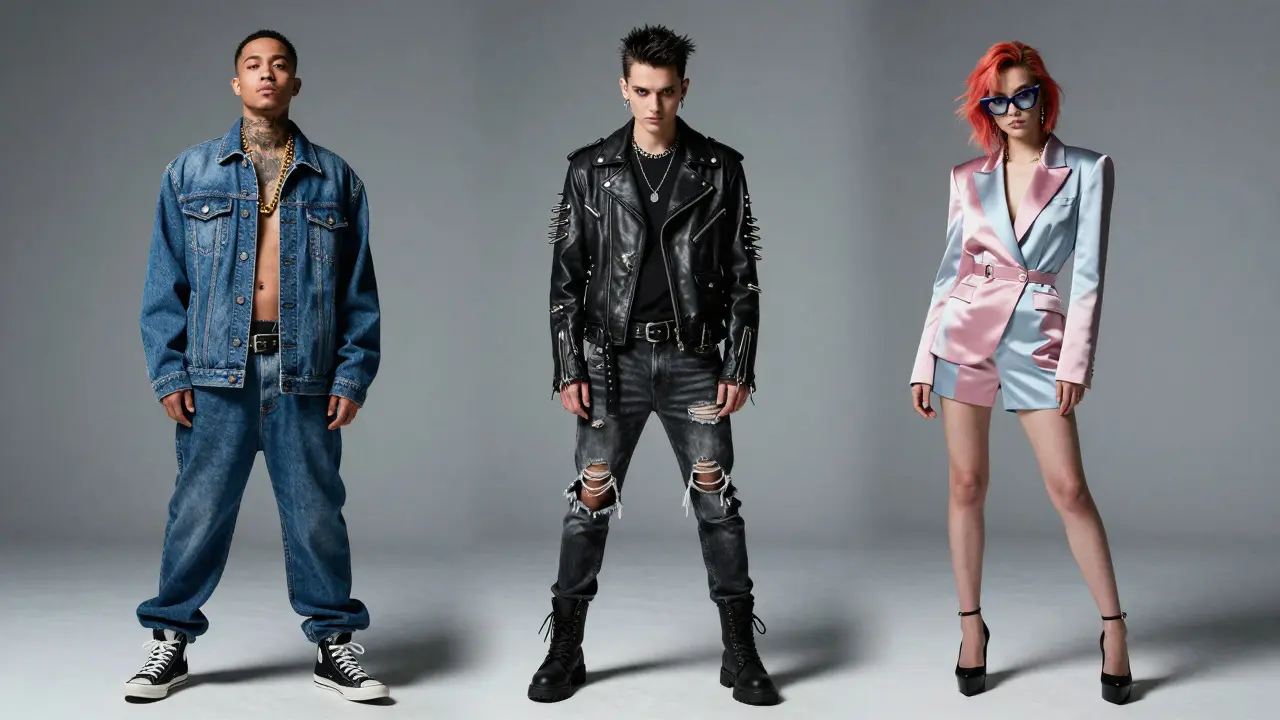
This relationship works both ways. Designers often look to music scenes for inspiration, while musicians collaborate with brands to solidify their image. The result is a feedback loop where a song can make a jacket iconic, and a jacket can make a song feel more authentic. For example, the studded leather biker jacket became synonymous with rock and roll not because it was comfortable, but because it looked like armor against the establishment. That visual cue defined the genre for decades.
Decoding the Aesthetics of Major Genres
Each major music genre has developed a recognizable wardrobe over time. These styles are not static; they evolve, but certain core elements remain constant identifiers. Understanding these codes helps explain why certain items sell out after a specific artist drops an album or performs at a major festival.
| Genre | Signature Silhouette | Key Materials | Iconic Accessory |
|---|---|---|---|
| Hip Hop | Oversized / Baggy | Denim, Cotton, Leather | Chunky Sneakers / Gold Chains |
| Punk Rock | Fitted / Distressed | Leather, Vinyl, Denim | Safety Pins / Band Tees |
| K-Pop | Structured / Trend-Forward | Synthetics, Tweed, Satin | Statement Eyewear / Colorful Hair |
| Country | Rugged / Western | Denim, Leather, Flannel | Boots / Cowboy Hats |
Hip hop, for instance, revolutionized streetwear. In the 1980s and 90s, artists like Run-D.M.C. and later Jay-Z turned basketball jerseys and high-top sneakers into luxury items. Today, Streetwear is a multi-billion dollar industry largely built on the foundation laid by hip hop culture. The emphasis here is on comfort mixed with status symbols. A pair of limited-edition sneakers isn't just footwear; it’s a collectible asset tied to musical credibility.
In contrast, Punk Rock embraced anti-fashion. The look was DIY (Do It Yourself), featuring ripped jeans, safety pins, and bold graphic tees. This wasn’t about buying expensive clothes; it was about rejecting mainstream norms. The influence of punk persists in modern grunge and alternative scenes, where imperfection is valued over polish. If you see someone wearing a band tee from a group they’ve never heard of, they are likely participating in this punk-derived tradition of signaling non-conformity rather than genuine fandom.
The Rise of K-Pop and Global Uniforms
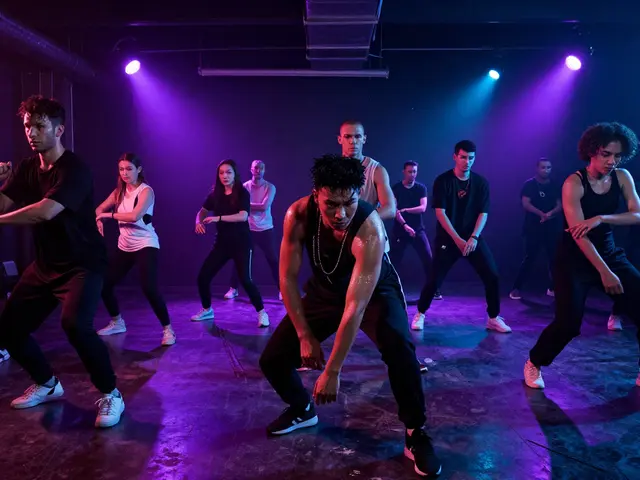
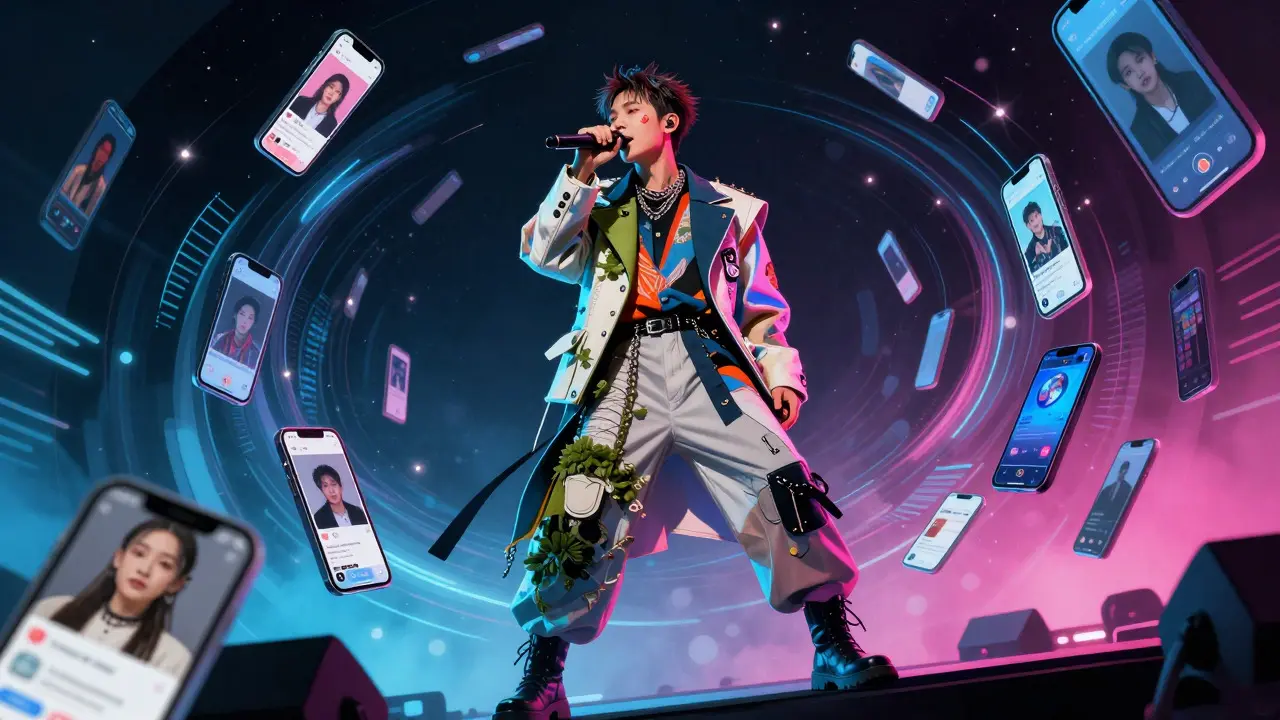
One of the most significant shifts in recent years is the global impact of K-Pop. Groups like BTS and BLACKPINK have become fashion powerhouses, influencing trends from Seoul to New York. Unlike Western pop stars who might change looks every week, K-Pop idols often undergo coordinated styling that creates a unified group aesthetic. This approach makes the fashion highly recognizable and easy for fans to replicate.
K-Pop fashion tends to blend high-end designer pieces with accessible fast-fashion alternatives. A key attribute of this trend is its speed. Styles seen on stage today can be found in local malls within weeks. This rapid cycle means that K-Pop influences are less about long-term subcultural identity and more about immediate trend adoption. Fans often follow specific members’ off-duty looks, creating micro-trends that spike in popularity overnight on social media platforms like Instagram and TikTok.
Concert Culture and the "Festival Look"
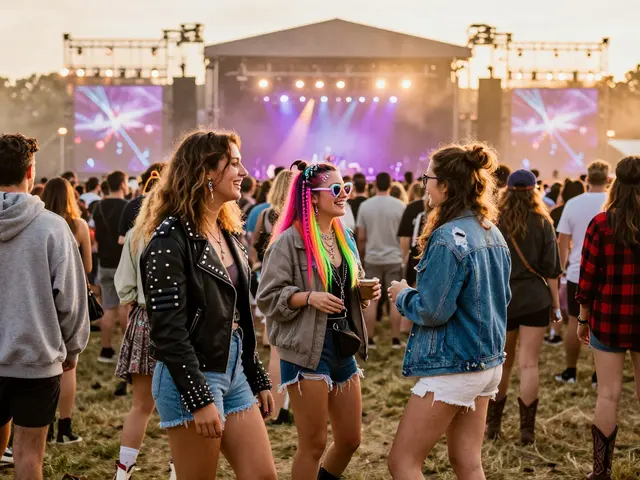
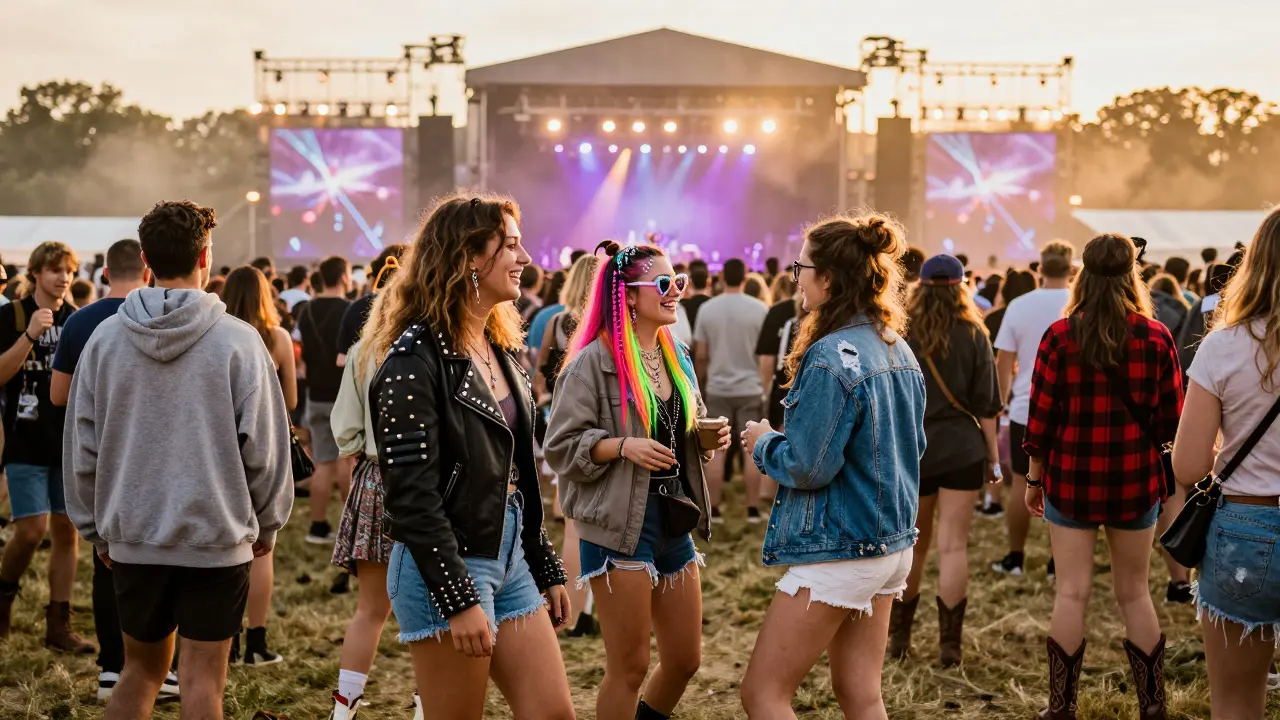
Wherever music is performed live, a specific type of dressing occurs. The festival aesthetic has become a dominant force in casual wear. Think flowy dresses, denim cutoffs, and bohemian jewelry. This style originated in the 1960s and 70s folk and psychedelic scenes but has been reinvented repeatedly. Today, it’s less about political protest and more about comfort for long days outdoors.
However, the concert context also drives practical fashion choices. Headbanging requires secure hairstyles and durable fabrics. Mosh pits demand sturdy footwear. These functional needs shape the available options. For example, the rise of combat boots in metal and hardcore scenes wasn’t just stylistic; it was a necessity for protection in crowded venues. Over time, these functional items became status symbols, worn even when not attending shows.
Digital Age: How Social Media Accelerates Trends
In the past, it took months for a music-driven fashion trend to spread from a city center to the suburbs. Now, it takes hours. Social media platforms act as instant transmission belts. When a musician posts a photo in a specific outfit, algorithms push similar items to millions of users. This has created a phenomenon where "celebrity styling" is directly linked to algorithmic visibility.
This speed has a downside: trends burn out faster. What was considered cutting-edge in hip hop three months ago might already feel dated if it hasn’t evolved. Musicians now have to constantly refresh their image to stay relevant. Brands respond by releasing frequent capsule collections tied to album releases or tour dates. The line between marketing and artistry blurs, but the core mechanism remains: music provides the narrative, and fashion provides the costume.
Practical Tips for Adopting Genre-Inspired Styles
You don’t need to be a musician to enjoy the fashion benefits of different genres. Mixing elements from various scenes can create a unique personal style. Here are some ways to incorporate these influences without looking like you’re wearing a costume:
- Start with Accessories: If full commitment feels risky, add one piece. A gold chain adds a hip hop touch to a simple black shirt. A band tee under a blazer adds a punk edge to business casual.
- Focus on Fit: Hip hop style relies heavily on oversized fits, while punk and rock often favor slim or distressed cuts. Ensure the silhouette matches the intended vibe.
- Mix High and Low: Pair a designer jacket with vintage jeans. This mimics the layering techniques seen in many music scenes and adds depth to your outfit.
- Watch the Footwear: Shoes ground an outfit. Chunky sneakers say streetwear; boots say rock or country; clean white shoes say pop or K-Pop.
Future Directions: Where Music and Fashion Go Next
As genres continue to blend, so will fashion. The rigid boundaries between "rock," "pop," and "electronic" are fading. We are seeing a rise in gender-fluid styling and sustainable materials, driven by younger generations who value authenticity over brand logos. Expect to see more collaborations between independent musicians and eco-friendly fashion labels. The future of music-influenced fashion is likely to be more personalized, less monolithic, and deeply integrated with digital identity.
Does wearing a band t-shirt mean I actually like the music?
Not necessarily. While many fans wear band tees to show support, the item has become a general fashion staple. In punk and rock cultures, wearing a shirt from a band you haven’t heard of is sometimes seen as a nod to the aesthetic rather than the lyrics. However, in dedicated fan communities, knowing the band’s history is often part of the social code.
Which music genre has had the biggest impact on modern streetwear?
Hip Hop is widely credited with creating the foundation of modern streetwear. From the 1980s onward, artists elevated casual clothing like hoodies, sneakers, and caps into high-status items. This influence continues today, with major luxury brands partnering with hip hop figures to release exclusive collections.
How do K-Pop idols influence fashion differently from Western pop stars?
K-Pop idols often present a highly coordinated, group-based aesthetic that changes with each album era. This creates distinct, recognizable looks that fans can easily identify and emulate. Western pop stars may have more individualistic styling, but K-Pop’s structured approach allows for rapid, mass adoption of specific trends across global fanbases.
Is it appropriate to mix styles from different music genres?
Yes, mixing styles is encouraged in contemporary fashion. Many people combine elements from multiple genres to create a unique personal look. For example, pairing a rock-style leather jacket with hip hop-inspired sneakers is a common and accepted combination. The key is balancing proportions and ensuring the pieces complement each other visually.
How has social media changed the speed of fashion trends?
Social media has compressed the trend cycle from months to days. When a musician wears a specific item online, it can go viral instantly, leading to immediate sales spikes and quick imitation. This speed means trends fade faster, requiring constant innovation from both musicians and designers to stay relevant.