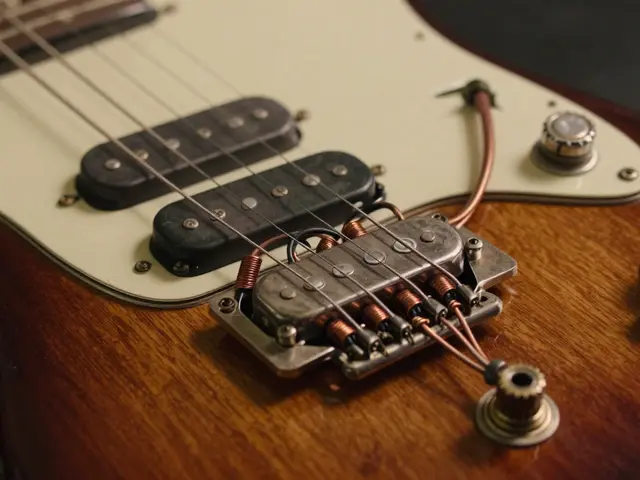
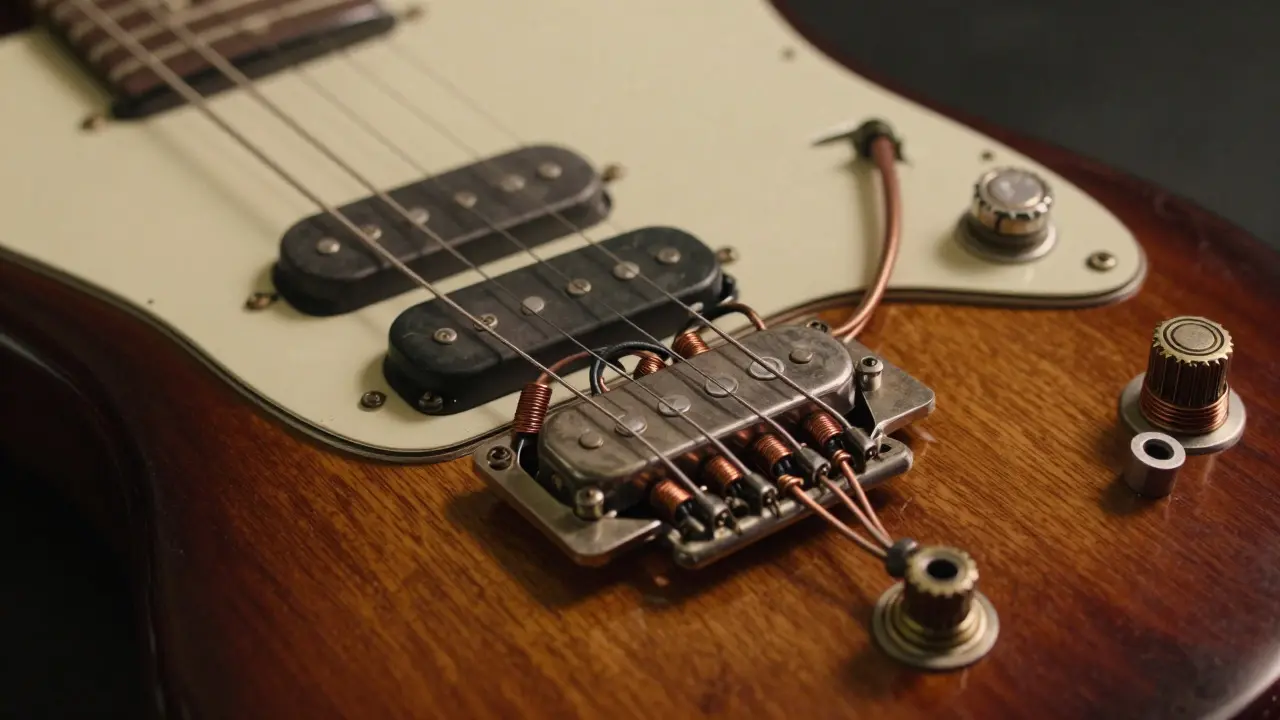
Most people think an electric guitar is just a regular guitar with a wire plugged in. But that’s only half the story. The real magic happens inside the body, where physics meets engineering to turn string vibrations into audible sound waves. If you’ve ever wondered why a $500 guitar sounds different from a $5,000 one, or how a single knob can change your tone from clean to crunchy, you’re in for a treat. These ten facts strip away the myths and show you what actually makes these instruments tick.
The Sound Doesn’t Come From the Wood Alone
Here’s a counter-intuitive fact: if you unplug an electric guitar and play it, it sounds surprisingly bad compared to an acoustic instrument. This is because electric guitars are designed to be thin and light, which means they don’t resonate acoustically as well as their wooden cousins. The "sound" you hear through the amp comes almost entirely from the magnetic pickups. These devices detect the disturbance in their magnetic field caused by the vibrating metal strings. Without the pickup, the wood is just a carrier; the electricity is the voice.
Leo Fender Didn’t Invent the First Electric Guitar
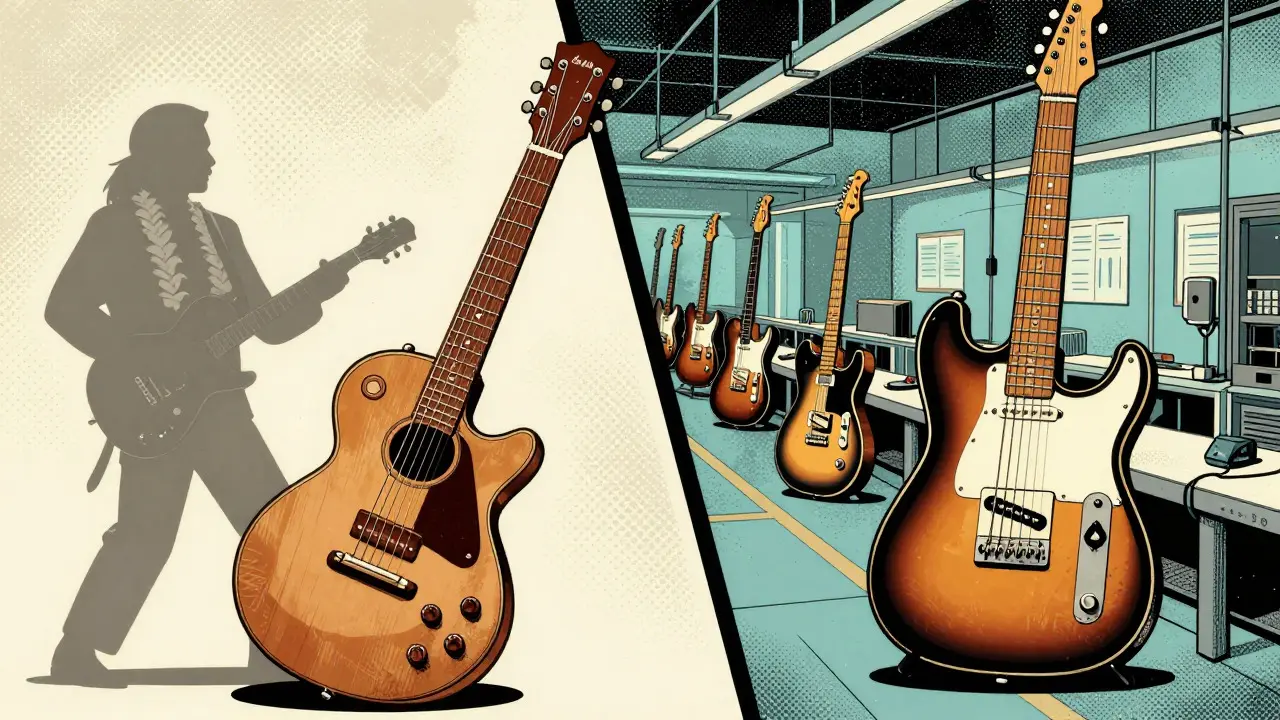
We often credit Leo Fender with creating the modern electric guitar, but he actually improved on existing designs. The first commercially successful electric guitar was the Rickenbacker Frying Pan, released in 1931. It was a lap steel instrument used heavily in Hawaiian music. When Fender launched his Telecaster in 1949, it was revolutionary not because it was the first electric guitar, but because it was the first mass-produced solid-body electric guitar that could be manufactured quickly and cheaply using assembly line techniques.
The Les Paul Has Two Names
You might know it as the Gibson Les Paul, but its original name was the Model B. Les Paul, the jazz guitarist and inventor, collaborated with Gibson to design the instrument. However, when it was first released in 1952, sales were sluggish. To boost interest, Gibson rebranded it in 1954 with Les Paul’s name on the headstock. The partnership worked, and the guitar became an icon. Interestingly, Les Paul himself preferred playing jazz on this instrument, even though it later became synonymous with rock and roll.
Stratocasters Have a Secret Switch
If you own or have played a Fender Stratocaster, you’ve likely used the five-way selector switch. But did you know positions 2 and 4 are special? In these positions, the neck and middle pickups (or middle and bridge) are wired in series rather than parallel. This creates a unique tonal signature that is neither purely bright nor dark, but a balanced "quack" sound. Many players use position 2 specifically for funk and pop rhythms because of this distinct mid-range punch. It’s a subtle engineering detail that separates the Strat from other dual-pickup guitars.
Humbuckers Were Designed to Kill Noise
Single-coil pickups, found on many Strats and Teles, are prone to picking up electromagnetic interference from lights and electronics, resulting in a hum. Humbucker pickups, invented by Seth Lover at Gibson in 1955, solved this problem. They consist of two coils wired out of phase with each other. The noise cancels itself out, while the signal remains intact. This invention allowed musicians to use higher gain settings without drowning in hum, paving the way for the heavy distortion sounds of hard rock and metal in the late 60s and 70s.
The Neck Angle Affects Playability
This is a detail most players never notice until something goes wrong. The angle at which the neck joins the body affects the action-the height of the strings above the fretboard. On a typical electric guitar, the neck is angled slightly downward toward the bridge. This allows the strings to clear the frets at the nut while still reaching the bridge saddles. If the neck angle is too steep, the action becomes high and hard to play. If it’s too flat, the strings may buzz against the frets. Luthiers spend hours adjusting this geometry to ensure smooth playability across all 22 frets.
Vintage Guitars Are Worth More Because of Wear
In the world of antiques, wear usually decreases value. Not so with vintage electric guitars. A 1959 Gibson Les Paul Standard with dings, scratches, and worn finish can command millions of dollars more than a pristine one. Collectors value the "patina"-the physical evidence of the instrument being played by famous artists. The history embedded in the wood and lacquer adds intangible value that no factory-fresh guitar can match. It’s a reminder that these objects are artifacts of musical history, not just tools.
Pickups Can Be Rewired After Purchase
You don’t have to live with the factory wiring of your guitar. Many players modify their instruments to achieve specific tones. For example, converting a single-coil guitar to a humbucker setup requires drilling holes in the pickguard or routing the cavity. Others install coil-splitting circuits, allowing them to switch between the full power of a humbucker and the clarity of a single coil. These modifications require soldering skills and knowledge of electrical circuits, but they offer endless possibilities for customization. Your guitar is a platform, not a finished product.
The Bridge Is a Tuning Component
We think of the bridge as just a place where strings rest, but it plays a crucial role in tuning stability. On guitars with tremolo systems, like the Floyd Rose or Bigsby, the bridge floats. When you bend a string, the tension changes, which can detune the guitar. Fixed bridges, found on most traditional models, rely on friction and proper setup to maintain tune. The material of the bridge also matters; bone bridges transfer vibration better than plastic ones, affecting sustain and brightness. A poorly set-up bridge can ruin even the most expensive guitar.
Electric Guitars Are Still Evolving
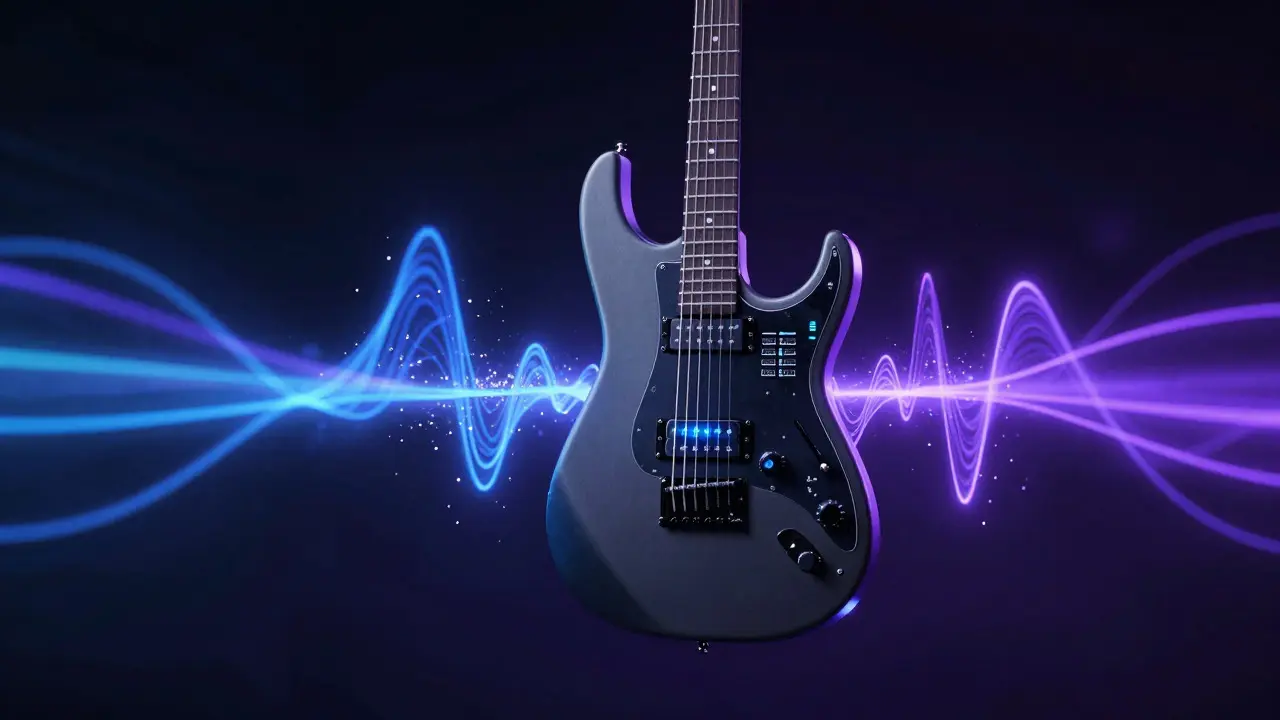
Despite over 90 years of history, the electric guitar isn’t static. Modern manufacturers are experimenting with active electronics, piezo sensors, and digital modeling amps built directly into the guitar body. Companies like Line 6 and Boss have integrated preamps and effects processors into their instruments, allowing players to change tones without external pedals. While purists stick to passive setups, the technology continues to push boundaries. The next generation of players will likely interact with guitars that look nothing like the classic models we know today.
| Model | Manufacturer | Year Introduced | Key Feature | Typical Use |
|---|---|---|---|---|
| Telecaster | Fender | 1949 | First mass-produced solid-body | Country, Rock, Blues |
| Stratocaster | Fender | 1954 | Synchronized tremolo, contoured body | Rock, Funk, Pop |
| Les Paul | Gibson | 1952 | Mahogany body, set neck | Hard Rock, Jazz, Blues |
| SG | Gibson | 1961 | Double-cutaway horned shape | Heavy Metal, Hard Rock |
Frequently Asked Questions
Do electric guitars need batteries?
Passive electric guitars do not require batteries. They generate their own signal through magnetic induction. However, active guitars with onboard preamps or effects processors typically use a 9-volt battery to power the electronics.
What is the difference between a single-coil and a humbucker pickup?
A single-coil pickup has one coil and produces a bright, articulate tone but is susceptible to background hum. A humbucker has two coils wired to cancel noise, producing a thicker, warmer tone with less hiss. The choice depends on the desired sound and playing environment.
Can you play an electric guitar without an amplifier?
Yes, but it will sound quiet and hollow. Since electric guitars rely on pickups to project sound, playing them unplugged results in a weak acoustic output. Some modern guitars include piezo elements or acoustic chambers to improve unplugged volume, but a dedicated amplifier is still required for performance quality.
Why are vintage guitars so expensive?
Vintage guitars are expensive due to scarcity, historical significance, and superior craftsmanship. Materials like aged maple and mahogany are no longer available in the same quality. Additionally, association with famous musicians adds premium value. These factors combine to make vintage instruments collectible assets as well as musical tools.
Which wood is best for an electric guitar body?
There is no single "best" wood, as different woods impart different tonal characteristics. Mahogany offers warmth and sustain, alder provides a balanced midrange, and ash delivers bright attack. The choice often comes down to personal preference and the specific model’s design intent. Ultimately, the player’s technique and amplification setup influence the final sound more than the wood alone.