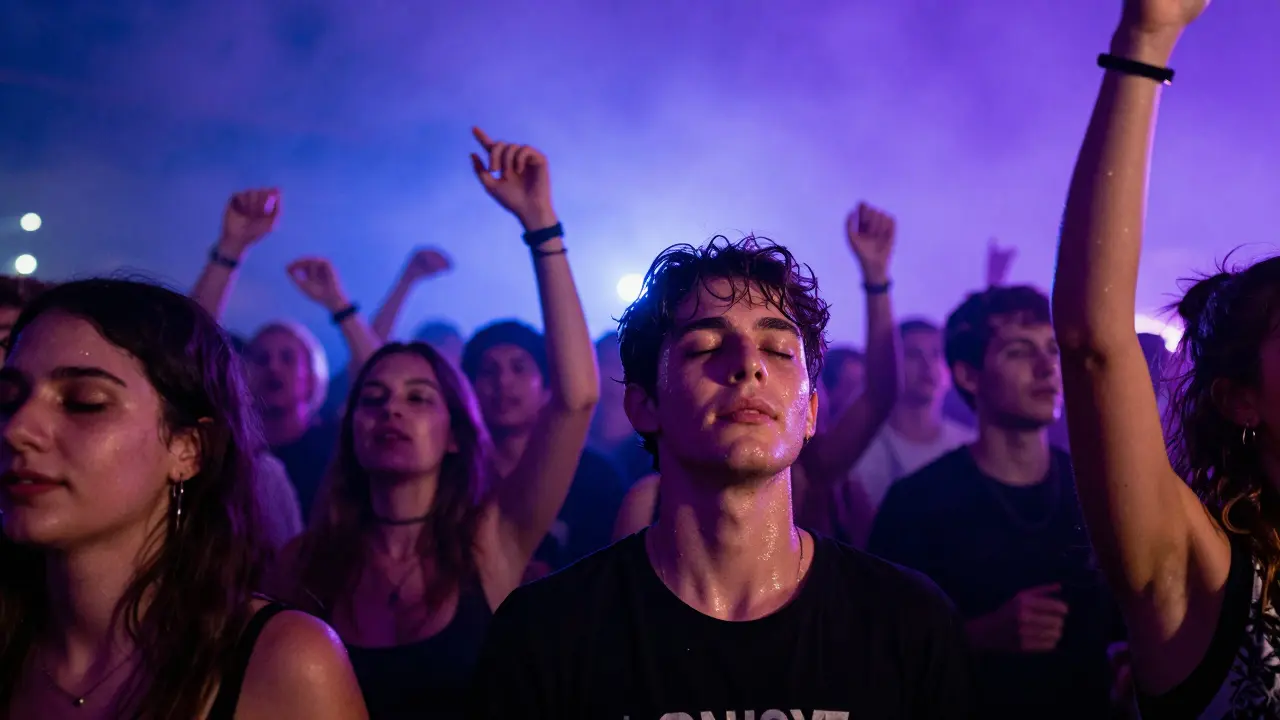
Have you ever stood in a crowd at an electronic music festival, felt that heavy dubstep drop hit your chest, and completely frozen? You know the feeling. The bass is shaking the ground, the lights are flashing, but your feet feel like they’re stuck to the floor. It’s not just you. Dubstep dance isn’t about complex choreography or perfect technique. It’s about letting go, syncing with the rhythm, and moving your body in response to those deep, wobbling frequencies. If you’ve been holding back because you think you need to be a professional dancer to enjoy the scene, it’s time to rethink that.
The Vibe Over Technique
Unlike ballet or contemporary dance, where precision is key, dancing to dubstep is raw and instinctive. Think of it less as "performing" and more as "reacting." The genre, which exploded in popularity during the early 2010s with artists like Skrillex and Bassnectar, relies heavily on syncopated rhythms and aggressive basslines. These sounds demand a physical response. When the beat drops, your body wants to move. That’s the core of bass music culture. You don’t need to learn steps; you need to learn how to listen differently.
The goal here is connection. Connect with the DJ, connect with the crowd, and most importantly, connect with the sound. In Melbourne’s vibrant club scene, from the underground warehouses to the main stages at festivals, I’ve seen people who couldn’t tie their shoes suddenly become the most energetic dancers when the right track plays. Why? Because they stopped trying to look cool and started feeling the music.
Finding Your Groove: The Basics
If you want to start moving, start simple. Here are three fundamental ways to engage with the music without overthinking it:
- The Head Bob: This is the easiest entry point. Keep your feet planted shoulder-width apart. Let your knees bend slightly. As the kick drum hits, nod your head down. As the snare or hi-hat hits, lift it up. It’s subtle, but it gets you locked into the tempo.
- The Shoulder Roll: Dubstep often has a rolling, wobbly texture in the mid-range frequencies. Try rolling your shoulders forward and back in time with these wobbles. It looks relaxed and helps release tension in your upper body.
- The Stomp: When the sub-bass hits-that deep, low frequency that you feel in your stomach-stomp one foot. Alternate feet if you want, or just stomp both together for emphasis. It grounds you and adds energy to the room.
These aren’t rules. They’re tools. Use them to break the ice. Once you’re moving, even slightly, you’ll find it easier to let go. Remember, nobody is judging you. Everyone is focused on their own experience and the music.
Understanding the Music Structure
To dance better, you have to understand what you’re hearing. Dubstep tracks usually follow a specific structure. Knowing this can help you anticipate the big moments and save your energy for the drops.
| Section | Sound Characteristics | Dance Suggestion |
|---|---|---|
| Intro | Atmospheric pads, soft beats, minimal bass | Relax, sway gently, get comfortable |
| Build-Up | Rising pitch, faster drums, increasing tension | Start clapping, raise hands, increase energy |
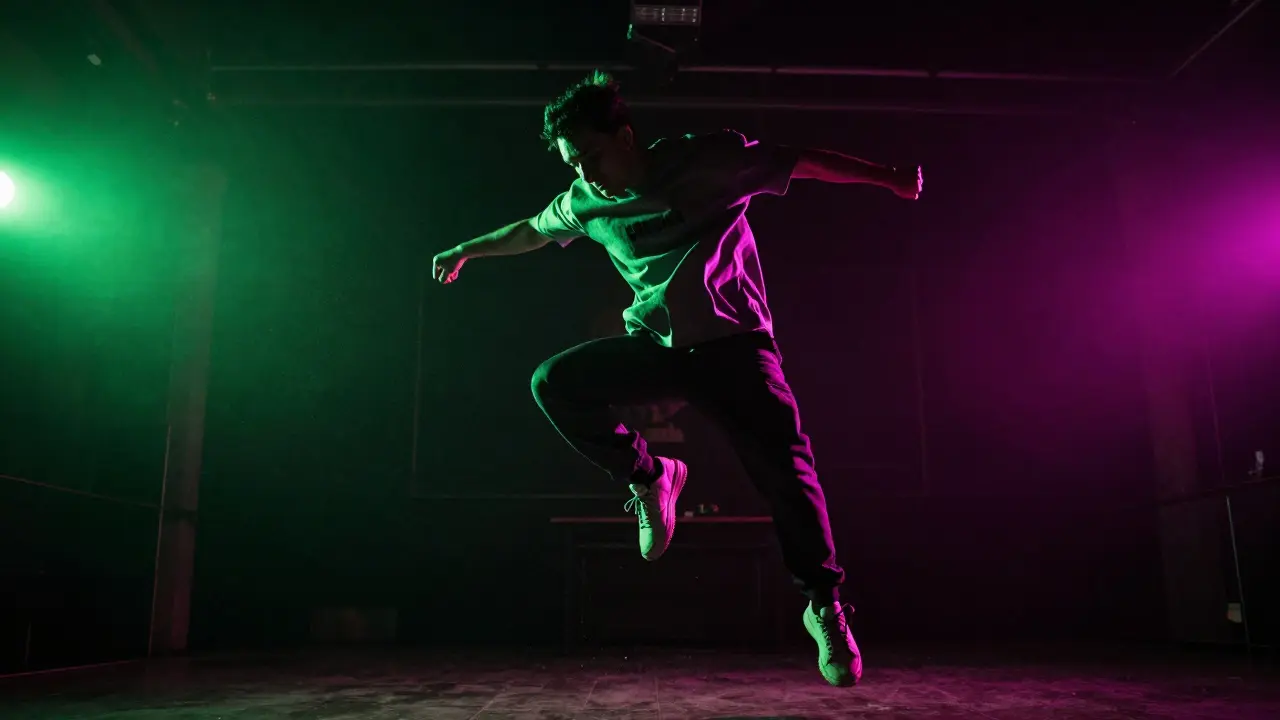
| The Drop | Heavy bass, aggressive synths, high impact | Jump, stomp, jump around, full body movement |
| Breakdown | Music strips back, melodic elements return | Catch your breath, slow down, reconnect |
Notice how the "Drop" is the climax. This is where the energy peaks. Don’t save all your moves for this part only, though. Build up your movement gradually so you have something to give when the bass finally hits. It’s like surfing-you paddle out (intro), catch the wave (build-up), ride the crest (drop), and then glide back (breakdown).
Space Awareness and Safety
Dancing in a crowd requires awareness. You’re not alone on the floor. In dense environments, like the main stage at Defqon.1 or local clubs in Fitzroy, personal space shrinks. Here’s how to navigate it safely while still having fun:
- Keep Your Arms Close: Wild arm movements are great in open spaces, but dangerous in tight crowds. Keep elbows tucked in unless you have plenty of room.
- Watch Your Feet: Be mindful of where you step. Avoid stomping directly near someone else’s toes. It’s easy to accidentally trip someone or get stepped on yourself.
- Respect the Circle: If a mosh pit forms (common in heavier dubstep sets), respect the boundaries. Stay within the circle, and if you fall, get up quickly. The community will help you up if needed.
- Hydrate:** Dancing to high-BPM electronic music is a workout. Drink water between sets. Dehydration kills the vibe faster than bad dancing.
Safety isn’t just about avoiding injury; it’s about ensuring everyone around you can enjoy the music too. Being considerate makes you a better dancer in the eyes of the community.
Style Icons and Inspiration
You don’t have to invent your style from scratch. Watch others. Who moves in a way that inspires you? Some dancers prefer the fluid, almost liquid movements that match the smoother, melodic side of dubstep (think Zeds Dead). Others go for sharp, robotic jerks that mimic the glitchy, aggressive sounds (like Excision). Both are valid. Find what resonates with your personality.
In Melbourne, the dance scene is diverse. You’ll see everything from hardcore ravers jumping in unison to solo dancers experimenting with freestyle hip-hop influences. There’s no single "right" way. The beauty of EDM dance culture is its inclusivity. Whether you’re shy or extroverted, there’s a place for you on the floor.
Overcoming Self-Consciousness
Let’s address the elephant in the room: fear of looking silly. We’ve all been there. You walk into a club, see people moving freely, and suddenly you feel stiff. Here’s the truth: everyone feels awkward sometimes. Even the most confident dancers had a first time. The secret is to stop watching yourself and start watching the music. Focus on the bassline. Listen to the hats. Feel the vibration in the floor. When your attention shifts outward, self-consciousness fades.
Also, remember that most people are too busy enjoying themselves to judge you. In fact, seeing someone genuinely lose themselves in the music is contagious. Your energy can lift others around you. So, take a deep breath, loosen your shoulders, and let the rhythm take over.

Practical Tips for Your First Night Out
Planning to hit the dance floor? Here’s a quick checklist to ensure you have a great experience:
- Wear Comfortable Shoes: Sneakers are your best friend. Avoid heels or sandals. You need support and grip.
- Dress for Movement: Choose clothes that allow you to stretch and jump. Avoid long scarves or loose accessories that could get tangled.
- Arrive Early: Getting to the venue early lets you warm up, find a good spot, and ease into the atmosphere before the crowd gets dense.
- Listen Before You Go: Familiarize yourself with the DJ’s setlist. Knowing the songs helps you anticipate the drops and build confidence.
- Bring Friends: Having a buddy makes it easier to break the ice. You can laugh at each other’s moves and encourage each other to keep going.
These small preparations make a big difference. They remove barriers and let you focus on the fun.
The Community Aspect
Dubstep isn’t just a genre; it’s a community. People who love bass music share a passion for intensity, creativity, and expression. On the dance floor, you’re part of that tribe. Smile at strangers. High-five someone after a big drop. Share the energy. These small interactions create a sense of belonging that makes the night memorable.
In cities like Melbourne, this sense of community is strong. Local collectives organize events specifically to foster connection through music and dance. Joining these groups can introduce you to new friends and deeper insights into the culture. You might even discover workshops or classes that teach more structured dance styles if you want to explore further.
Final Thoughts on Moving to the Beat
Unleashing your inner rhythm with dubstep dance isn’t about perfection. It’s about authenticity. It’s about allowing the music to move you, however that looks for you. Maybe it’s a subtle head bob. Maybe it’s jumping until your legs ache. Whatever it is, own it. The next time you hear that iconic wobble, don’t freeze. Step forward. Bend your knees. And let the bass guide you.
What kind of shoes should I wear for dubstep dancing?
Wear supportive sneakers with good grip. Avoid heels, sandals, or dress shoes. You need stability for jumping and stomping, and cushioning to protect your joints from the hard floors common in clubs and festivals.
Is dubstep dance suitable for beginners?
Absolutely. Dubstep dance is highly accessible because it doesn’t require formal training. It’s based on instinct and reaction to the music. Beginners can start with simple movements like head bobs and shoulder rolls, gradually adding more complexity as they gain confidence.
How do I deal with being self-conscious on the dance floor?
Focus on the music rather than yourself. Listen to the bassline and try to match your movements to the rhythm. Remember that most people are focused on their own enjoyment and not judging others. Start with small movements and build up as you get more comfortable.
What is the difference between dubstep and other EDM genres in terms of dancing?
Dubstep features heavier, slower basslines and syncopated rhythms compared to faster genres like House or Techno. This allows for more grounded, impactful movements like stomps and jumps, whereas faster genres often encourage continuous, flowing motion. The "drop" in dubstep is also more pronounced, creating distinct peaks and valleys in energy.
Are there any safety concerns I should be aware of?
Yes, always be aware of your surroundings. Keep your arms close in crowded spaces to avoid hitting others. Watch your footing to prevent trips and falls. Stay hydrated, as dancing to high-energy music can be physically demanding. If you feel overwhelmed, step back to the edge of the crowd to catch your breath.