Rock music is a genre of popular music that originated as "rock and roll" in the United States in the late 1940s and early 1950s. It quickly became more than just a collection of songs; it turned into a global movement defined by attitude, volume, and defiance. If you listen closely to the distorted guitars and pounding drums of a classic track, you aren't just hearing noise-you're hearing the sound of a generation refusing to conform.
The Roots: Where Rock Came From
To understand why rock feels so rebellious, you have to look at where it started. In the 1950s, America was changing fast. Teenagers were getting their own money, cars, and freedom for the first time. They needed music that matched their energy. Rock didn't appear out of nowhere. It was a collision. Blues from the Mississippi Delta met country music from the hills, with a heavy dose of Rhythm and Blues (R&B) thrown in.
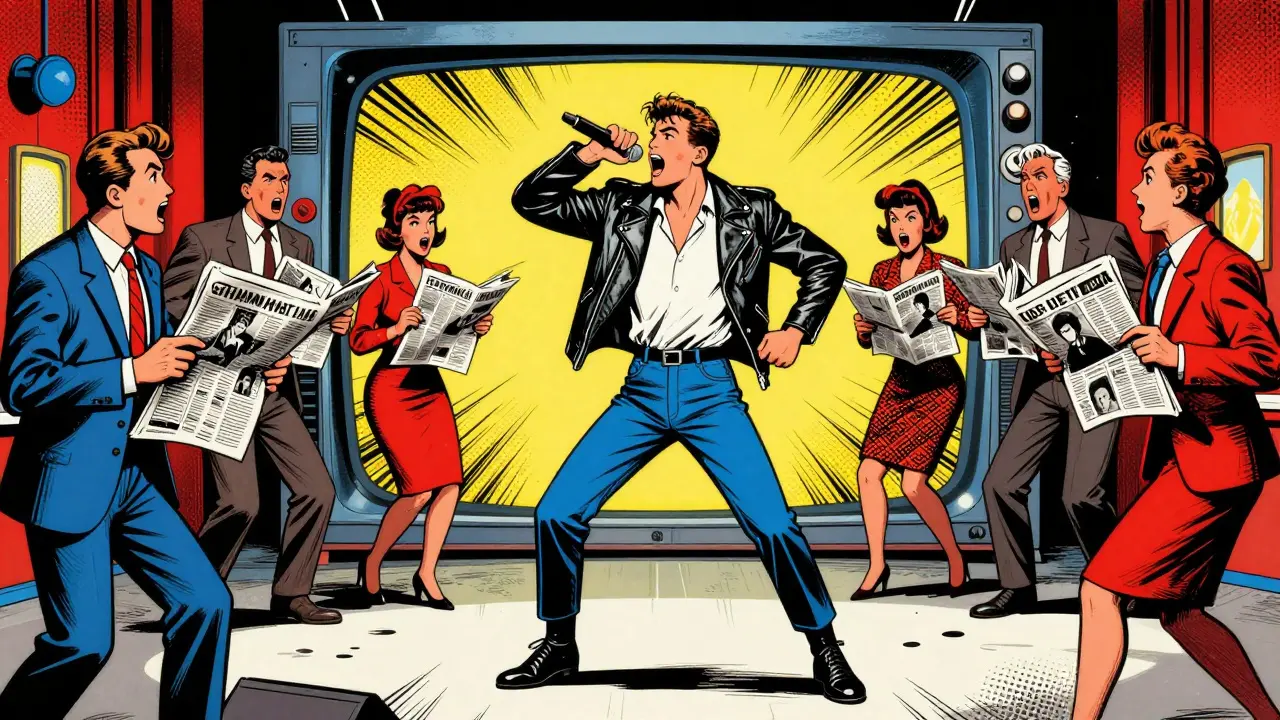
Artists like Chuck Berry, Little Richard, and Elvis Presley took these sounds and sped them up. They added louder amplifiers and a driving backbeat. This wasn't polite parlor music. It was raw, sexual, and dangerous to the adults who wanted kids to keep quiet. When Elvis twisted his hips on television in 1956, he didn't just change dance moves; he challenged social norms about race and class. That was the first spark of the rebellion.
The British Invasion and the Birth of the Band
By the early 1960s, the scene shifted across the Atlantic. American rock had slowed down into "pop-rock," but teenagers in Britain were digging through records by Muddy Waters and Howlin' Wolf. They formed bands that played together live, rather than relying solely on studio session musicians. This shift created the modern concept of the rock band.
When The Beatles landed in New York in 1964, they exploded onto the scene. But they weren't alone. The Rolling Stones offered a grittier, blues-heavy alternative. While The Beatles were clean-cut and melodic, The Stones wore leather jackets and looked like trouble. This contrast showed that rock could be many things. It could be catchy pop or dangerous edge. Both sides appealed to young people who felt disconnected from the conservative values of the 1950s.
Psychedelia and Social Protest
The mid-1960s brought a darker, more complex turn. The Vietnam War escalated, civil rights struggles intensified, and the counterculture movement grew. Rock music became the voice of this anger and confusion. Bands started experimenting with studio technology, long instrumental solos, and lyrics that questioned authority.
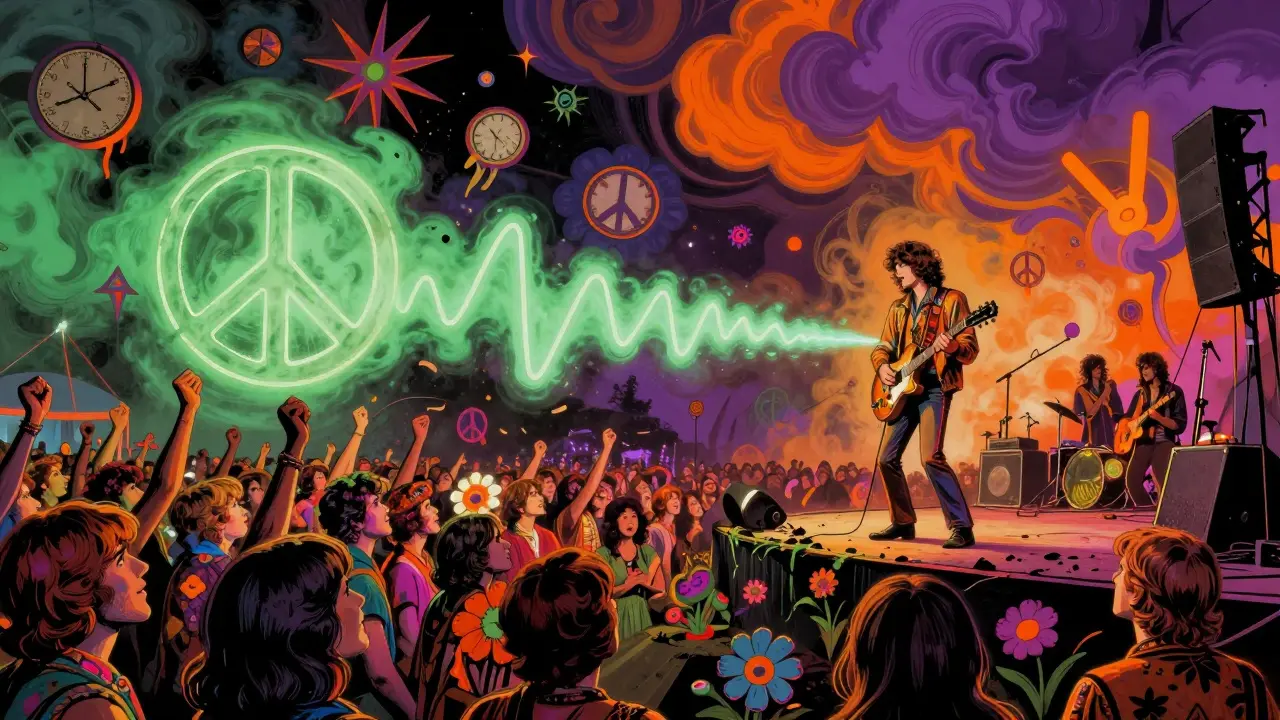
At festivals like Monterey Pop in 1967 and Woodstock in 1969, rock stopped being just entertainment. It became a political statement. Artists like Jimi Hendrix used feedback and distortion to create sonic landscapes that mirrored societal chaos. His rendition of the national anthem at Woodstock wasn't just a performance; it was a critique of American patriotism during wartime. Similarly, Bob Dylan electrified folk music, turning protest songs into anthems that millions sang along to. This era proved that rock could carry weighty messages without losing its musical power.
Hard Rock, Punk, and the Return to Basics
As the 1970s progressed, rock splintered into subgenres. On one end, you had Arena Rock and Progressive Rock, which focused on technical skill and massive production. Bands like Led Zeppelin and Pink Floyd pushed the boundaries of what instruments could do. But not everyone liked the complexity. Some fans felt rock had become too pretentious and expensive.
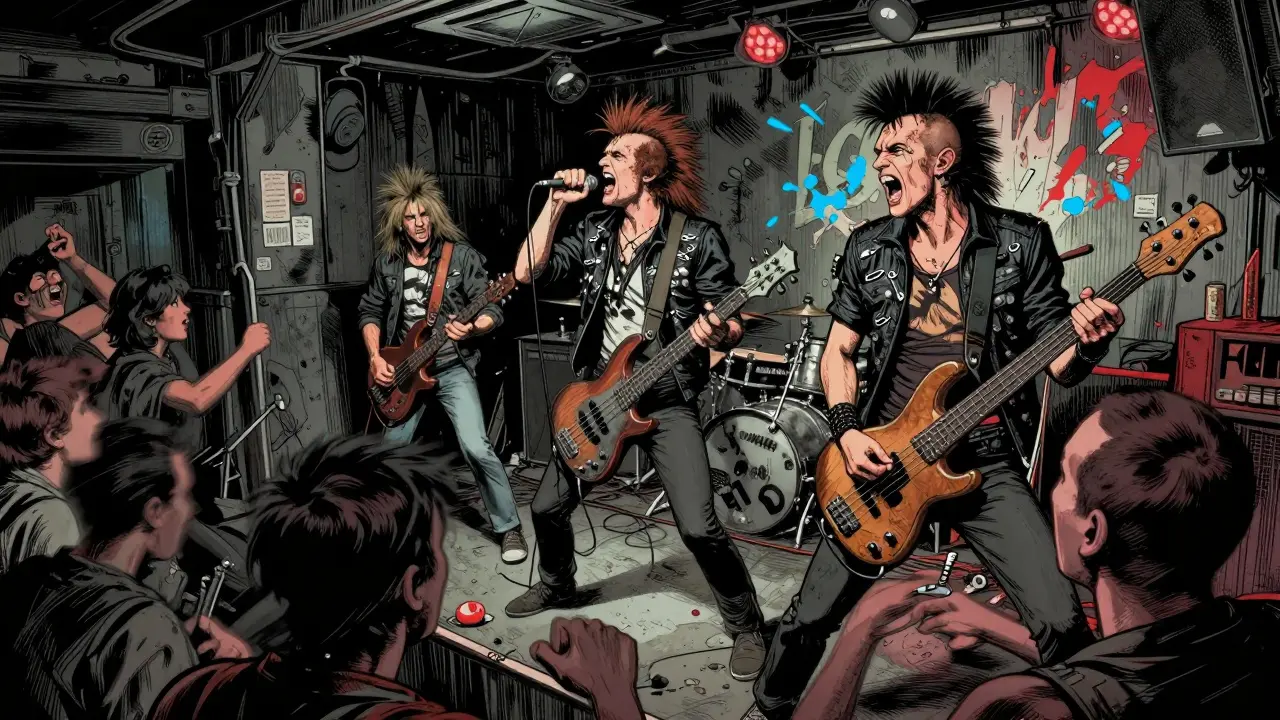
This frustration led to the punk rock explosion in the mid-1970s. Bands like The Sex Pistols and Ramones stripped everything away. No fancy solos, no complex lyrics, just three chords and high energy. Punk was a reaction against the establishment, including the music industry itself. It was DIY (Do It Yourself). You didn't need to be a virtuoso to make art; you just needed something to say. This spirit kept the rebellious core of rock alive when mainstream radio tried to sanitize it.
The Alternative Explosion of the 1990s
By the late 1980s, hair metal and glam rock dominated the charts. They were flashy and fun, but many listeners craved authenticity again. Enter the grunge movement from Seattle. Bands like Nirvana and Pearl Jam emerged from underground clubs, wearing flannel shirts instead of spandex. Their music was loud, messy, and emotionally honest.
Kurt Cobain’s success with Nirvana signaled a major shift. For the first time, an anti-commercial band became the biggest act in the world. This paradox defined 1990s alternative rock. It was music that rejected fame while achieving it. Other genres like Britpop (Oasis, Blur) and indie rock also flourished, proving that rock remained relevant even as hip-hop and electronic music gained ground. The rebellion changed form-it was less about politics and more about personal identity and mental health.
Rock in the Digital Age
In the 2000s and 2010s, rock faced new challenges. Streaming services favored shorter songs and different genres. Pop, hip-hop, and EDM took over the top spots on Billboard. Did rock die? Not really. It evolved. Bands like Arctic Monkeys, The Strokes, and later Tame Impala blended rock with electronic elements, creating a hybrid sound that appealed to younger audiences.
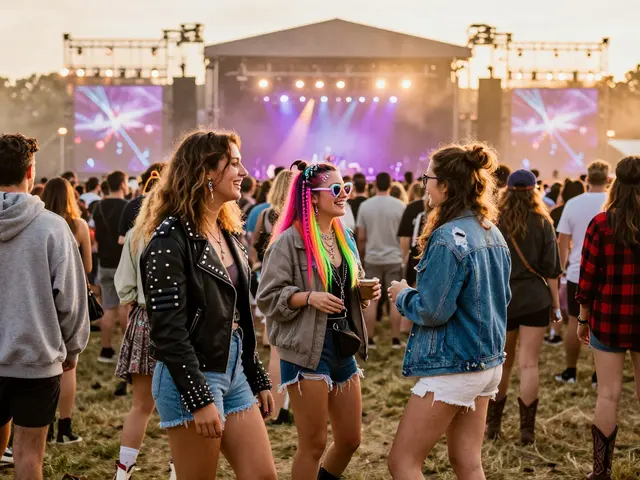
Today, rock lives on in niche communities and festival circuits. It influences other genres heavily. You can hear rock guitar riffs in hip-hop beats and rock vocals in pop ballads. The spirit of rebellion hasn't disappeared; it has fragmented. Independent artists use platforms like Bandcamp and TikTok to reach fans directly, bypassing traditional record labels. This returns us to the punk ethos: direct connection between artist and audience, free from corporate control.
| Era | Subgenre | Key Characteristics | Representative Artists |
|---|---|---|---|
| 1950s | Rock and Roll | Upbeat tempo, strong backbeat, simple lyrics | Elvis Presley, Chuck Berry |
| 1960s | Psychedelic Rock | Experimental sounds, studio effects, social commentary | The Beatles, Jimi Hendrix |
| 1970s | Punk Rock | Fast, aggressive, DIY ethic, anti-establishment | The Ramones, Sex Pistols |
| 1990s | Grunge | Distorted guitars, dynamic shifts, introspective lyrics | Nirvana, Pearl Jam |
| 2010s-Present | Indie/Alternative | Eclectic influences, digital production, genre-blending | Arctic Monkeys, Tame Impala |
Why Rock Still Matters
Even if you don't listen to rock daily, its influence is everywhere. The structure of modern pop songs often borrows from rock's verse-chorus format. The emphasis on live instrumentation in hip-hop and R&B traces back to rock's insistence on real drums and bass. More importantly, rock established the idea that music could be a vehicle for dissent. When artists today speak out against injustice, they stand on the shoulders of giants who risked their careers to do the same.
Rock music teaches us that imperfection is powerful. A slightly off-key scream or a messy guitar solo can convey emotion better than perfect precision. It encourages creativity and individuality. Whether you are playing air guitar in your bedroom or organizing a protest, the energy of rock fuels action. It reminds us that we don't have to accept the status quo quietly.
What defines rock music as a genre?
Rock music is primarily defined by its use of the electric guitar as the central instrument, a strong rhythmic beat (usually 4/4 time), and a focus on band dynamics. Lyrically, it often explores themes of rebellion, personal struggle, love, and social issues. The sound is characterized by amplification, distortion, and energetic performances.
Is rock music still popular in 2026?
While rock no longer dominates mainstream pop charts, it remains highly popular globally. It thrives in live venues, festivals, and online communities. Many contemporary artists blend rock elements with hip-hop, electronic, and folk, keeping the genre fresh and relevant for new generations.
How did rock music influence social change?
Rock music provided a platform for marginalized voices and challenged racial segregation, particularly in the 1950s and 60s. It became the soundtrack for the Civil Rights Movement, anti-war protests, and feminist movements. By breaking taboos in lyrics and behavior, rock helped normalize discussions around sexuality, drug use, and political dissent.
What is the difference between hard rock and heavy metal?
Hard rock emphasizes blues-based riffs and powerful vocals, often with a party-oriented vibe. Heavy metal takes this further with heavier distortion, faster tempos, complex song structures, and darker lyrical themes. Metal often features virtuosic guitar solos and aggressive drumming, whereas hard rock tends to be more accessible and rhythm-driven.
Who are the most influential rock bands of all time?
The Beatles, Led Zeppelin, The Rolling Stones, Pink Floyd, and Nirvana are frequently cited as the most influential. Each band introduced innovations in songwriting, recording techniques, or cultural impact that shaped the future of music. Their work continues to inspire new artists across various genres.