When you hear the term rhythm and blues, what comes to mind? Maybe it’s a smooth late-night jam or a chart-topping hit from the 2020s. But if we rewind the tape, the roots of this genre are tangled, messy, and deeply human. And standing right at the center of that story are women who didn’t just sing-they fought for their sound, their rights, and their place in a male-dominated industry.
Rhythm and blues (R&B) wasn’t born in a vacuum. It emerged from the African American experience, blending gospel, jazz, and blues into something raw and electric. While names like Ray Charles and James Brown often headline these histories, the women who laid the groundwork were equally vital. They brought emotional depth, technical precision, and a resilience that defined the genre’s soul. This isn’t just a list of famous singers; it’s a look at the architects of modern music.
The Godmothers of Soul: Ma Rainey and Bessie Smith
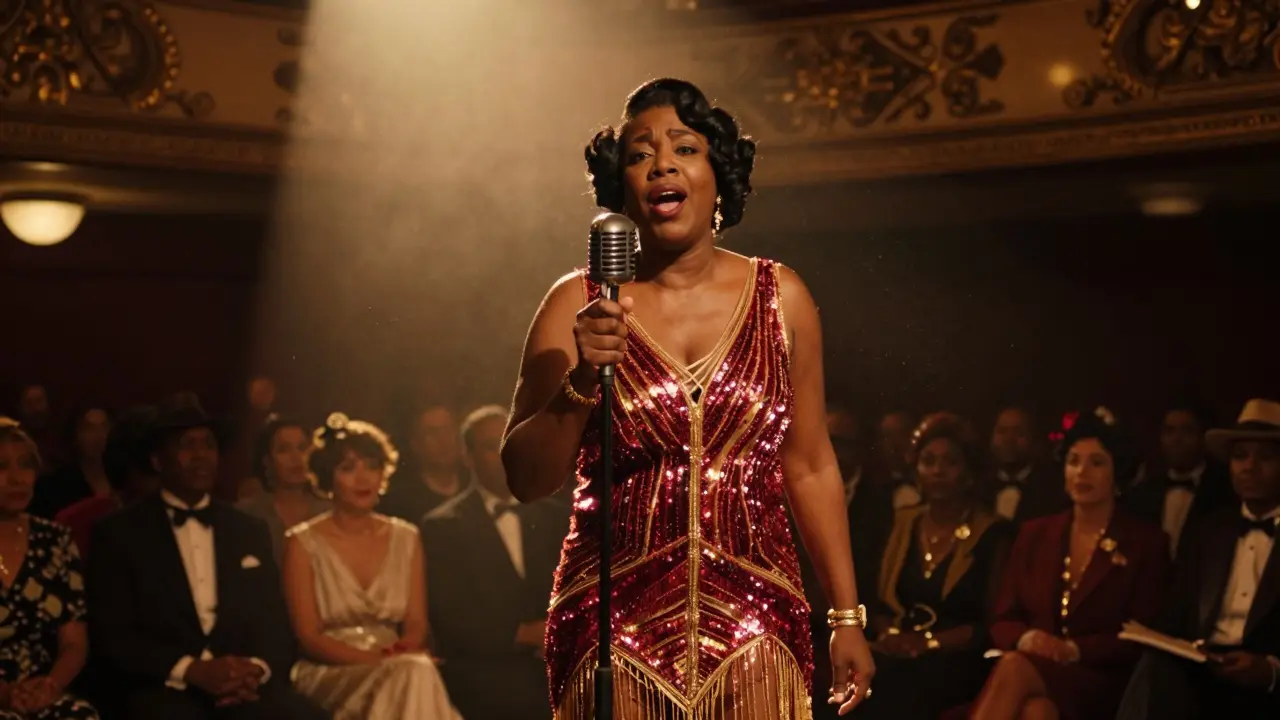
To understand R&B, you have to start with the blues. And before there was electric R&B, there was the "Classic Blues" era of the 1920s. Two women dominated this space: Mamie "Ma" Rainey and Bessie Smith.
Ma Rainey, known as the "Mother of the Blues," recorded over 100 songs between 1923 and 1928. Her voice was powerful, unapologetic, and often dealt with themes of independence and heartbreak that resonated with Black audiences everywhere.Then there was Bessie Smith, the "Empress of the Blues." She sold millions of records during the Great Depression-a staggering feat when many Americans couldn’t afford bread. Smith’s influence extended beyond sales; she paved the way for future vocalists by mastering phrasing and emotional delivery. Without her, the dramatic flair of later R&B divas wouldn’t exist.
The Queen of Soul: Aretha Franklin
If R&B has a crown, it belongs to Aretha Franklin. Known globally as the "Queen of Soul," Franklin didn’t just perform R&B; she elevated it to an art form. Born in Detroit and raised in the church, her early exposure to gospel music gave her a vocal technique that was both spiritually charged and technically flawless.
In 1967, she released "I Never Loved a Man (The Way I Love You)," which included the iconic track "Respect." This wasn’t just a love song; it became an anthem for civil rights and feminist movements. Franklin’s ability to switch from a whisper to a roar allowed her to convey complex emotions in seconds. She won 18 Grammy Awards, making her one of the most awarded artists in history. Her impact on R&B is measurable: she proved that a woman could be the headliner, the producer, and the boss.
The Voice That Changed Everything: Ella Fitzgerald and Sarah Vaughan
While often categorized under jazz, Ella Fitzgerald and Sarah Vaughan played crucial roles in shaping the melodic structures of early R&B. Their scat singing-improvising lyrics with nonsense syllables-added a layer of musicality that R&B producers later adopted.
Fitzgerald’s collaboration with Duke Ellington and her Song Book series demonstrated how jazz harmony could blend with popular song structures. Vaughan, meanwhile, brought a sultry, sophisticated tone that influenced countless R&B singers in the 1950s and 60s. When you listen to the smooth transitions in modern R&B ballads, you’re hearing echoes of their techniques.
The Motown Revolution: Diana Ross and The Supremes
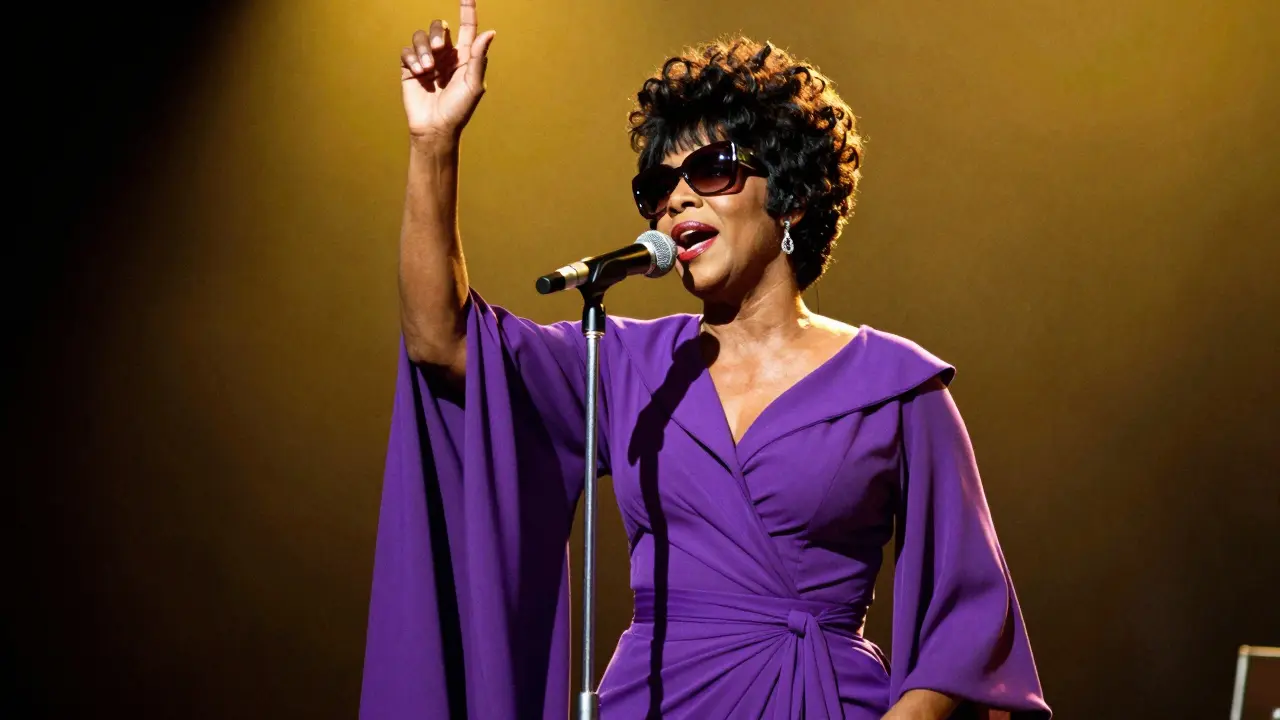
In the 1960s, Motown Records changed the game. Founded by Berry Gordy, Motown aimed to bring Black music to white audiences. At the forefront was Diana Ross and The Supremes. With hits like "Baby Love" and "Stop! In the Name of Love," they became the first Black group to cross over massively to mainstream pop charts without losing their R&B roots.
Ross’s solo career further expanded the definition of R&B. She incorporated disco, funk, and orchestral arrangements, showing that R&B could evolve while staying true to its emotional core. Her success opened doors for other Black women artists to achieve global stardom, proving that R&B wasn’t just a niche genre but a universal language.
The Diva Era: Whitney Houston and Mariah Carey
By the late 1980s and 1990s, R&B had merged with pop and hip-hop. Enter Whitney Houston and Mariah Carey. Houston’s debut album in 1985 set new standards for vocal power and clarity. Her rendition of "I Will Always Love You" remains one of the best-selling singles of all time.
Carey, on the other hand, introduced the "melisma" technique-singing multiple notes for one syllable-to mainstream audiences. This style became a hallmark of 90s R&B, influencing artists like Beyoncé and Alicia Keys. Both women faced immense pressure from the industry, yet their commercial success forced labels to invest more heavily in female R&B talent.
The Modern Architects: Erykah Badu, Lauryn Hill, and Beyoncé
The 1990s saw the rise of Neo-Soul, a subgenre that returned to the organic sounds of classic R&B. Erykah Badu led this movement with her album Baduizm, blending jazz, funk, and conscious lyrics. She rejected the polished image of previous decades, embracing natural hair and vintage fashion, which sparked a cultural shift in beauty standards.
Lauryn Hill took R&B in another direction with The Miseducation of Lauryn Hill. By mixing rap with soulful singing, she created a template for hip-hop soul that dominated the late 90s. Her lyrics addressed social issues, mental health, and relationships with unprecedented honesty.
Today, Beyoncé stands as the culmination of this legacy. Her album Lemonade explored Black womanhood, infidelity, and heritage through a mix of R&B, rock, and country influences. She doesn’t just follow trends; she sets them, using her platform to highlight lesser-known Black artists and producers.
| Artist | Era | Key Contribution | Signature Style |
|---|---|---|---|
| Mamie "Ma" Rainey | 1920s-30s | Pioneered Classic Blues recording | Raw, powerful vocals |
| Aretha Franklin | 1960s-90s | Elevated Soul to high art | Gospel-infused improvisation |
| Diana Ross | 1960s-80s | Crossover appeal to pop audiences | Polished, glamorous performance |
| Lauryn Hill | 1990s | Fusion of Hip-Hop and Soul | Rapping and singing seamlessly |
| Beyoncé | 2000s-Present | Visual albums and cultural commentary | Versatile genre-blending |
Why These Women Matter Today
Looking back at these pioneers, it’s clear that R&B isn’t just a genre-it’s a reflection of Black women’s experiences. Each artist faced unique challenges, from racial segregation to gender discrimination, yet they used their platforms to tell their stories. Today’s artists like SZA, H.E.R., and Janelle Monáe stand on the shoulders of these giants, continuing to push boundaries.
Understanding this history helps us appreciate the complexity of modern R&B. It’s not just about catchy hooks; it’s about resilience, innovation, and authenticity. Whether you’re a casual listener or a music student, recognizing these contributions enriches your appreciation of the music we love today.
Who is considered the mother of R&B?
While several women contributed to the genre's foundation, Mamie "Ma" Rainey is often called the "Mother of the Blues," which directly evolved into Rhythm and Blues. However, Aretha Franklin is widely recognized as the "Queen of Soul," a major subgenre of R&B.
How did women influence the development of R&B music?
Women shaped R&B by introducing emotional depth, vocal techniques like melisma and scat singing, and lyrical themes focused on personal empowerment and social justice. Artists like Aretha Franklin and Lauryn Hill also broke barriers in production and artistic control.
What is the difference between Soul and R&B?
Soul music emerged in the 1950s and 60s as a fusion of R&B and gospel music, emphasizing emotional intensity and vocal prowess. R&B is a broader category that includes Soul, Funk, and Hip-Hop Soul, evolving over decades to incorporate various styles.
Which female R&B artist has won the most Grammys?
Beyoncé holds the record for the most Grammy Awards won by any artist, including women in R&B, with over 32 wins. Aretha Franklin previously held the record for the most awarded female artist with 18 Grammys.
Who started the Neo-Soul movement?
Erykah Badu is widely credited with leading the Neo-Soul movement in the mid-1990s. Her album "Baduizm" combined traditional soul elements with contemporary hip-hop beats and conscious lyrics, inspiring a generation of artists.