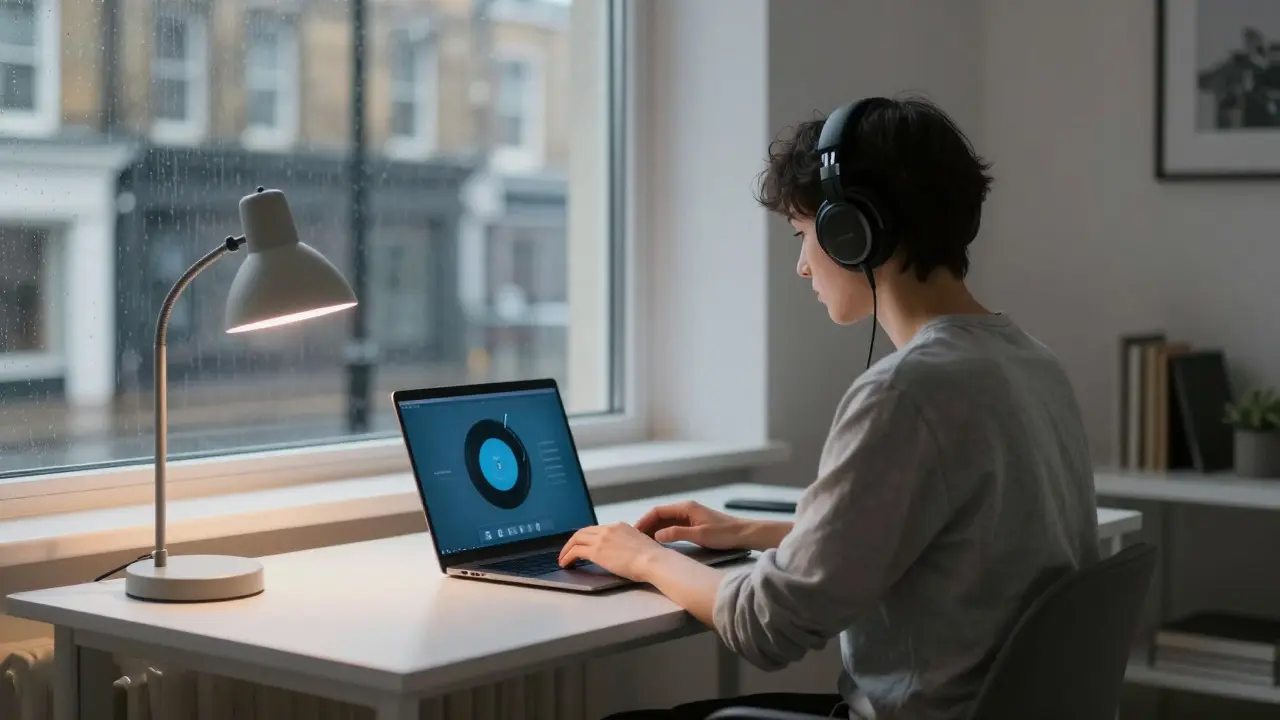
Have you ever stared at a blank screen, trying to find the right track to match your energy? Maybe you’re grinding through a deadline and need something driving. Or perhaps you just got home from a long shift and want to melt into the couch with something atmospheric. Finding that perfect sonic backdrop is harder than it looks. Generic radio stations shuffle tracks without regard for flow, leaving you jumping between high-energy bangers and slow jams in seconds.
This is where curated electronic music playlists come in. They are not just random collections of songs; they are carefully sequenced journeys designed to support specific activities or emotional states. Whether you are looking for focus, relaxation, or a reason to move, there is a subgenre of electronic music tailored for you. Let’s break down the best playlist types for every scenario you face in daily life.
Finding Focus: Deep House and Lo-Fi Beats
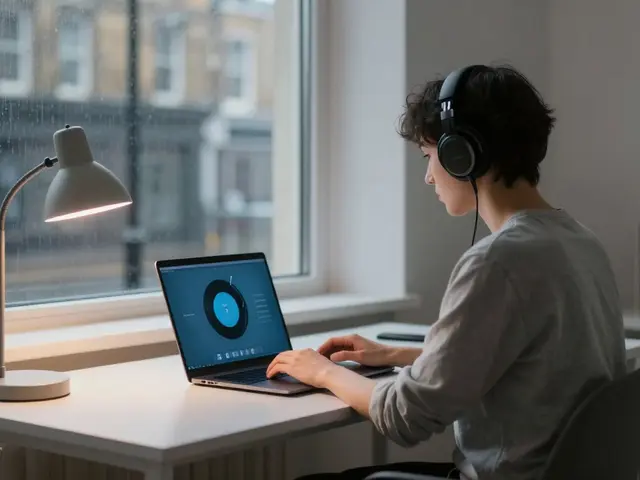
When you need to concentrate, lyrics can be distracting. Your brain tries to process language while you try to write code or analyze data. This cognitive load kills productivity. The solution lies in instrumental electronic music with a steady, predictable rhythm. Think of it as auditory scaffolding for your brain.
Deep House is a subgenre of house music characterized by a slower tempo (110-125 BPM), deeper basslines, and soulful chords. It originated in Chicago in the late 1980s but evolved into a global phenomenon known for its smooth, hypnotic qualities. Artists like Robert Owens and Larry Heard pioneered this sound, creating music that feels warm and inviting rather than aggressive. Search for "Deep House for Work" or "Focus Flow" on streaming platforms. These playlists typically feature tracks with repetitive melodic loops that help induce a state of flow without demanding your full attention.
If Deep House feels too upbeat, look toward Lo-Fi Hip Hop, which blends low-fidelity audio aesthetics with hip hop beats and jazz samples. While technically rooted in hip hop, many modern lo-fi producers use electronic synthesis tools to create ambient textures. The crackle of vinyl, the rain sounds, and the simple piano chords create a cozy environment that reduces anxiety and improves sustained attention.
- BPM Range: Look for playlists labeled 60-90 BPM for deep work.
- Key Feature: Minimal vocals or none at all.
- Best For: Writing, coding, reading, and studying.
Energy Boosters: Techno and Drum & Bass
Sometimes you don’t need calm; you need fire. You’re hitting a wall in the gym, or you’re stuck in traffic and need to wake up. In these moments, you need music with high energy density. This means faster tempos, heavier bass, and complex rhythmic structures.
Techno is an electronic music genre characterized by repetitive instrumental beats, usually in 4/4 time, with tempos ranging from 120 to 150 BPM. Born in Detroit in the mid-1980s, techno relies on synthesizers and drum machines to create industrial, futuristic soundscapes. It is mechanical, precise, and relentless. When you search for "Industrial Techno" or "Peak Time Techno," you will find tracks that drive adrenaline. The constant kick drum acts as a metronome for your movements, whether you’re lifting weights or running.
For an even higher intensity, consider Drum and Bass (DnB), which features fast breakbeats (typically 170-175 BPM) with heavy bass and sub-bass lines. Originating in the UK in the early 1990s, DnB splits the beat into rapid hi-hats and syncopated snares. It is physically demanding to listen to because of its speed. Playlists labeled "Liquid DnB" offer a smoother, more melodic experience, while "Neurofunk" delivers dark, aggressive rhythms. Use these when you need to push past physical limits.
| Genre | Typical BPM | Vibe | Best Activity |
|---|---|---|---|
| Techno | 120-150 | Industrial, Hypnotic | Gym, Driving, Cleaning |
| Drum & Bass | 170-175 | Fast, Aggressive | HIIT Workouts, Sprinting |
| Hardstyle | 150-160 | Euphoric, Distorted | Parties, High-Stress Tasks |

Chill Vibes: Ambient and Chillwave
After the chaos of the day, you might need to decompress. This is not about sleeping yet, but about transitioning from "on" to "off." You want music that feels like a warm bath. Ambient and Chillwave excel here because they prioritize texture over structure.
Ambient Music is a genre that emphasizes tone and atmosphere over traditional musical structure or rhythm. Pioneered by Brian Eno in the 1970s, ambient music often lacks a distinct beat. It uses long pads, drones, and field recordings to create immersive soundscapes. Search for "Ambient Relaxation" or "Space Ambient." These playlists are ideal for meditation, yoga, or simply staring out the window while drinking tea. They lower cortisol levels by reducing sensory overload.
If you prefer a bit more nostalgia, try Chillwave, which emerged in the late 2000s as a retro-inspired electronic style using dreamy synths and lo-fi production techniques. Artists like Washed Out and Toro y Moi created a sound that feels like a hazy summer memory. It has a gentle groove, making it perfect for casual socializing or unwinding after dinner. It’s not as passive as ambient, but it’s far less stimulating than house music.
Social Energy: House and Disco Revival
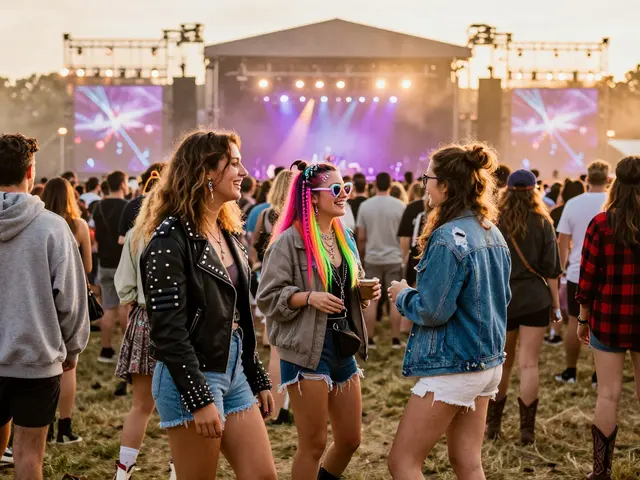
Hosting a dinner party or hanging out with friends requires a different kind of soundtrack. You want music that encourages conversation but keeps the room lively. Pure techno might be too intense, while ambient is too boring. The sweet spot is found in genres that celebrate human connection and joy.
House Music is a foundational electronic genre with a steady 4/4 beat, typically 115-130 BPM, featuring soulful vocals and funky basslines. Originating in Chicago clubs in the 1980s, house music was built for dancing and community. Modern "Nu-Disco" or "French House" playlists bring this energy into contemporary settings. Tracks often sample classic funk and disco records, adding familiarity that makes guests feel comfortable. Look for playlists titled "Summer House" or "Groovy Disco." These selections maintain a positive, uplifting mood without overpowering conversation.
Another great option is Tropical House, which combines house music rhythms with tropical percussion instruments like marimbas and steel drums. Popularized by artists like Kygo and Matoma, this subgenre evokes vacation vibes. It’s light, breezy, and universally liked. If you’re serving cocktails on a patio, Tropical House is the ultimate background score.

Late Night Reflections: Synthwave and Darkwave
There is a specific time of night, usually after midnight, when the world feels different. The streets are empty, the lights are dim, and your thoughts turn inward. This is the realm of Synthwave and Darkwave. These genres tap into nostalgia for 1980s sci-fi films and neon-lit cityscapes.
Synthwave is a retro-futuristic electronic genre inspired by 1980s film soundtracks, featuring analog synthesizers and gated reverb drums. Artists like Kavinsky and Carpenter Brut create soundscapes that feel cinematic. Listening to Synthwave while driving at night enhances the sense of solitude and freedom. It’s dramatic, stylish, and deeply atmospheric. Search for "Retrowave" or "Outrun" playlists to access this vibe.
For a moodier alternative, explore Darkwave, which blends post-punk guitar aesthetics with electronic synthesizers and melancholic melodies. Bands like Switchblade Symphony and Clan of Xymox pioneered this style. It’s introspective and slightly gothic, perfect for journaling or creative writing when you’re feeling contemplative. It doesn’t force happiness; it validates sadness and turns it into art.
How to Build Your Own Mood Library
Relying solely on pre-made playlists can limit your discovery. Building your own library gives you control over the narrative. Start by identifying the core emotions you want to target. Then, use the following strategy:
- Start with Anchor Tracks: Pick three songs you already love that fit the mood. Analyze their BPM, key, and instrumentation.
- Use Algorithmic Recommendations: Streaming services like Spotify and Apple Music suggest similar tracks based on your anchors. Accept these suggestions if they match the vibe.
- Check the Sequencing: Ensure the energy flows logically. Don’t jump from a 170 BPM DnB track to a 60 BPM ambient piece. Create transitions using intermediate genres.
- Label Clearly: Name your playlists by activity and mood (e.g., "Monday Morning Focus" vs. "Friday Night Unwind"). This helps you retrieve them quickly.
Remember, music is a tool. It shapes your perception of time and space. By curating your electronic music intake intentionally, you take charge of your mental state. Whether you are working, playing, or resting, let the right frequency guide you.
What is the best electronic music genre for studying?
Deep House and Lo-Fi Hip Hop are generally considered the best for studying. They provide a steady rhythm that aids concentration without lyrical distractions. Look for playlists with BPMs between 60 and 90 for optimal focus.
Why does Techno make me feel energetic?
Techno typically operates at 120-150 BPM with a strong, repetitive kick drum. This mimics an elevated heart rate, triggering a physiological response that increases alertness and adrenaline, making it ideal for workouts.
Is Ambient music good for sleeping?
Yes, Ambient music is excellent for sleep. Its lack of distinct rhythm and emphasis on soft, continuous tones help reduce sensory input, allowing the brain to relax and transition into sleep mode more easily.
What is the difference between House and Deep House?
House music is generally faster (115-130 BPM) and more vocal-driven, designed for club dancing. Deep House is slower (110-125 BPM), darker, and more atmospheric, focusing on basslines and chords rather than big drops or vocals.
Can listening to electronic music improve productivity?
Studies suggest that instrumental electronic music can enhance productivity by masking distracting noises and maintaining a consistent level of arousal. However, the effect varies by individual; some people prefer silence for complex tasks.