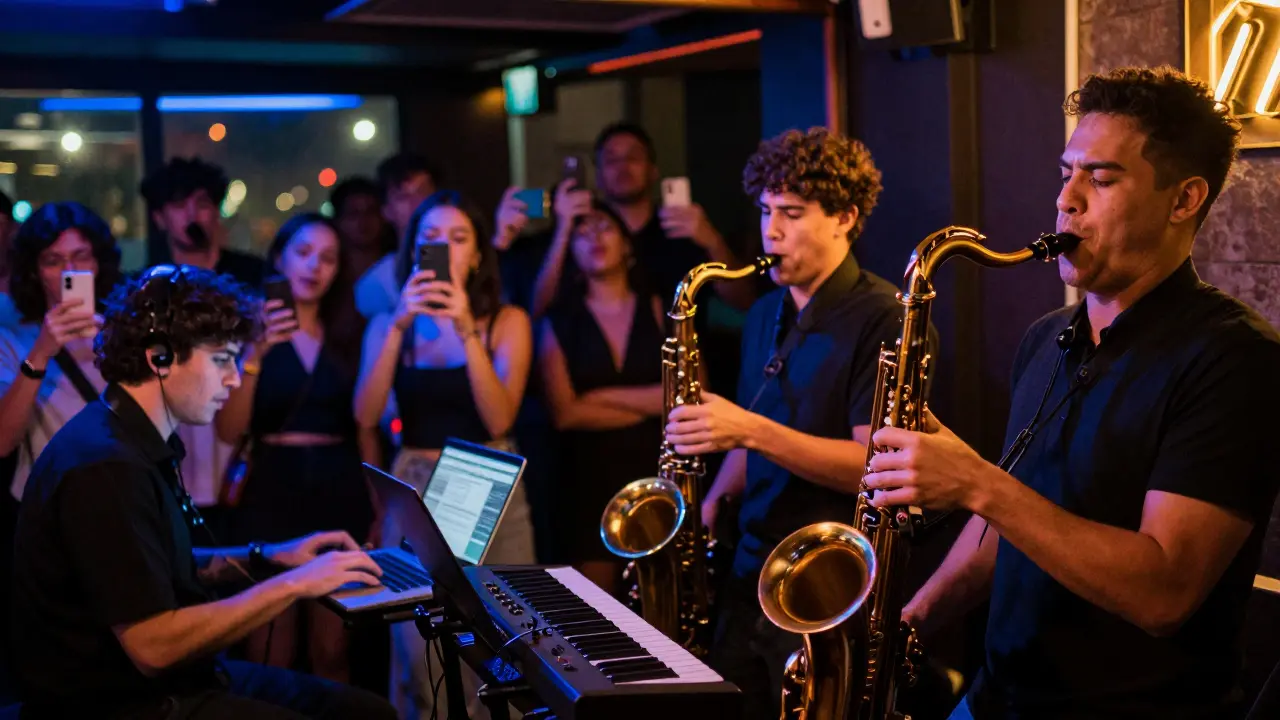
Jazz is not dying. It is evolving faster than most people realize. If you think jazz is just smoky clubs and trumpet solos from the 1950s, you are missing half the story. In 2026, jazz music is breaking boundaries like never before. Artists are blending genres, using artificial intelligence to compose, and reaching audiences through TikTok rather than vinyl records. The scene is vibrant, chaotic, and incredibly exciting.
I have spent years watching this shift from my home base in Adelaide, where local venues now host hybrid gigs that mix live improvisation with digital soundscapes. What I see is a genre refusing to be boxed in. Let’s look at what is actually happening right now and where it is heading.
The Rise of Hybrid Genres and Global Fusion
Pure traditional jazz is still respected, but the growth engine is elsewhere. Modern jazz musicians are rarely sticking to one style. They are pulling from hip hop, electronic dance music, Afrobeat, and even classical orchestration. This isn’t just experimentation; it is survival strategy. To keep the audience young and engaged, artists need to speak multiple musical languages.
Take the rise of "jazz-hop" or "lo-fi jazz." These styles strip away the complex harmonies of bebop and focus on mood and texture. Producers use samples from old jazz recordings and layer them over trap beats. This approach has exploded on streaming platforms. A track might feature a saxophone solo over a heavy bass line that sounds like it belongs in a nightclub in Lagos or Seoul. The result is a sound that feels familiar yet entirely new.
This global fusion also means jazz is losing its American-centric identity. Musicians in Europe, Asia, and Africa are redefining what jazz sounds like. For example, Scandinavian jazz often incorporates folk melodies and minimalist aesthetics. Meanwhile, Japanese jazz scenes are known for their technical precision and integration of anime soundtracks. The center of gravity is shifting outward.
| Feature | Traditional Jazz (Pre-2000) | Modern Jazz (2026+) |
|---|---|---|
| Primary Instrumentation | Acoustic instruments (piano, brass, upright bass) | Hybrid setups (synthesizers, laptops, acoustic instruments) |
| Audience Engagement | Live club attendance, radio play | Streaming playlists, social media clips, virtual concerts |
| Genre Boundaries | Strict adherence to jazz standards and forms | Fluid mixing with hip hop, electronic, world music |
| Composition Method | Improvisation over written chord changes | Algorithm-assisted composition, sample-based production |
Artificial Intelligence as a Creative Partner
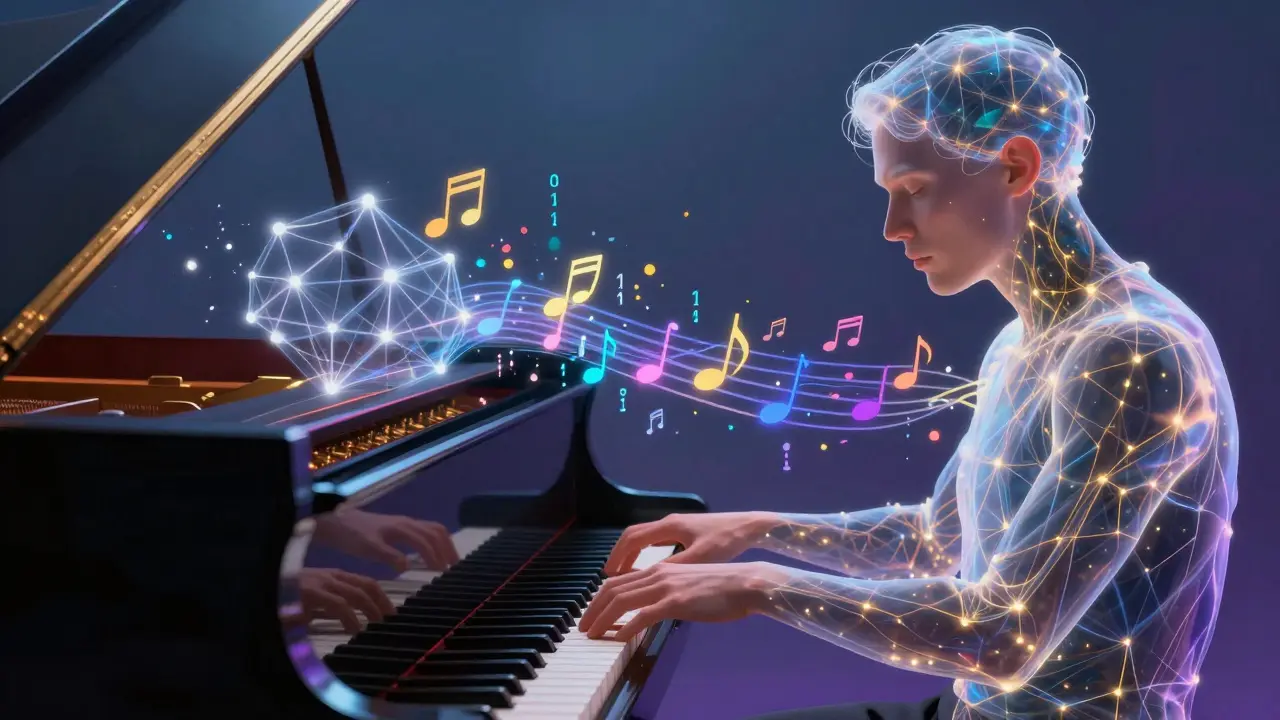
This is the trend that makes purists nervous, but it is here to stay. Artificial intelligence is no longer just a tool for mastering audio. It is becoming a co-composer. Some jazz musicians are using AI algorithms to generate chord progressions or melodic ideas that they then improvise over. This doesn’t replace the human element; it expands it.
Imagine a pianist who feeds a few bars of melody into an AI model trained on Miles Davis and John Coltrane. The AI generates three possible harmonic structures. The musician picks one, plays it, and adds their own emotional nuance. The result is a piece that could not have been created by either party alone. This collaboration allows for rapid exploration of complex harmonic territories that might take weeks to develop manually.
However, there is a risk. Over-reliance on AI can lead to generic-sounding music. The best artists use these tools sparingly, treating them as a sketchpad rather than a finished product. The key is maintaining the "human error" that makes jazz compelling-the slight hesitation, the unexpected note choice, the raw emotion. AI cannot replicate soul, only structure.
The Streaming Economy and Playlist Culture
Gone are the days when album sales drove the industry. Today, jazz lives on streaming platforms like Spotify, Apple Music, and Tidal. But this change has altered how music is made and consumed. Playlists dominate discovery. A song might get millions of streams if it lands on a "Chill Vibes" or "Focus Flow" playlist, regardless of whether listeners know the artist’s name.
This creates a double-edged sword for jazz musicians. On one hand, it provides exposure to global audiences without needing record label support. On the other hand, it encourages shorter, more repetitive tracks designed to hold attention rather than challenge it. Complex compositions with long instrumental solos often struggle to fit into the algorithmic preference for immediate gratification.
To succeed, many artists are adopting a dual strategy. They release accessible, playlist-friendly singles to drive income and visibility. Simultaneously, they offer deeper, longer-form experiences through Patreon subscriptions or direct-to-fan platforms. This way, casual listeners get a taste, while dedicated fans support the artistic integrity of the work.
Virtuosity Meets Accessibility
There is a growing tension between technical skill and emotional connection. In the past, jazz was defined by virtuosity-players like Charlie Parker or Dizzy Gillesford pushed the limits of what was physically possible on their instruments. Today, that standard remains, but it is balanced against a demand for relatability.
New generation musicians are highly trained, often holding degrees from prestigious conservatories. Yet, they prioritize storytelling and groove over sheer speed. Listeners today want to feel something, not just be impressed. This shift has led to a resurgence of vocal jazz and lyrical content. Singers like Esperanza Spalding or Robert Glasper bridge the gap between high-art complexity and pop sensibility.
Education plays a huge role here. Online tutorials and masterclasses have democratized access to advanced techniques. A teenager in Adelaide can learn from a legend in New York via YouTube. This has raised the overall skill level of the community but also increased competition. Standing out requires more than talent; it requires a unique voice.
Live Experiences and Immersive Technology
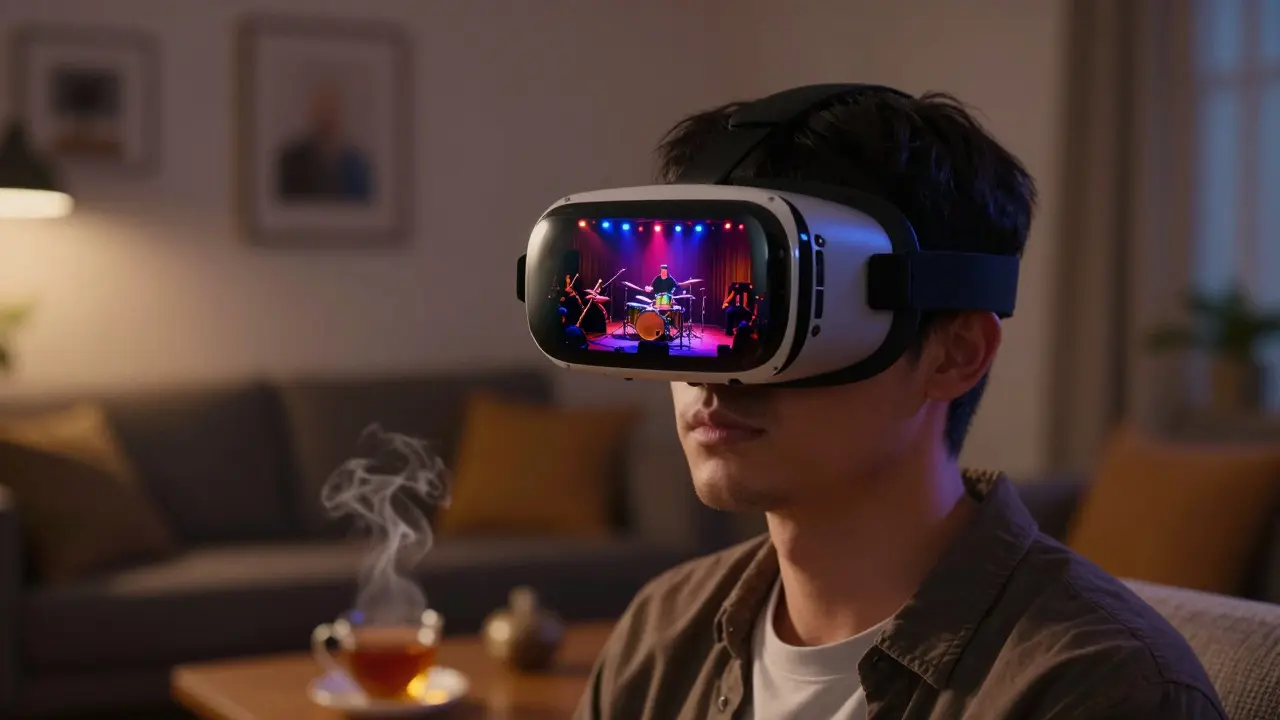
The pandemic changed how we experience live music, and those changes are permanent. Virtual reality (VR) and augmented reality (AR) are entering the jazz scene. Imagine attending a concert at the Blue Note in New York while sitting in your living room in Australia, wearing a VR headset. You can see the sweat on the drummer’s brow and hear the room tone with spatial audio.
This technology solves a major problem: accessibility. Not everyone can travel to jazz capitals. Immersive tech brings the intimacy of a small club to a global audience. However, it cannot fully replace the energy of being in a room with other humans. The best events now offer hybrid models-live performances streamed in high fidelity with interactive elements.
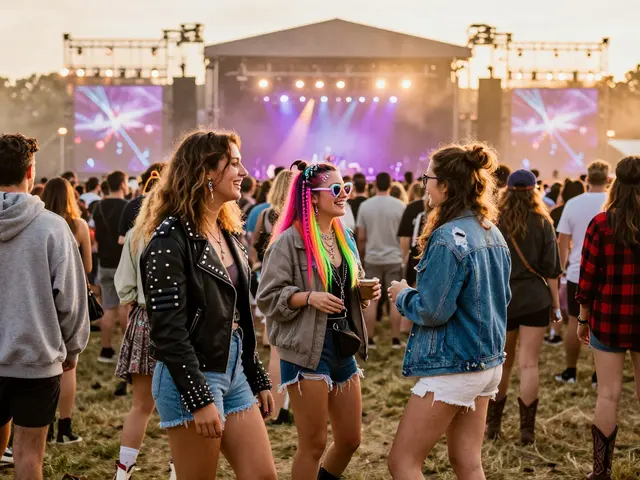
Local venues are adapting too. Many are installing better sound systems and lighting rigs to compete with polished online productions. They are creating "Instagrammable" moments to attract younger crowds who share their experiences socially. The goal is to make the live event worth leaving the house for.
Sustainability and Ethical Production
A less visible but critical trend is sustainability. The music industry is waking up to its environmental impact. Touring involves significant carbon emissions. Vinyl production uses non-biodegradable materials. Digital streaming servers consume vast amounts of energy.
Forward-thinking jazz organizations are addressing this. Festivals are implementing green policies, such as banning single-use plastics and offsetting travel emissions. Record labels are exploring eco-friendly packaging for physical releases. Even individual artists are choosing local collaborations to reduce their footprint. This ethical stance resonates with younger audiences who care about climate action.
It also influences creative choices. Some musicians are incorporating field recordings of nature into their compositions, highlighting environmental themes. This adds a layer of meaning to the music, connecting art with activism. It shows that jazz can be relevant to current societal issues, not just historical ones.
What Does This Mean for Fans?
If you love jazz, the future looks bright but different. You will encounter more experimental sounds. You will need to seek out artists beyond the mainstream playlists. And you will likely engage with music through multiple formats-streaming, live, and virtual. The core spirit of jazz-improvisation, innovation, and expression-remains intact. Only the delivery methods are changing.
Keep an open mind. Listen to a track that blends saxophone with synthesizers. Attend a virtual gig. Support independent artists directly. The genre thrives when we do.
Is traditional jazz disappearing?
No, traditional jazz is not disappearing, but its market share is shrinking relative to fused genres. While pure acoustic jazz has a smaller commercial footprint, it remains vital in educational settings and dedicated niche communities. Many modern artists still study traditional forms deeply before innovating, ensuring the foundation stays strong.
How is AI affecting jazz creativity?
AI acts as a collaborative tool rather than a replacement. It helps musicians generate ideas, explore complex harmonies, and produce music faster. However, the emotional depth and improvisational spontaneity that define jazz come from human performance. Successful artists use AI to enhance, not replace, their unique voice.
Where should I listen to new jazz in 2026?
Start with curated playlists on Spotify and Apple Music, looking for tags like "Modern Jazz," "Jazz Fusion," or "Lo-Fi Jazz." Also, follow independent artists on Bandcamp or Patreon for exclusive content. Local venue websites and social media accounts often highlight emerging talent before they hit mainstream charts.
Can I attend jazz concerts virtually?
Yes, many festivals and clubs now offer virtual ticketing. Platforms like Zoom, specialized VR apps, and live-streaming services provide high-quality audio and video. Some experiences include interactive features, allowing you to chat with artists or other attendees during the performance.
Why is jazz blending with other genres?
Genre-blending attracts diverse audiences and keeps the music fresh. By incorporating elements from hip hop, electronic, or world music, jazz artists reach listeners who might not engage with traditional formats. This evolution ensures the genre’s relevance and financial sustainability in a competitive music market.