The Roots and the Early Jump Era
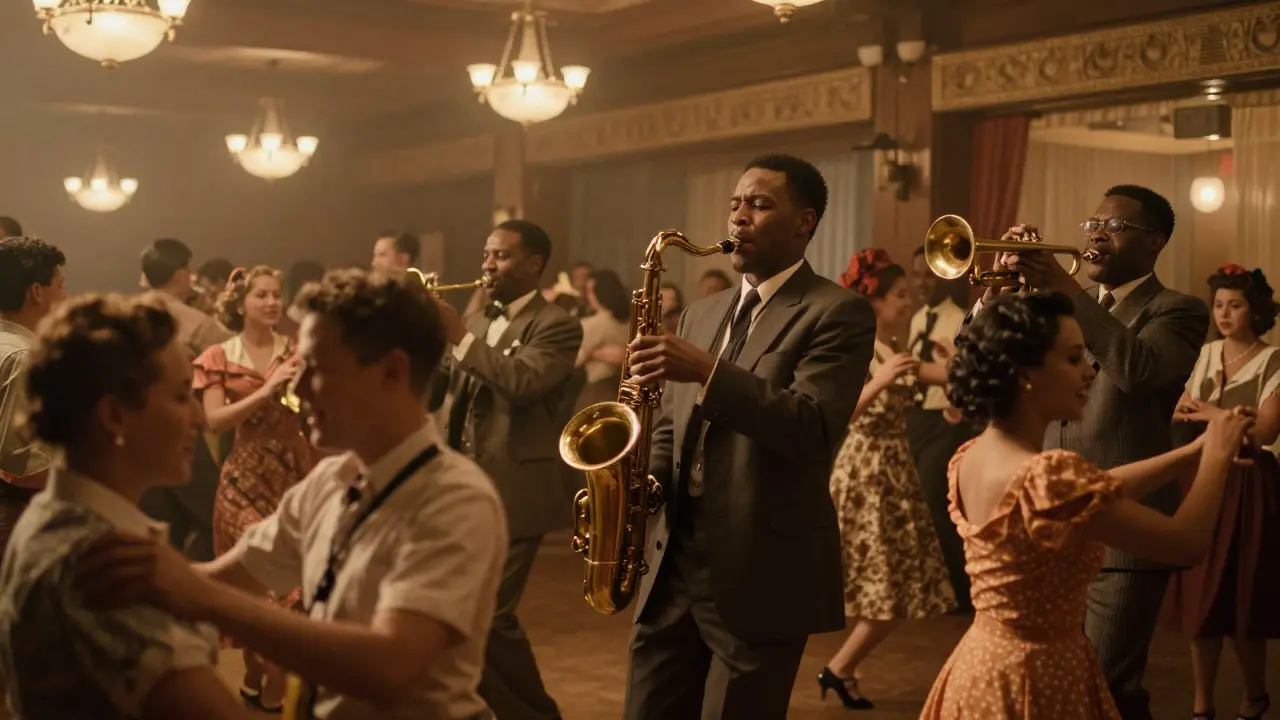
Back in the 1940s, R&B didn't start as the smooth, romantic ballads we associate with it today. It was loud, brassy, and designed for dancing. This era was dominated by Jump Blues, which was essentially a high-energy blend of swing music and traditional blues. Think of it as the party music of the time. Artists like Louis Jordan took the heavy emotional weight of the Delta blues and added a driving beat and a horn section that made people want to move.
The music served a dual purpose. On one hand, it was a sanctuary for African-American communities during the Jim Crow era. On the other, it began to leak into the mainstream, catching the ear of white teenagers who were bored with the stiff pop music of the day. This crossover was the spark that eventually led to the explosion of rock and roll. If you listen to early R&B tracks, you can hear the DNA of everything from Elvis Presley to The Rolling Stones.
The Soul Revolution and the Motown Magic
By the late 1950s and early 60s, the sound shifted. The raw energy of jump blues evolved into something deeper and more spiritual. This is where Soul Music enters the picture. Soul took the call-and-response style of gospel music-the kind you'd hear in a church on a Sunday morning-and applied it to secular songs about love and heartbreak. Ray Charles was a pioneer here, famously blending sacred gospel techniques with worldly blues lyrics.
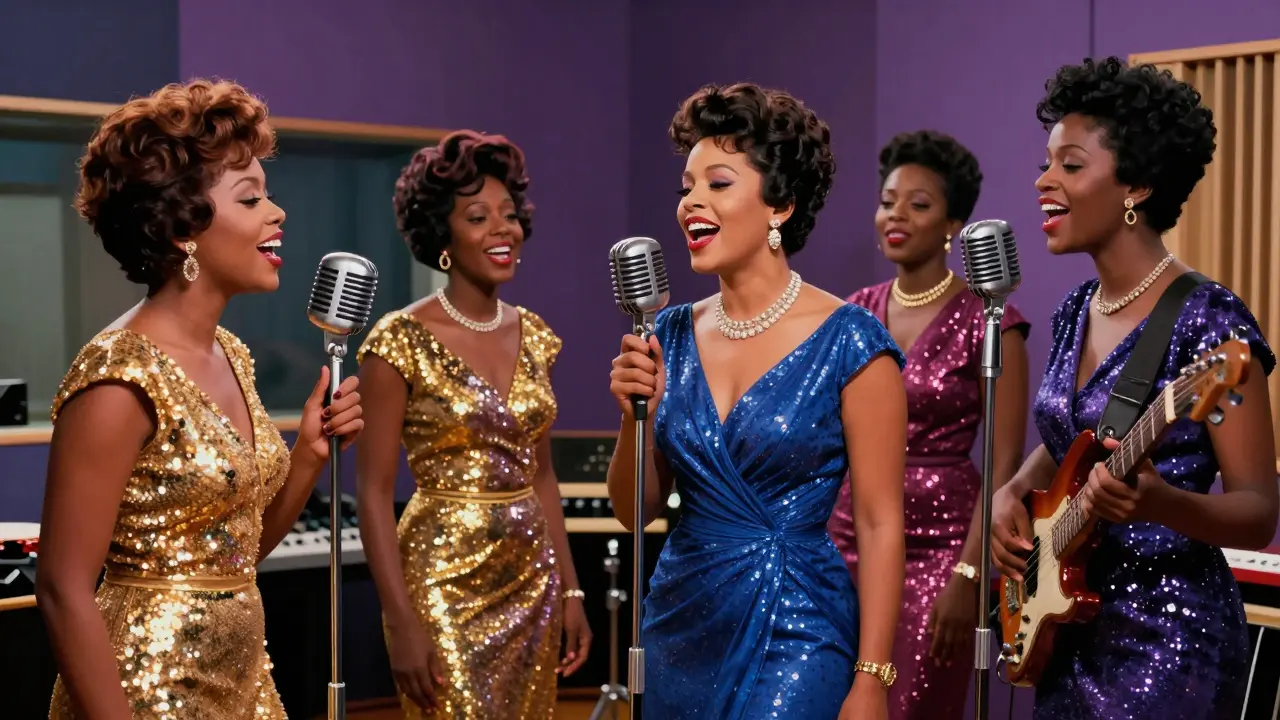
Then came the powerhouse known as Motown. Founded by Berry Gordy Jr. in Detroit, Motown was more than just a record label; it was a hit factory. They implemented a rigorous training system for artists, similar to how a sports team prepares its athletes. The "Motown Sound" was characterized by melodic basslines, tambourines on the backbeat, and polished vocal harmonies. Groups like The Supremes and artists like Marvin Gaye turned R&B into a global phenomenon, proving that music rooted in Black American experience had universal appeal.
| Era | Primary Subgenre | Key Characteristics | Defining Artist |
|---|---|---|---|
| 1940s-50s | Jump Blues | Horns, up-tempo, swing influence | Louis Jordan |
| 1960s | Soul | Gospel influence, emotional depth | Aretha Franklin |
| 1970s | Funk | Heavy bass, syncopation, groove | James Brown |
| 1980s-Present | Contemporary R&B | Synthesizers, hip-hop beats, smooth vocals | Usher / Beyoncé |
Funk: The Rhythm Takes Over
In the 1970s, the "blues" part of R&B took a backseat to the "rhythm." Enter Funk. While soul was about the emotion, funk was about the groove. James Brown shifted the focus from the melody to "The One"-the first beat of the measure. By emphasizing that first beat, he created a rhythmic tension that felt visceral and physical.
Funk stripped away the orchestral polish of Motown and replaced it with raw, syncopated basslines and scratchy guitars. This shift wasn't just musical; it was a statement of pride and power. Funk became the soundtrack for the disco era and later provided the fundamental building blocks for hip-hop. When you hear a modern producer sample a heavy bass loop from the 70s, they are tapping into the legacy of funk.
The Transition to Contemporary R&B
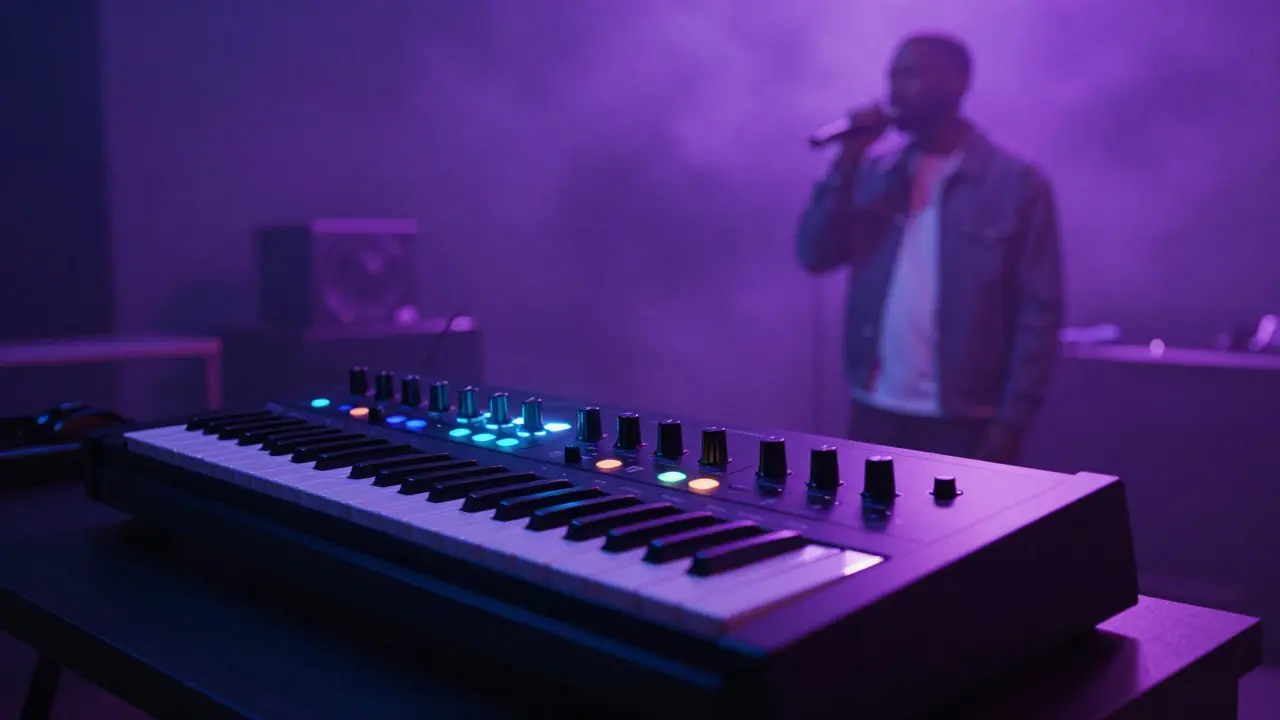
As we moved into the 1980s, technology changed the game. The introduction of the Drum Machine and digital synthesizers allowed artists to create a cleaner, more atmospheric sound. This gave birth to what we now call Contemporary R&B. It moved away from the live band feel and toward a more produced, electronic aesthetic.
The 90s saw a fascinating merger. R&B and hip-hop, which had grown up side-by-side, finally collided. This created the "New Jack Swing" era, where artists like Teddy Riley blended soulful vocals with hard-hitting hip-hop beats. Suddenly, you had songs that could be played in a club and on a romantic date. This versatility is why Rhythm and Blues remains so dominant today. Whether it's the atmospheric "PBR&B" (alternative R&B) of the 2010s or the high-gloss pop-R&B of current charts, the core remains the same: a focus on vocal agility and emotional honesty.
Why R&B Still Matters Today
You might wonder why a genre that started with horn sections and gospel choirs still works in the age of TikTok and AI. The answer is simple: humans never stop feeling. R&B is the music of intimacy. Whether it's the pain of a breakup or the rush of new love, the genre provides a vocabulary for emotions that words alone can't capture.
Modern artists like SZA or The Weeknd might use different tools-like Auto-Tune or moody synth pads-but they are following the same blueprint as the artists at Stax or Motown. They are searching for that soulful connection. The genre's ability to absorb other styles-from jazz and rock to electronic and rap-makes it a living organism that evolves as the world changes.
Common Pitfalls in Understanding R&B
A big mistake people make is treating R&B as a single, static style. If you think R&B is just "slow songs," you're missing half the story. It's just as much about the dance floor as it is about the bedroom. Another common error is ignoring the deep connection between R&B and the Black church. You cannot fully appreciate the vocal runs and emotional crescendos of a soul singer without understanding the tradition of the gospel choir.
Additionally, don't confuse "Soul" and "R&B" as completely different things. Soul is a subset of the broader R&B umbrella. While all soul music is R&B, not all R&B (like a 1940s jump blues track or a 2024 synth-pop R&B song) is necessarily "soul" in the traditional sense.
What is the difference between Soul and R&B?
R&B is the broad umbrella term that encompasses everything from the early jump blues of the 40s to today's contemporary hits. Soul is a more specific style that emerged in the 50s and 60s, heavily influenced by gospel music, focusing on raw emotion and spiritual depth. Essentially, Soul is a soulful branch of the larger R&B family tree.
Who are the most influential artists in R&B history?
It's hard to pick just a few, but Ray Charles is essential for bridging gospel and blues. Aretha Franklin defined the sound of Soul. Marvin Gaye and Stevie Wonder pushed the genre into more complex, socially conscious territory. In the modern era, artists like Beyoncé and Usher have redefined how R&B blends with pop and hip-hop for a global audience.
How did R&B lead to the creation of Rock and Roll?
In the late 40s and early 50s, the driving beats and electric guitars of R&B (specifically jump blues) began to influence white musicians. When artists like Chuck Berry blended the R&B rhythm with country music and a rockabilly attitude, the result was Rock and Roll. Much of the early rock sound was essentially R&B played with a different marketing angle.
What is "New Jack Swing"?
New Jack Swing was a music style that dominated the late 80s and early 90s. It combined the soulful vocals of R&B with the rhythmic, sampled beats of hip-hop and dance music. It's characterized by a swing beat and a high-energy, choreographed performance style, popularized by artists like Bobby Brown and Janet Jackson.
Is modern pop music considered R&B?
Many modern pop songs use R&B structures, vocal runs, and rhythmic patterns, but they aren't always "R&B" in the pure sense. However, the line has blurred significantly. Most current top 40 hits owe a massive debt to R&B's influence on melody and production, making the two genres closely intertwined today.