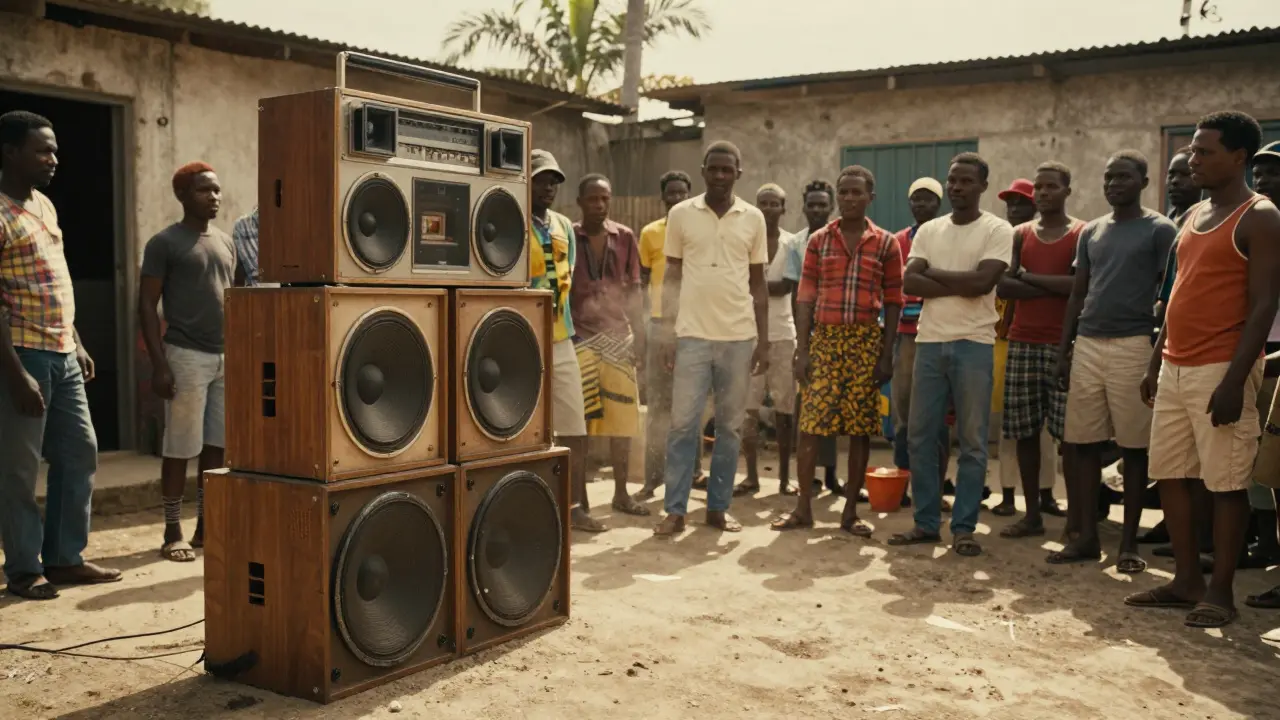
Reggae is not just a rhythm you dance to; it is a voice for the silenced. When you listen to the heavy basslines and off-beat guitar chops of reggae music is a genre that emerged in Jamaica during the late 1960s, characterized by its distinctive rhythmic patterns and lyrics often addressing social issues, spirituality, and political resistance, you are hearing the heartbeat of a nation struggling against oppression. This music did not come from studios designed for pop hits. It came from the streets of Kingston, from sound systems set up in concrete yards, and from the lived experiences of people who had been marginalized for generations.
The title suggests that reggae acts as a mirror. This is accurate. It reflects the harsh realities of poverty, colonialism, and systemic racism while simultaneously offering a vision of hope, unity, and spiritual redemption. To understand why this genre resonates so deeply with audiences worldwide, we must look beyond the melody and examine the social soil from which it grew.
The Roots of Resistance: From Ska to Reggae
To grasp the weight of reggae’s message, you have to understand its lineage. Reggae did not appear out of nowhere. It evolved from ska is an upbeat Jamaican music style from the late 1950s and early 1960s that combined mento, calypso, jazz, and American R&B and rocksteady is a slower, smoother successor to ska that emphasized romantic themes and vocal harmonies. While ska was fast and energetic, rocksteady slowed things down, focusing more on vocals. But it was when the tempo dropped further and the backbeat became dominant that reggae was born.
This musical shift mirrored a political one. In the 1960s, Jamaica was grappling with post-colonial identity. The country had gained independence from Britain in 1962, but the economic and social structures remained heavily skewed toward the white elite. The black majority, particularly those living in urban slums like Trenchtown, faced unemployment, poor housing, and police brutality. Reggae became the soundtrack of this discontent. Unlike the polished pop music imported from America or Europe, reggae was raw, authentic, and unapologetically local.
The production techniques themselves reflected resourcefulness. Producers like Lee "Scratch" Perry and King Tubby worked with limited equipment, creating innovative sounds by manipulating tape loops, using echo chambers, and emphasizing the drum and bass track. This "dub" technique stripped away the vocals, leaving space for the rhythm to speak. It was a metaphor for the era: even without words, the struggle was audible.
Rastafari: The Spiritual Core of Reggae
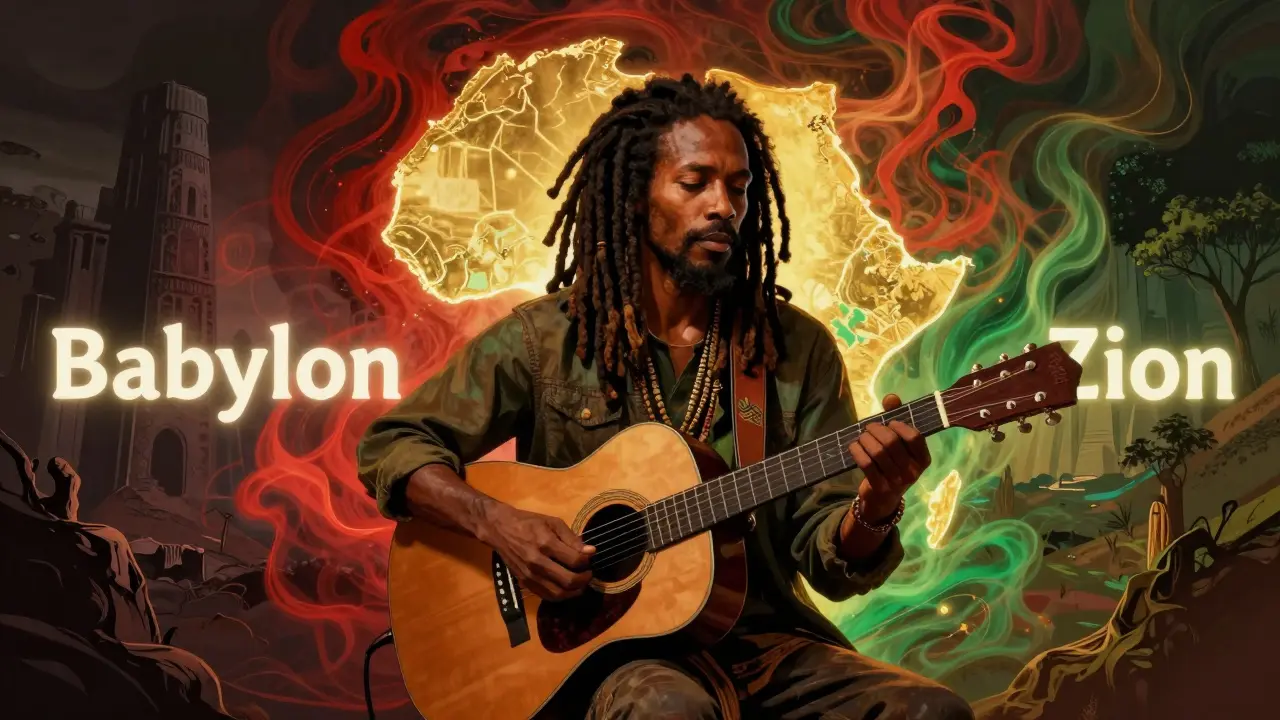
You cannot separate reggae from Rastafarianism is a Afro-Jamaican religious movement that views Emperor Haile Selassie I of Ethiopia as the messiah and emphasizes African heritage, natural living, and resistance to Babylonian systems. For many reggae artists, Rastafari provided the theological framework for their social critique. The concept of "Babylon" refers to the oppressive Western system-colonial governments, corrupt institutions, and materialistic culture. In contrast, "Zion" represents the promised land, both literally (Ethiopia) and spiritually (a state of consciousness free from oppression).
This spiritual dimension gave reggae its moral authority. Songs were not just complaints; they were prayers and prophecies. Artists like Bob Marley is a Jamaican singer-songwriter and musician who became the international ambassador for reggae music and a symbol of resistance and peace used his platform to spread messages of love, unity, and liberation. His song "Get Up, Stand Up" is a direct call to action against injustice, urging listeners to fight for their rights rather than waiting for salvation.
Rastafarian beliefs also influenced the lifestyle associated with reggae. The use of cannabis, known as "herb," was seen as a sacred herb for meditation and wisdom. Natural hair (dreadlocks) became a symbol of pride and rejection of Eurocentric beauty standards. These elements were not mere fashion choices; they were acts of defiance against a society that sought to erase African identity.
Bob Marley and the Global Stage
While many artists contributed to the genre, Bob Marley & The Wailers brought reggae to the world stage. Their album Catch a Fire (1973) was a turning point, marking the first time reggae was marketed internationally as a serious artistic endeavor. Marley’s charisma, combined with the band’s tight musicianship, made reggae accessible to audiences who might otherwise have dismissed it as exotic novelty music.
Marley’s lyrics addressed universal themes of human suffering and resilience. Songs like "Redemption Song" and "War" transcended cultural boundaries, resonating with civil rights movements in the US, anti-apartheid struggles in South Africa, and indigenous rights campaigns globally. He became a symbol of hope for oppressed peoples everywhere. However, this global success also led to commercialization. As reggae became profitable, some critics argued that its radical edge was being dulled to appeal to Western markets.
Despite this, the core message remained intact. Marley’s assassination in 1981 only cemented his legacy as a martyr for peace and justice. Today, his image is ubiquitous, appearing on t-shirts, posters, and murals around the world. Yet, it is crucial to remember that Marley was part of a larger movement. Artists like Peter Tosh, Bunny Wailer, and Burning Spear continued to push the boundaries of roots reggae, keeping the flame of resistance alive.
Dancehall: Evolution and Controversy
In the 1980s, reggae underwent another transformation with the rise of dancehall is a subgenre of reggae that emerged in the late 1970s and 1980s, characterized by digital instrumentation, faster tempos, and a focus on party anthems and street culture. Unlike roots reggae, which emphasized live instruments and spiritual messages, dancehall relied on drum machines and synthesizers. The lyrics shifted from social commentary to topics like dancing, fashion, and sometimes explicit sexual content.
This shift sparked debate within the community. Purists argued that dancehall abandoned the political soul of reggae. Others saw it as a natural evolution, reflecting the changing realities of Jamaican youth culture. Dancehall gave voice to the everyday lives of young people in the ghettos, celebrating their creativity and resilience. It also introduced new forms of expression, such as toasting (rapping over instrumental tracks), which would later influence hip hop.
However, dancehall also faced criticism for promoting misogyny and violence. Some lyrics glorified crime and objectified women, leading to calls for censorship. This controversy highlights the complexity of reggae as a mirror. It does not always reflect an idealized version of society; sometimes it shows the ugly truths. Engaging with these difficult aspects is essential for understanding the full scope of the genre’s impact.
| Feature | Roots Reggae | Dancehall |
|---|---|---|
| Era | 1970s-early 1980s | Late 1970s-present |
| Instrumentation | Live bands, horns, bass | Digital drums, synthesizers |
| Themes | Spirituality, politics, resistance | Party, street life, sexuality |
| Vocal Style | Singing, harmonies | Toasting, deejaying |
| Key Artists | Bob Marley, Peter Tosh | Shabba Ranks, Sean Paul |
Reggae Beyond Jamaica: Global Influence
Reggae’s influence extends far beyond the Caribbean. It has inspired movements and genres across the globe. In the UK, British reggae played a vital role in the multicultural experience of immigrants from the Windrush generation. Bands like Steel Pulse and UB40 blended reggae rhythms with British social issues, addressing racism and unemployment in cities like London and Birmingham.
In Latin America, reggae merged with local traditions to create unique fusions. In Panama, where there is a significant Afro-Caribbean population, reggae became a tool for asserting African heritage. Similarly, in Brazil, reggae influenced funk carioca and other urban styles. Even in Japan, reggae has a dedicated following, with festivals attracting thousands of fans.
The genre’s ability to adapt and resonate with different cultures speaks to its universal message. Whether in Tokyo or Toronto, reggae reminds listeners of shared struggles and hopes. It fosters a sense of global solidarity, connecting disparate communities through rhythm and rhyme.
Modern Reggae: Keeping the Flame Alive
Today, reggae continues to evolve. New generations of artists are picking up the baton, addressing contemporary issues like climate change, digital surveillance, and economic inequality. Artists like Protoje, Koffee, and Chronixx are reviving the roots reggae sound while infusing it with modern production techniques. Koffee, in particular, made history by becoming the youngest artist to win a Grammy Award for Best Reggae Album in 2020, signaling a renewed interest in authentic reggae among younger audiences.
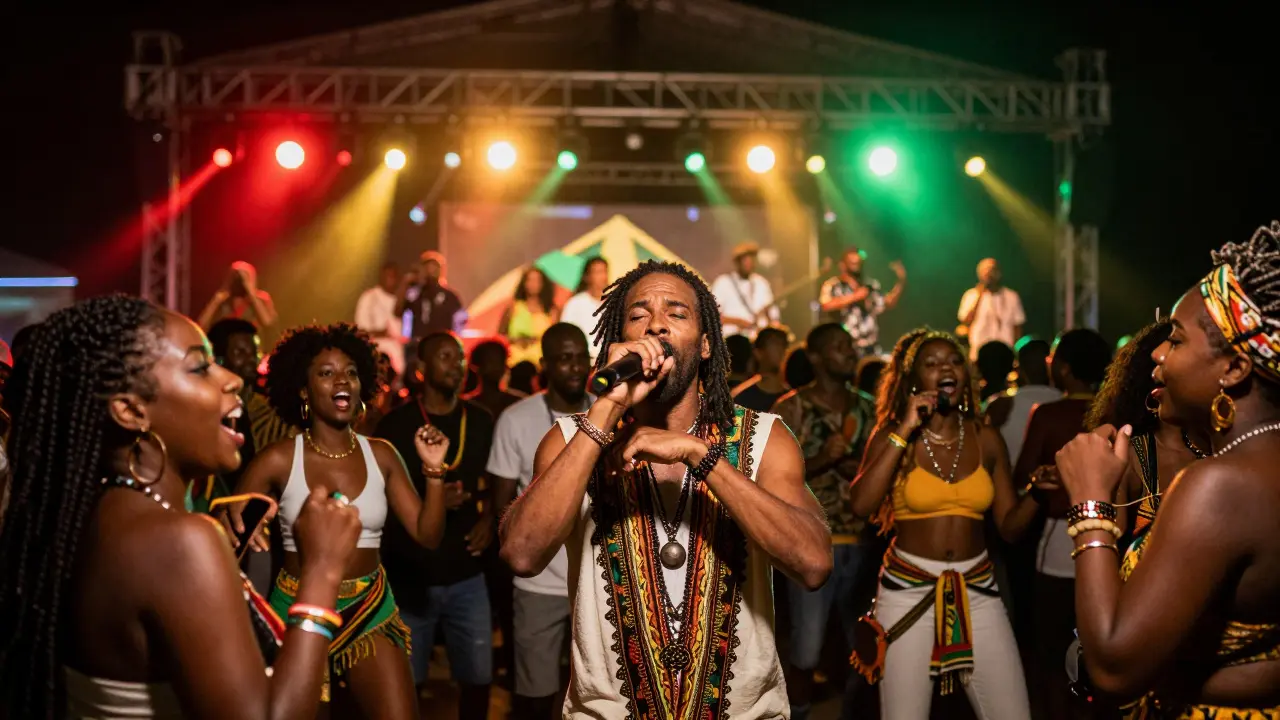
Festivals like Reggae Sumfest in Montego Bay and One Love Peace Festival in Kingston remain important hubs for the culture. These events celebrate the music’s heritage while providing platforms for emerging talent. They also serve as spaces for community building and education, teaching attendees about the history and values behind the songs.
However, challenges remain. Commercial pressures continue to threaten the integrity of the genre. Streaming algorithms favor catchy hooks over meaningful lyrics, potentially diluting the message. Additionally, gentrification in Jamaica threatens the very neighborhoods that birthed reggae, displacing the artists and fans who keep the culture alive.
Conclusion: The Enduring Power of Reggae
Reggae music remains a powerful mirror reflecting social realities because it refuses to look away. It confronts injustice, celebrates resilience, and offers hope. From the streets of Kingston to stages around the world, reggae continues to inspire change and foster connection. As long as there are inequalities to fight and dreams to chase, reggae will have a voice to raise.
What makes reggae different from other music genres?
Reggae is distinguished by its unique rhythmic structure, particularly the emphasis on the off-beat (the "skank") and the prominent bass line. Unlike many other genres, reggae often carries deep lyrical content focused on social justice, spirituality, and political resistance, rooted in the experiences of marginalized communities in Jamaica.
How did Rastafarianism influence reggae music?
Rastafarianism provided the spiritual and philosophical foundation for much of roots reggae. Concepts like "Babylon" (oppressive systems) and "Zion" (liberation) shaped the lyrics, encouraging themes of African pride, resistance to colonialism, and natural living. Many reggae artists identify as Rastas, incorporating their beliefs into their music and lifestyle.
Who is considered the father of reggae?
While reggae was a collective effort, Bob Marley is often cited as its most famous ambassador. However, pioneers like Clement "Coxsone" Dodd, Prince Buster, and producers like Lee "Scratch" Perry played crucial roles in developing the sound. Bob Marley popularized it globally, making him the face of the genre.
What is the difference between roots reggae and dancehall?
Roots reggae, dominant in the 1970s, features live instrumentation, spiritual/political lyrics, and a slower tempo. Dancehall, emerging in the late 1970s/80s, uses digital instruments, faster beats, and focuses more on party themes, street culture, and toasting (rapping). Dancehall is generally more commercially oriented and less overtly political than roots reggae.
Why is reggae still relevant today?
Reggae remains relevant because its core themes-social justice, equality, and resistance against oppression-are timeless. New artists continue to address current issues like climate change and systemic racism using reggae’s framework. Its message of unity and hope resonates with diverse global audiences facing similar challenges.