Imagine starting your day without the noise of traffic or news alerts, just pure sound. For many of us, the world feels chaotic. We scroll through endless feeds, check emails constantly, and rarely pause to breathe. Classical Music is a genre of art music produced in Western culture, often characterized by complex structures and emotional depth. Unlike pop hits designed to grab attention instantly, classical compositions offer a different rhythm. They can slow your heart rate during stress or wake up your brain during morning coffee. You don't need a degree in music theory to enjoy this. You simply need to know where to start.
The idea that classical music belongs only in grand concert halls is outdated. Today, high-fidelity recordings are available instantly on your phone. In March 2026, streaming platforms have evolved significantly. Algorithms understand nuance better than ever before, offering curated playlists that fit specific moods. Whether you are in Perth working a late shift at the port or a student in London revising for exams, the benefits remain the same.
Choosing the Right Pieces for Your Mood
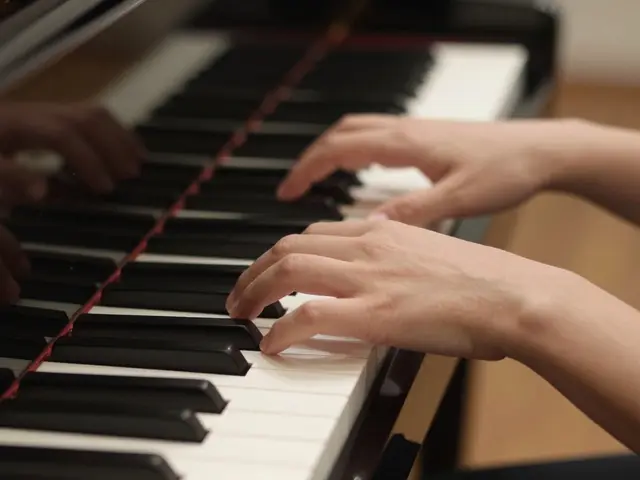
You cannot play a fast-paced concerto while trying to fall asleep. One of the biggest mistakes beginners make is treating all classical music as a single product. A violin sonata sounds vastly different from a piano nocturne. You need to match the tempo to your activity.
If you are looking for energy, try something rhythmic. Vivaldi is an Italian Baroque composer known for his energetic four-part cycles of concertos, specifically "The Four Seasons." The "Spring" movement has rapid violin passages that mimic the feeling of birds singing and running water. Listen to this while driving or preparing breakfast. It gets blood flowing without requiring your full attention.
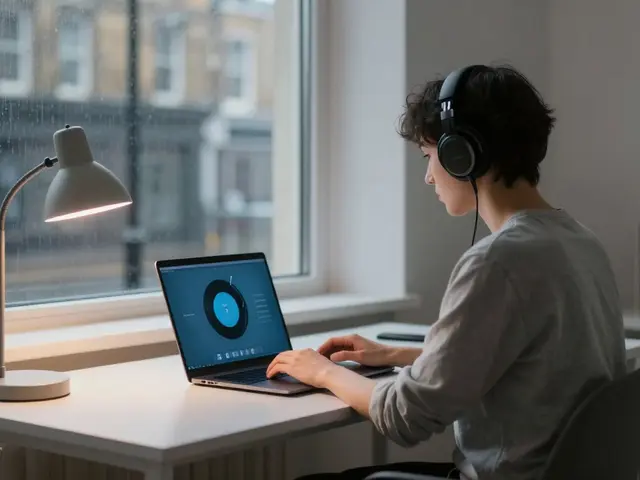
Conversely, when work demands deep focus, you need steady repetition. The brain enters a state called "flow" when external stimuli are constant but non-distracting. Johann Sebastian Bach is famous for mathematical precision in his writing. His Cello Suites provide a predictable harmonic structure that supports concentration. Put these on low volume while coding or writing reports. The lack of lyrics helps prevent language processing conflicts in your brain.
Crafting Your Morning Soundtrack
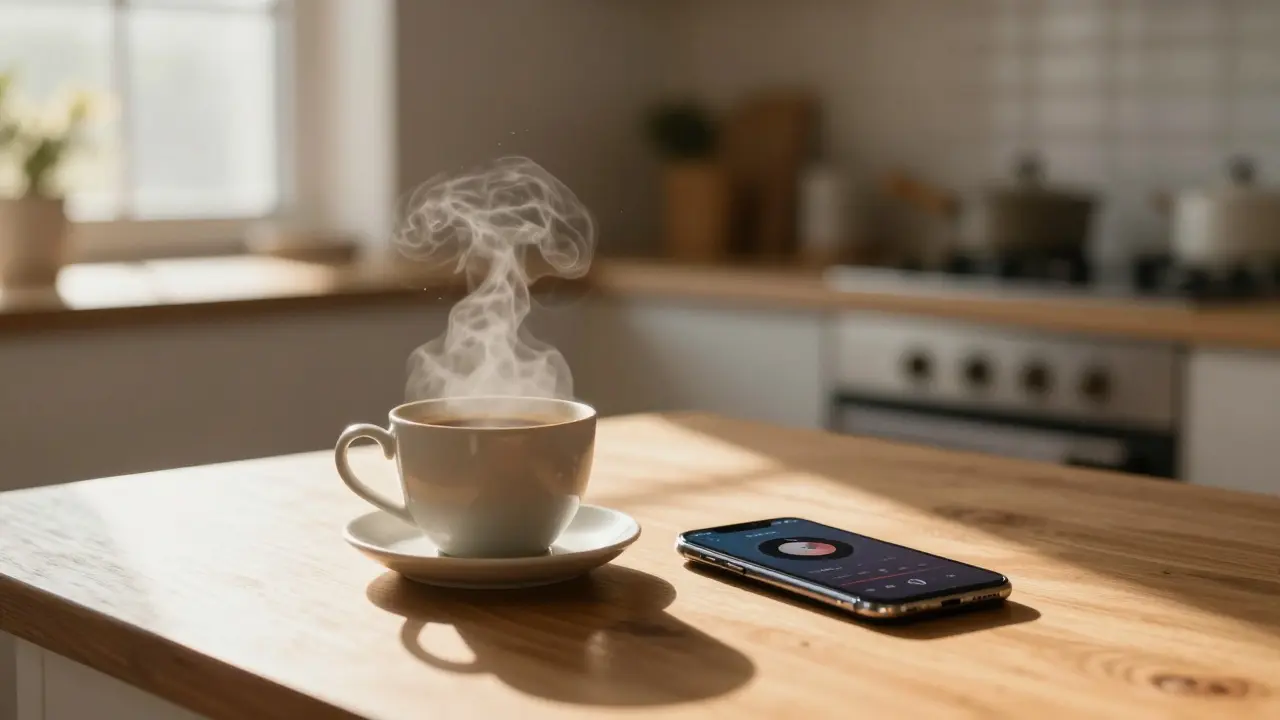
Morning routines set the tone for hours ahead. Many people rush through their coffee, staring at screens. Replace that silence with intention. Create a dedicated "Wake Up" playlist that runs for exactly thirty minutes.
- 0-5 Minutes: Start with soft dynamics. Try Debussy's "Clair de Lune" to transition from sleep.
- 5-15 Minutes: Move to mid-tempo rhythms. Grieg's "Morning Mood" works well here.
- 15-30 Minutes: Finish with uplifting melodies. Elgar's "Salut d'Amour" offers a warm, major-key close.
This progression guides your physiology. You begin relaxed and become gradually alert. Keep the volume moderate so it blends with kitchen noises rather than dominating them.
Navigating Streaming Services Effectively
With access to millions of tracks, choice paralysis is real. Platforms like Spotify or Tidal categorize music differently. You need to know the right search terms to find high-quality audio.
| Platform | Strength | Best For |
|---|---|---|
| Spotify | Curated Playlists | Casual listeners, mood matching |
| Tidal | Hi-Fi Audio Quality | Audiophiles, detail-focused listening |
| Apple Music | Catalog Organization | iOS users, library management |
| Deezer Classics | Symphony Specialization | Hardcore fans, rare archives |
Search terms matter immensely. Avoid generic queries like "sad music." Instead, search by composer name or specific piece. "Rachmaninoff Piano Concerto No. 2" yields much more consistent results than "romantic classical." Also, look for conductor names. Sir András Schiff or Martha Argerich often produce definitive interpretations that distinguish themselves from average recordings.
The Role of Live Concerts in Your Lifestyle
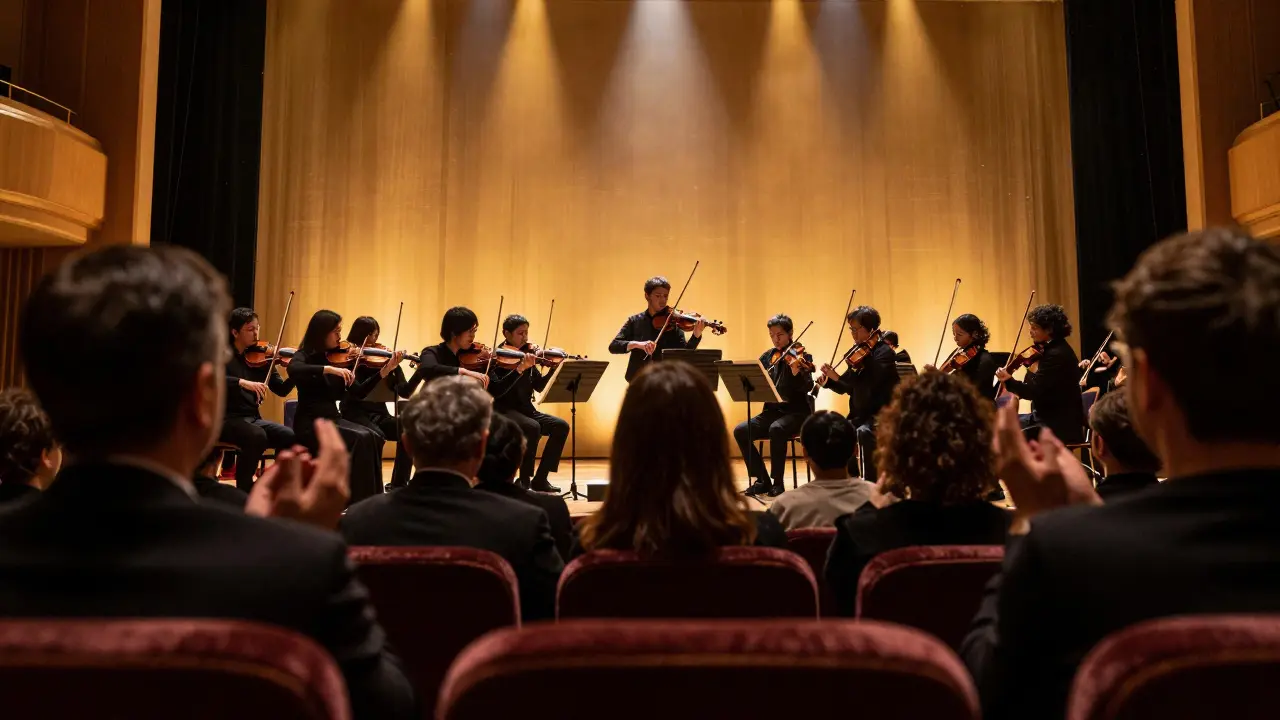
Digital convenience shouldn't replace live experience. There is a visceral difference between hearing a symphony through speakers versus sitting in a hall where vibrations travel through the floorboards. In cities like Perth, venues like the Elizabeth Quay Concert Hall or the Arts Centre host local orchestras regularly.
Tickets for smaller ensemble nights are often affordable. Student discounts apply at many arts centers. Even attending one concert every three months creates a powerful anchor. Seeing musicians sweat under stage lights humanizes the art. You realize these are people, not ghosts in a bottle. The social connection of sharing silence after a finale strengthens community bonds.
If physical attendance isn't possible, livestreamed concerts are now standard. The Vienna Philharmonic broadcasts digitally globally. High-definition streams capture bow movements and breath, bridging the gap for home listeners.
Handling Information Overload
One barrier remains: the sheer history of the genre. Knowing that Wagner wrote operas and Satie wrote minimal piano pieces can feel overwhelming. Do not force yourself to learn history immediately. Treat discovery as passive.
Use "Composer Spotlights" features found in apps. These short documentaries explain the context without demanding study. When you hear a track, glance at the date. Knowing a piece was written in 1790 changes how you perceive the tension compared to something composed in 1990. Time period influences the style. Baroque (1600-1750) favors ornamentation. Romantic (1830-1900) favors emotion. Modern (1900+) favors experimentation. Understanding this timeline makes the music less abstract.
Overcoming Common Listening Barriers
Silence can feel uncomfortable when you're used to background noise. Filling that void with a twenty-minute piece might seem daunting. Break down the commitment. Set a timer for ten minutes. If you find yourself annoyed, switch genres.
Anxiety can arise from thinking you "should" like it. Taste is subjective. If you prefer Stravinsky's chaos over Beethoven's symmetry, own that preference. Some modernist compositions are intentionally jarring. Not everything was made to be soothing. Accepting variety prevents frustration. If a piece doesn't move you, skip it without guilt.
Another issue involves equipment. Poor speakers distort the dynamic range of orchestras. Headphones help immensely. Noise-canceling headsets isolate the frequencies, allowing you to hear the subtle shifts in bass violins and harps. Invest in decent peripherals; the return on investment for enjoyment is immediate.
Integrating Music with Physical Wellness
Music affects physiology directly. Slow, sustained movements in Adagio sections lower cortisol levels. Studies consistently link regular exposure to complex harmonic structures with reduced stress markers.
Create a specific wind-down ritual before bed. Remove phones. Dim lights. Play something like Chopin's "Nocturnes." Volume should be barely audible, acting almost like white noise. This cues the body that the day is closing. Consistency trains your nervous system to anticipate rest.
During exercise, match tempo to heart rate. Fast allegros support running cadence. Heavy percussion in Mahler symphonies can power leg lifts during weightlifting. Syncing biological rhythms with musical beats increases endurance efficiency. You are essentially using music as a metronome for your effort.
Beyond Solo Listening: Sharing the Experience
Bringing others into the journey amplifies the joy. Invite friends over for a "listening party" instead of a movie night. Explain nothing, just press play. Ask them what they feel. Different backgrounds evoke different imagery. A farmer hears harvest in the horns; a city planner hears structure in the flutes.
Parents introducing children early get lifelong enthusiasts. Lullabies based on classical themes are widely available. Toddlers respond to patterns. Playing Brahms' "Lullaby" creates bedtime safety. Early auditory development relies heavily on exposure to varied timbres. This shapes neural pathways for auditory processing later in life.
There is no expiration date on appreciation. Starting this habit today yields compound interest in your quality of life. The initial friction disappears once you identify which keys resonate with your soul. Keep the volume reasonable, keep the schedule flexible, and let the music work on you while you live.