
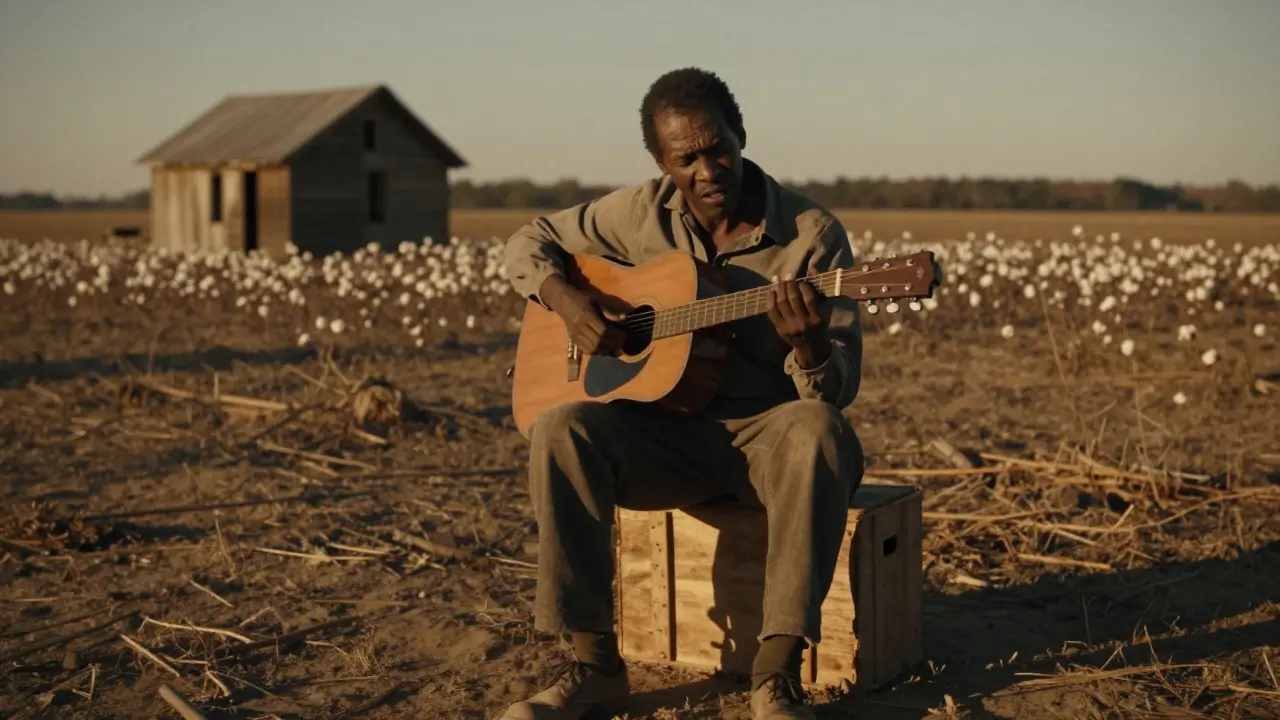
There is a specific weight to the sound of blues music. It’s not just a genre; it’s a feeling that hits you in the chest. When we talk about the greatest blues albums of all time, we aren’t just listing songs with catchy riffs. We are talking about records that changed how humans express pain, joy, and resilience. These albums didn’t just sell copies; they built the foundation for rock, soul, and R&B.
If you’ve ever wondered why your favorite rock band sounds the way they do, the answer usually lies in these recordings. From the dusty juke joints of Mississippi to the smoky clubs of Chicago, these records capture a moment in time. They are raw, honest, and incredibly powerful. Whether you are a lifelong fan or someone just starting to explore this rich history, there are certain records you need to hear to truly understand the soul of American music.
The Birth of the Sound: Delta Blues Essentials
To understand where the blues came from, you have to go back to the Mississippi Delta. This region gave us the most primal form of the genre. There were no bands, no amplifiers, and often no other instruments besides an acoustic guitar and a voice. The isolation of the delta created a sound that was deeply personal and intensely emotional.
| Feature | Delta Blues | Urban/Chicago Blues |
|---|---|---|
| Instrumentation | Acoustic guitar, harmonica, vocals | Electric guitar, piano, bass, drums, horns |
| Vibe | Rural, solitary, raw | Urban, energetic, club-ready |
| Key Era | 1920s - 1940s | 1940s - 1960s |
| Influence | Folk, work songs, field hollers | Jazz, gospel, early R&B |
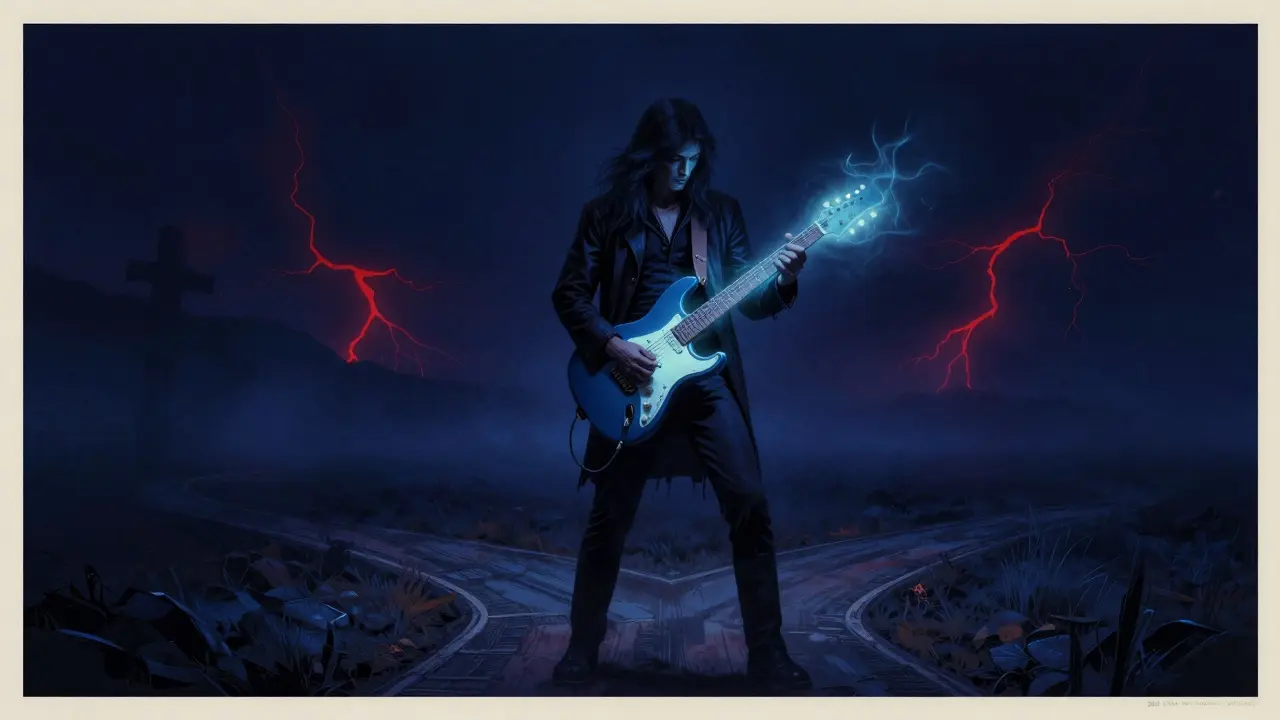
Robert Johnson's "King of the Delta Blues Singers" is arguably the most famous compilation in blues history. Released posthumously in 1961, this album collected twelve tracks recorded by Johnson in 1936 and 1937. His voice was haunting, and his guitar playing was technically advanced for its time. Songs like "Cross Road Blues" and "Hellhound on My Trail" introduced the world to the legend of selling one’s soul at the crossroads. While the myth is fictional, the emotion in his performance is undeniably real. You can hear the struggle and the fear in every note.
Another cornerstone is Charley Patton's "Father of the Delta Blues". Patton was older than Johnson and influenced many of the greats who followed. His style was more rhythmic and percussive. He used his guitar almost like a drum kit, creating a beat that could carry a whole party. Listening to Patton feels like stepping back into the 1920s South. It’s rough around the edges, but that’s exactly what makes it authentic.
The Electric Revolution: Chicago Blues Takes Over
As African Americans migrated north during the Great Migration, the blues moved with them. In cities like Chicago, the sound had to change. To be heard over the noise of busy streets and crowded bars, musicians plugged in. The electric guitar became the star, and small combos replaced solo performers. This shift created the Chicago Blues sound, which was louder, faster, and more aggressive.
Muddy Waters is the king of this era. His album "At Newport 1960" captures the energy of live performance perfectly. Recorded at the Newport Folk Festival, this record shows Muddy leading a tight band including Little Walter on harmonica and Jimmy Rogers on guitar. The track "Mannish Boy" is a masterclass in groove. It’s not just about technical skill; it’s about feel. Muddy’s voice commands attention, and the band locks in behind him with precision. This album proved that the blues could compete with any other popular music of the day.
B.B. King brought a different flavor to the electric blues. His album "Live at the Regal", recorded in 1965, is a testament to showmanship and musicality. Unlike Muddy’s driving rhythm, B.B.’s style was more melodic and vocal-like. His guitar, named Lucille, would sing along with his voice rather than just accompany it. The energy in this recording is palpable. You can hear the audience reacting, cheering, and clapping. It’s a snapshot of a man who knew exactly how to connect with a crowd.

Soulful Stories: Texas Blues and Beyond
Not all urban blues sounded like Chicago. Texas had its own distinct style, often smoother and more jazz-influenced. T-Bone Walker pioneered the use of the electric guitar in a sophisticated way. His album "T-Bone Walks" showcases clean tones and complex chords. He showed that the blues could be elegant and refined without losing its emotional core. Artists like Freddie King and Stevie Ray Vaughan later drew heavily from this tradition.
Howlin’ Wolf represents another side of the Chicago scene. If Muddy Waters was the cool, steady leader, Howlin’ Wolf was the terrifying force of nature. His album "Moanin' in the Moonlight" features some of his most iconic tracks. His voice alone is enough to make your hair stand on end. Deep, gravelly, and intense, it carries a weight that few other singers can match. The song "Smokestack Lightnin’" is a perfect example of his power. It’s simple, repetitive, and utterly captivating.
The British Invasion and Modern Interpretations
In the 1960s, British bands like The Rolling Stones and Cream discovered American blues records. They amplified the sound further and introduced it to a global audience. This led to a renaissance of interest in the original artists. Eric Clapton’s work with John Mayall & The Bluesbreakers, particularly the album "Blues Breakers with Eric Clapton", bridged the gap between traditional blues and rock. The track "Crossroads," a cover of Robert Johnson, became an anthem for guitarists worldwide.
Later generations continued to push the boundaries. Stevie Ray Vaughan’s "Texas Flood" (1983) revived interest in blues-rock in the 1980s. With blistering solos and powerful vocals, SRV proved that the blues was still alive and well. More recently, artists like Gary Clark Jr. and Joe Bonamassa have kept the flame burning, blending traditional elements with modern production techniques.
Why These Albums Matter Today
You might wonder why you should listen to old blues records in 2026. The answer is simple: authenticity. In a world filled with auto-tune and digital perfection, these albums offer something rare-human imperfection. You can hear the breath before a verse, the squeak of fingers on strings, and the crackle of vinyl. These details remind us that music is made by people, for people.
Moreover, the themes explored in these albums are timeless. Love, loss, hardship, and redemption are universal experiences. When you listen to Bessie Smith sing about heartbreak or Muddy Waters talk about survival, you’re connecting with emotions that transcend time and place. These records provide a historical context for understanding social issues and cultural movements.
For musicians, studying these albums is essential education. They teach you about phrasing, dynamics, and storytelling. Even if you don’t play an instrument, analyzing how these artists structure their songs can improve your appreciation of music as a whole. It’s like learning the grammar of a language-you start to see patterns and connections you missed before.
Building Your Essential Blues Collection
If you want to start building a collection of blues albums, focus on diversity. Don’t just stick to one subgenre. Try to include examples from Delta, Chicago, Texas, and even jump blues. Look for live recordings when possible, as they often capture the spontaneity and energy of the performance better than studio sessions.
- Start with the classics: Get Muddy Waters’ "At Newport 1960" and B.B. King’s "Live at the Regal." These are safe bets that showcase the best of Chicago blues.
- Explore the roots: Pick up Robert Johnson’s "King of the Delta Blues Singers" to understand the origins of the genre.
- Add variety: Include T-Bone Walker for a smoother, jazzier take and Howlin’ Wolf for raw power.
- Check out modern interpretations: Stevie Ray Vaughan’s "Texas Flood" offers a contemporary perspective on traditional styles.
Remember, there’s no right or wrong way to enjoy blues music. Some people prefer the slow, mournful ballads, while others love the upbeat shuffles. Experiment with different eras and artists until you find what resonates with you. The beauty of the blues is its accessibility-it speaks directly to the heart.
What is the difference between Delta Blues and Chicago Blues?
Delta Blues originated in the Mississippi Delta and is characterized by acoustic instrumentation, primarily guitar and vocals. It tends to be slower and more introspective. Chicago Blues developed later as migrants moved north. It incorporates electric guitars, drums, and horns, resulting in a louder, more rhythmic sound suitable for urban venues.
Who is considered the father of the blues?
While several artists contributed to the development of the blues, Charley Patton is often referred to as the "Father of the Delta Blues" due to his influence on later musicians like Robert Johnson. However, W.C. Handy is sometimes called the "Father of the Blues" for popularizing the genre through sheet music and composition.
Which blues album should I listen to first?
If you're new to the genre, start with Muddy Waters' "At Newport 1960." It provides a clear introduction to the electric blues sound with high-energy performances and recognizable hits like "Mannish Boy." Alternatively, B.B. King's "Live at the Regal" offers a compelling mix of storytelling and guitar virtuosity.
Did Robert Johnson really sell his soul to the devil?
No, the story of Robert Johnson selling his soul at the crossroads is a myth. It likely arose from his sudden improvement in guitar skills and his mysterious death at a young age. While the legend adds intrigue, Johnson was simply a highly talented musician who drew inspiration from local folklore and traditions.
How did the blues influence rock and roll?
The blues provided the foundational structure for rock and roll, including chord progressions, rhythms, and lyrical themes. Early rock pioneers like Chuck Berry, Elvis Presley, and Little Richard covered blues songs and adopted blues techniques. British bands such as The Rolling Stones and Led Zeppelin also cited blues artists as major influences, helping to bring the genre to a wider audience.