Picture this: it’s 1967. The Beatles are in a studio, trying to get a sound that doesn’t exist yet. They can’t just plug in and play; they have to physically cut tape loops, run signals through Leslie speakers, and push amplifiers until they break. Now fast forward to today. A teenager in their bedroom records a full-band track using a laptop, a single microphone, and software that costs less than a decent pair of jeans. The gap between those two moments isn’t just about convenience-it’s the story of how technology didn’t just change rock music, but completely rewired its DNA.
We often think of rock as pure rebellion-guitars, drums, sweat, and attitude. But if you look closer, every major shift in the genre was driven by a new gadget, a new process, or a new way of manipulating sound. From the first electric guitar to the algorithmic streaming playlists of 2026, technology has been the silent partner in rock’s evolution. It gave us louder concerts, weirder sounds, and eventually, the very tools that threatened to erase the genre from mainstream charts.
The Birth of Amplification and the Electric Guitar
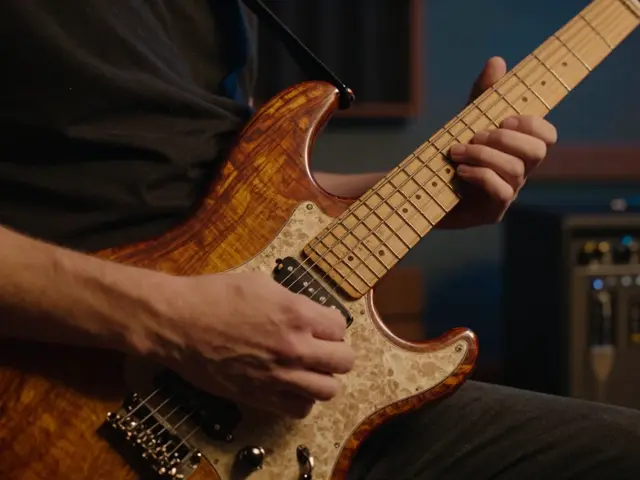
You can’t talk about rock without talking about volume. Before electricity, bands were limited by the acoustic power of human lungs and wooden boxes. That changed in the late 1930s and early 1940s with the invention of the solid-body electric guitar. Les Paul and Leo Fender weren’t trying to create rock stars; they were solving an engineering problem. Jazz musicians needed to be heard over big bands. But when you amplify a string instrument, you unlock something unexpected: sustain.
Sustain is the secret sauce of rock. It allows a note to ring out for seconds, creating space for bending, vibrato, and distortion. When Chuck Berry picked up a Gibson ES-350, he wasn’t just playing louder; he was playing longer. This technical capability birthed the lead guitar solo, a cornerstone of rock identity. Without the pickup-a small magnet wrapped in copper wire that converts string vibration into electrical current-there is no Jimi Hendrix, no Eddie Van Halen, no rock ‘n’ roll as we know it.
| Era | Technology | Impact on Rock |
|---|---|---|
| 1940s-50s | Electric Guitar & Pickup | Enabled sustain, lead solos, and higher volume levels. |
| 1950s-60s | Magnetic Tape Recorders | Allowed multi-tracking, editing, and experimental studio techniques. |
| 1960s-70s | Distortion Pedals & Overdrive Amps | Created the "fuzzy" tone associated with hard rock and metal. |
The amplifier itself became an instrument. Musicians discovered that pushing tube amps to their breaking point created harmonic distortion-a warm, gritty saturation that added complexity to the signal. What started as a malfunction (a blown speaker or overloaded circuit) became an aesthetic choice. Bands like The Kinks and The Rolling Stones embraced the noise, turning technical limitations into artistic signatures.
The Studio as an Instrument: Multi-Tracking and Tape Loops
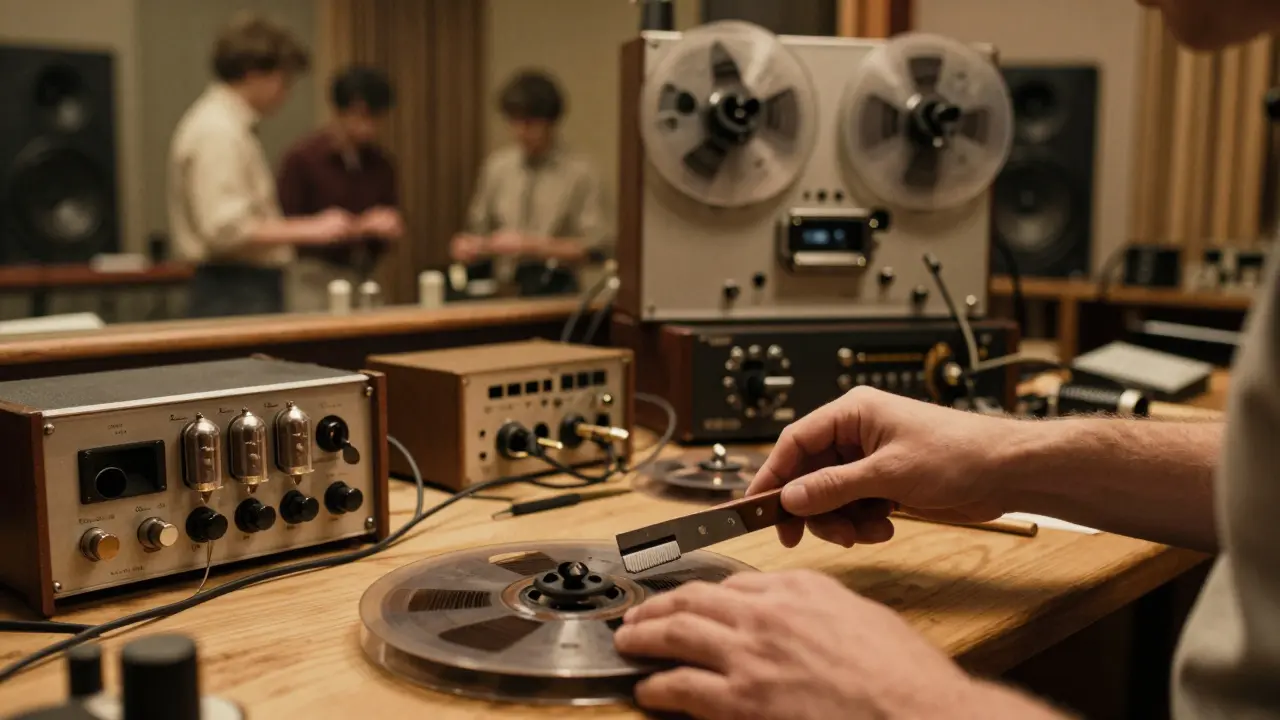
If the electric guitar gave rock its voice, the recording studio gave it its brain. In the 1950s, recording was simple: set up microphones, hit record, and hope for the best. If you made a mistake, you started over. Then came multi-tracking. Invented by Les Paul and later refined by engineers at Abbey Road, this technique allowed artists to record multiple layers of sound onto separate tracks and mix them together.
This was revolutionary. Suddenly, one person could play all the instruments. George Harrison could lay down a rhythm guitar part, then overdub a harmony vocal, then add a sitar line-all without needing a live band present. The Beatles’ *Sgt. Pepper’s Lonely Hearts Club Band* (1967) is the ultimate example. Songs like “A Day in the Life” feature orchestral swells, reversed tapes, and piano chords recorded at different speeds. These weren’t live performances; they were constructed realities.
Tape manipulation also introduced new textures. Slowing down tape created deep, demonic vocals (think Black Sabbath). Speeding it up gave us chipmunk-like highs. Cutting and splicing tape allowed editors to remove mistakes or rearrange song structures entirely. The studio stopped being a place to document a performance and became a canvas for creation. This shift paved the way for progressive rock, where songs lasted twenty minutes and featured complex time signatures that would be impossible to play live without extensive rehearsal.
Digital Revolution: Synthesizers, Drum Machines, and MIDI
By the late 1970s and early 1980s, analog warmth began to clash with digital precision. Enter the synthesizer. Initially seen as cold and mechanical, synths found their place in rock thanks to bands like Kraftwerk, Depeche Mode, and later, Nine Inch Nails. But the real game-changer was MIDI (Musical Instrument Digital Interface), standardized in 1983. MIDI allowed different electronic devices to communicate. A keyboard could trigger a drum machine; a sequencer could control a bass synth. For rock musicians, this meant they could build entire arrangements without hiring session players.
Drum machines like the Roland TR-808 and Linn LM-1 brought programmed beats into rock. While hip-hop adopted them fully, rock used them sparingly at first-often for texture rather than replacement. Peter Gabriel’s 1986 album *So* features heavy use of the Oberheim DMX drum machine, blending organic vocals with robotic rhythms. This hybrid approach influenced alternative rock in the 1990s, where bands like Radiohead and R.E.M. incorporated electronic elements without abandoning guitars.
The rise of digital audio workstations (DAWs) in the 1990s democratized production. Software like Pro Tools and Logic Pro replaced expensive analog consoles. You no longer needed a $500,000 studio to make a record. You needed a computer and some knowledge. This lowered barriers to entry, leading to an explosion of indie rock acts. However, it also raised questions about authenticity. Was a band still “rock” if half their sound was generated by plugins?
The Bedroom Producer Era: DAWs and Home Recording
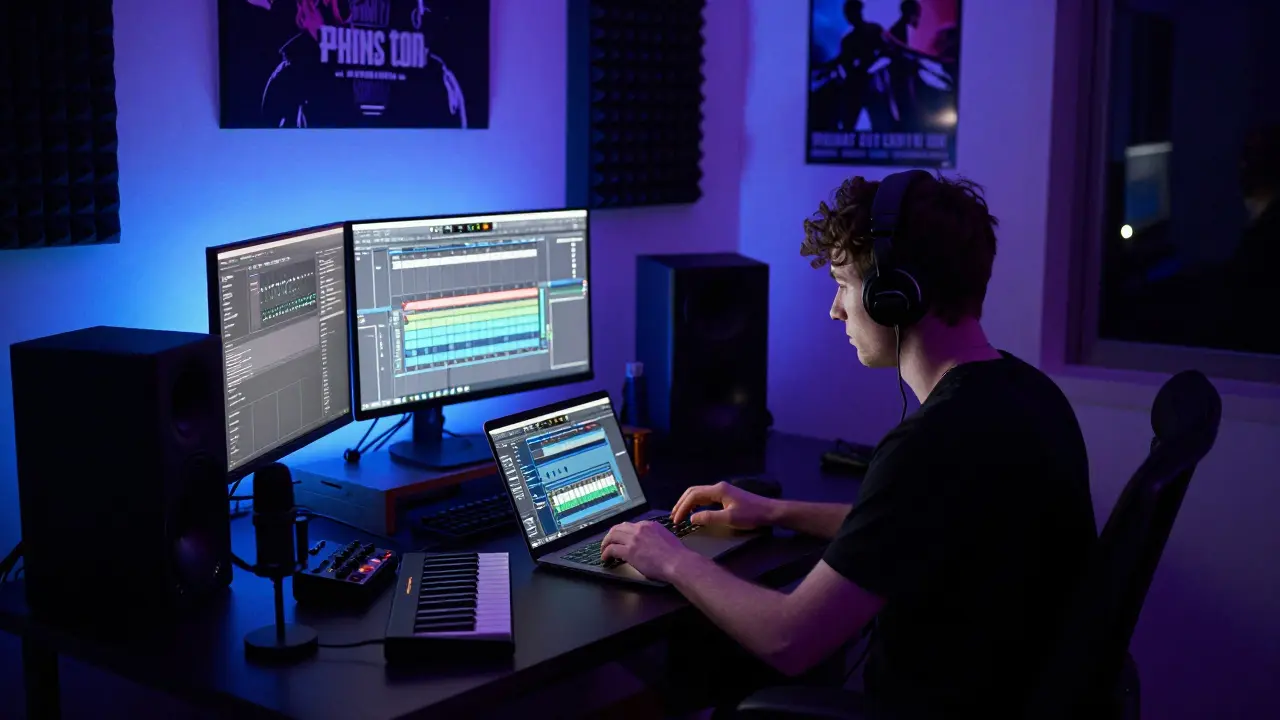
In 2026, the idea of renting a professional studio feels archaic to many young musicians. Thanks to affordable interfaces, USB microphones, and free DAWs like GarageBand or Reaper, anyone with a laptop can produce radio-ready tracks. This shift has profoundly impacted rock music. Genres like lo-fi rock, shoegaze, and post-punk revival thrive on home-recorded aesthetics. Artists like Courtney Barnett and Tame Impala (early works) utilized minimal setups to capture raw emotion.
But there’s a trade-off. Professional studios offer acoustically treated rooms, high-end preamps, and experienced engineers who know how to capture nuance. Home recordings often suffer from poor room treatment, phase issues, and inconsistent levels. Yet, listeners have grown accustomed to this imperfection. The “bedroom producer” sound-slightly compressed vocals, quantized drums, synthetic reverb-has become its own subgenre within rock. It prioritizes immediacy over polish, reflecting a cultural desire for authenticity in an increasingly curated world.
This accessibility has also fragmented the audience. Instead of a few dominant rock bands reaching millions, thousands of niche acts reach thousands. Algorithms on Spotify and Apple Music help fans discover these hidden gems, but they also bury traditional rock in favor of pop and hip-hop. The technology that empowered independent artists also diluted the commercial viability of rock as a unified movement.
Live Performance: PA Systems, Light Shows, and Virtual Reality
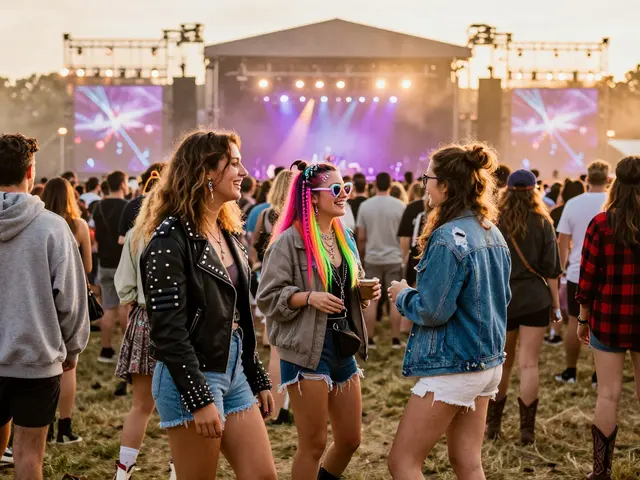
Rock concerts have always been about spectacle. But the scale has changed dramatically. In the 1970s, Led Zeppelin played arenas with basic PA systems and minimal lighting. Today, festivals like Download or Reading & Leeds feature massive stage designs, LED walls, pyrotechnics, and immersive audio experiences. Line array speaker systems ensure consistent sound coverage across tens of thousands of attendees, eliminating dead zones common in older venues.
Lighting technology has evolved from simple spotlights to programmable LED fixtures controlled via DMX protocols. Bands like Muse and Pink Floyd use lasers, holograms, and projection mapping to create visual narratives that complement their music. These effects aren’t just decorative; they enhance emotional impact. A strobe light during a breakdown intensifies aggression; slow-moving colors during a ballad evoke melancholy.
Then there’s virtual reality (VR) and augmented reality (AR). During the pandemic, live shows moved online. Platforms like Wave and StageIt offered VR concerts where users could interact with performers in 3D spaces. While not a perfect substitute for physical presence, these technologies opened new revenue streams and global audiences. Some rock bands now incorporate AR filters into social media campaigns, allowing fans to project concert visuals onto their walls. The boundary between live and digital continues to blur.

Streaming, Algorithms, and the Decline of Physical Media
Perhaps the most significant technological impact on rock is the shift from physical media to streaming. Vinyl sales saw a resurgence in the 2010s, driven by nostalgia and tactile appeal, but streaming dominates consumption. Services like Spotify, Apple Music, and YouTube generate billions of streams annually. For rock artists, this means income comes largely from royalties based on play counts-not album sales.
Algorithms curate what we hear. Playlists like “Rock Classics” or “Indie Essentials” determine exposure more than radio DJs ever did. This creates a feedback loop: songs that fit playlist criteria get promoted, while experimental or long-form tracks struggle. Rock, traditionally known for epic epics and concept albums, faces pressure to conform to shorter, hook-driven formats favored by streaming platforms.
Data analytics also influence creative decisions. Labels monitor listener drop-off rates, skip patterns, and demographic trends. If a verse loses attention after thirty seconds, producers might shorten it next time. While data helps optimize marketing, critics argue it stifles innovation. Can true artistry survive when success depends on retaining listeners in a scroll-heavy environment?
Preserving Heritage: Archiving and Restoration
As technology advances, preserving rock’s past becomes crucial. Institutions like the Rock and Roll Hall of Fame and private archives digitize rare recordings, interviews, and memorabilia. High-resolution audio formats allow remasters of classic albums to reveal details lost in original pressings. AI-powered restoration tools clean up hiss, crackle, and distortion from vintage tapes, making old recordings sound fresh again.
However, ethical debates arise. Should we alter historical artifacts? Purists believe restorations should preserve original character, even flaws. Others argue clarity enhances appreciation. Regardless, these efforts ensure future generations experience rock’s legacy accurately. Without such preservation, much of the genre’s history would fade into obscurity.
Did technology kill authentic rock music?
Not exactly. Technology changed how rock is made and consumed, but authenticity remains subjective. Many modern bands embrace digital tools while maintaining emotional honesty. The challenge lies in balancing innovation with tradition.
What role do guitar pedals play in modern rock?
Guitar pedals shape tone creatively. Effects like delay, reverb, modulation, and distortion expand sonic possibilities. Modern pedalboards allow instant switching between sounds, enabling dynamic performances tailored to each song section.
How has streaming affected rock album sales?
Streaming reduced physical album purchases significantly. Revenue shifted toward per-stream payouts, which are generally lower than CD or vinyl profits. Artists rely more on touring, merchandise, and sync licensing to compensate.
Can AI replace human creativity in rock music?
AI assists with composition, mixing, and mastering, but lacks emotional depth. Human intuition drives lyrical meaning and stylistic choices. AI serves as a tool, not a replacement, enhancing efficiency rather than replacing soul.
Why do some purists resist digital production in rock?
Purists value organic imperfections-tape saturation, room ambience, live interaction-as essential to rock’s spirit. They fear digital perfection strips away humanity, creating sterile products lacking genuine expression.