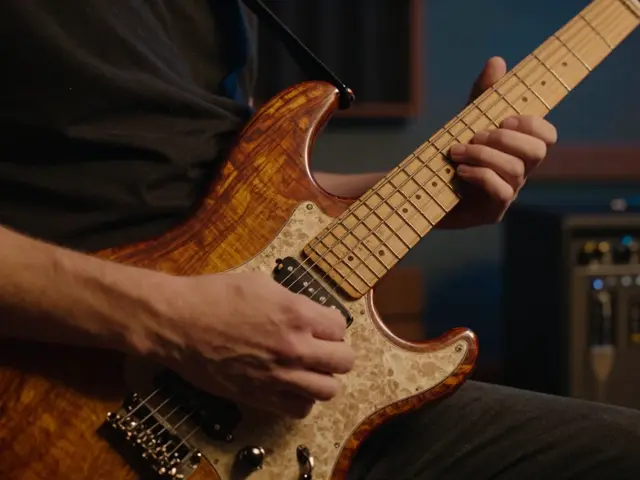
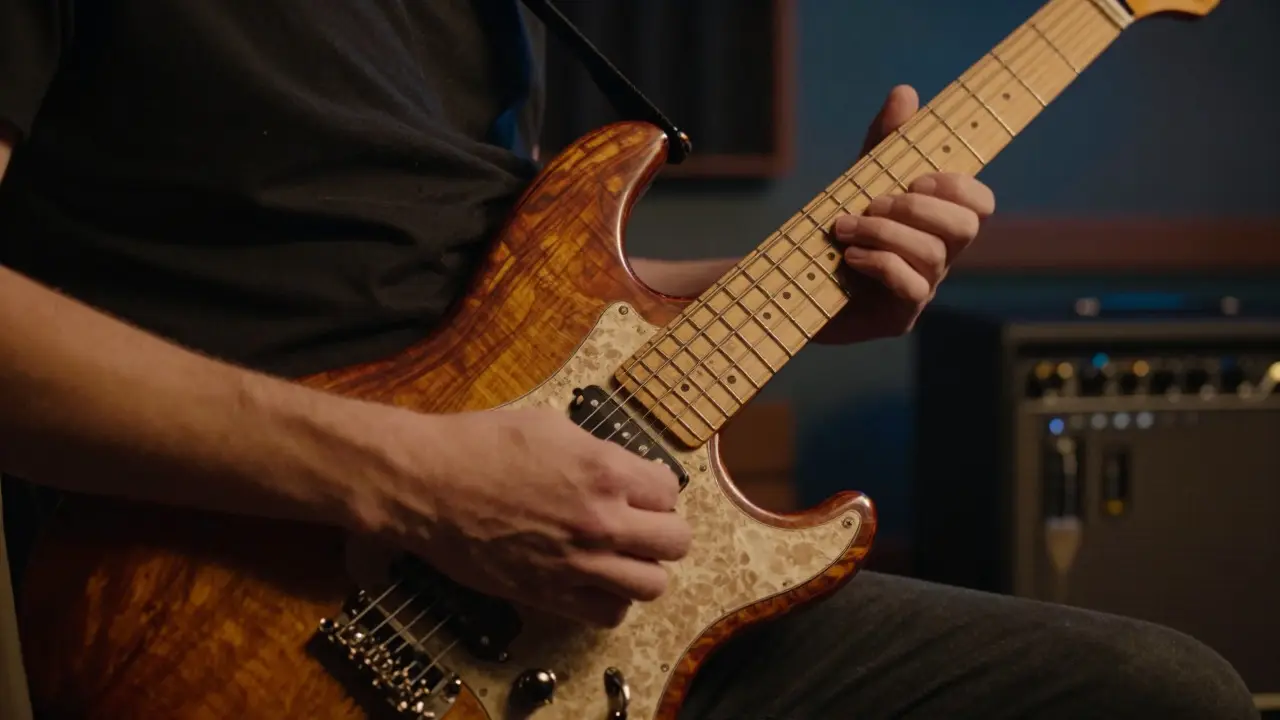
There is a specific feeling you get when you plug in a guitar that feels like an extension of your own nervous system. It’s not just about the sound; it’s about the weight, the neck profile, and the way the strings respond to your touch. For many players, off-the-shelf instruments come close but never quite hit that sweet spot. This is where the world of custom electric guitars enters the picture. Whether you are looking for a unique aesthetic or a specific tonal voice that mass-produced models can’t replicate, building or commissioning a custom instrument is one of the most rewarding journeys in music.
Why Go Custom?
Most standard electric guitars are designed to appeal to the broadest possible audience. They use average neck dimensions, common wood combinations, and standard pickup configurations. While this works well for beginners, experienced players often find themselves limited by these compromises. A custom build allows you to dictate every variable. You choose the body shape to suit your playing style-perhaps a thinner cutaway for fast lead work or a heavier slab for rhythm stability. You select the wood species based on their acoustic properties rather than just availability. And you pick the electronics to match your exact tonal preferences, from high-gain clarity to warm vintage fizz.
The psychological aspect cannot be ignored either. Owning a one-of-a-kind instrument changes how you perform. There is less pressure to conform to a specific "look" because your guitar reflects your personal taste. It becomes a canvas for self-expression, both visually and sonically.
Anatomy of a Custom Build
Understanding the components helps you make informed decisions. A custom electric guitar consists of several key parts, each with distinct attributes that influence the final product.
- The Body is the main resonating chamber of the guitar, typically made from solid wood slabs or semi-hollow structures. Common woods include alder, ash, mahogany, and maple. Each has different density and resonance characteristics.
- The Neck is the long wooden component that supports the strings and fretboard, usually made from maple, mahogany, or rosewood. The neck profile (shape) and scale length (distance between nut and bridge) significantly affect playability and tuning stability.
- Pickups are electromagnetic devices that convert string vibrations into electrical signals. They come in single-coil, humbucker, or P-90 configurations, each offering distinct tonal signatures.
- The Electronics refer to the wiring, potentiometers, capacitors, and switches that control volume, tone, and pickup selection. High-quality components reduce noise and improve signal integrity.
- The Hardware includes the bridge, tuners, strap buttons, and knobs that provide structural support and user interaction points. Brands like Schaller, Grover, and Gotoh offer various levels of precision and durability.
Choosing the Right Wood
Wood choice is arguably the most debated topic in luthiery. Different woods have different densities and stiffness, which directly impact sustain, midrange presence, and overall tonal balance.
| Wood Type | Density | Tonal Character | Common Use |
|---|---|---|---|
| Alder | Medium | Balanced, clear mids, good low-end punch | Fender-style bodies |
| Mahogany | High | Warm, dark, rich overtones | Gibson-style bodies/necks |
| Maple | Very High | Bright, sharp attack, excellent sustain | Necks, tops, full-body builds |
| Aspen | Medium-High | Similar to alder but slightly darker, more affordable | Budget-friendly custom builds |
| Walnut | Medium | Dark, woody, versatile appearance | Modern aesthetic builds |
It’s important to note that wood alone doesn’t define tone. Pickup placement, string gauge, and amplifier settings play massive roles. However, the physical resonance of the body provides the foundation upon which the electronics build their signal. A dense maple body will naturally produce a brighter, more articulate sound than a lighter alder body, even with identical pickups.
Electronics: The Heart of the Sound
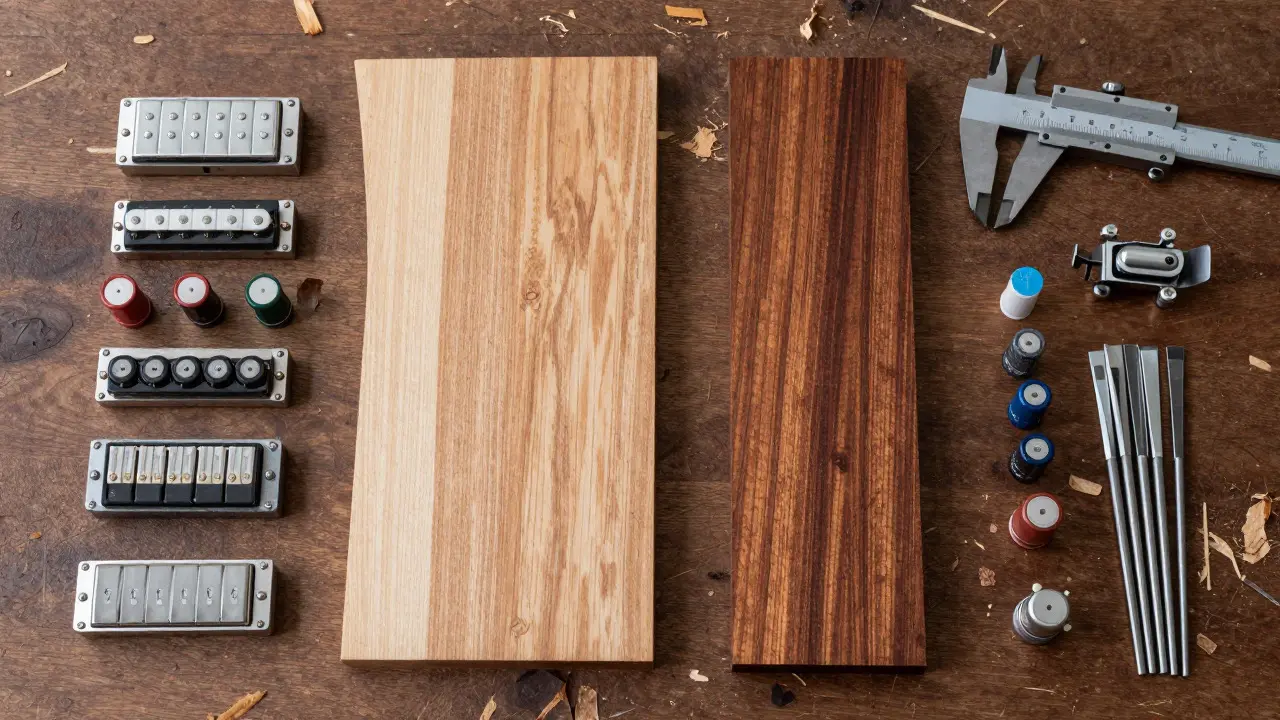
If the wood is the skeleton, the electronics are the soul. Pickups are where most customization happens. Single-coils offer a bright, twangy character associated with surf rock and classic blues. Humbuckers cancel out hum and provide a thicker, higher-output signal ideal for heavy rock and metal. P-90s sit in the middle, offering a gritty, raw edge that fits perfectly in garage rock and indie scenes.
Wiring matters too. Standard 5-way switching is common, but many custom builders opt for coil-splitting circuits, series/parallel toggles, or even active preamps. These options expand your sonic palette without needing multiple guitars. For example, a coil-split humbucker can mimic a single-coil tone while retaining the hum-cancelling benefit when engaged fully.
DIY vs. Commissioned Builds
You have two main paths to owning a custom electric guitar: doing it yourself or hiring a professional luthier. Both have merits and drawbacks.
DIY Building offers the deepest sense of accomplishment. You learn about joinery, finishing, and electronics wiring. It’s also generally cheaper if you buy materials in bulk. However, it requires patience, tools, and a willingness to make mistakes. A poorly glued neck joint can ruin an otherwise beautiful instrument. Finishing techniques, especially spray painting or oil finishes, take practice to master.
Commissioned Builds save time and ensure professional quality. Luthiers have decades of experience and access to specialized tools. You can specify exactly what you want, and they handle the execution. The downside? Cost. A high-end custom build can range from $1,500 to $5,000+, depending on materials and labor hours. Communication is key here; bring reference photos, tone samples, and clear notes on playability preferences.
Practical Tips for Your First Custom Project
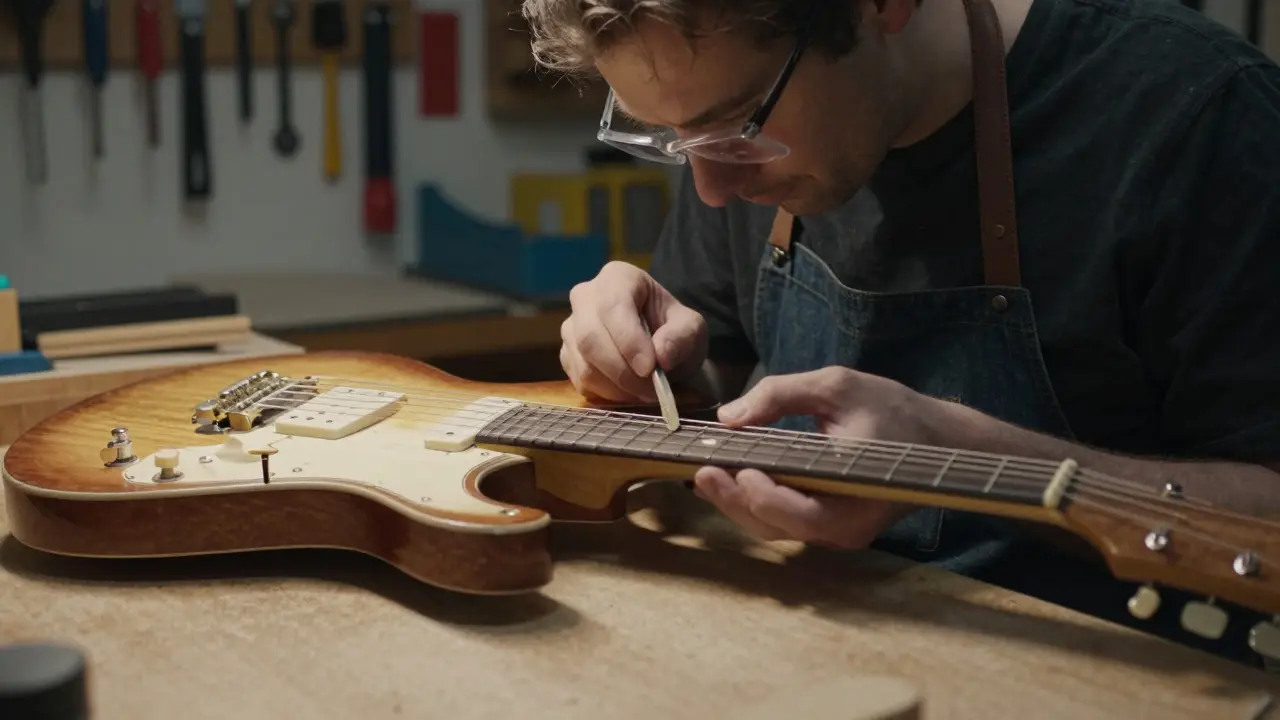
Whether you’re cutting your first board or emailing your first luthier, follow these guidelines to avoid common pitfalls:
- Define Your Play Style: Do you play fast leads? Slow, expressive chords? This dictates neck thickness and string spacing.
- Set a Budget Early: Materials add up fast. Premium woods and hardware can double the cost of a basic build.
- Start Simple: If DIY, begin with a bolt-on neck design. Set necks require precise angle cuts and glue-up skills.
- Test Components: Before committing to a full build, try different pickups on a temporary platform to see which ones resonate with you.
- Consider Future Modifications: Install accessible wiring cavities so you can swap pickups or change caps later without disassembling the guitar.
Common Mistakes to Avoid
Even experienced builders trip up occasionally. Here are the errors we see most often:
- Ignoring Neck Angle: If the neck isn’t angled correctly relative to the body, action height will suffer. Too steep, and the strings buzz against the frets. Too flat, and you need excessive bridge height, killing sustain.
- Overlooking Finish Thickness: Thick polyurethane coats can dampen resonance. Thin nitrocellulose or oil finishes preserve natural wood vibration better.
- Choosing Hardware for Looks Only: Cheap tuners may look nice but slip under tension. Invest in reliable locking tuners or high-ratio machines if you plan to do aggressive bends.
- Skipping the Setup Phase:
Frequently Asked Questions
How long does it take to build a custom electric guitar?
A DIY project typically takes 40 to 80 hours of focused work, spread over several weeks due to drying times for glue and finish. A commissioned build from a luthier usually ranges from 3 to 6 months, depending on their workload and the complexity of the design.
Is it worth paying extra for exotic woods like koa or bubinga?
Exotic woods offer unique visual grain patterns and slightly different tonal nuances, but the difference is subtle compared to pickup and amp choices. If budget is tight, stick with proven woods like alder or mahogany. Exotic woods are best reserved for special pieces where aesthetics are a primary goal.
Can I customize a store-bought guitar instead of building from scratch?
Absolutely. Many players start with a quality base model and upgrade components like pickups, nuts, bridges, and electronics. This is often more cost-effective and less risky than a full custom build, allowing you to test changes incrementally.
What is the best finish for a custom guitar?
Nitrocellulose lacquer is traditional and thin, preserving wood resonance. Polyurethane is durable and easy to apply but thicker, potentially dulling highs. Oil finishes are natural and repairable but offer less protection against scratches. Choose based on your priority: tone purity, durability, or ease of maintenance.
Do custom guitars hold value as well as brand-name models?
Generally, no. Brand-name guitars from Fender, Gibson, or PRS retain value due to market demand and recognition. Custom guitars are valued primarily for personal satisfaction. However, builds from renowned luthiers can command premium prices in the resale market due to scarcity and craftsmanship reputation.