
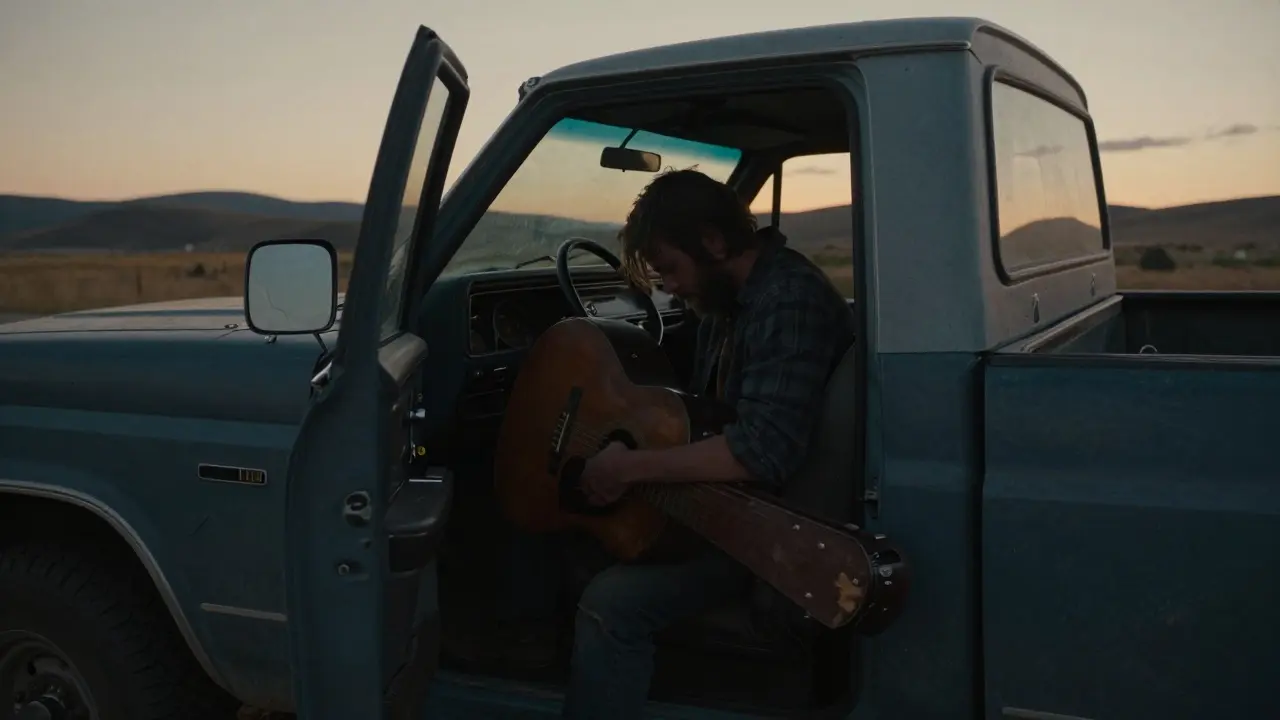
Why does a three-chord song about a broken truck and a lost love make you cry in your car? It’s not just nostalgia. It’s because country music is built on a foundation of raw, unfiltered honesty. While other genres might polish reality until it shines, country music keeps the dust on the boots. It captures the human experience by refusing to look away from life’s messy, painful, and beautiful moments.
In an era where digital perfection dominates social media feeds, this genre remains stubbornly analog in its approach to emotion. Whether you grew up in Nashville or Brighton, the core themes resonate universally: loss, resilience, faith, and the quiet dignity of everyday work. This article explores how specific elements of country music-from its lyrical structures to its instrumental choices-mirror our shared psychological landscape.
The Architecture of Storytelling
Narrative lyricism is the backbone of the genre. Unlike pop songs that often rely on abstract feelings or repetitive hooks, country music functions like short stories set to melody. The structure typically follows a clear arc: introduction of characters, rising action, a climax of emotional conflict, and a resolution (or lack thereof).
Consider the classic "three-minute novel" format pioneered by artists like Johnny Cash and later perfected by storytellers like Chris Stapleton. These songs don't just tell you someone is sad; they show you the empty side of the bed, the cold coffee, and the silence that follows. This specificity creates a bridge between the artist and the listener. When you hear details that match your own life, even if the setting is different, the emotional truth lands with precision.
- Concrete Imagery: Using tangible objects (a train whistle, a worn-out pair of jeans) to represent abstract emotions.
- Character Development: Songs often feature protagonists who are flawed, relatable, and struggling against forces beyond their control.
- Moral Ambiguity: Modern country rarely paints heroes and villains in black and white, reflecting the complexity of real-life decisions.
Instrumentation as Emotional Language
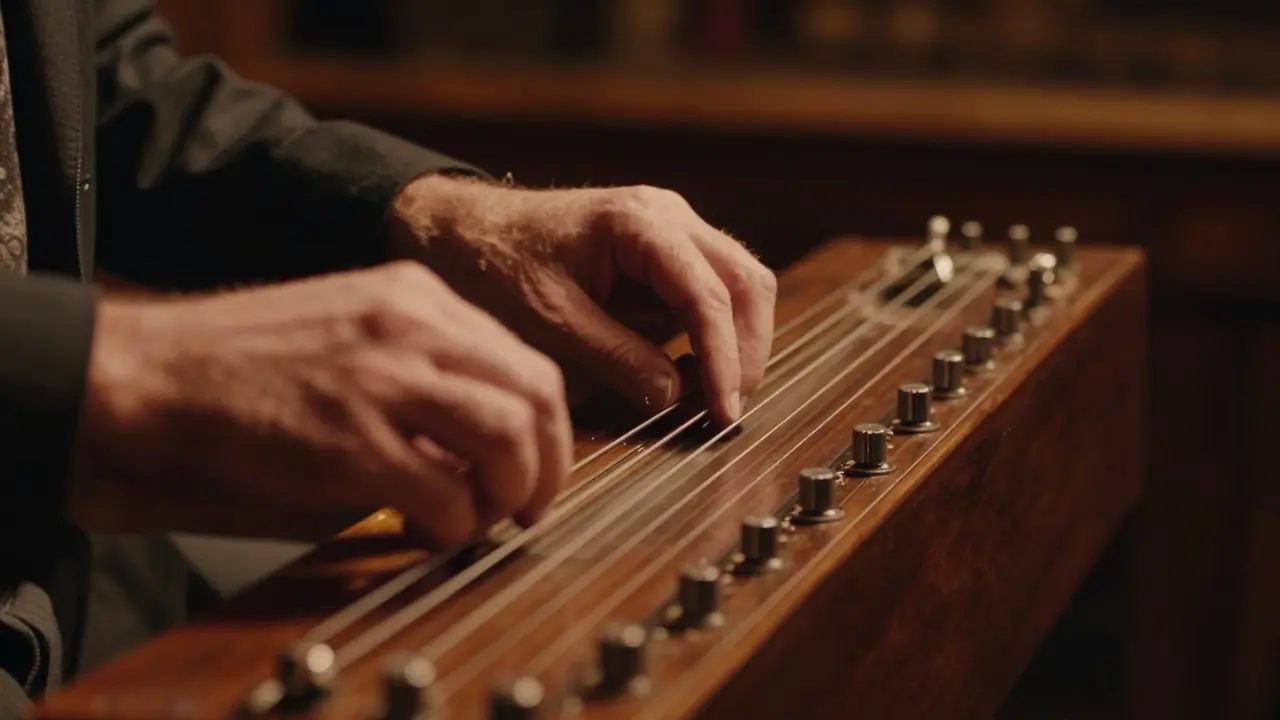
The instruments chosen in country music are not accidental; they are carefully selected for their ability to mimic human vocal expressions. The pedal steel guitar, for instance, is unique to this genre and closely related to the bluegrass tradition. Its sliding tones can sound like a person weeping or sighing. When a pedal steel cries out over a verse, it bypasses logical processing and hits the limbic system directly.
Similarly, the acoustic guitar provides a rhythmic heartbeat that feels intimate and close-mic’d, as if the performer is sitting right next to you. The addition of fiddle or mandolin adds layers of texture that evoke rural heritage and communal gatherings. Even in modern "bro-country" or pop-infused tracks, these organic sounds remain anchors, reminding listeners of the genre’s roots in folk traditions.
| Instrument | Emotional Function | Historical Context |
|---|---|---|
| Pedal Steel Guitar | Sorrow, longing, melancholy | Derived from Hawaiian slack-key guitar; popularized in 1950s honky-tonk |
| Acoustic Guitar | Intimacy, authenticity, stability | Core instrument of folk and bluegrass traditions |
| Fiddle | Joy, celebration, urgency | Central to Appalachian ballads and dance tunes |
| Banjo | Nostalgia, rural simplicity | African origins adapted into American folk music |
Themes of Resilience and Hardship
Country music has always been the soundtrack for working-class America, but its appeal extends globally because hardship is a universal human condition. Songs about economic struggle, physical labor, and family duty speak to anyone who has ever felt the weight of responsibility. The genre validates the pain of failure while celebrating the strength required to keep going.
This duality is evident in the contrast between upbeat tempo and somber lyrics-a technique known as "laughing to keep from crying." A fast-paced two-step rhythm might accompany a story about bankruptcy or divorce. This juxtaposition mirrors how people actually cope with trauma: maintaining outward composure while dealing with internal chaos. It’s a psychological coping mechanism encoded in musical form.
The Role of Faith and Spirituality
For many listeners, gospel influences within country music provide a crucial layer of meaning. References to God, prayer, and redemption are woven seamlessly into secular narratives. This isn’t always preachy; often, it’s a search for comfort in uncertain times. Whether it’s a direct hymn or a subtle nod to divine intervention, spirituality offers a framework for understanding suffering and finding hope.
Artists like Dolly Parton and Loretta Lynn have long used their platforms to discuss faith alongside feminism and social justice. Their music shows that belief systems can coexist with skepticism and doubt, reflecting the nuanced spiritual journeys of ordinary people. This inclusivity allows listeners from various backgrounds to find points of connection, even if they don’t share the same religious beliefs.
Modern Evolution and Global Reach
As we move through 2026, country music continues to evolve. The lines between country, rock, and indie-folk are blurring, creating hybrid subgenres that attract younger audiences. Artists like Morgan Wallen and Kacey Musgraves bring diverse perspectives to the forefront, challenging traditional gender roles and expanding the definition of what country music can be.
This evolution doesn’t dilute the genre’s power; it strengthens it. By incorporating new production techniques and addressing contemporary issues like mental health and political polarization, country music remains relevant. It adapts without losing its soul, ensuring that it continues to capture the human experience for a new generation.
Why We Connect Across Borders
You might wonder why someone in the UK listens to songs about Tennessee. The answer lies in universality. Love, loss, joy, and grief do not respect geographic boundaries. When a country song describes the feeling of being left behind, it resonates with anyone who has experienced abandonment, regardless of whether they’ve ever driven a pickup truck.
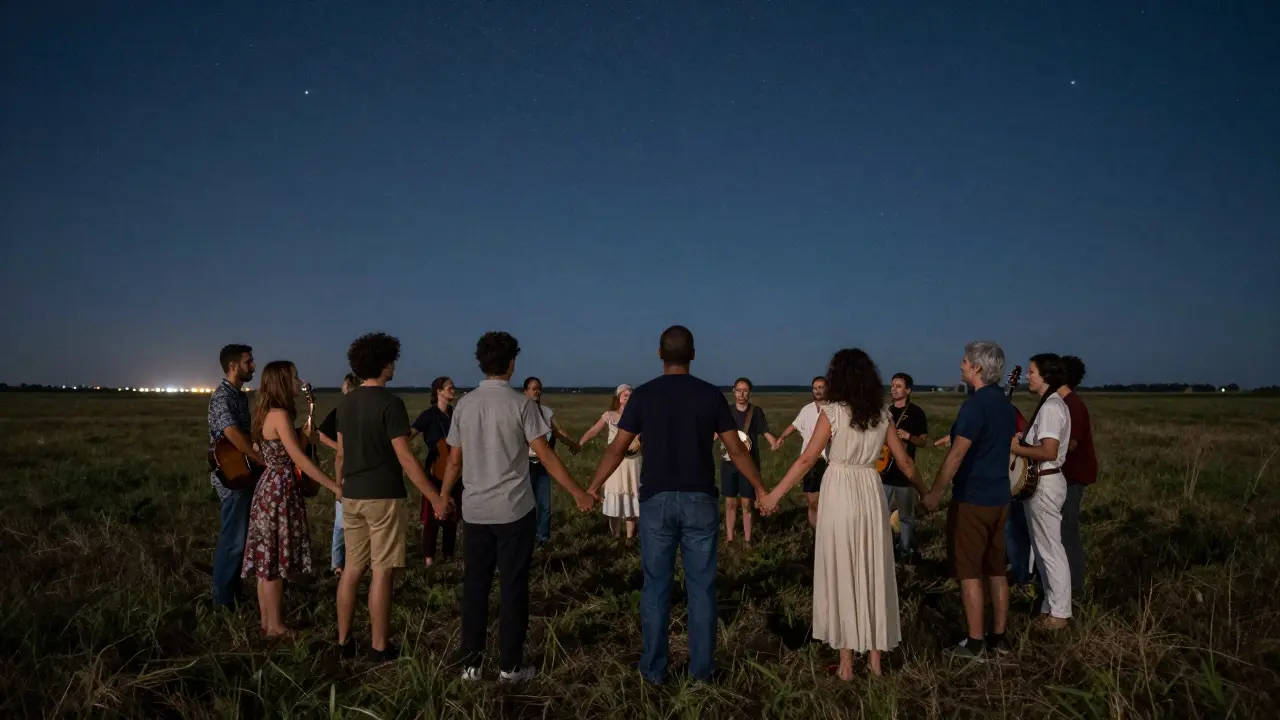
The genre’s emphasis on community and shared history also appeals to our innate desire for belonging. In a fragmented world, country music offers a sense of continuity. It reminds us that our struggles are part of a larger narrative, one that has been sung about for centuries. This collective memory fosters empathy and connection, making country music more than just entertainment-it’s a tool for understanding ourselves and others.
What makes country music different from other genres?
Country music prioritizes narrative storytelling and specific, concrete imagery over abstract emotions. It uses distinctive instrumentation like the pedal steel guitar to convey sadness and longing, and it often addresses themes of hard work, faith, and personal resilience with unvarnished honesty.
Is country music only for Americans?
No. While rooted in American culture, the themes of love, loss, and struggle are universal. International fans connect with the emotional authenticity and storytelling, finding parallels in their own lives despite cultural differences.
How has country music changed in recent years?
Modern country music blends with pop, rock, and indie-folk, featuring diverse voices and production styles. It addresses contemporary issues like mental health and social justice while retaining core elements like acoustic instrumentation and narrative lyrics.
Why is the pedal steel guitar important?
The pedal steel guitar produces sliding tones that mimic human crying or sighing. It is uniquely associated with country music and serves as an emotional anchor, conveying deep sorrow and longing that words alone cannot express.
Can country music help with mental health?
Yes. By validating feelings of pain and isolation, country music can reduce stigma around mental health struggles. Its themes of resilience and community offer comfort and a sense of shared experience, which can be therapeutic for listeners.