Quick Takeaways
- Jazz relies on complex harmonies, often using 7th, 9th, and 13th chords to create emotional depth.
- The "swing" feel is what gives jazz its characteristic bounce, shifting straight notes into a galloping rhythm.
- Improvisation is the core of the art, where players use a shared harmonic map to create new melodies.
- Jazz evolved from a blend of African rhythms and European harmonic structures.
The Harmonic Backbone: More Than Just Basic Chords
In a standard pop song, you might find three or four simple chords that repeat. Jazz doesn't play by those rules. To understand the sound, you have to look at Jazz Harmony is the system of chords and progressions that provide the structural foundation for jazz compositions. Instead of basic triads, jazz musicians use "extensions." Think of a basic C major chord as a house. An extension is like adding a balcony, a sunroom, or a second story. By adding a 7th or a 13th note to the chord, they create a sense of yearning or sophistication.
One of the most common patterns you'll hear is the ii-V-I progression. This is the "secret sauce" of thousands of jazz standards. It creates a powerful feeling of tension and release. The 'ii' chord builds the pressure, the 'V' chord (the dominant) pushes it to the breaking point, and the 'I' chord finally lets the listener breathe. When you hear a song that feels like it's "coming home," you're likely hearing a resolution of this specific sequence.
But the real magic happens with Chromaticism, which involves using notes that aren't even in the key of the song. It's like adding a pinch of salt to a dessert-it shouldn't be there, but it makes everything else taste better. This is how players create that "slippery" sound, sliding between notes to evoke a feeling of human speech rather than a rigid machine.
The Engine Room: Swing and Syncopation
If harmony is the house, rhythm is the heartbeat. You can't have jazz music without Swing Rhythm, which is a rhythmic feel where the first note of a pair of eighth notes is played longer than the second, creating a loping, danceable quality. If you try to clap a swing beat, it doesn't feel like "1-and-2-and"; it feels more like "da-da, da-da," almost like a heartbeat skipping. This is what made early jazz irresistible in the dance halls of New Orleans.
Then there is Syncopation. This is the act of placing an accent on a beat that the listener isn't expecting. Imagine a drummer hitting the snare just a fraction of a second before the main beat. It creates a physical sensation of being pushed or pulled. This rhythmic tension is what keeps the listener engaged; your brain is constantly trying to predict where the beat will land, and the musicians keep teasing you by shifting it.
| Rhythmic Style | Core Characteristic | Feeling Produced | Example Context |
|---|---|---|---|
| Swing | Uneven eighth notes | Bouncy, fluid, dancing | Big Band Era / Duke Ellington |
| Bop / Fast Swing | Rapid, jagged phrasing | Energetic, nervous, intense | Charlie Parker / Bebop |
| Straight/Latin | Equal note lengths | Driving, grounded, rhythmic | Bossa Nova / Afro-Cuban Jazz |
The Heart of the Art: Mastering Musical Improvisation
Most people think Musical Improvisation is just playing random notes until something sounds good. In reality, it's a high-wire act of extreme discipline. A jazz soloist isn't just making things up; they are composing a new piece of music in real-time over a pre-existing map. This map consists of the melody (the "head") and the chord changes.
To do this, musicians use various techniques. One is the "guide tone" approach, where the player focuses on the 3rd and 7th notes of each chord. These are the notes that define whether a chord is major or minor, and by hitting them, the soloist tells the listener exactly where the harmony is moving, even if the rest of the band is playing something ambiguous. It's like sketching the outline of a drawing before filling in the colors.
Another approach is the use of Modes. Instead of thinking in terms of a scale that must resolve to a home note, a player might use a mode-like the Dorian or Mixolydian-to create a specific mood. For example, Miles Davis used modal jazz in his album Kind of Blue to move away from the frantic chord changes of Bebop, allowing for longer, more atmospheric solos that felt like a meditation rather than a race.
From New Orleans to the World: The Evolution of Sound
Jazz didn't appear overnight. It was born from a collision of cultures in New Orleans. You had Ragtime, with its stiff, syncopated piano rhythms, meeting the soulful, emotional depth of the Blues. When you add the marching band instruments-trumpets, trombones, and clarinets-you get the early "Dixieland" sound, characterized by collective improvisation where everyone plays at once in a joyful, noisy tangle.
As the music moved north to Chicago and New York, it grew more sophisticated. The Big Band era brought structure and arrangement, with legends like Duke Ellington treating the orchestra like a giant instrument. But by the 1940s, a younger generation of musicians grew bored with the dance-hall constraints. They created Bebop. This was jazz for listening, not dancing. The tempos became blistering, the harmonies more dissonant, and the solos more complex. It was a rebellion that pushed the technical limits of what a human could play on a saxophone or trumpet.
The Essential Tools of the Trade
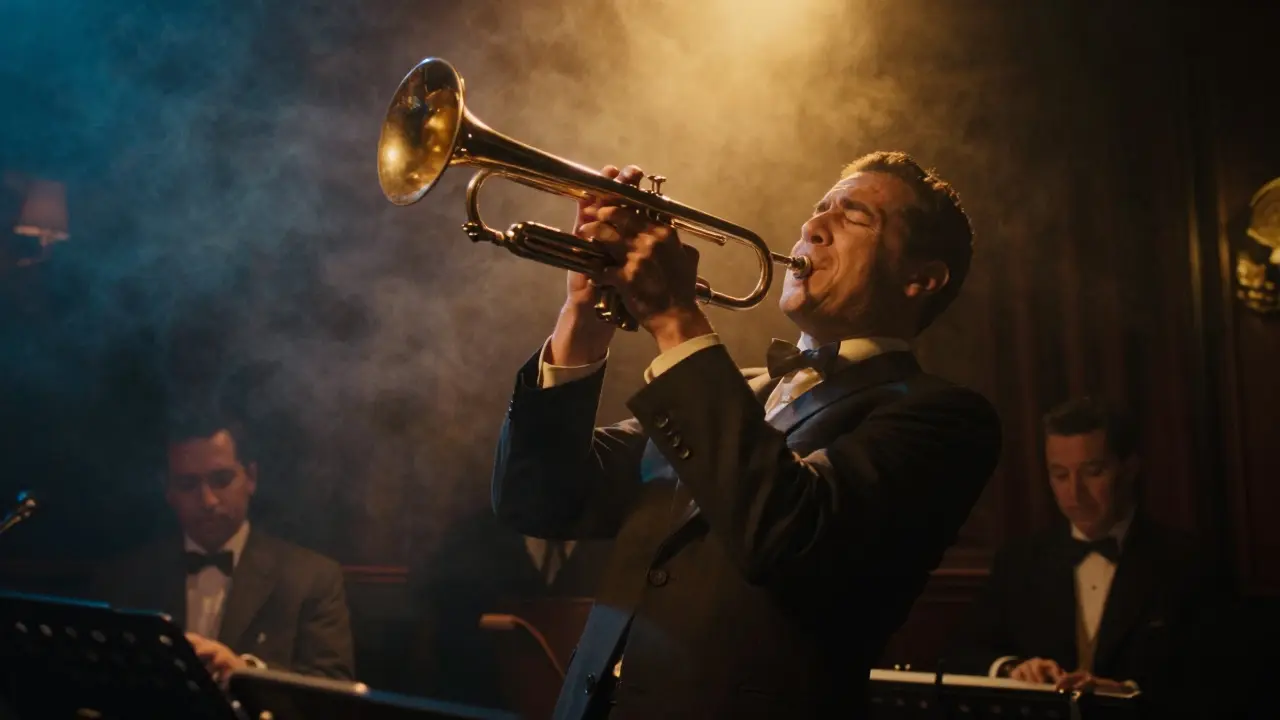
The instruments used in jazz are chosen for their ability to mimic the human voice. The Saxophone and trumpet are favorites because they can bend notes, growl, and whisper. The Double Bass provides the "walking bass" line-a steady, four-beat-per-measure pulse that acts as the clock for the entire band. Without that steady pulse, the improvisations would float away into chaos.
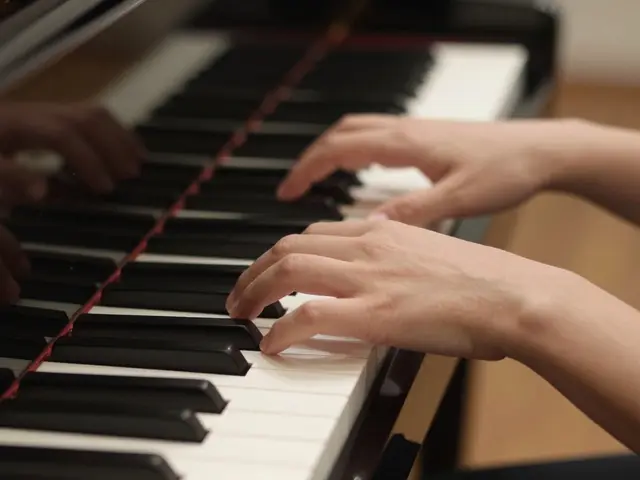
Then there is the piano, which serves a dual role. The pianist provides the harmonic "comping" (short for accompanying) and takes solos. Comping is an art in itself; a great pianist knows exactly when to play a chord to push the soloist forward and when to stay silent to let a moment breathe. It is a constant exercise in empathy and listening.

How to Listen to Jazz Without Getting Lost
If you're new to the genre, it can feel overwhelming. The trick is to listen for the "conversation." Don't try to follow every single note. Instead, listen for the theme. Most jazz songs start with the "head"-the main melody. Once that is established, the musicians take turns improvising. When the soloist is playing, ask yourself: are they building tension? Are they playing with the rhythm? When they finish, they usually return to the head to close the loop.
Try focusing on one instrument at a time. Follow the bass line to feel the foundation, then shift your attention to the drums to hear how they comment on the soloist's ideas. You'll notice that the drummer isn't just keeping time; they are reacting. If the trumpet player plays a loud, sharp phrase, the drummer might respond with a crash of the cymbal. This call-and-response is what makes a live jazz performance feel so electric.
What makes jazz different from classical music?
The biggest difference is the role of the performer. In classical music, the composer's score is the final authority; the performer's job is to interpret that score as accurately as possible. In jazz, the composition is often just a starting point. The real "art" happens during the improvisation, where the performer becomes the composer in real-time, changing the melody and harmony as they play.
Do you have to be a professional musician to understand improvisation?
Not at all. You don't need to know the theory to feel the emotion. Just listen for the "tension and release." When a musician plays a note that sounds slightly "off" or dissonant, they are creating tension. When they eventually resolve that note into a harmonious one, that's the release. That emotional arc is universal and doesn't require a music degree to appreciate.
What is a "standard" in jazz?
A jazz standard is a musical composition that has become a widely accepted part of the jazz repertoire. These can be old pop songs from the Great American Songbook or compositions by jazz giants. Because everyone knows the basic melody and chord changes of a standard, musicians from different parts of the world can get on a stage together and jam without ever having met, using the standard as their shared language.
Why does some jazz sound "chaotic"?
What sounds like chaos is often actually a high level of structured complexity. In styles like Free Jazz, musicians might abandon traditional chord progressions entirely, focusing instead on texture, energy, and emotional expression. Even then, they are usually communicating through a shared set of intuitive rules and listening deeply to one another to ensure the "chaos" has a purpose.
How can I start learning to play jazz?
Start by learning the basic 7th chords and the ii-V-I progression. Once you have that, transcribe simple solos from records-listen to a phrase and try to play it back exactly. This teaches you the "vocabulary" of jazz. Finally, put yourself in a room with other musicians. Jazz is a social music, and you'll learn more from one hour of jamming than from ten hours of reading a textbook.
Next Steps for Your Jazz Journey
If you've enjoyed exploring these concepts, the best way to sharpen your ears is through active listening. Pick one album-perhaps Kind of Blue by Miles Davis for a modal introduction or A Love Supreme by John Coltrane for something more spiritual-and listen to it three times. The first time, just feel it. The second time, try to isolate the bass line. The third time, focus on how the soloist interacts with the drummer. You'll be surprised how much more you hear when you're looking for the conversation.