Imagine walking into a room in 1967. The air is thick with the sound of James Brown’s horn section or Aretha Franklin’s gospel-infused vocals. But look down at your feet. You aren’t just hearing the revolution; you are wearing it. Sharp suits, vibrant colors, and an undeniable sense of pride define the look. This isn't accidental coordination. Soul music, as a cultural force, didn't just change how we listened to records; it fundamentally altered how Black Americans presented themselves to the world.
The connection between the rhythm of soul and the cut of a garment is deep. It’s about dignity, visibility, and resistance. When you understand this link, you stop seeing clothes as mere fabric and start seeing them as armor and celebration. Let’s unpack how the golden era of soul birthed a fashion aesthetic that still influences streetwear and high fashion today.
The Motown Look: Polished Perfection
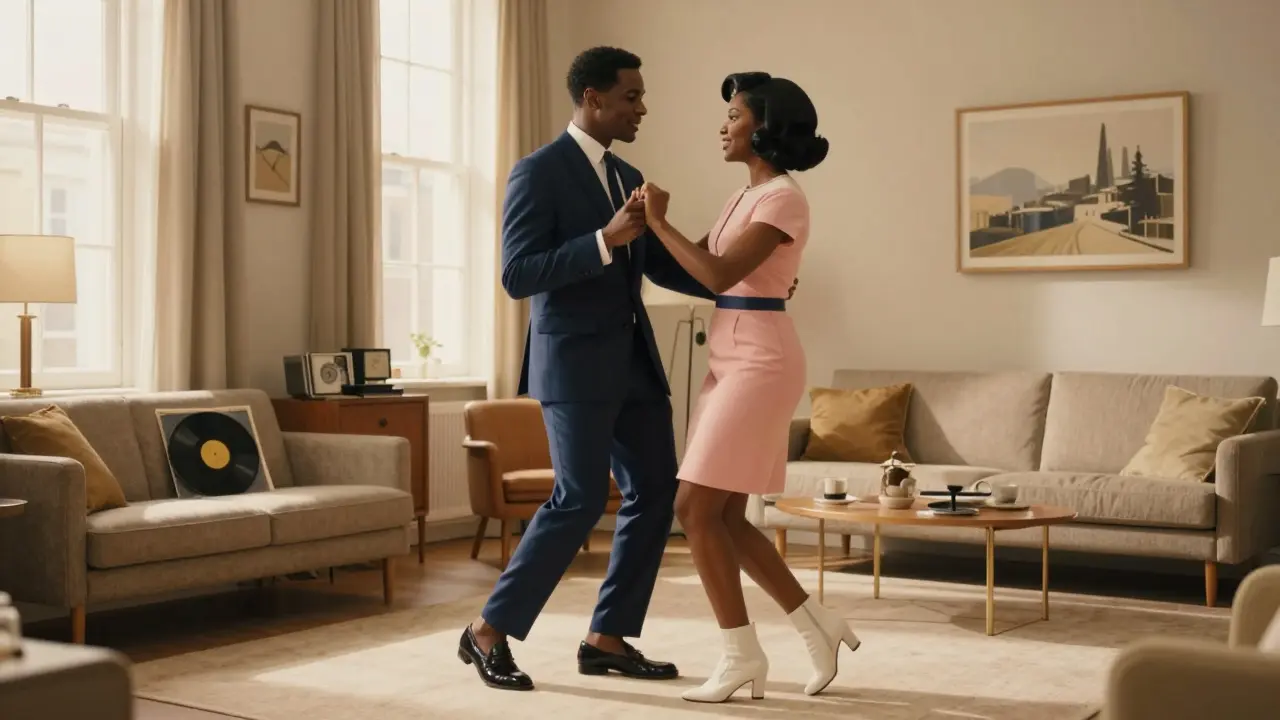
In the mid-1960s, Berry Gordy launched Motown Records with a specific vision. He wanted his artists to be acceptable to white audiences while maintaining their Black identity. This led to the creation of "The Motown Look." It was clean, sophisticated, and meticulously tailored. For men, this meant slim-fit suits, narrow lapels, and polished shoes. Think of The Temptations or Marvin Gaye. Their outfits were sharp enough for a boardroom but cool enough for the dance floor.
For women, the style was equally precise. Mary Wilson of The Supremes popularized the miniskirt paired with go-go boots and coordinated ensembles. These weren't casual outfits; they were uniforms of success. The goal was to project professionalism and elegance. This era taught us that presentation matters. It set a standard where being well-dressed was a form of respect-for oneself and for the audience. The influence here is clear: the idea that music stars should be visual icons as well as auditory ones started here.
| Era | Key Characteristics | Iconic Figures | Cultural Message |
|---|---|---|---|
| Motown (Mid-60s) | Tailored suits, miniskirts, coordinated sets | The Supremes, The Temptations | Professionalism, crossover appeal |
| Black Power (Late 60s/Early 70s) | Afro hairstyles, dashikis, leather jackets | Jimi Hendrix, Nina Simone | Pride, political resistance |
| Disco/Soul Fusion (70s) | Bright colors, platform shoes, sequins | Diana Ross, Don Cornelius | Joy, liberation, nightlife |
The Shift to Black Power and Afrocentric Style
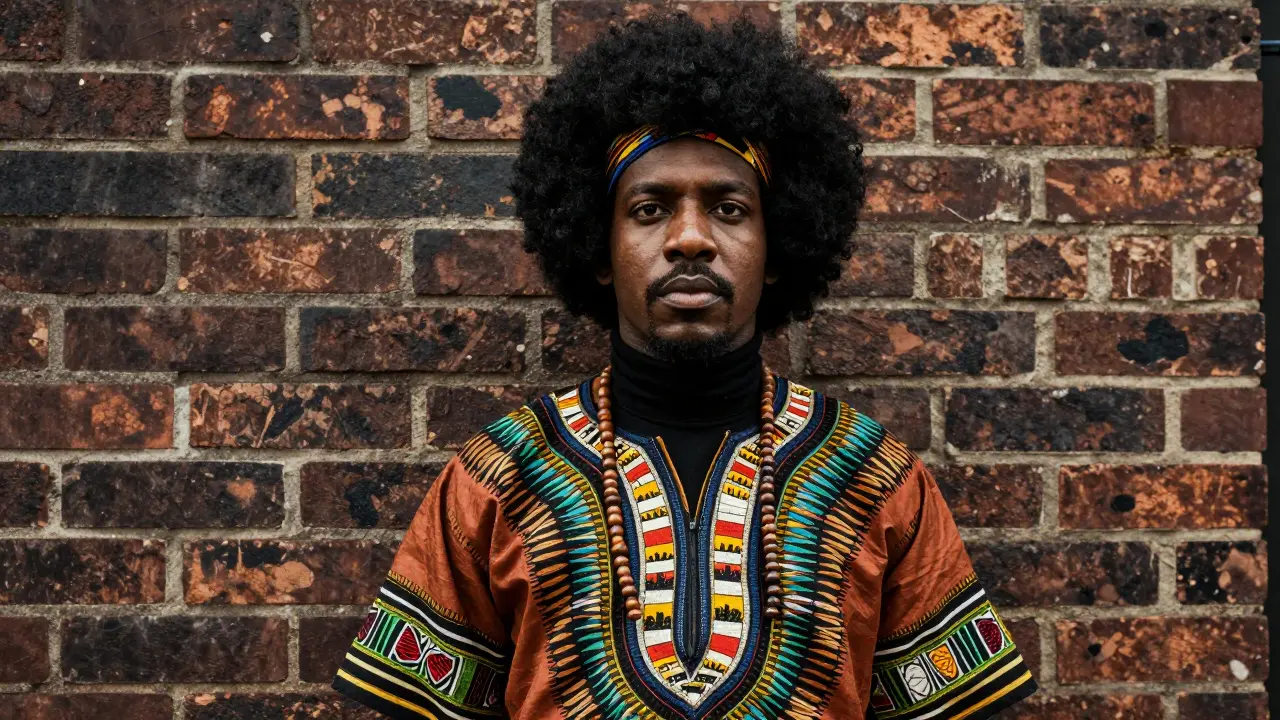
As the 1960s progressed, the social climate changed. The Civil Rights Movement gave way to the Black Power Movement. With this shift came a rejection of assimilationist styles. Artists like Nina Simone, Gil Scott-Heron, and later, Jimi Hendrix (though often categorized under rock, his influence on soul aesthetics was massive) began embracing natural hair and African-inspired clothing.
The afro became more than a hairstyle; it was a political statement. Wearing a dashiki or kente cloth signaled a reconnection with African heritage. This was a direct response to the previous decade's emphasis on looking "respectable" to white standards. Now, the message was about self-definition. Fashion became a tool for asserting identity. This period introduced earth tones, bold patterns, and accessories like beads and headwraps into mainstream consciousness. It challenged the notion that elegance required conformity to Western norms.
Studio 54 and the Glamour of Disco-Soul
By the 1970s, soul music evolved into disco, funk, and R&B. The fashion followed suit, becoming more flamboyant and expressive. Studio 54, the iconic New York nightclub, became the runway for this new era. Diana Ross, transitioning from Motown stardom to solo fame, embodied this shift. She wore sequined gowns, feather boas, and towering platform shoes. Her style was extravagant, confident, and unapologetically glamorous.
This wasn't just about looking good; it was about celebrating survival and joy. After years of struggle, Black communities found spaces where they could shine. The fashion reflected this exuberance. Bright colors, metallic fabrics, and oversized silhouettes dominated. Men wore wide-collared shirts and flared trousers. Women embraced body-conscious designs that celebrated curves. This era proved that soul music fashion could be both powerful and playful.
Modern Revival: From Runways to Streets
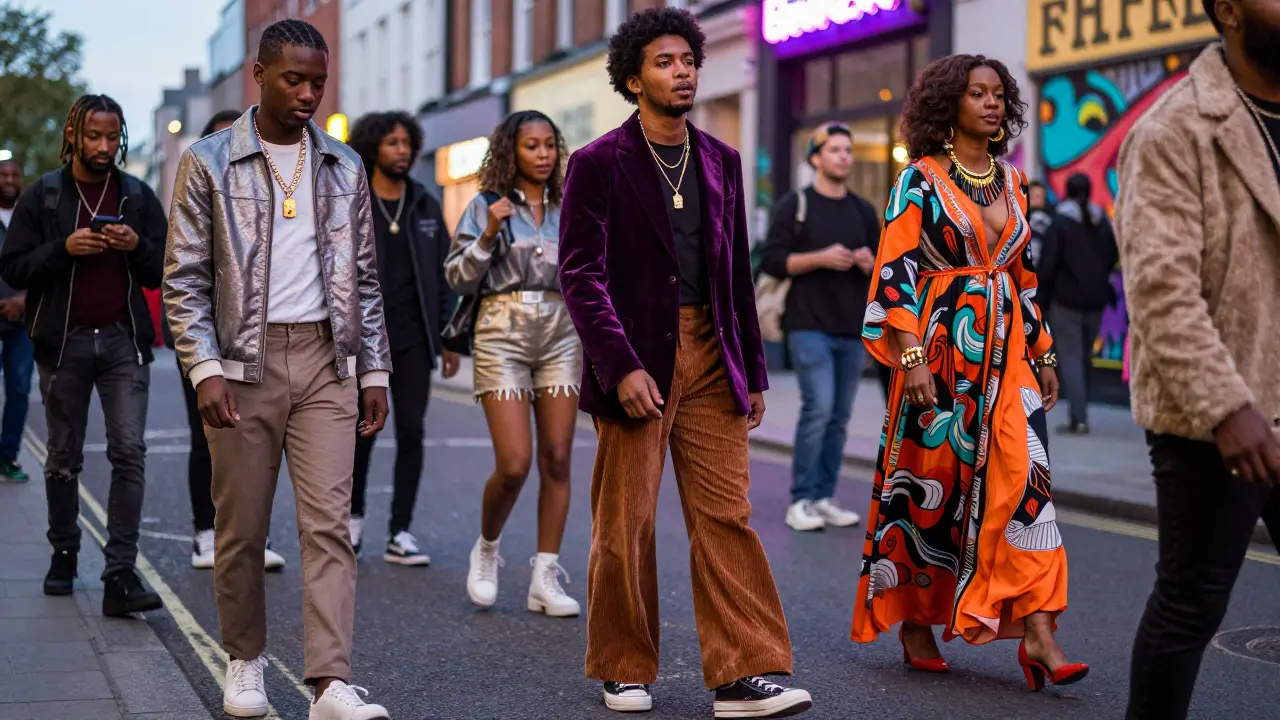
Today, the influence of soul music fashion is everywhere. Designers like Virgil Abloh (Off-White), Pharrell Williams, and Beyoncé’s creative team frequently reference these eras. We see it in the resurgence of vintage band tees, the popularity of wide-leg trousers, and the ongoing celebration of natural hair textures. Social media platforms like Instagram and TikTok have accelerated this revival, allowing users to curate looks inspired by old album covers and concert footage.
High fashion houses also draw inspiration from this legacy. Brands like Gucci and Balenciaga have incorporated elements of 70s soul style into their collections. However, the most authentic expressions remain in streetwear. Sneaker culture, for instance, owes much to the athletic yet stylish vibe of 70s funk musicians. The key takeaway is that soul music fashion isn't stuck in the past; it's a living, breathing influence that adapts to contemporary contexts.
How to Incorporate Soul Music Aesthetics Today
If you want to channel this vibe, start with fit. Whether it's a sharp blazer or a flowing maxi dress, ensure it fits well. Add texture through materials like velvet, silk, or corduroy. Accessorize with bold pieces-think chunky jewelry or a statement hat. Don't forget footwear; loafers, boots, or even sneakers can anchor the look. Finally, embrace confidence. The essence of soul music fashion is not just what you wear, but how you carry yourself.
What defines the 'Motown Look'?
The Motown Look refers to the polished, professional style promoted by Motown Records in the 1960s. For men, it included slim-fit suits and narrow ties. For women, it featured coordinated ensembles, miniskirts, and go-go boots. The goal was to present a respectable image to broader audiences.
How did Black Power movement influence fashion?
The Black Power movement encouraged a rejection of assimilationist styles. People began wearing afros, dashikis, and African prints to celebrate their heritage and assert political identity. This shift emphasized natural beauty and cultural pride over conforming to Western standards.
Who are some modern designers influenced by soul music fashion?
Designers like Virgil Abloh, Pharrell Williams, and Rihanna’s Fenty brand often draw inspiration from soul music eras. They incorporate vintage silhouettes, bold colors, and cultural references into contemporary collections, bridging historical aesthetics with modern trends.
Can I wear soul music-inspired outfits casually?
Absolutely. You can adapt soul music aesthetics for everyday wear by mixing vintage pieces with modern basics. Try pairing a wide-leg trouser with a simple t-shirt and loafers, or adding a colorful scarf to a neutral outfit. Focus on fit and confidence rather than strict adherence to period accuracy.
Why is natural hair important in soul music fashion history?
Natural hair, particularly the afro, became a symbol of Black pride and resistance during the late 1960s and 1970s. It represented a departure from Eurocentric beauty standards and affirmed the beauty of African features. This choice was deeply political and personal, influencing generations to embrace their natural texture.