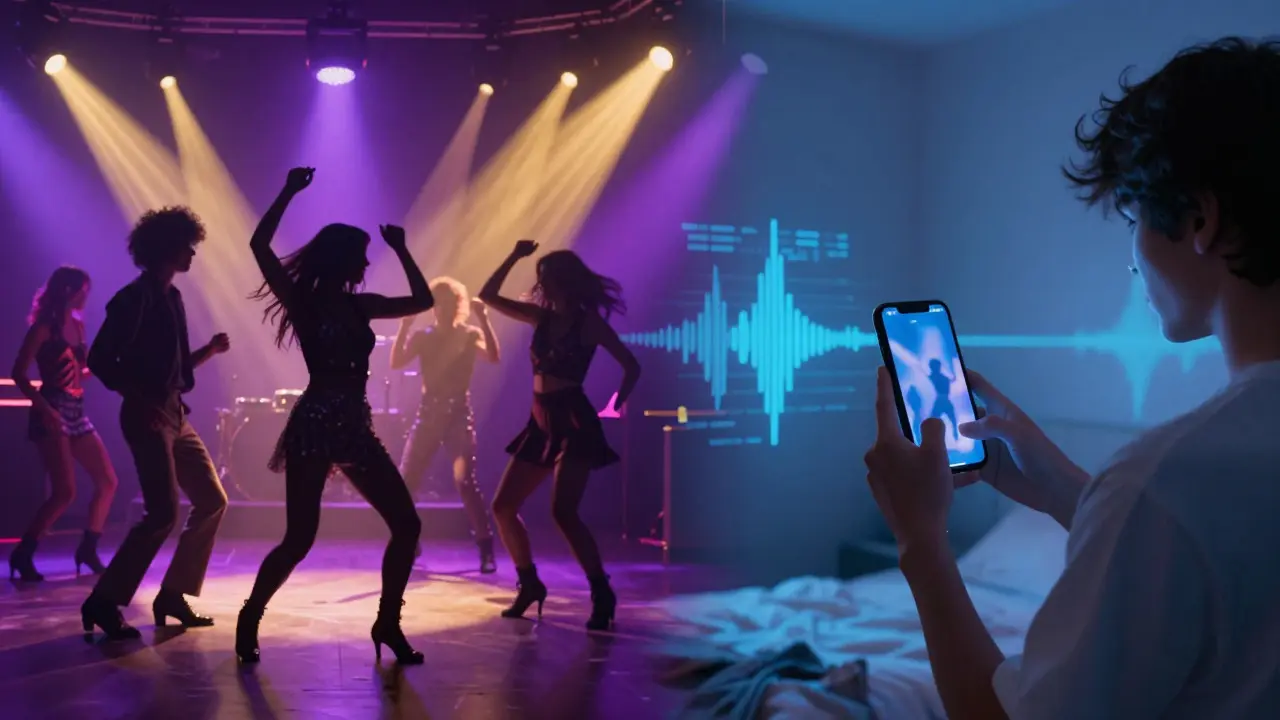
Remember when you had to go to a specific club or watch MTV to see how people were dancing? Those days are gone. Today, a pop song is a commercially successful musical track designed for mass appeal, often featuring catchy hooks and rhythmic structures that encourage movement can spawn a global dance craze in less than forty-eight hours. You don't need a studio. You just need a smartphone.
The relationship between pop music and dance isn't just about entertainment anymore; it's a feedback loop. Artists write songs with dances in mind. Dancers create moves that make songs hit number one. This symbiosis has reshaped how we consume music, how we express ourselves physically, and even how the music industry markets its biggest stars. If you think your favorite trend started organically, think again. It was engineered, shared, and amplified by a system where rhythm meets algorithm.
The Symbiotic Loop of Sound and Movement
Historically, pop music and dance have been inseparable partners. Think back to the disco era of the late 1970s. The beat was four-on-the-floor, steady and hypnotic, designed specifically for the disco dance is a style of social dance characterized by fluid movements, high energy, and synchronization with a strong bassline. Without the music, the dance loses its pulse. Without the dance, the music lacks its physical manifestation in clubs. But today, the connection is tighter and faster.
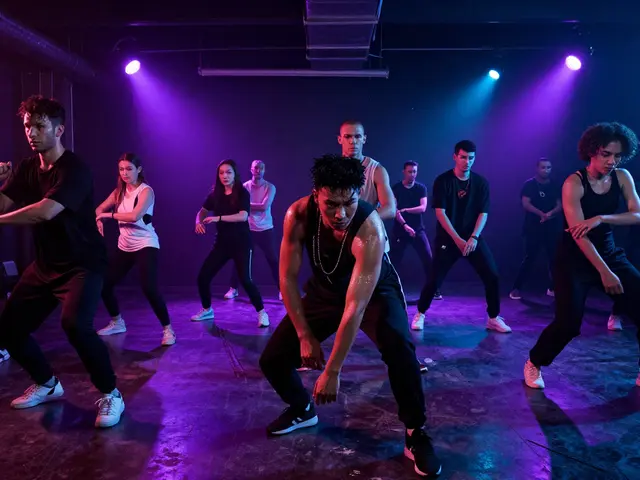
In the modern landscape, choreography is often baked into the production process before the album drops. When Dua Lipa released "Don't Start Now," the accompanying choreography wasn't an afterthought; it was a marketing asset. The sharp arm movements and footwork were simple enough for amateurs but stylish enough for pros. This accessibility is key. Pop music thrives on participation. If the dance is too hard, people watch. If it's easy, they join in. And when millions join in, the song becomes unavoidable.
- Accessibility: Moves must be learnable in under thirty seconds via short-form video.
- Repetition: Chorus sections often contain isolated beats perfect for accentuating specific gestures.
- Viral Potential: The dance should look good from a static camera angle (selfie mode).
Social Media as the New Dance Floor
The rise of platforms like TikTok is a short-form video sharing app that has revolutionized music discovery through algorithm-driven content feeds changed everything. Before TikTok, dance trends spread through television shows, movies, or celebrity appearances. Now, they spread through user-generated content. A teenager in Melbourne can start a trend that is replicated by someone in Tokyo within hours.
This shift has democratized dance culture but also commercialized it. Brands now pay dancers to create challenges. Labels hire choreographers to design "viral moments" for upcoming singles. The barrier to entry is low, but the competition for attention is fierce. As a result, dances have become shorter, punchier, and more visually distinct. Subtle nuances are lost because they don't translate well to a six-second clip. What remains is the hook-the visual equivalent of an earworm.
| Era | Primary Platform | Speed of Spread | Complexity of Moves |
|---|---|---|---|
| 1970s-80s | TV/Movies | Weeks to Months | High (Professional Choreography) |
| 1990s-2000s | MTV/YouTube | Days to Weeks | Medium (Iconic Signature Moves) |
| 2010s-Present | TikTok/Social Media | Hours to Days | Low (Simple, Repetitive Gestures) |
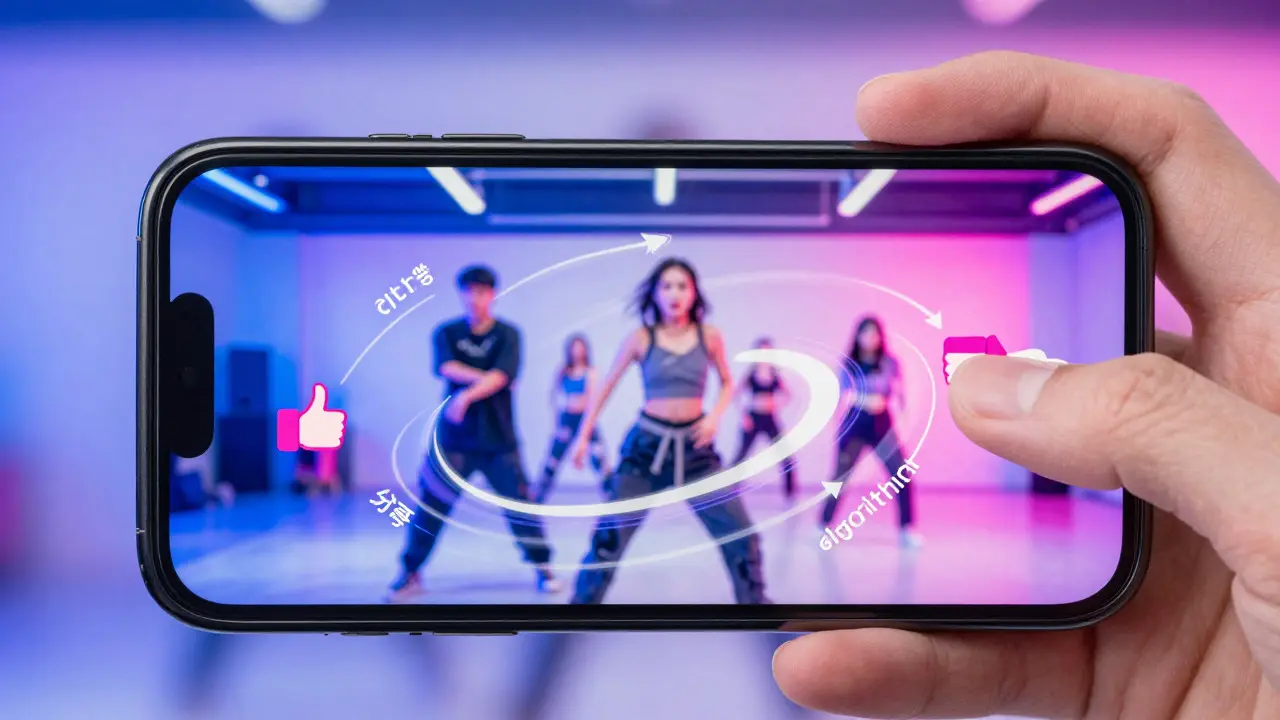
Choreography as Marketing Strategy
Let’s be honest: many pop hits are built around their dances. Consider the "Thriller" moonwalk or the "WAP" challenge. These weren't accidental successes. They were calculated risks that paid off massively. In 2025 and 2026, this strategy has become standard operating procedure. Record labels analyze data to see which types of movements get the most engagement. Is it hand gestures? Footwork? Body rolls? They tailor the song's structure to highlight these elements.
This approach benefits artists by extending the lifecycle of a single. A song might peak on streaming charts in two weeks, but if the dance challenge keeps going, the song stays relevant for months. Fans keep listening to practice the moves. Creators keep posting variations. The algorithm keeps pushing it. It’s a self-sustaining cycle of exposure. For independent artists, mastering this dynamic is no longer optional-it’s essential for survival in a crowded market.
Globalization of Dance Styles
Pop music acts as a vehicle for cultural exchange. K-pop groups like BTS and Blackpink have introduced intricate Korean choreography styles to Western audiences. Latin pop stars like Bad Bunny bring reggaeton rhythms and salsa-inspired steps to mainstream playlists. This globalization enriches dance culture by blending traditions. However, it also raises questions about appropriation versus appreciation.
When a complex traditional dance move is stripped of its context and turned into a fifteen-second meme, does it lose meaning? Sometimes, yes. But often, it sparks curiosity. People who wouldn't normally explore Afrobeat or Bollywood dance might start because they saw a snippet in a pop video. The net effect is usually positive: increased visibility for diverse art forms. Still, credit matters. Acknowledging origins builds respect and deepens the cultural conversation.
The Impact on Physical Expression and Identity
Beyond marketing and metrics, pop-influenced dance affects how individuals express themselves. For many young people, learning a trending dance is a way to connect with peers. It’s a shared language. In schools, workplaces, and parties, knowing the latest moves signals belonging. It reduces social friction and creates instant bonds.
However, there’s a downside. The pressure to perform can lead to anxiety. Not everyone feels comfortable dancing in public. The constant comparison to polished influencers can make amateur attempts feel inadequate. Yet, the core appeal remains: joy. Despite the commercial machinery behind it, people still dance because it feels good. The endorphin rush is real. The community aspect is genuine. Even if the origin is corporate, the experience is personal.
Future Trends: AI and Virtual Dance
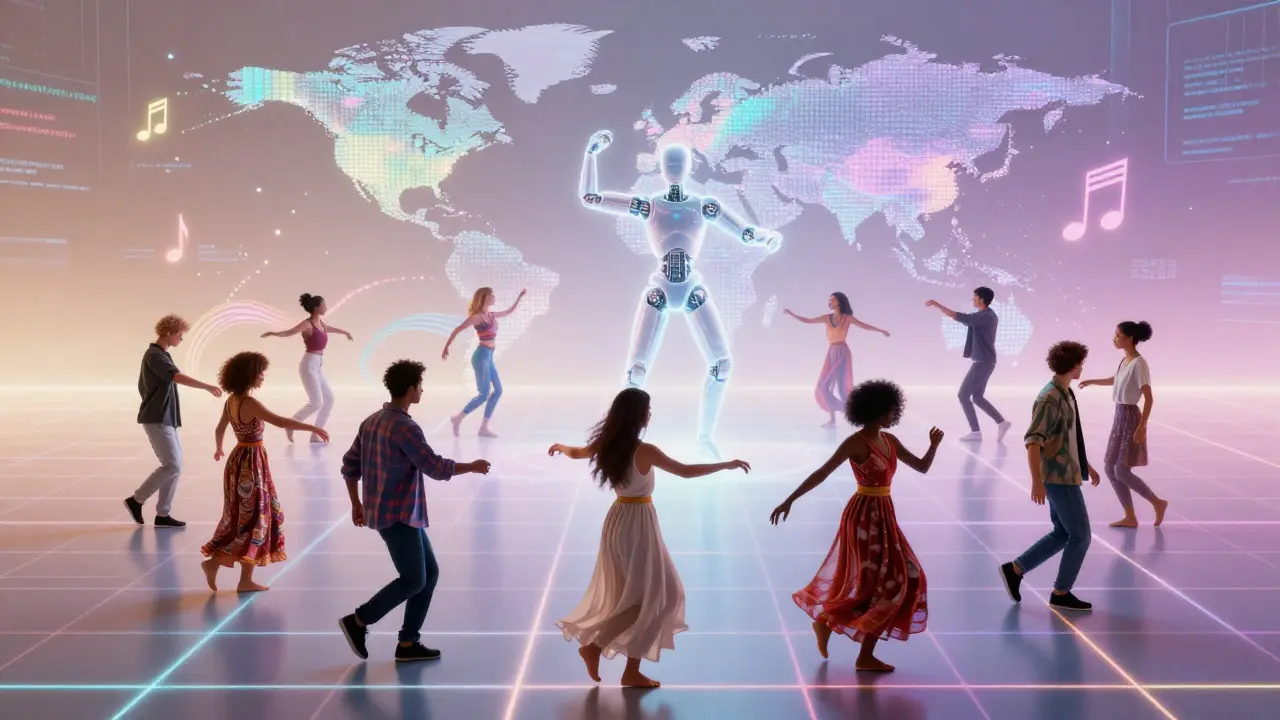
Looking ahead, technology will continue to reshape this landscape. Artificial intelligence is already being used to generate choreography suggestions based on audio analysis. Virtual reality concerts allow fans to dance alongside avatars of their favorite artists. By 2027, we may see fully immersive dance experiences where physical location doesn’t matter. Will this dilute the authenticity of human movement? Perhaps. Or it might expand the definition of dance itself.
As tools evolve, so do creative possibilities. The next big trend might not come from a human dancer at all-it could be an algorithm predicting what moves will resonate most. But regardless of the source, the desire to move to music is fundamental. Pop music provides the soundtrack; dance culture provides the body. Together, they keep evolving, adapting, and connecting us across borders and generations.
How does pop music influence dance trends?
Pop music influences dance trends by providing rhythmic structures and catchy hooks that inspire choreography. Artists and labels often design songs with specific dance moves in mind, leveraging social media platforms to amplify these movements globally. The simplicity and repeatability of these dances make them accessible to wide audiences, driving viral participation.
What role does TikTok play in modern dance culture?
TikTok serves as the primary engine for spreading dance trends today. Its algorithm promotes engaging content rapidly, allowing new dances to reach millions of users within hours. The platform encourages user-generated content, turning everyday people into trendsetters and creating a decentralized model for dance innovation.
Are viral dances harmful to traditional dance forms?
While some argue that viral dances oversimplify complex traditions, they often introduce broader audiences to diverse styles. This exposure can spark interest in learning authentic techniques. However, proper attribution and respect for cultural origins are crucial to avoid appropriation and maintain integrity.
Why do record labels invest in choreography?
Record labels invest in choreography because dances extend the lifespan of a song. Viral challenges keep tracks relevant on streaming platforms longer than audio alone would. This strategy boosts sales, increases brand visibility, and engages fans actively rather than passively.
Can anyone participate in pop dance trends?
Yes, most pop dance trends are designed for mass participation. They feature simple, repetitive moves that require minimal training. This inclusivity allows people of all skill levels to join in, fostering a sense of community and shared enjoyment.