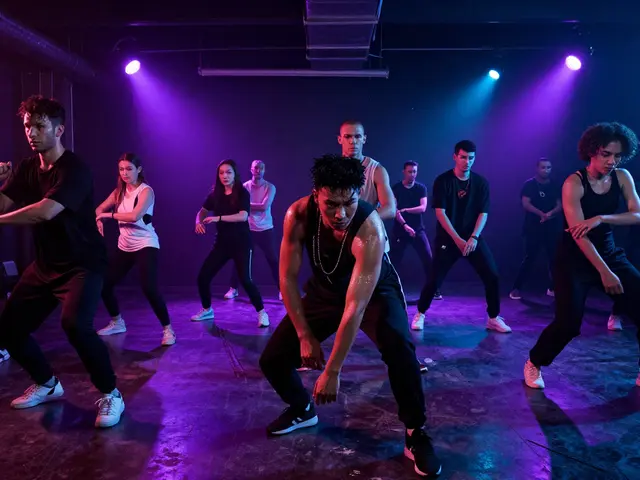
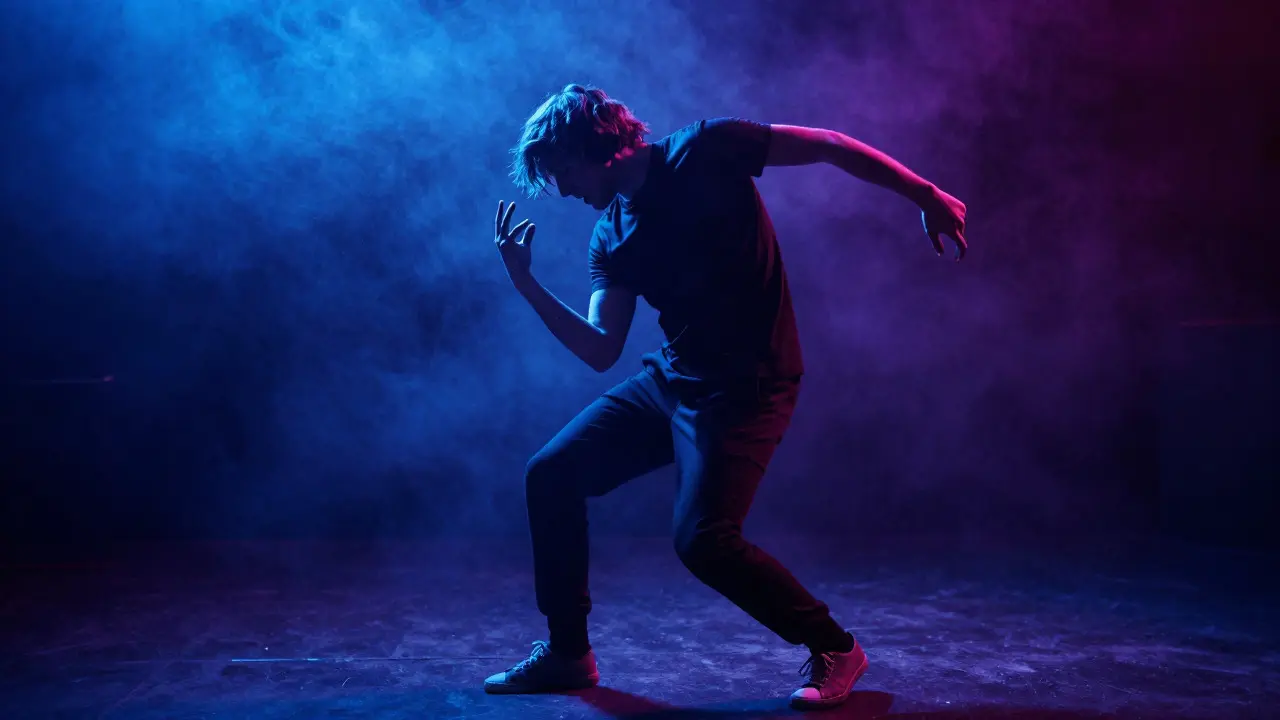
Imagine standing in a dimly lit room, the air thick with anticipation. Suddenly, a massive bass drop hits-your body instinctively jerks, knees buckle, and you stomp hard enough to shake the floorboards. This isn’t just moshing; it’s dubstep dance, a visceral reaction to sound that has evolved from underground rave culture into a legitimate, high-intensity fitness regimen. If you’re tired of counting reps on a treadmill or forcing yourself through rigid yoga poses, this might be the missing link in your workout routine.
Dubstep dance is not about perfect technique or synchronized lines like ballet. It’s about kinetic expression driven by the erratic, heavy rhythms of electronic music. For fitness enthusiasts, this translates to an unpredictable, full-body workout that engages core stability, explosive power, and cardiovascular endurance simultaneously. You aren't just moving to the beat; you are physically manifesting the audio frequencies.
The Anatomy of a Dubstep Move
To understand why this works as exercise, we have to look at what actually happens when you dance to artists like Skrillex, Excision, or RL Grime. The genre is defined by its syncopated beats and sudden shifts in tempo. Your body must react instantly to these changes, creating a form of interval training that mirrors HIIT (High-Intensity Interval Training).
Consider the "drop." In traditional aerobics, you might step up and down for ten minutes straight. In dubstep dance, you build tension during the intro, holding static poses or doing slow, controlled movements. Then, the drop hits. You explode into rapid-fire footwork, chest pops, and head bounces. This stop-start mechanism keeps your heart rate spiking unpredictably, which is highly effective for burning calories and improving metabolic flexibility.
| Movement Type | Primary Muscle Group | Fitness Benefit |
|---|---|---|
| Chest Pop | Pectorals, Core | Explosive upper body power |
| Head Bounce | Neck, Trapezius | Rhythm coordination & stamina |
| Stomp/Jump | Quadriceps, Calves | Bone density & impact strength |
| Body Roll | Abdominals, Obliques | Core stability & flexibility |
These moves require significant engagement from muscles you rarely use in standard gym routines. The constant micro-adjustments needed to stay balanced while stomping engage your stabilizer muscles in the ankles and hips. Meanwhile, the upper body isolation moves-like popping your shoulders independently of your arms-build neuromuscular control.
Why Electronic Music Drives Performance
There is a reason why runners listen to techno and weightlifters blast metal. Music affects our physiological response to exertion. Dubstep, with its average tempo of 140 BPM (beats per minute), sits in a sweet spot for moderate-to-high intensity cardio. Research published in the Journal of Sports Sciences indicates that synchronous music can reduce perceived exertion by up to 15%. When the beat matches your stride or movement rhythm, your brain uses less energy to coordinate motion.
Dubstep is a subgenre of electronic dance music characterized by sparse, syncopated rhythmic patterns typically at 138-142 beats per minute. Originating in South London in the late 2000s, it relies heavily on sub-bass frequencies and aggressive synthesizer sounds.The low-frequency bass drops trigger a primal response. Psychologically, this lowers your inhibition threshold. You feel more powerful, more connected to the moment, and less aware of muscle fatigue. This state, often called "flow," allows you to push harder than you would in silence. For someone struggling to finish a 30-minute run, switching to a dubstep playlist can trick your brain into sustaining effort longer because the auditory stimulation overrides the physical discomfort signals.
Building Your First Routine
You don’t need a studio or a partner to start. Here is how to structure a basic 20-minute dubstep dance session at home:
- Warm-up (5 minutes): Start with slower electronic tracks. Focus on loose joints-roll your shoulders, stretch your hamstrings, and do light jumping jacks. Get the blood flowing without locking into a rhythm yet.
- Foundation Phase (5 minutes): Pick a track with a clear, steady beat. Practice the basic "bounce": bending your knees slightly on every beat. Add simple arm swings. The goal is synchronization, not complexity.
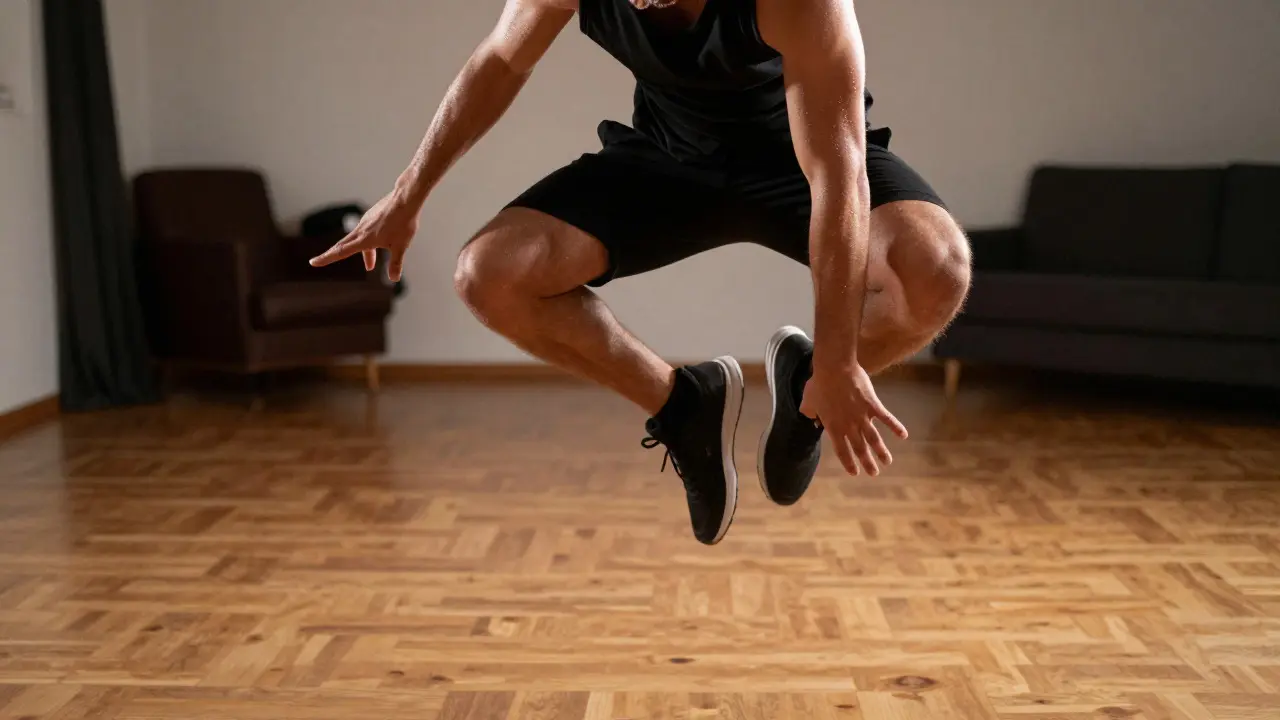
- Explosion Phase (7 minutes): Switch to a high-energy track with prominent drops. When the buildup starts, hold a squat position. On the drop, release with jumps, stomps, and sharp arm movements. Let the chaos guide you. Don't plan the next move; react to the sound.
- Cool Down (3 minutes): End with ambient electronic music. Stretch deeply, focusing on the calves, lower back, and neck-areas that take the most impact during dancing.
The key here is improvisation. Unlike Zumba or hip-hop classes where you memorize choreography, dubstep dance rewards spontaneity. If you miss a beat, you didn't fail; you just adapted. This reduces performance anxiety, making it easier to stick with the routine long-term.
Safety and Joint Health
Because dubstep dance involves repetitive impact-stomping, jumping, landing-you need to protect your joints. The Achilles tendon and knee cartilage are particularly vulnerable if you're new to high-impact activities.
- Footwear Matters: Avoid flat-soled shoes like Converse or Vans for intense sessions. They offer little shock absorption. Opt for cross-training shoes with good cushioning and lateral support. Running shoes can sometimes be too soft, causing instability during side-to-side movements, so find a middle ground.
- Surface Selection: Concrete floors are enemy number one. If you're dancing at home, use a rug, yoga mat, or hardwood floor. Outdoor concrete should be avoided for heavy stomping unless you have excellent footwear and conditioning.
- Knee Alignment: When stomping or squatting, ensure your knees track over your toes, not caving inward. This prevents ACL strain. Keep a slight bend in your knees even when standing still to absorb shock naturally.
If you have pre-existing joint issues, modify the impact. Instead of full stomps, try "soft landings" where you roll from heel to toe upon contact. You can still get the cardiovascular benefit and the rhythmic engagement without the pounding force.

Community and Culture
One of the hidden benefits of dubstep dance is the community aspect. While you can do it alone, the culture thrives in groups. Raves, festivals, and local club nights create spaces where fitness meets social connection. Being part of a crowd moving together releases oxytocin, the bonding hormone, which enhances mood and reduces stress.
In cities like Perth, Melbourne, and Sydney, underground dance crews often host workshops specifically focused on "bass culture" movement. These aren't formal lessons but rather jam sessions where experienced dancers demonstrate techniques and beginners join in. This peer-learning environment accelerates progress because you learn by osmosis and observation rather than rote instruction.
Moreover, the inclusivity of the scene cannot be overstated. There is no "right" way to look or move. Body size, age, and background are irrelevant when the bass hits. This removes the judgment factor often present in gyms or dance studios, making it accessible to people who might otherwise avoid public exercise settings.
Integrating Dubstep into Long-Term Fitness
To make this sustainable, treat dubstep dance as one component of a balanced fitness plan. It excels at cardio and anaerobic power but doesn't replace strength training or flexibility work entirely.
Aim for two to three sessions per week. Combine it with resistance training on off-days to build the muscle foundation that supports dynamic movement. As your fitness improves, you'll notice increased agility, better balance, and higher energy levels throughout the day. The mental clarity gained from expressing yourself through movement often spills over into work and personal life, reducing overall stress levels.
Start small. Put on a track, turn off the lights, and let your body respond. You might surprise yourself with how much fun-and how much sweat-it takes to truly feel the bass.
Is dubstep dance suitable for beginners?
Yes, absolutely. Because there is no strict choreography to memorize, beginners can start immediately by simply bouncing to the beat. Focus on comfort and gradual intensity increases rather than complex moves. Listen to your body and take breaks as needed.
How many calories does dubstep dance burn?
Calorie burn varies based on intensity and body weight, but a vigorous 30-minute session can burn between 200 and 400 calories. The unpredictable nature of the movements keeps your metabolism elevated post-workout due to excess post-exercise oxygen consumption (EPOC).
Do I need special equipment?
No special equipment is required beyond comfortable clothing and supportive footwear. A good quality speaker or headphones is essential to hear the nuances of the bass and rhythms clearly. Ensure you have enough space to move freely without hitting objects.
Can dubstep dance help with stress relief?
Yes, significantly. The combination of physical exertion, rhythmic entrainment, and expressive movement triggers the release of endorphins and dopamine. Many practitioners report feeling a sense of catharsis after intense sessions, helping to process emotional tension.
What are the best songs for starting out?
Look for tracks with clear, consistent beats before exploring more chaotic styles. Artists like Chase & Status, Netsky, or early Skrillex offer structured rhythms that are easier to sync with initially. Avoid overly complex experimental tracks until you develop better rhythm perception.