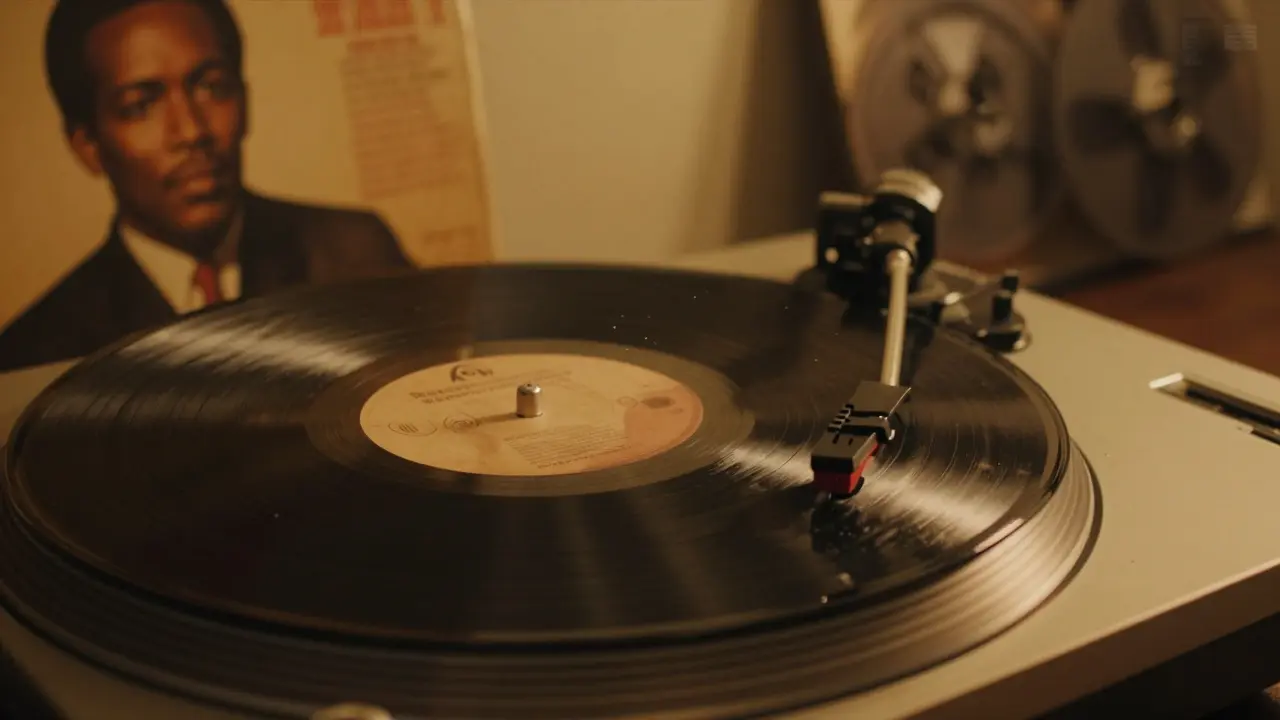
There is a specific feeling you get when the needle drops on an old vinyl record. It’s warm, slightly crackly, and immediately pulls you into a room where emotion matters more than perfection. That feeling belongs to Soul Music, a genre born from the fusion of gospel, rhythm and blues, and jazz that prioritizes raw emotional expression and vocal prowess. For decades, this sound defined American culture, breaking racial barriers and setting the standard for popular songwriting. But here we are in 2026, and something interesting is happening. The same music that dominated the airwaves in the 1960s and 70s is not just surviving; it is thriving again.
You might be wondering why a genre rooted in analog tape machines and live bands is making such a strong comeback in an era dominated by AI-generated beats and hyper-pop. The answer isn't nostalgia alone. It’s a hunger for authenticity. In a digital world that feels increasingly curated and fake, listeners are craving the human imperfection, the grit, and the genuine heartbreak found in a soul record. This article explores how soul music rose to power, why it faded into the background, and exactly how it has clawed its way back to the center of the cultural conversation.
The Birth of a Sound: Roots and Revolution
To understand the current resurgence, you have to look at where this music started. Soul music didn't appear out of thin air. It was forged in the churches of the American South and the clubs of Northern cities like Detroit and Memphis. In the late 1950s and early 1960s, producers began blending the spiritual intensity of gospel music with the secular rhythms of R&B. The result was a sound that demanded feeling above all else.
Ray Charles is often credited as the first true soul singer because he took gospel hymns and wrote secular lyrics over them, a move that shocked some but electrified audiences. He proved that the emotional weight of church music could carry a love song or a breakup anthem. Shortly after, two distinct styles emerged that would define the genre's golden age.
In Detroit, Berry Gordy founded Motown Records. His vision was industrial yet elegant. He created an assembly line for hits, polishing songs until they were smooth enough for radio play across racial lines. You had groups like The Supremes and soloists like Stevie Wonder delivering messages of hope and unity wrapped in catchy melodies. This was "clean" soul, designed to cross over to white audiences without losing its black roots.
Meanwhile, in Memphis, Stax Records offered a different flavor. Their sound was grittier, rawer, and more grounded in the blues. Artists like Otis Redding and Sam & Dave sang with a desperation that felt real. There was no polish here, just pure, unadulterated emotion. These two poles-Motown's polish and Stax's grit-created the foundation upon which all future soul music would be built.
The Golden Age: Civil Rights and Cultural Shifts
Soul music did not exist in a vacuum. It grew up alongside the Civil Rights Movement. In the 1960s, the music became the soundtrack for social change. When Aretha Franklin released "Respect" in 1967, it wasn't just a pop hit; it was a demand for dignity from both men and society. Her voice, powerful and commanding, gave women a new template for authority in music.
This era also saw the rise of funk, a subgenre that tightened the rhythm and emphasized the bassline. James Brown, often called the Godfather of Soul, pushed the boundaries of what a performance could be. His influence stretched far beyond music, affecting fashion, dance, and political activism. By the end of the decade, soul had evolved into something more complex, incorporating elements of rock and psychedelia.
Then came the 1970s, a time of transition. As disco began to take over the clubs, traditional soul faced a crisis. Many critics argued that the commercialization of music was diluting its message. However, this period also birthed a sophisticated style known as Philadelphia Soul, produced by teams like Gamble and Huff. They added lush orchestration and smooth vocals, creating a sound that was both romantic and socially conscious. Despite these innovations, the mainstream attention was shifting toward electronic instruments and dance floors, leaving the traditional band-based soul sound somewhat sidelined.
The Decline and the Digital Disconnect
By the 1980s and 1990s, the landscape of popular music had changed dramatically. Hip-hop and synth-pop dominated the charts. Soul music seemed to disappear from the mainstream, relegated to college radio stations and older demographics. The technology of recording also shifted. With the advent of MIDI and digital sampling, the need for large ensembles of musicians diminished. Producers could create entire tracks with a drum machine and a synthesizer.
This technological shift had a profound effect on the texture of the music. The warmth of analog tape, the slight timing variations of a live drummer, and the breathiness of a real saxophone player were replaced by quantized perfection. While this allowed for new creative possibilities, it also stripped away much of the human element that defined soul. Listeners who craved that organic connection found themselves underserved by the mainstream industry.
However, soul never truly died. It went underground. It merged with hip-hop, influencing the samples used by producers like J Dilla and Dr. Dre. It influenced the emergence of neo-soul in the late 1990s, led by artists like Erykah Badu and D'Angelo. Neo-soul brought back the live instrumentation and the jazzy harmonies, but it was still a niche movement compared to the explosion of rap and pop. For many years, soul remained a respected heritage genre rather than a driving force in contemporary culture.
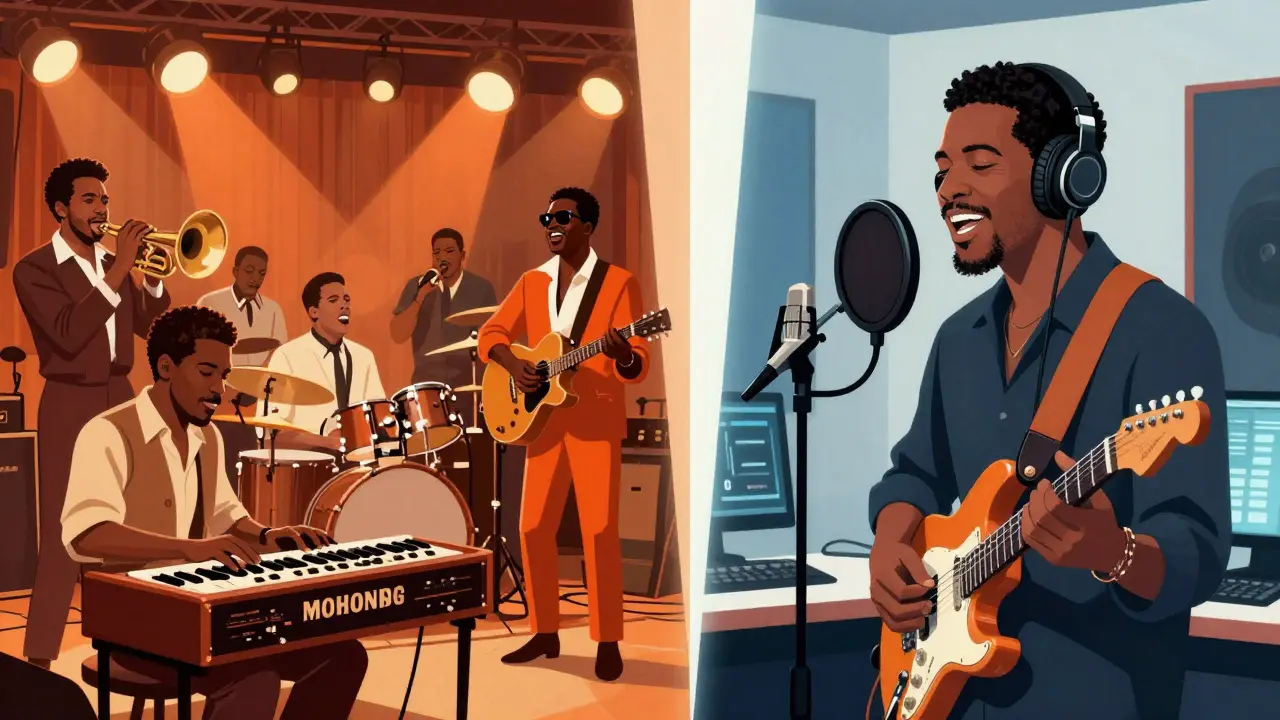
The Modern Resurgence: Why Now?
So, what changed? Why is soul music back in the spotlight in 2026? Several factors converge to explain this resurgence. First, there is a growing fatigue with overly produced, auto-tuned pop music. Listeners are seeking authenticity. They want to hear voices that crack with emotion, not ones that are corrected to robotic precision. This desire for "realness" has driven a surge in interest in vinyl records, a format that inherently favors the warm, dynamic range of soul recordings.
Second, the rise of streaming platforms has democratized access to music. Algorithms now connect listeners with obscure gems from the 1960s and 70s, introducing younger generations to artists they might never have discovered otherwise. Playlists titled "Vintage Soul" or "Deep Cuts" have millions of followers, keeping the catalog alive and relevant.
Third, a new generation of artists is actively reviving the soul tradition. These aren't just cover bands; they are innovators who blend classic soul techniques with modern production values. Artists like H.E.R., Daniel Caesar, and Yebba are leading this charge. They write their own material, play their own instruments, and prioritize lyrical depth. Their success proves that there is a massive market for music that feels human.
| Feature | Classic Soul (1960s-70s) | Modern Soul Revival (2020s) |
|---|---|---|
| Production Style | Analog tape, live bands, minimal editing | Hybrid: Live instruments with digital mixing/mastering |
| Vocal Approach | Raw, emotive, often unpolished | Polished but retaining emotional vulnerability |
| Distribution | Physical records, radio broadcasts | Streaming platforms, vinyl reissues, social media |
| Cultural Context | Civil Rights Movement, social upheaval | Digital fatigue, search for authenticity |
| Key Instruments | Horn sections, Hammond B3 organ, electric bass | Same core instruments plus subtle electronic textures |
The Role of Vinyl and Physical Media
You cannot talk about the resurgence of soul music without mentioning vinyl. In recent years, vinyl sales have surpassed CD sales for the first time in decades. This is not a coincidence. Soul music was originally recorded on tape and mixed for mono or stereo vinyl playback. The dynamic range and tonal qualities of these recordings translate beautifully to the physical medium.
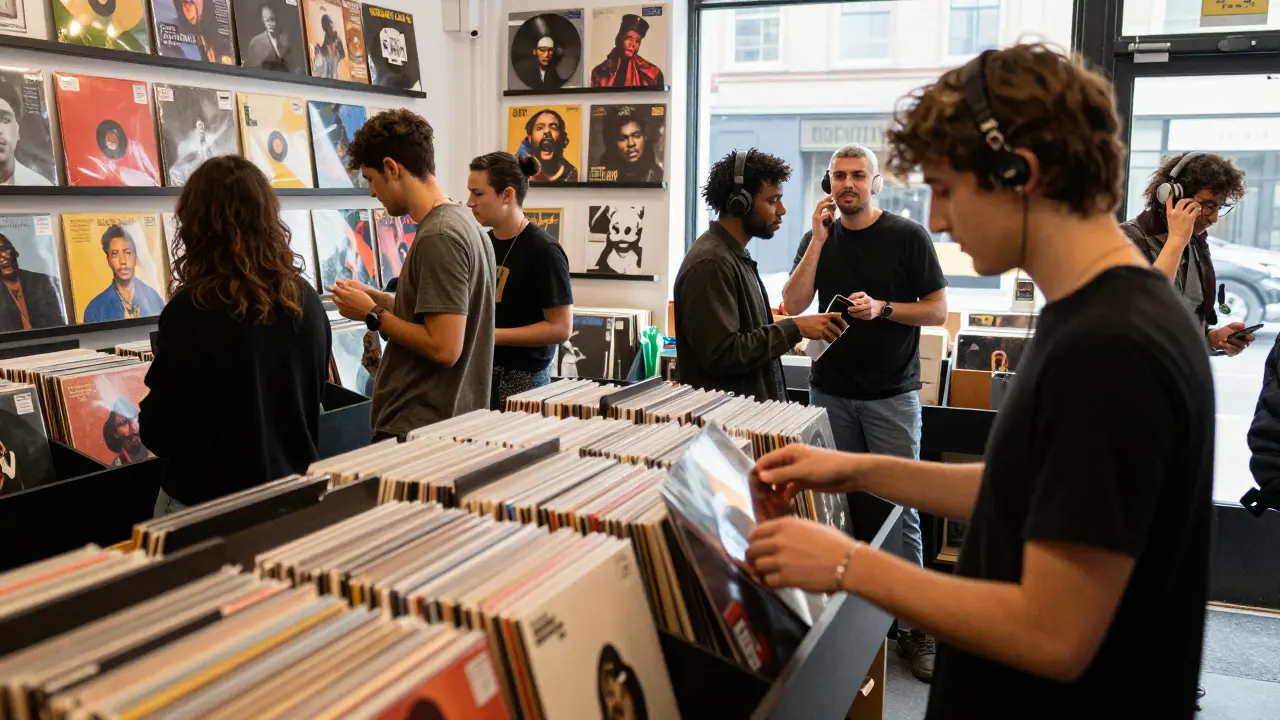
When you buy a vinyl record, you are engaging in a ritual. You have to handle the disc, place the needle, and listen to the whole side. This forces a level of attention that streaming rarely demands. For soul music, which relies heavily on nuance and subtlety, this attentive listening experience enhances the impact of the music. Record stores, once dying breeds, are now thriving hubs of community, especially in cities like Melbourne, London, and New York. They curate collections that highlight the best of both classic and contemporary soul, bridging the gap between generations.
Global Influence and Local Scenes
While soul music originated in the United States, its appeal is now truly global. In the UK, artists like Amy Winehouse paved the way for a British soul revival that continues today with acts like Jorja Smith. In Australia, cities like Melbourne have developed vibrant scenes where jazz, blues, and soul intersect. Local venues host regular nights dedicated to this music, fostering a community of fans who appreciate the craft.
This global spread has also led to cross-cultural pollination. African artists are reclaiming their musical heritage, blending traditional sounds with soul influences. Latin America has seen a similar trend, with singers incorporating soulful phrasing into their regional styles. This expansion ensures that soul music remains a living, evolving genre rather than a museum piece.
How to Explore the Genre Today
If you are looking to dive deeper into the world of soul music, where do you start? Here are a few practical steps:
- Start with the Classics: Listen to the essential albums. Aretha Franklin's I Never Loved a Man the Way I Love You, Marvin Gaye's What's Going On, and Stevie Wonder's Talking Book are non-negotiable entry points.
- Explore the Subgenres: Don't limit yourself to one style. Try deep soul, funk, Philly soul, and neo-soul. Each offers a different flavor of the same emotional core.
- Support Contemporary Artists: Check out festivals and local gigs. Artists like Leon Bridges and Cory Henry are pushing the genre forward while respecting its roots.
- Buy Vinyl: If you can, invest in a turntable. The tactile experience of owning a physical copy of a soul album adds a layer of appreciation that digital files cannot match.
The resurgence of soul music is more than a trend; it is a correction. It is a reminder that technology should serve art, not replace it. As we move further into the digital age, the human voice, with all its flaws and beauty, will only become more valuable. Soul music teaches us that vulnerability is strength, and that sometimes, the most powerful thing you can do is simply feel.
What is the difference between soul music and R&B?
While the terms are often used interchangeably, soul music specifically emphasizes the emotional and gospel-influenced aspects of Rhythm and Blues. Soul tends to feature more prominent horn sections, call-and-response vocals, and a focus on lyrical themes of love, struggle, and spirituality. Modern R&B, particularly since the 1990s, has incorporated more electronic production, hip-hop beats, and smoother vocal stylings, whereas soul maintains a stronger connection to live instrumentation and raw vocal delivery.
Who are the key figures in the modern soul revival?
Several artists are leading the contemporary soul movement. H.E.R. combines guitar-driven soul with modern R&B sensibilities. Daniel Caesar brings a smooth, neo-soul vibe with collaborative projects. Yebba is known for her extraordinary vocal range and emotional depth. Additionally, Leon Bridges gained fame for his retro-inspired sound, while Cory Henry pushes the boundaries with his virtuoso Hammond B3 organ playing. These artists keep the genre fresh by blending classic techniques with current production methods.
Why is vinyl important for soul music?
Vinyl captures the full dynamic range and warmth of analog recordings, which is crucial for soul music. Digital formats often compress audio, losing subtle details in the instrumentation and vocals. Vinyl allows listeners to hear the nuances of a live band performance, including the room tone and instrument resonance. Furthermore, the physical act of playing a record encourages active listening, enhancing the emotional connection to the music.
How did Motown and Stax differ in their approach to soul?
Motown Records, based in Detroit, focused on polished, crossover-friendly productions with tight arrangements and catchy hooks, aiming for broad commercial success. Stax Records, located in Memphis, embraced a rawer, grittier sound that was deeply rooted in the blues and featured more improvisation and intense emotional delivery. Motown was like a well-tailored suit, while Stax was like worn-in denim-both stylish, but with very different textures and appeals.
Is soul music only for older generations?
Absolutely not. While the classics appeal to those who grew up with them, the resurgence of soul has attracted a young audience. Streaming algorithms introduce teens and young adults to vintage tracks, while contemporary soul artists incorporate modern elements that resonate with younger listeners. The themes of love, heartbreak, and social justice are universal and timeless, ensuring that soul music remains relevant across all age groups.