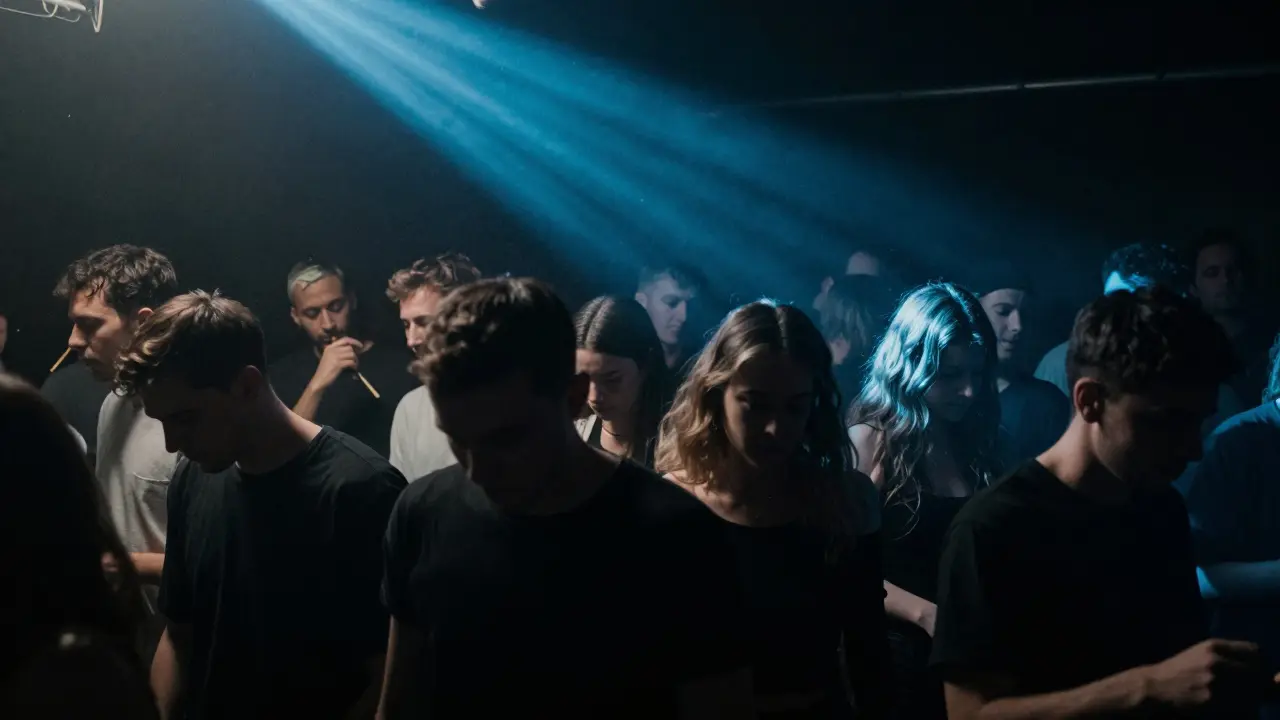
Picture this: The lights go down. A low rumble vibrates through the floorboards of the club or festival stage. Your chest starts to resonate with a frequency that feels less like sound and more like physical pressure. Then, the drop hits. It’s not just noise; it’s a chaotic explosion of wobbles, screeches, and heavy basslines. In that moment, standing still is an option, but moving? That’s where the real magic happens. This is Dubstep dance, a raw, unfiltered expression of energy that defies traditional choreography.
If you’ve ever stood at a Skrillex concert wondering why everyone else seems to know exactly how to react while you’re just holding your drink, you’re not alone. Dubstep doesn’t have a single "correct" way to move. Unlike ballet or salsa, there’s no strict syllabus. Instead, it’s a collection of styles, reactions, and cultural nods that have evolved alongside the genre itself. Understanding these movements isn’t about learning steps for a performance; it’s about connecting with the music on a visceral level.
The Anatomy of the Dubstep Beat
To understand the dance, you first have to understand the music. Dubstep is a genre of electronic dance music characterized by sparse, syncopated rhythmic patterns typically ranging between 138 and 142 beats per minute (BPM). What makes it unique is the emphasis on sub-bass frequencies-those deep, low-end sounds that you feel in your stomach rather than hear with your ears.
This musical structure dictates the movement. When the track builds up, the tension rises. Dancers often mirror this by becoming stiller, focusing inward, or engaging in subtle sways. But when the beat drops, the release needs a physical outlet. This creates a binary dynamic in dubstep dance: tension versus release. You aren’t just dancing *to* the music; you are reacting *against* the silence before the bass kicks in.
- Build-up: Characterized by rising synths and snare rolls. Movement here is usually restrained, anticipatory, or involves head-nodding to the increasing tempo.
- The Drop: The climax where the bassline takes over. This is where high-energy movements, jumps, and aggressive gestures occur.
- Breakdown: Moments of melodic respite. Dancers often use this time to catch their breath, socialize, or engage in smoother, flowing motions.
From Head Nods to Mosh Pits: Evolution of Style
Dubstep didn’t start in the mainstream EDM festivals we see today. It originated in South London in the late 1990s and early 2000s. Back then, the dance style was far more subdued. Think of the classic "head nod." It wasn’t about flailing arms; it was about feeling the weight of the bass. As the genre crossed the Atlantic and exploded in popularity around 2010-2012, the energy shifted dramatically.
The Americanization of dubstep brought higher BPMs and more aggressive production techniques. With this sonic shift came a change in dance culture. We saw the rise of more chaotic, high-intensity movements. The polite head nod evolved into full-body convulsions, jumping, and eventually, the formation of mosh pits within the crowd. This wasn’t violence; it was a shared release of adrenaline. If you watch footage from early Dirtybird parties, you’ll see a stark contrast to the organized line dances of country music or the synchronized routines of K-pop. Here, individuality reigns supreme.
Key Movements Every Raver Should Know
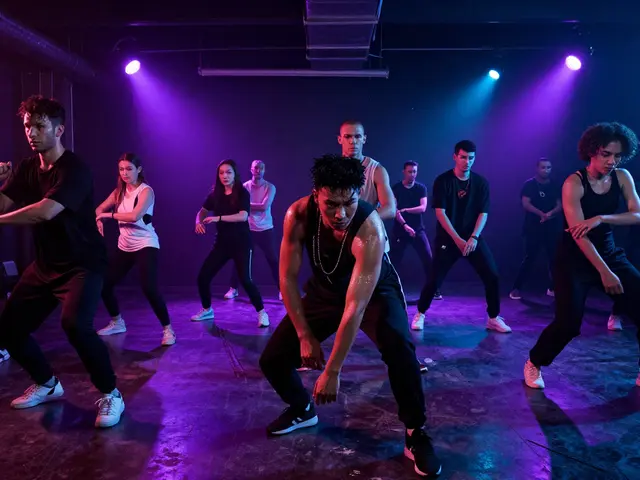
While there’s no official curriculum, certain movements have become iconic staples of the dubstep scene. Mastering these won’t make you a professional dancer, but they will help you blend in and express yourself confidently.
| Movement | Description | When to Use |
|---|---|---|
| The Head Nod | A sharp, rhythmic bobbing of the head in time with the kick drum or bass hit. | During build-ups or slower, deeper dubstep tracks. |
| The Arm Wave | Raising arms above the head and waving them side-to-side or in circles. | During melodic breakdowns or emotional peaks. |
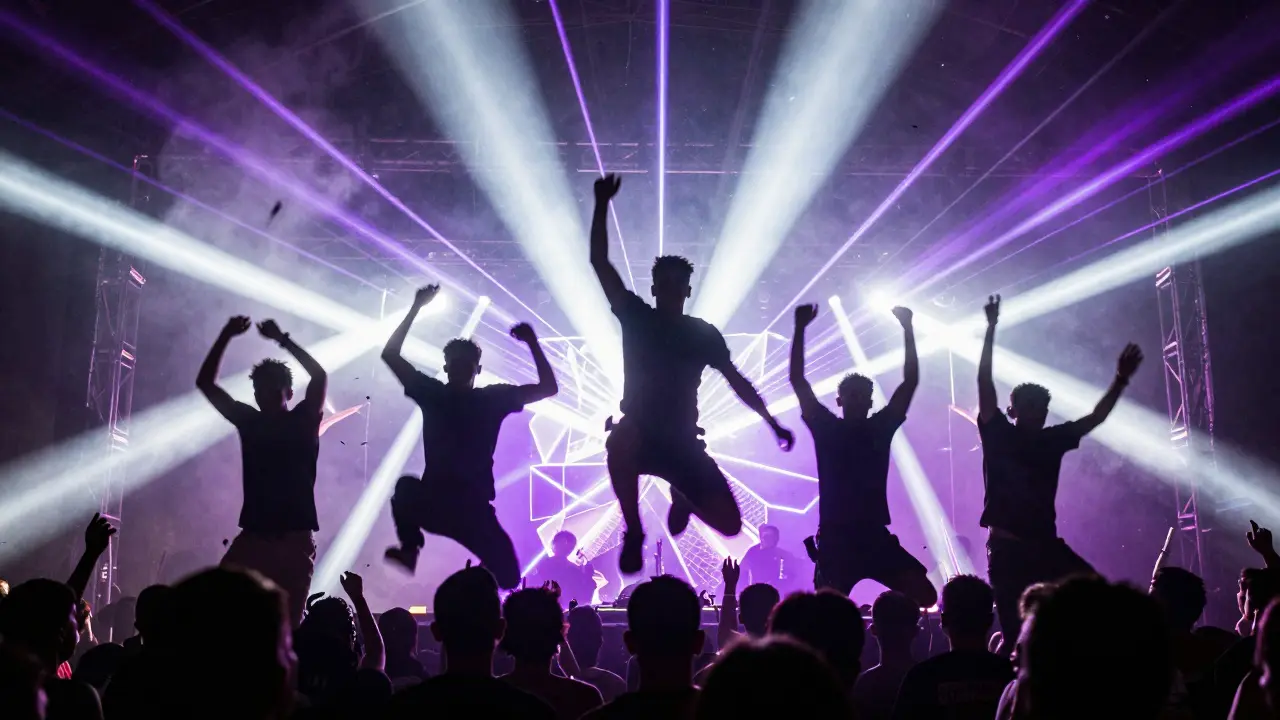
| The Jump | An explosive vertical leap timed precisely with the first hit of the drop. | Immediately after the drop begins. |
| The Shuffle | Quick footwork involving sliding feet forward and backward without lifting them completely off the ground. | During consistent four-on-the-floor sections or hybrid techno-dubstep sets. |
| The "Wobble" Walk | Bending knees and shaking the torso loosely to mimic the wobbling bassline. | When the distinctive "wub-wub" synth pattern plays. |
Safety First: Navigating the Crowd
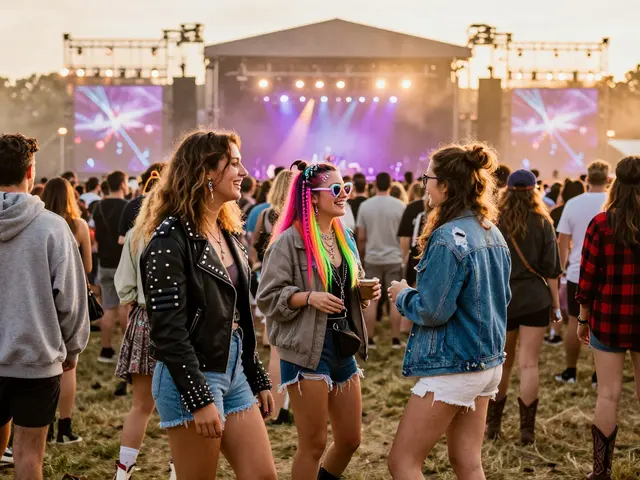
Let’s be real: Dubstep events can get intense. Whether you’re at a massive festival like Electric Daisy Carnival (EDC) or a local warehouse party, the density of the crowd increases significantly during the drop. Safety isn’t just a buzzword here; it’s essential for enjoying the night.
One of the biggest risks is getting pushed over or trampled. If you’re not comfortable in a mosh pit, stick to the back or sides of the dance floor. Always be aware of your surroundings. If someone falls, the general rule in rave culture is to help them up immediately. It’s a community built on mutual respect and care, despite the chaotic appearance.
Hearing protection is non-negotiable. Dubstep frequencies can reach levels that damage hearing permanently. Invest in high-fidelity earplugs like Eargasm or Loop Experience. These devices reduce decibel volume while preserving sound quality, allowing you to feel the bass without risking tinnitus.
Fashion as Function: Dressing for the Dance
Your outfit affects how you move. While fashion in the EDM scene is often bold and expressive, comfort should always come first. Heavy boots might look cool, but they can lead to ankle fatigue during hours of jumping. Opt for supportive sneakers with good grip. Festival grounds can be muddy or dusty, so avoid open-toed shoes if possible.
Clothing material matters too. Synthetic fabrics trap heat, leading to dehydration faster than breathable cotton or moisture-wicking materials. Since dubstep dance involves significant physical exertion, staying cool is part of the strategy. Also, consider pockets. You need somewhere secure to keep your phone, wallet, and ID. Fanny packs worn crossbody are popular because they stay secure during vigorous movement.
The Psychological Connection: Why We Move
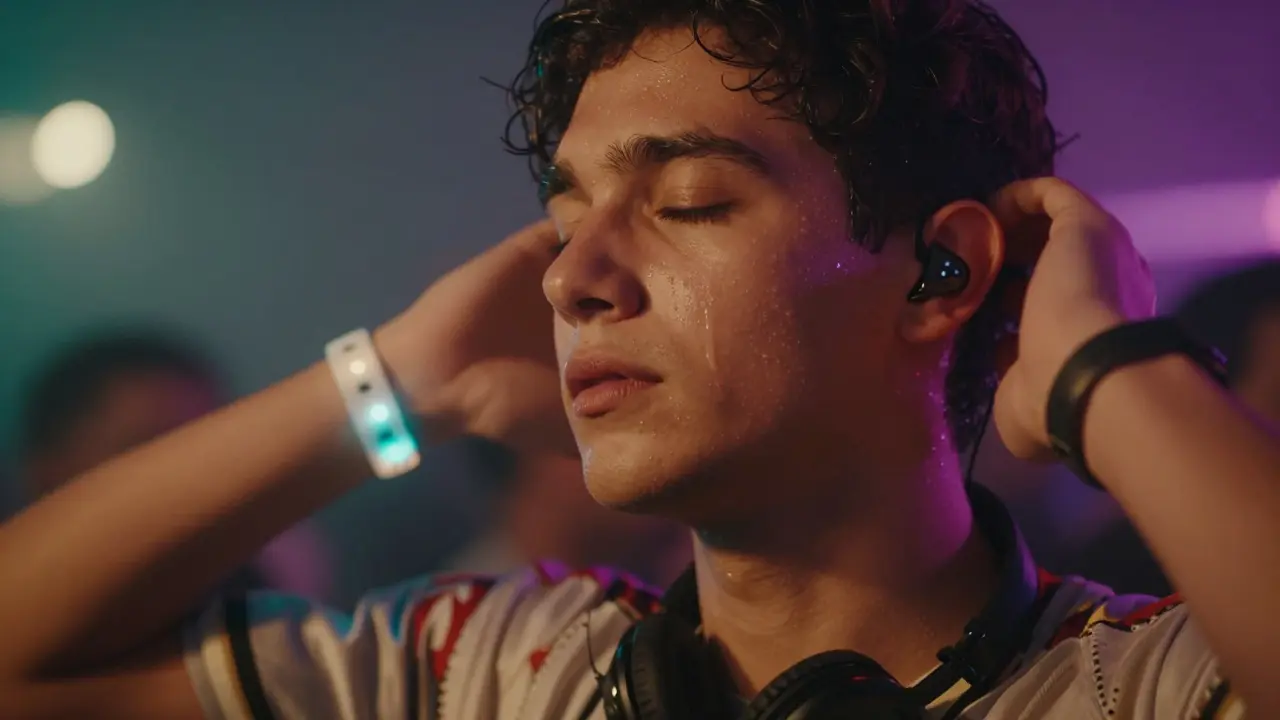
Why do people throw themselves into the chaos of a dubset? Psychologically, it’s about catharsis. Modern life is structured, quiet, and often restrictive. Dubstep offers a space where noise is celebrated and control is surrendered. Dancing to such intense music triggers the release of endorphins and dopamine. It’s a form of stress relief that is both physical and mental.
Studies in music psychology suggest that synchronous movement in groups enhances social bonding. When hundreds of people jump at the same time, it creates a sense of unity known as "collective effervescence." You aren’t just dancing for yourself; you’re contributing to a shared energy field. This connection is powerful and addictive, which explains why fans return to these events year after year.
Hybrid Genres and Future Trends
Dubstep hasn’t stayed static. It has merged with other genres to create new dance dynamics. Brostep, a harder variant popularized in the US, demands more aggressive movements. Meanwhile, Riddim, a minimalist offshoot, encourages repetitive, trance-like motion due to its looping, monotonous bass patterns. More recently, the fusion of dubstep with Hip Hop has introduced elements of breaking and popping into the dance vocabulary.
As technology advances, so does the experience. LED suits, reactive lighting, and immersive VR concerts are changing how we interact with bass music. However, the core essence remains: feeling the vibration and responding with your body. Whether you’re doing a simple head nod or a complex shuffle, the goal is the same-to let the music take over.
Is dubstep dance difficult to learn?
Not at all. Unlike ballroom or ballet, dubstep dance has no strict rules. It is primarily about free-form expression. Beginners can start with simple head nodding and gradually add arm movements or jumps as they become more comfortable with the rhythm and the crowd energy.
What is the best type of footwear for dubstep festivals?
Supportive athletic sneakers are ideal. They provide cushioning for jumping and stability for shuffling. Avoid high heels, sandals, or heavy boots, as they can cause fatigue or injury in crowded, uneven environments.
Do I need to join a mosh pit to enjoy dubstep?
No. Mosh pits are optional and not for everyone. Many attendees prefer dancing in the main crowd area or near the back where there is more space and less physical contact. Choose the spot that makes you feel safe and comfortable.
How can I protect my hearing at loud electronic music events?
Use high-fidelity earplugs designed for concerts. These reduce volume evenly across frequencies, protecting your ears without muffling the music. Take regular breaks away from the speakers to give your ears time to recover.
What is the difference between dubstep and brostep dance styles?
Traditional dubstep often features smoother, deeper basslines that encourage head nodding and swaying. Brostep is more aggressive and distorted, leading to more explosive, high-energy movements like jumping and aggressive arm gestures.