Reggae music isn’t something you just listen to-it’s something you live. You feel it in your chest when the bassline drops, you move with it when the skank guitar chops the offbeat, and you carry it with you long after the song ends. It’s not a playlist. It’s a posture. A way of breathing. A rhythm that ties together spirituality, resistance, and joy in a way no other genre does.
Where Reggae Comes From-And Why It Stays
Reggae was born in Jamaica in the late 1960s, evolving from ska and rocksteady. But calling it a musical evolution misses the point. It was a cultural explosion. The sound came from the streets of Kingston, from yard parties where people gathered with nothing but a drum, a bass, and a voice. It wasn’t made for radio play. It was made for survival.
Early reggae carried the weight of colonial trauma and the hope of liberation. Artists like Bob Marley, Peter Tosh, and Burning Spear didn’t just sing about freedom-they lived it. Their lyrics weren’t metaphors. They were manifestos. Songs like "Get Up, Stand Up" and "Redemption Song" weren’t written to be hits. They were written to be repeated, shouted in protests, whispered in prayer.
What made reggae stick wasn’t just the beat. It was the message. And that message didn’t fade when it crossed oceans. In London, Berlin, Tokyo, and Cape Town, people didn’t just copy the sound-they adopted the spirit. They started wearing dreadlocks not as a fashion statement, but as a symbol of identity. They lit cannabis not just to relax, but to connect-to the earth, to ancestors, to each other.
The Rhythm That Shapes Daily Life
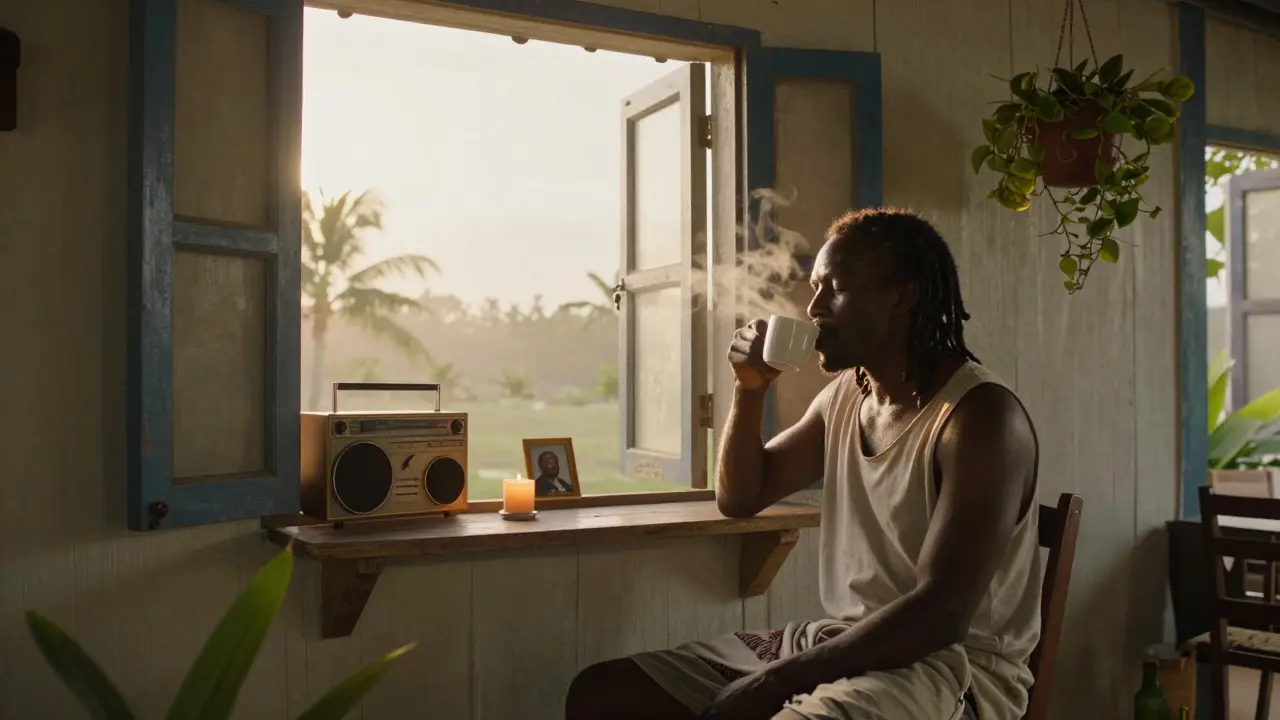
Reggae isn’t confined to speakers. It’s in the way people wake up. In Jamaica, it’s common to hear reggae playing from open windows at dawn. Not loud. Not aggressive. Just there-steady, like a heartbeat. It’s the soundtrack to morning coffee, to sweeping the yard, to waiting for the bus.
That rhythm-the one-drop, the heavy snare on beat three, the bassline that rolls like ocean waves-doesn’t just set a tempo. It sets a mood. It slows you down. It forces you to breathe. In a world that moves too fast, reggae is the pause button. It teaches patience. It reminds you that not everything needs to be rushed.
Even outside Jamaica, people who live by reggae don’t just play it-they build their days around it. Farmers in rural Colombia start their mornings with Toots and the Maytals. Students in Seoul study with Burning Spear in the background. Parents in Toronto sing "One Love" to their kids before bed. It’s not nostalgia. It’s routine. A spiritual practice wrapped in groove.
Dreadlocks, Rastafari, and the Sacred in the Everyday
You can’t talk about reggae without talking about Rastafari. The two are inseparable. Rastafari isn’t just a religion-it’s a worldview. It’s the belief that Haile Selassie I is a divine figure, that Africa is the promised land, and that Babylon (the system of oppression) must be resisted, not just in protest, but in daily living.
Dreadlocks aren’t a hairstyle. They’re a covenant. A refusal to conform. A symbol of natural living, of rejecting chemical treatments, of honoring the body as a temple. Many who wear them don’t identify as Rastafari, but they still honor the principle: live true, live free, live clean.
That’s why reggae fans don’t just collect albums. They read the Bible-specifically the Ethiopian version. They eat Ital food-natural, unprocessed, often vegan. They avoid alcohol and salt. They light candles, say prayers, and say "Jah" instead of "God." It’s not about being religious in the church sense. It’s about being intentional. Every meal, every word, every step becomes part of the practice.
Reggae as Resistance-Then and Now
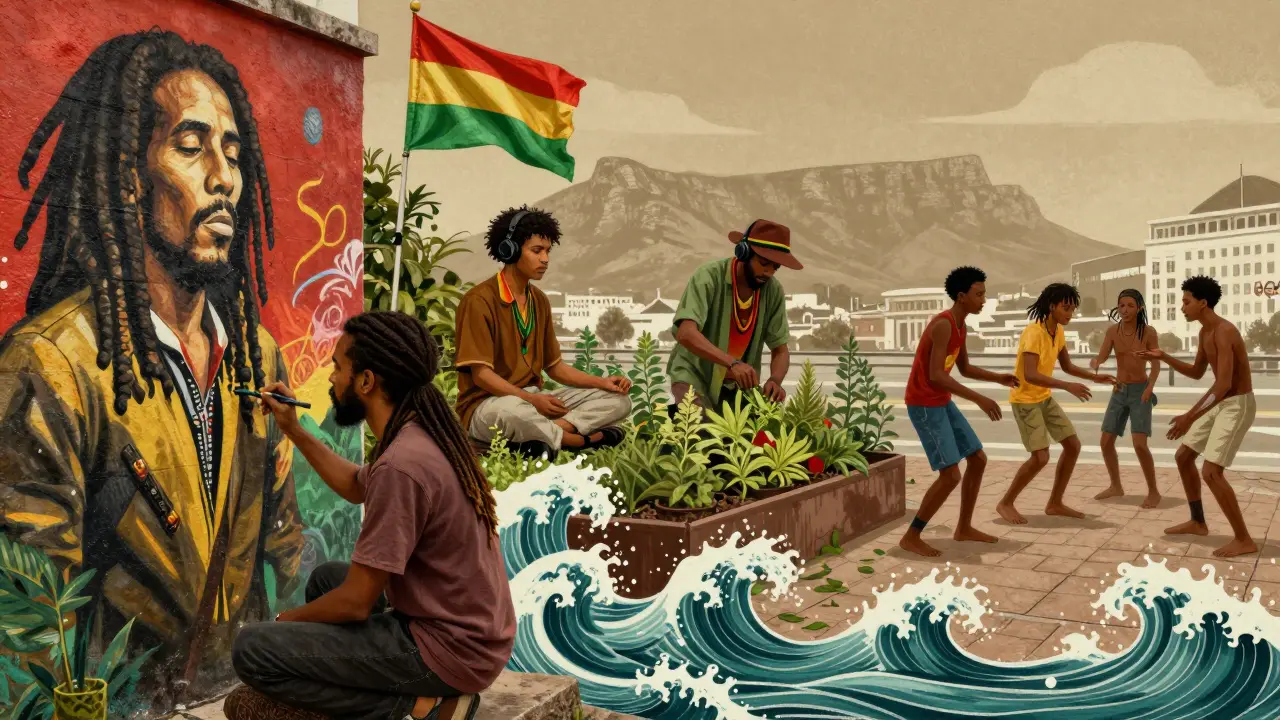
Reggae has always been political. But it’s not the kind of politics that shouts. It’s the kind that sings. In the 1970s, reggae artists were banned from Jamaican radio for speaking out against corruption and poverty. In apartheid South Africa, reggae was the soundtrack of the underground movement. In the U.S., it fueled the Black Power movement long before hip-hop took center stage.
Today, it’s still happening. In Brazil, favela youth use reggae to speak against police violence. In France, youth of African descent use it to claim their identity in a society that often ignores them. In Palestine, reggae bands play in refugee camps, blending traditional rhythms with Marley’s lyrics about freedom.
What makes reggae powerful as resistance is that it doesn’t scream. It holds space. It doesn’t demand you join a march-it asks you to sit still, listen, and feel. That’s why governments can’t just ban it. You can’t silence a feeling.
Reggae’s Influence Beyond Sound
Reggae didn’t just change music-it changed fashion, language, food, even architecture. The colors of the Rastafari flag-red, gold, and green-show up everywhere now. From streetwear to yoga studios, those colors mean something. They mean resistance. They mean peace. They mean belonging.
Words like "irie," "dread," and "bless up" entered global slang not because they were trendy, but because they carried meaning. "Irie" isn’t just "good." It’s a state of being-peaceful, grounded, connected. You don’t say it lightly.
Even architecture reflects it. Rastafari-inspired homes in Jamaica often have open courtyards, natural materials, and altars with pictures of Haile Selassie and Marcus Garvey. It’s not decoration. It’s devotion.
And then there’s the food. Ital cooking-rooted in African traditions and vegan principles-is now found in reggae cafes from Los Angeles to Lagos. Jerk chicken, plantains, callaloo, and sorrel drink aren’t just meals. They’re rituals. Eating with your hands. Sharing from one bowl. Eating slow. Eating with gratitude.
Why Reggae Still Matters Today
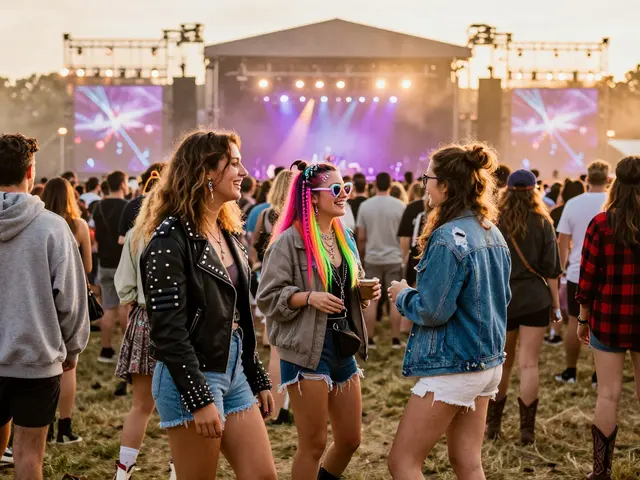
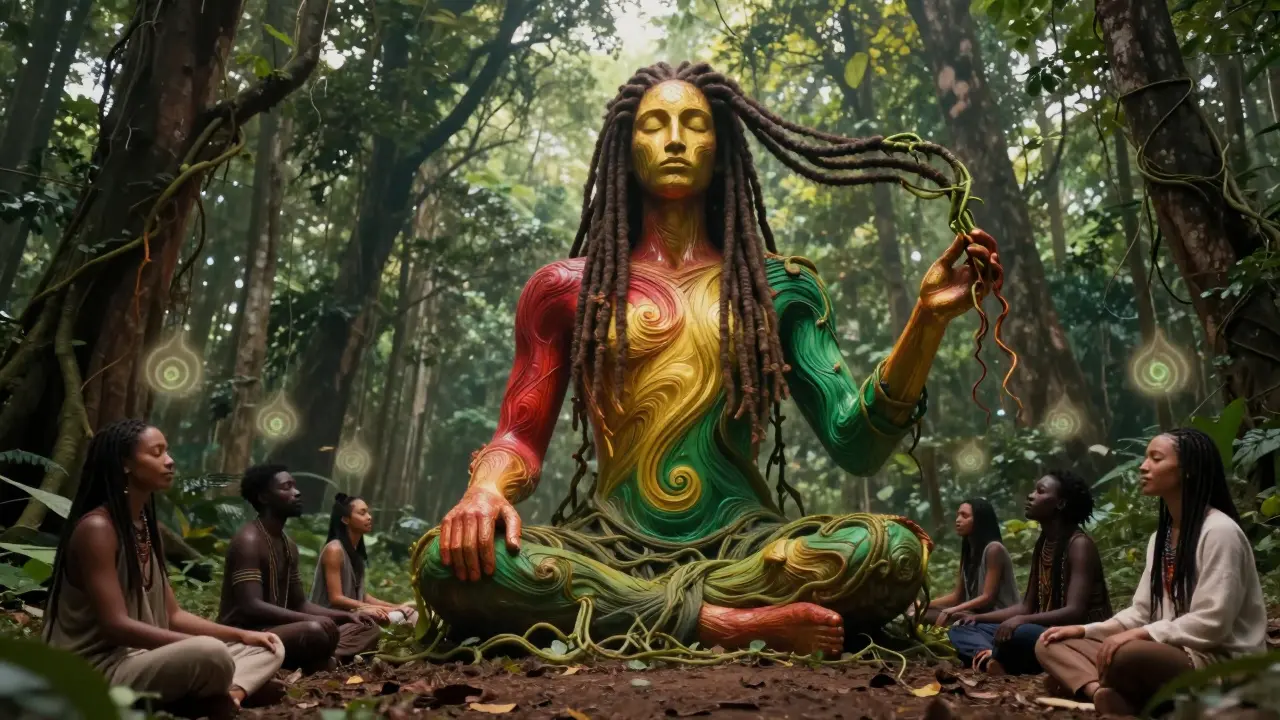
People think reggae is a relic. A 70s thing. A Bob Marley nostalgia trip. But that’s not true. It’s growing. More young people in Europe and North America are learning to play the one-drop rhythm on drums. More producers are sampling reggae basslines in hip-hop and electronic music. More festivals now have a reggae stage-not as an afterthought, but as a centerpiece.
Why? Because the world is tired. Tired of noise. Tired of speed. Tired of being told to consume, compete, and conform. Reggae offers something else: presence. It says, "You are enough. The earth is sacred. Love is the only law."
It doesn’t promise fame. It doesn’t sell you a product. It doesn’t ask for your data. It just asks you to breathe. To feel. To stand up-quietly, steadily, and with love.
How to Live Reggae, Not Just Listen to It
You don’t need to move to Jamaica. You don’t need to grow dreadlocks. But if you want to live reggae, here’s how to start:
- Listen deeply. Don’t just play reggae in the background. Sit with it. Let the bass fill your chest. Notice how the drums pause. Let the silence speak.
- Learn the lyrics. Understand what "War" by Bob Marley is really saying about inequality. Read about Marcus Garvey. Learn the history behind the songs.
- Eat clean. Try going meat-free one day a week. Eat whole foods. Cook with intention.
- Speak with care. Replace "cool" with "irie." Replace "hate" with "love." Language shapes thought.
- Resist conformity. Don’t buy into systems that devalue people. Support local, ethical, fair-trade. Live simply.
- Connect. Gather people. Play music. Share food. Talk. Don’t just scroll.
Reggae doesn’t ask you to change your life. It asks you to remember what’s already there.
Is reggae music only for Rastafarians?
No. While reggae music is deeply tied to Rastafari spirituality, you don’t have to be Rastafari to appreciate or live by its values. Millions of people around the world enjoy reggae without following its religious beliefs. What matters is how the music affects you-does it bring peace? Does it inspire justice? Does it make you feel connected? If so, you’re already living its spirit.
Why is the bass so important in reggae?
The bass in reggae isn’t just background-it’s the heartbeat. Unlike other genres where drums lead, reggae puts the bass on the downbeat, often with a deep, melodic line that rolls like a tide. This creates a hypnotic, grounding effect. It’s why you feel reggae in your chest, not just your ears. Legendary bassists like Aston "Family Man" Barrett made the bassline the soul of the song, turning it into a spiritual anchor.
Can reggae be played on instruments other than guitar and drums?
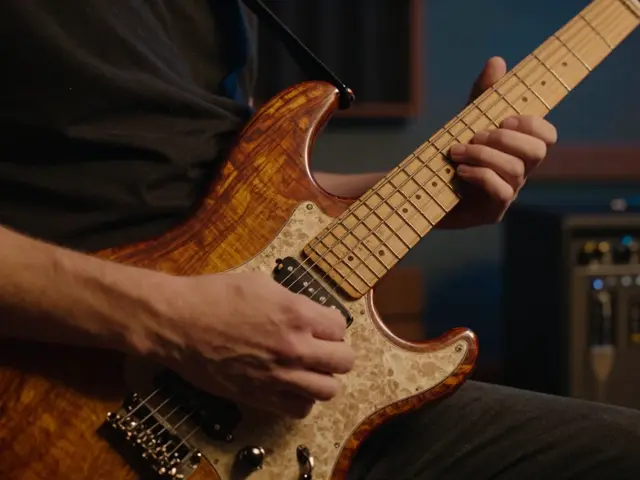
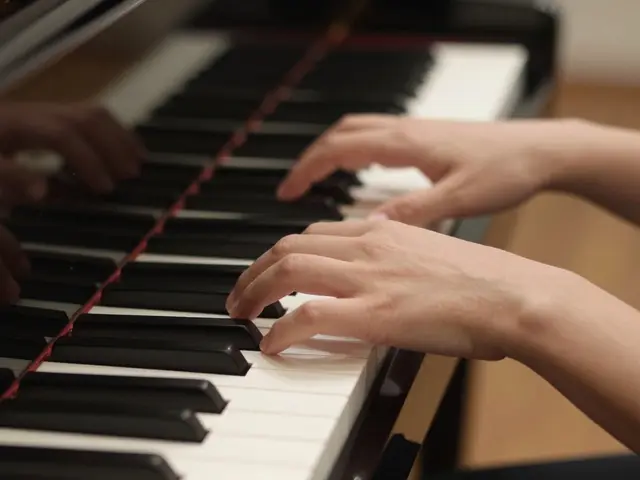
Absolutely. While the skanking guitar and one-drop drum pattern are classic, reggae has been adapted on piano, organ, brass, and even electronic synths. Artists like Steel Pulse and Damian Marley have blended reggae with jazz, hip-hop, and electronic sounds. The key isn’t the instrument-it’s the feel. If the rhythm is laid-back, the bass is deep, and the message is conscious, it’s reggae.
Is cannabis use required to understand reggae?
No. While cannabis (or "ganja") is used spiritually in Rastafari as a sacrament to enhance meditation and connection, it’s not a requirement to enjoy or understand reggae. Many listeners connect with the music through its message, rhythm, or history alone. Reducing reggae to marijuana use ignores its deeper cultural and spiritual roots.
What’s the difference between reggae and dancehall?
Reggae is slower, more spiritual, and focused on social messages. Dancehall is faster, more rhythmic, and often centered on partying, slang, and personal expression. Reggae uses the one-drop beat; dancehall uses a more syncopated, digital rhythm. Bob Marley is reggae; Shaggy or Vybz Kartel are dancehall. They’re cousins, not the same thing.
Where to Go Next
If you want to go deeper, start with these albums: "Exodus" by Bob Marley & The Wailers, "Legalize It" by Peter Tosh, "Soul Rebels" by Bob Marley & The Wailers, "Burning Spear" by Burning Spear, and "Chant Down Babylon" by Burning Spear and Nicky Skopelitis. Listen to them without distractions. Let them breathe.
Then, find a local reggae gathering. It might be a Sunday jam session, a community center event, or a backyard barbecue with a sound system. You don’t need to know the lyrics. Just show up. Feel the rhythm. Let it find you.
Reggae doesn’t need you to be perfect. It just needs you to be present.