The reggae history of Jamaica is a story of resilience, cultural identity, and musical innovation. Born from the island's vibrant street culture, reggae evolved from earlier sounds to become a global force for social change. This journey began in the late 1950s and continues to shape music worldwide today.
Origins: Ska and Rocksteady Foundations
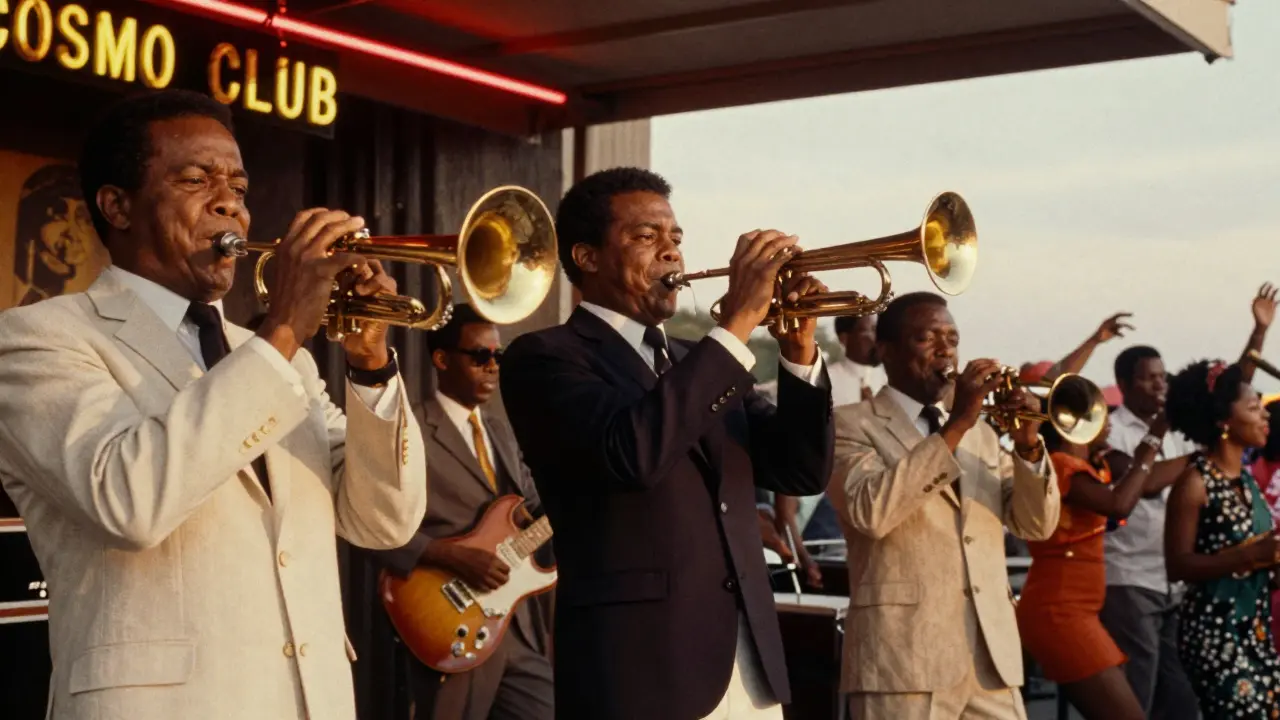
Ska emerged in Jamaica during the late 1950s, blending mento rhythms, calypso, and American R&B. Bands like The Skatalites pioneered this upbeat style with horn-driven melodies and offbeat guitar chops. Key venues like the Cosmo Club in Kingston became hubs for this new sound, fueled by Jamaica's independence in 1962 and a surge of national pride.
By the mid-1960s, ska slowed down into rocksteady. Producers like Coxsone Dodd and Duke Reid shifted focus to smoother basslines and vocal harmonies. Rocksteady's slower tempo allowed for more emotional lyrics, often about love and social struggles. This transition set the stage for reggae's birth.
The Birth of Reggae
In the late 1960s, Jamaican musicians created a new rhythm: the "one drop" beat. This style emphasized the third beat of the bar, with heavy basslines and syncopated guitar skanks. The term "reggae" first appeared in 1968 with Toots and the Maytals' song "Do the Reggay," which became an instant hit. Early reggae tracks like "Simmer Down" by The Wailers blended these elements with conscious lyrics.
Studios like Studio One and Treasure Isle became creative laboratories. Engineers like King Tubby began experimenting with studio effects, laying groundwork for dub. This era also saw reggae's deep connection to the Rastafari Movement, which emphasized African heritage, spiritual resistance, and social justice.
Rastafari's Influence on Reggae
Rastafari beliefs became central to reggae's identity. Many artists, including Bob Marley, embraced Rastafari's teachings about Haile Selassie I, repatriation to Africa, and opposition to "Babylon" (oppressive systems). Lyrics shifted from love songs to themes of liberation, poverty, and faith. Songs like "Rastaman Chant" by Bob Marley and "Babylon System" by Burning Spear became anthems.
Visual elements like dreadlocks, red-gold-green colors, and cannabis symbolism became part of reggae culture. This fusion of spirituality and music helped reggae transcend entertainment, becoming a voice for the marginalized worldwide.
Bob Marley and Global Breakthrough
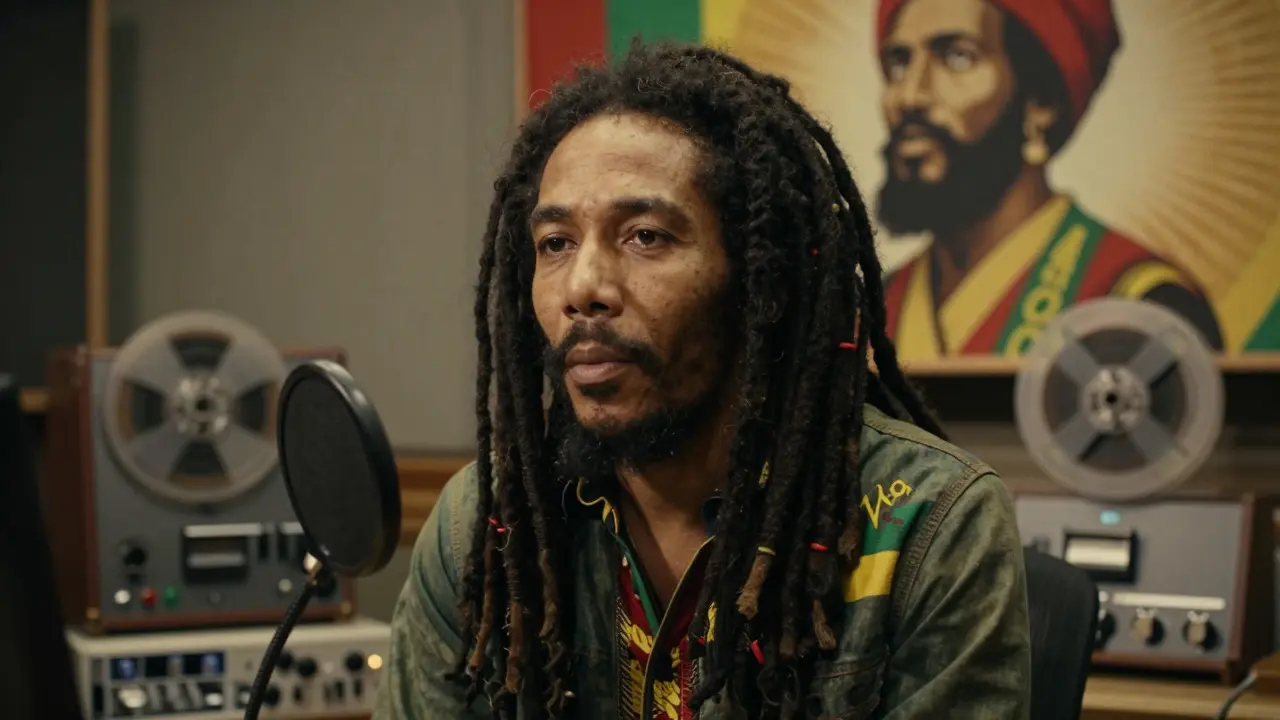
Bob Marley transformed reggae into a global phenomenon. His 1972 album "Catch a Fire" was the first reggae record to gain major international attention. Produced by Chris Blackwell, it introduced reggae to rock audiences in the US and Europe. Marley's later albums like "Exodus" (1977) and "Legend" (1984) solidified his legacy.
"Exodus" was named "Album of the Century" by Time Magazine in 1999. Its title track became an unofficial anthem for Jamaica's independence. Marley's ability to blend political messages with infectious melodies made reggae accessible worldwide. His tours and collaborations with artists like Peter Tosh and Burning Spear expanded reggae's reach.
70s-80s Evolution: Dub and Dancehall
While Marley took reggae global, other innovators reshaped it locally. Lee "Scratch" Perry revolutionized dub music at his Black Ark Studio. By stripping tracks to bass and drums, then adding echo and reverb, he created atmospheric soundscapes. Albums like "Super Ape" became influential in hip-hop and electronic music.
In the early 1980s, Dancehall emerged as reggae's younger sibling. Artists like Yellowman and Shabba Ranks used digital rhythms and deejay-style vocals. Dancehall's raw energy reflected urban Jamaica's realities, with lyrics about street life and partying. This shift made reggae more accessible to younger audiences.
Modern Reggae and Global Influence
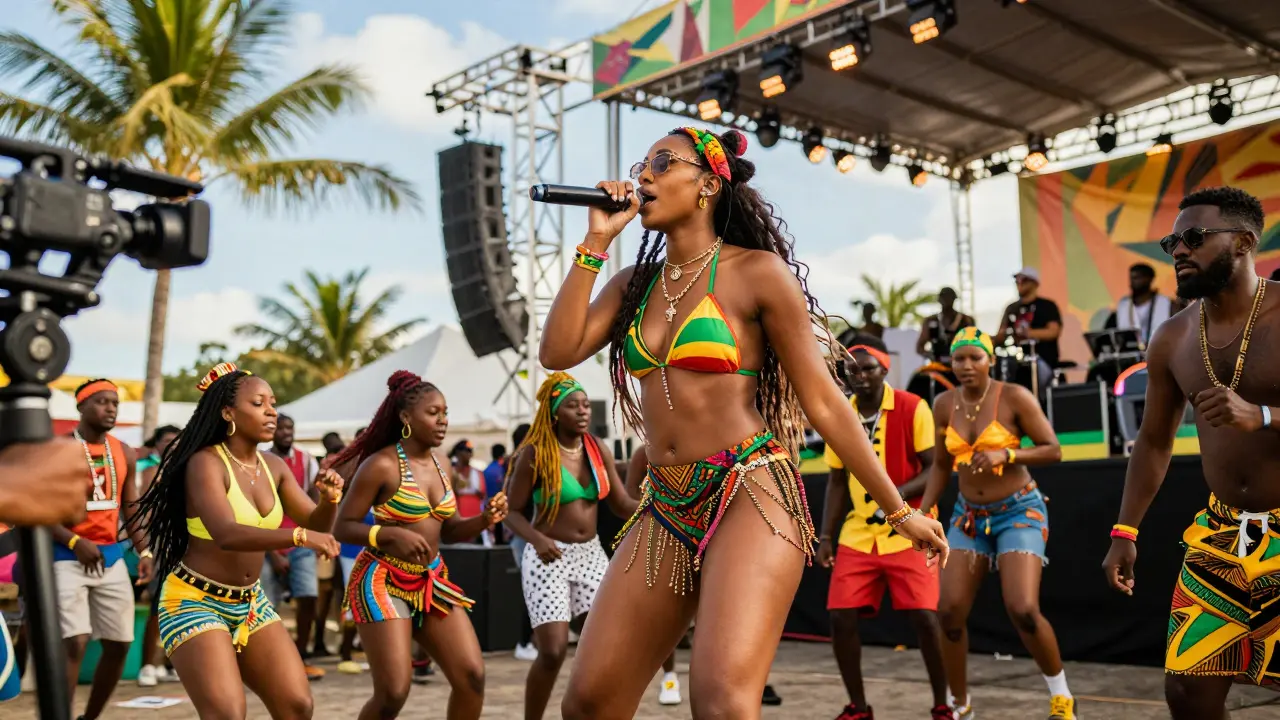
Today, reggae continues to evolve. Artists like Chronixx, Protoje, and Koffee blend traditional reggae with hip-hop, R&B, and electronic elements. Koffee's 2019 Grammy win for Best Reggae Album brought fresh attention to the genre. Reggae's influence is everywhere: from Beyoncé's "Lemonade" to Ed Sheeran's "Shape of You," which samples reggae rhythms.
Global festivals like Reggae Sumfest in Jamaica and Rototom Sunsplash in Spain attract hundreds of thousands yearly. Streaming platforms have made reggae more accessible than ever, with playlists like "Reggae Classics" and "New Roots" reaching millions. The genre's core themes-social justice, unity, and resilience-remain as relevant as ever.
Frequently Asked Questions
What is the origin of reggae music?
Reggae originated in Jamaica in the late 1960s, evolving from ska and rocksteady. The term was first used in Toots and the Maytals' 1968 song "Do the Reggay." It developed from Jamaica's cultural melting pot, blending mento, calypso, and American R&B influences.
How did Bob Marley change reggae?
Bob Marley brought reggae to global audiences through albums like "Catch a Fire" (1972) and "Exodus" (1977). His fusion of spiritual lyrics, catchy melodies, and political messages made reggae accessible worldwide. Marley's international tours and collaborations helped reggae become a symbol of resistance and unity.
What is dub music?
Dub is a reggae subgenre created by producers like Lee "Scratch" Perry in the 1970s. It strips tracks to bass and drums, then adds heavy echo, reverb, and sound effects. Dub influenced hip-hop, electronic music, and remix culture, with its studio techniques becoming foundational in modern production.
How is reggae different from dancehall?
Reggae focuses on live instrumentation, slower tempos, and conscious lyrics about social issues. Dancehall emerged in the 1980s with digital rhythms, faster beats, and deejay-style vocals. While reggae emphasizes melody and harmony, dancehall prioritizes rhythm and street-level storytelling.
Why is reggae important today?
Reggae remains vital because it addresses universal themes like justice, peace, and cultural identity. Its influence spans genres from hip-hop to pop, and modern artists like Koffee keep it fresh. UNESCO recognized reggae as an Intangible Cultural Heritage in 2018, highlighting its role in promoting social change worldwide.