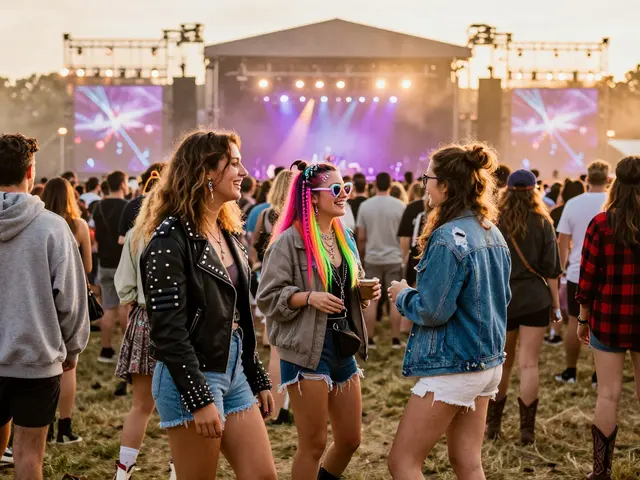
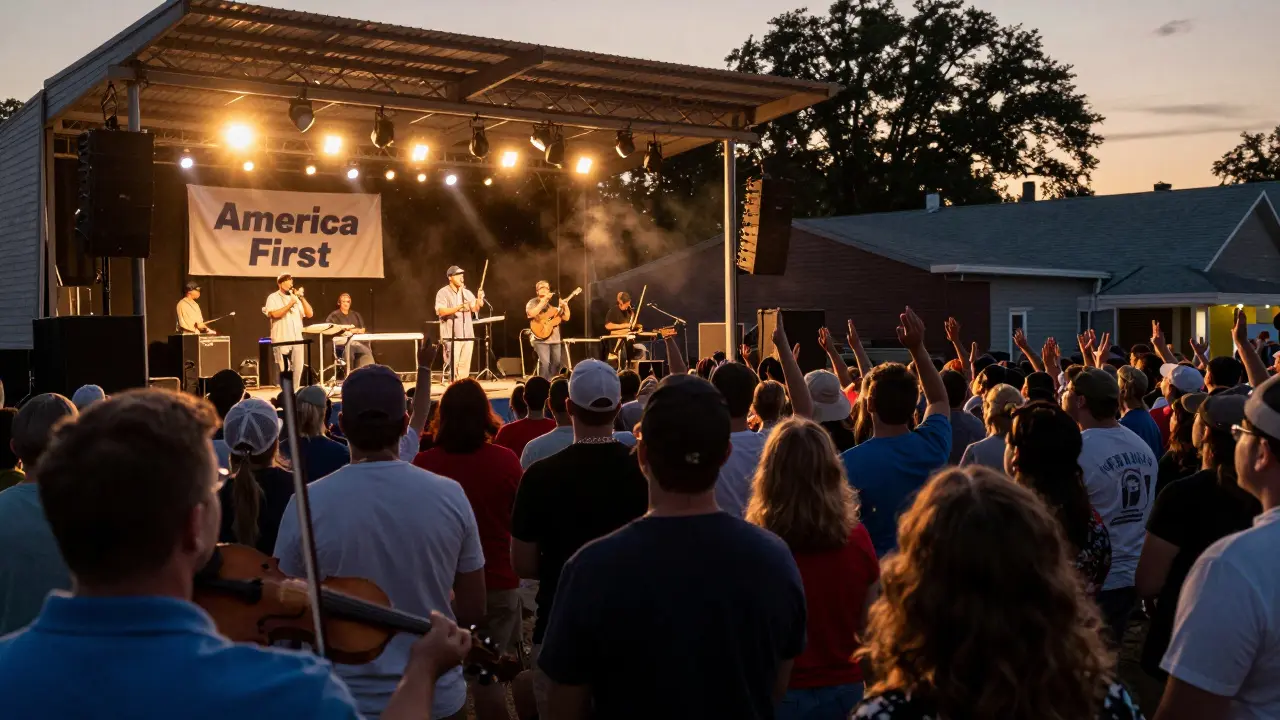
When you hear a fiddle and a steel guitar in the middle of a political rally, it’s not just background noise. It’s a strategy. Country music has quietly become one of the most powerful tools in American political campaigns - not because it’s loud, but because it’s trusted. Voters don’t just listen to these songs; they feel like the singer is talking directly to them. And politicians know it.
Why Country Music Works in Politics
Countries like Texas, Tennessee, and Ohio don’t just produce country music - they live it. The genre’s storytelling roots tie directly to everyday struggles: working long hours, raising kids on a tight budget, losing a job, or holding onto faith when things fall apart. These aren’t abstract ideas. They’re lived experiences. When a candidate plays country music at a rally, they’re not just picking a genre. They’re saying, "I get you. I’m one of you."
Think about it: How many times have you heard a politician quote Shakespeare or reference Greek philosophy at a town hall? Rarely. But mention Hank Williams Jr. or Dolly Parton? That’s when the crowd stands up, claps, and reaches for their wallets. Country music doesn’t need translation. It speaks in truths people already know.
The History of Country in Campaigns
The first real link between country music and politics came in the 1980s, when Ronald Reagan used Waylon Jennings’ "Good Hearted Woman" as his campaign theme. It wasn’t just a song - it was a signal. Reagan’s team knew that country fans saw him as someone who stood for hard work, family values, and limited government. The music wasn’t just entertainment; it was identity.
Then came George W. Bush in 2000. He didn’t just play country songs - he brought artists like Toby Keith and Charlie Daniels to his rallies. Keith’s "Courtesy of the Red, White and Blue" became an anthem for post-9/11 patriotism. The song didn’t just play in the background - it became part of the campaign’s emotional core. Bush didn’t need to say "I support the troops." The song said it for him.
By 2016, the pattern was clear. Donald Trump opened his rallies with "American Made" by The Oak Ridge Boys and "God Bless America" by Kate Smith. He didn’t just use country music - he reshaped it into a political brand. The lyrics became slogans. The rhythm became a heartbeat.
How Artists React - And What It Means
Not every country artist is okay with their music being used this way. In 2016, Alabama refused to let Trump use "Dixieland Delight." They issued a public statement: "We do not endorse any political candidate." Similarly, Dolly Parton has repeatedly said she’s not political - but her song "Coat of Many Colors" has been played at rallies anyway. She doesn’t stop it. Why? Because once a song is out there, it belongs to the public.
But here’s the twist: When artists do speak up, it changes the game. In 2020, Luke Combs canceled his planned performance at a Trump rally after pressure from fans. That moment went viral. It showed that country music fans aren’t a monolith. Some want patriotism. Others want justice. And artists are starting to take sides - not just with their lyrics, but with their choices.
The Soundtrack of the Swing States
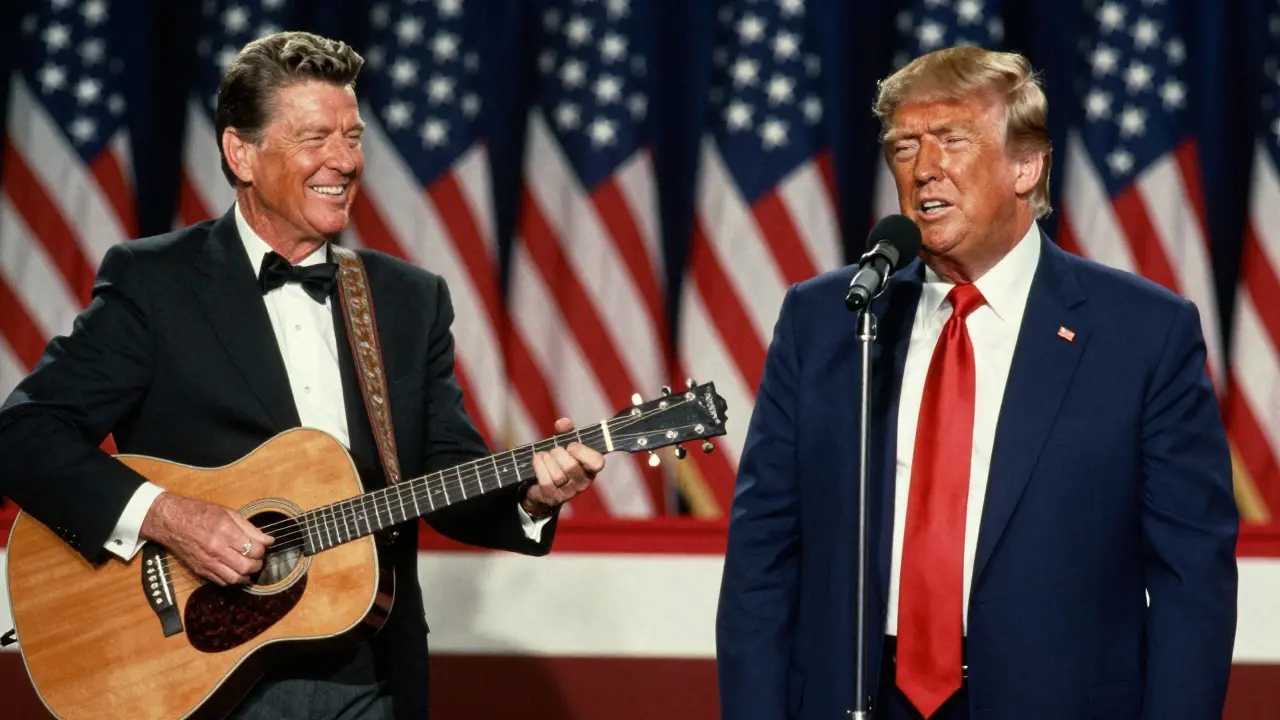
Campaign teams don’t pick songs randomly. They analyze data. In 2024, a study by the University of Kentucky found that in battleground states like Wisconsin and Michigan, rallies that played country music saw a 22% increase in attendee turnout compared to those using pop or rock. Why? Because country music creates a sense of belonging.
It’s not just about the lyrics. It’s about the instruments. The twang of the pedal steel guitar, the thump of the bass drum, the rawness of a voice that’s been through too many long nights - these sounds trigger emotional memories. For many voters, hearing that music feels like coming home.
That’s why campaigns now hire country music consultants. Not to write songs - but to pick them. One consultant in Nashville told me, "We don’t look for the biggest hits. We look for the ones that make someone pause, stare at their boots, and say, ‘Yeah. That’s me.’""
Country Music and Voter Identity
People don’t vote for policies alone. They vote for who they think understands them. Country music helps candidates build that connection. It’s not about being a fan of the genre - it’s about what the genre represents.
For rural voters, country music means pride in roots. For working-class families, it means honesty in hard times. For older voters, it means nostalgia for a time they felt more secure. And for younger voters? Some still see it as outdated. But others are redefining it - artists like Kacey Musgraves and Tyler Childers are using country to talk about climate change, mental health, and LGBTQ+ rights. Their music isn’t just country - it’s a new kind of political voice.
That’s why campaigns now split their playlists. One set for older voters: Merle Haggard, Johnny Cash. Another for younger ones: Maren Morris, Chris Stapleton. The same genre. Two different messages.
What Happens When the Music Backfires
Using the wrong song can backfire fast. In 2012, Mitt Romney used "My Country ‘Tis of Thee" at a rally - but it was sung by a gospel choir. The audience didn’t react. It felt forced. No one knew the lyrics. No one felt it.
Then there’s the case of Beyoncé’s "Formation" being played at a Trump rally in 2016. The crowd booed. Why? Because the song didn’t match the crowd. The mismatch wasn’t just about genre - it was about values.
Country music doesn’t work if it feels borrowed. It only works if it feels real. That’s why campaigns now test songs on focus groups before using them. One rule they follow: If the song doesn’t make someone cry, nod, or fist-pump - don’t play it.
The Future of Country in Politics
The next big shift? More diversity. Country music is no longer just about white men in cowboy hats. Women, Black artists, and LGBTQ+ performers are reshaping the genre. And politics is starting to notice.
When Kamala Harris used Mickey Guyton’s "Black Like Me" at a 2024 rally, it wasn’t just symbolic. It was strategic. It told voters: We’re not just talking about change - we’re listening to it.
By 2026, we’ll see more campaigns using regional country sounds - Appalachian ballads in West Virginia, Tejano rhythms in Texas, Cajun fiddles in Louisiana. The genre is expanding. So are its political uses.
One thing is certain: Country music won’t disappear from campaigns. It’s too deep in the soil of American life. And as long as voters connect with stories about hard work, faith, family, and resilience - politicians will keep turning up the volume.
Why do political campaigns use country music instead of other genres?
Country music connects with voters on an emotional level because it tells stories about everyday struggles - working long hours, raising families, and holding onto faith during hard times. Unlike pop or rock, which often focus on romance or rebellion, country music speaks directly to values like hard work, loyalty, and community. These themes align closely with the messages politicians want to send, especially in rural and working-class areas. Campaigns use it because it makes voters feel understood, not just addressed.
Can artists stop campaigns from using their songs?
Yes, but it’s complicated. Under U.S. law, political campaigns can play copyrighted music at public events without the artist’s permission, as long as the venue has a blanket license from organizations like ASCAP or BMI. However, artists can publicly object - and many do. When they do, it often creates negative publicity for the campaign. Artists like Alabama, Dolly Parton, and Luke Combs have all issued statements refusing endorsement. While they can’t legally block the use, they can damage the campaign’s image by turning the issue into a cultural moment.
Has country music in politics become more polarized recently?
Yes. In the past, country music was more broadly shared across political lines. Artists like John Denver and Willie Nelson appealed to both conservatives and progressives. But since the 2010s, the genre has split. Conservative campaigns favor songs with patriotic or traditional themes, while progressive campaigns lean toward artists like Kacey Musgraves and Tyler Childers, who address social justice and inequality. This split reflects broader cultural divides - and it’s making country music a more deliberate, and sometimes controversial, tool in political messaging.
Do younger voters respond to country music in campaigns?
It depends. Traditional country songs with steel guitars and fiddles don’t always connect with younger voters. But modern country artists - like Maren Morris, Chris Stapleton, and Orville Peck - are changing that. Their music blends country roots with themes of mental health, gender identity, and climate change. Campaigns targeting younger voters are now using these artists to reach people who might otherwise dismiss country music as outdated. It’s not about the genre anymore - it’s about the message.
What role do regional variations of country music play in campaigns?
Regional sounds are becoming crucial. In West Virginia, Appalachian ballads speak to mining communities. In Texas, Tejano and cowboy music connect with Latino voters. In Louisiana, Cajun fiddles resonate with rural French-speaking families. Campaigns are moving beyond Nashville’s mainstream sound to use local styles that reflect the specific identity of each region. This helps them avoid sounding generic and instead feel authentic to local voters. It’s no longer just "country" - it’s Appalachian country, Tex-Mex country, or Southern blues-country - and each version carries its own cultural weight.