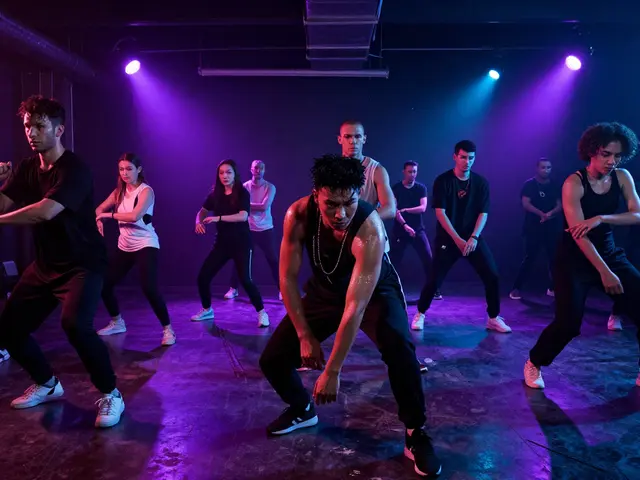
Most people think stardom in hip hop comes from a record deal, a viral video, or a shoutout from a big-name artist. But the truth? The real breakthroughs happen in basements, parking lots, and late-night studio sessions nobody ever sees. Hip hop didn’t become a global force because someone handed it a microphone. It grew because kids in the Bronx, Detroit, and Compton turned silence into sound, and sound into a movement.
It Started With No Rules
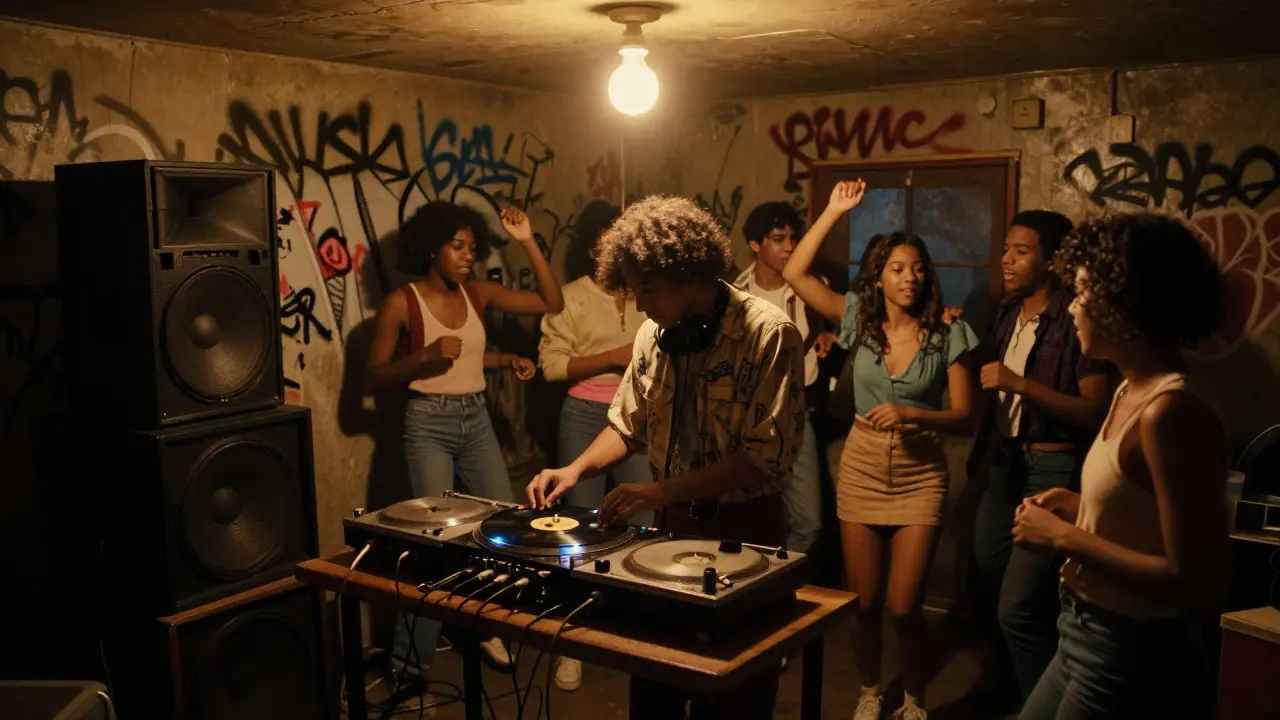
In the late 1970s, hip hop wasn’t a genre you could buy in a store. It was a language spoken through turntables, mic checks, and spray cans. There were no playlists, no streaming algorithms, no A&R reps scouting high schools. If you wanted to be heard, you had to make noise where no one else was listening. DJ Kool Herc didn’t wait for a label. He threw block parties in the South Bronx and extended the breakbeats of James Brown records until the whole crowd was dancing. That’s how it began-not with a contract, but with a speaker.
Fast forward to the 1990s. Groups like Wu-Tang Clan didn’t have million-dollar budgets. They recorded in rented studios after midnight, using whatever gear they could scavenge. RZA’s production on Enter the Wu-Tang (36 Chambers) was made with a $500 sampler, a second-hand drum machine, and a lot of patience. No one told them how to do it. They just did it. And that raw, unfiltered energy is what made their music stick.
The Underground Is the Training Ground
Today’s biggest rappers didn’t start on TikTok. They started in cyphers. In open mics where the only reward was a nod from the person next to you. In DIY mixtapes passed hand-to-hand like contraband. There’s a reason so many artists credit their first real crowd as the one that booed them. You don’t learn to rap by playing to 10,000 fans. You learn by rapping to five people who don’t care if you’re famous.
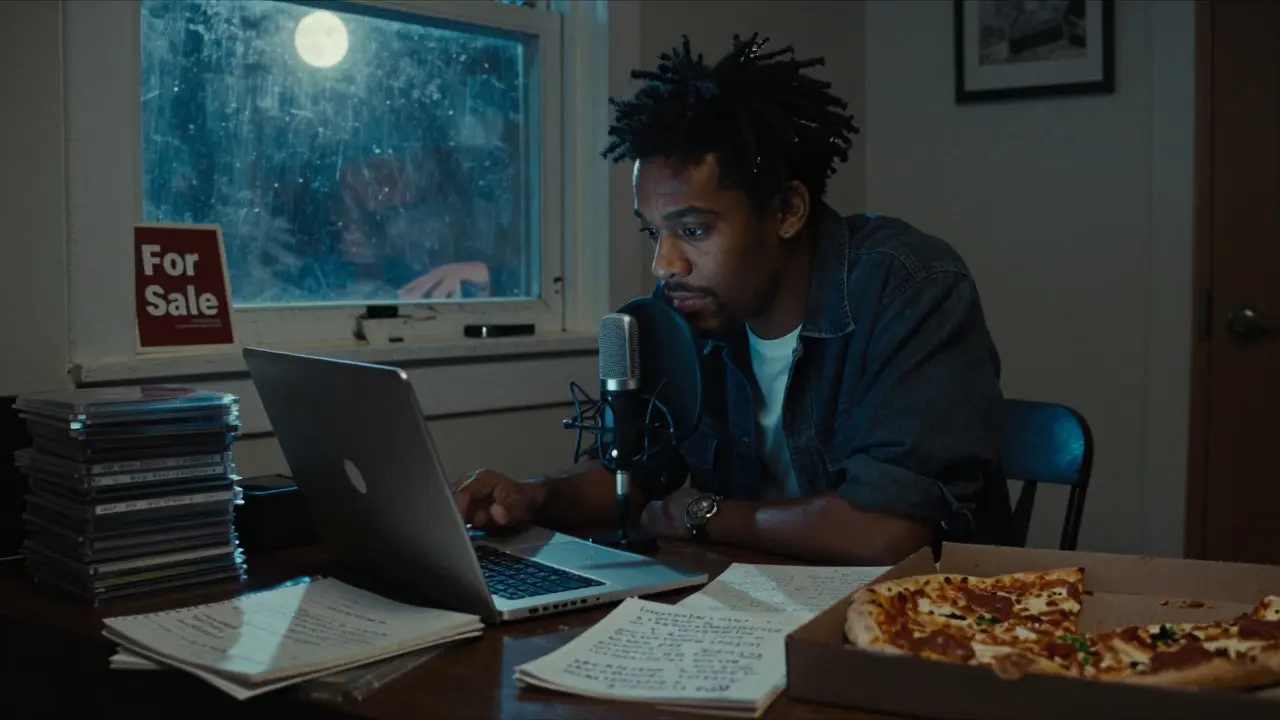
Take Kendrick Lamar. Before DAMN. and Pulitzer Prizes, he was selling CDs out of his car in Compton. He didn’t have a manager. He didn’t have a publicist. He had a beat, a notebook, and a burning need to say something real. He recorded his first album in a garage. No studio lights. No producers breathing down his neck. Just him, a mic, and a laptop with a free DAW.
Same with Cardi B. Before Bodak Yellow blew up, she was working as a stripper, recording verses on her phone during breaks. She posted them on Instagram-not because she wanted fame, but because she had no other way to be heard. That’s the pattern: no gatekeepers, no permission slips. Just persistence.
Technology Didn’t Create the Opportunity-It Just Lowered the Barrier
Yes, you can now drop a track on SoundCloud and hope for the best. But here’s the catch: millions are doing that. What separates the ones who make it isn’t the tool. It’s the discipline. The ones who win aren’t the ones with the fanciest gear. They’re the ones who show up every day.
Look at the rise of producers like Metro Boomin or Pi’erre Bourne. They didn’t go to music school. They taught themselves FL Studio by watching YouTube tutorials at 3 a.m. They sent beats to rappers they didn’t know. They got ignored. They sent more. Eventually, someone said yes. That’s not luck. That’s repetition.
And it’s not just about making music. It’s about building a brand without a team. You have to design your own merch. Film your own videos. Manage your own social media. Handle the DMs. Answer the hate. The modern rapper isn’t just an artist-they’re a one-person label. And if you can’t handle that, no amount of talent will save you.
Success Isn’t a Number-It’s a Mindset
There’s a myth that if you get 1 million streams, you’ve made it. But that’s not true. You’ve just gotten noticed. Real success in hip hop is when you can keep making music without needing validation. When you can drop a track and not care if it trends. When your lyrics mean more to one person in Cleveland than they do to a thousand people on a chart.
Consider J. Cole. He didn’t need a flashy rollout. He didn’t chase trends. He released 2014 Forest Hills Drive with zero promotion. No singles. No music videos. Just the album and a message: “This is who I am.” It sold over 350,000 copies in its first week. Not because it was perfect. But because it was honest.
The same goes for non-traditional paths. Artists like Noname, Saba, and Little Simz built audiences by prioritizing art over algorithms. They didn’t chase TikTok challenges. They wrote about trauma, identity, and community. And people showed up-not because they were told to, but because they felt seen.
The Real Secret? Show Up Long After Everyone Else Quit
There’s no shortcut. No hack. No secret formula. The only thing that works is showing up-again and again-when no one’s watching.
Think about the artists who made it without ever hitting a million views. The ones who still perform in small clubs. Who still sell their own vinyl. Who still answer every comment on their Instagram. They’re not famous on paper. But they’re the ones keeping hip hop alive.
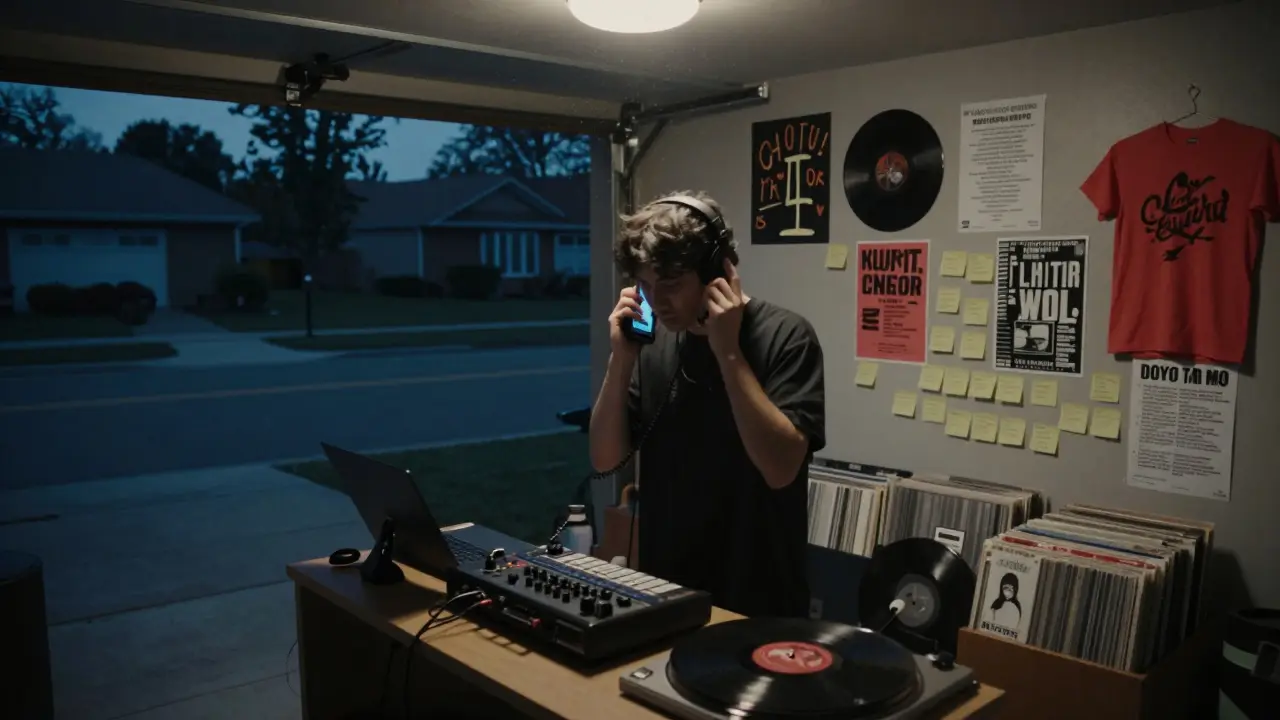
There’s a story about a rapper in Atlanta who recorded 120 tracks in a single year. He didn’t have a studio. He used his cousin’s bedroom. He didn’t have a band. He layered his own vocals. He didn’t have a plan. He just kept going. By year three, he had a cult following. By year five, he was touring Europe. He didn’t get discovered. He built it.
Hip hop doesn’t reward talent alone. It rewards stubbornness. It rewards the kid who still writes bars at 2 a.m. after a double shift. The one who still rehearses in the mirror even when no one’s there. The one who still believes, even when the world says they’re too late, too broke, too unknown.
It’s Not About the Mic-It’s About the Message
The most powerful thing about hip hop isn’t the beats. It’s the truth. It’s the voice that says, “I’m still here.” That’s why it travels. That’s why it survives. That’s why it still matters.
You don’t need a label. You don’t need a viral moment. You don’t need to be the loudest. You just need to be real. And you need to keep showing up.
Because the next great rapper? They’re not in a recording studio right now. They’re probably on a bus, scribbling lines on a napkin. Or in their dorm room, humming a melody while doing laundry. Or on a late-night walk, thinking about how to say what no one else dares to say.
They’re not waiting for permission. And neither should you.
Can you make it in hip hop without a record deal?
Yes-many of today’s biggest artists started independently. Artists like Chance the Rapper, Lil Uzi Vert, and Tyler, The Creator built massive followings without ever signing to a major label. They used free tools, social media, and relentless consistency to connect directly with fans. A record deal can help, but it’s never required.
Do you need expensive equipment to start making hip hop music?
No. Some of the most influential hip hop tracks were made with basic gear. DJ Premier used a SP-1200 sampler. RZA recorded Enter the Wu-Tang on a budget setup. Today, you can start with free software like LMMS or GarageBand, a $50 USB mic, and a pair of headphones. The quality of your lyrics and your consistency matter far more than your equipment.
How important is social media for rising in hip hop today?
It’s critical-but not for virality. Social media works best when used as a way to build relationships, not just numbers. Posting daily bars, sharing behind-the-scenes studio clips, and replying to fans creates loyalty. It’s not about going viral-it’s about being reliable. Fans follow artists who show up, not those who chase trends.
Is it too late to start a hip hop career if you’re over 25?
Absolutely not. Artists like Snoop Dogg, Eminem, and Jay-Z all had major breakthroughs after 25. Noname released her first album at 24 and gained real traction in her early 30s. Hip hop values authenticity over age. What matters is your work ethic, your voice, and how well you connect with your audience-not your birth certificate.
What’s the biggest mistake new hip hop artists make?
Waiting for permission. Too many artists wait for a producer, a label, or a viral moment before they release anything. The truth? You don’t need approval to start. You need to start. Release your first track-even if it’s rough. Learn from the feedback. Keep going. Progress beats perfection every time.