Most people know pop, rock, hip hop, and jazz. But the world of music is far bigger than what plays on mainstream radio. Beneath the surface of chart-topping hits lie dozens of rich, vibrant, and deeply personal music genres that have shaped communities, told stories, and moved people in ways no algorithm ever could. These aren’t just niche sounds-they’re living traditions, often passed down through generations, with roots in remote villages, industrial towns, and immigrant neighborhoods you’ve never heard of.
What Makes a Music Genre ‘Hidden’?
A hidden music genre isn’t just one with few listeners. It’s one that’s been overlooked by global streaming platforms, ignored by music history textbooks, or dismissed as ‘too local’ to matter. But that doesn’t mean it’s unimportant. In fact, many of these styles are the ancestors of genres we love today. Take baile funk, for example. Born in the favelas of Rio de Janeiro in the 1980s, it blended Miami bass with Brazilian rhythms. Today, it’s a global phenomenon, but for decades, it was labeled ‘noise’ by authorities and barely heard outside Brazil.
Hidden genres often emerge from places with limited access to recording technology or media exposure. They survive through live performances, family gatherings, street festivals, and word of mouth. Their value isn’t in popularity-it’s in authenticity. These sounds carry the weight of history, resistance, joy, and identity.
1. Tuvan Throat Singing (Xöömei)
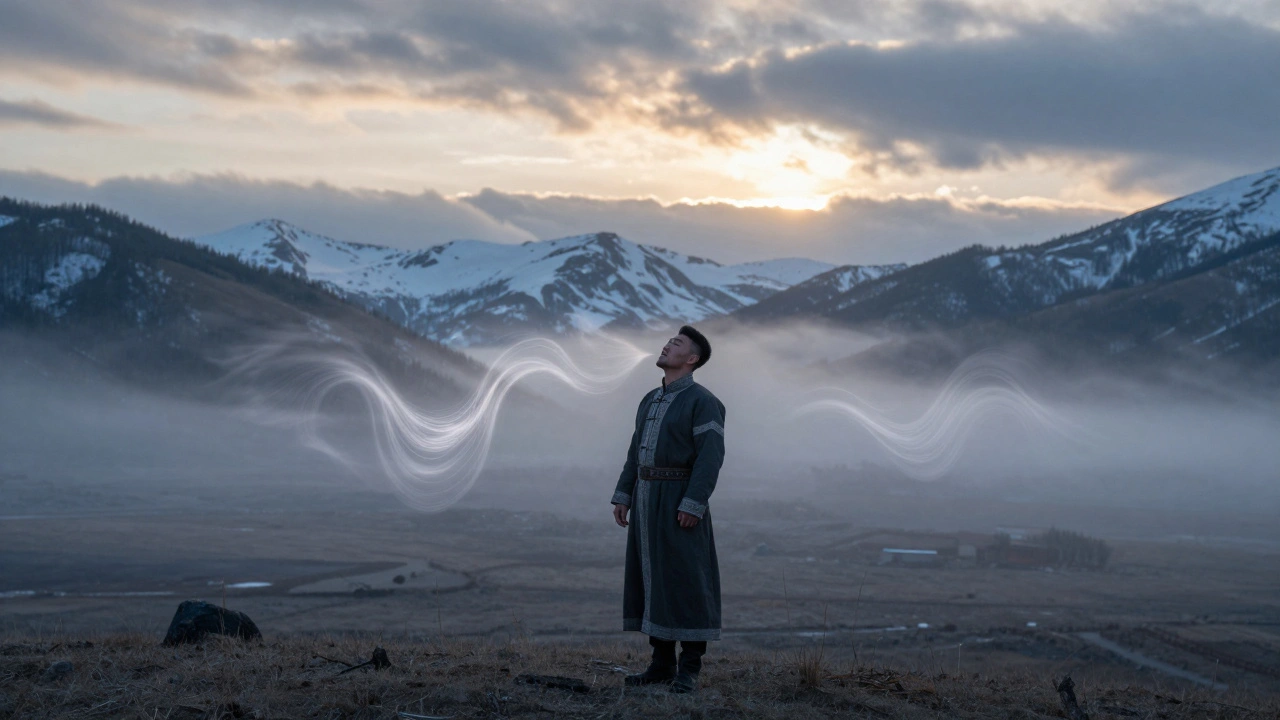
Imagine a single person producing two, sometimes three, distinct pitches at once. That’s Tuvan throat singing, or xöömei, from the Republic of Tuva in southern Siberia. It’s not singing in the traditional sense-it’s a form of overtone singing where the singer manipulates their vocal tract to amplify harmonics, creating a drone and a melody simultaneously.
It’s deeply tied to nature. The sounds mimic wind, rivers, animals, and the landscape. There are different styles: khoomei (gentle), kargyraa (deep and growling), and sygyt (whistling). For the Tuvan people, this isn’t entertainment-it’s spiritual communication. In 2009, UNESCO recognized it as an Intangible Cultural Heritage.
Listen to a recording of kargyraa played in a valley at dawn, and you’ll understand why people say it sounds like the earth is breathing.
2. Gqom (South Africa)
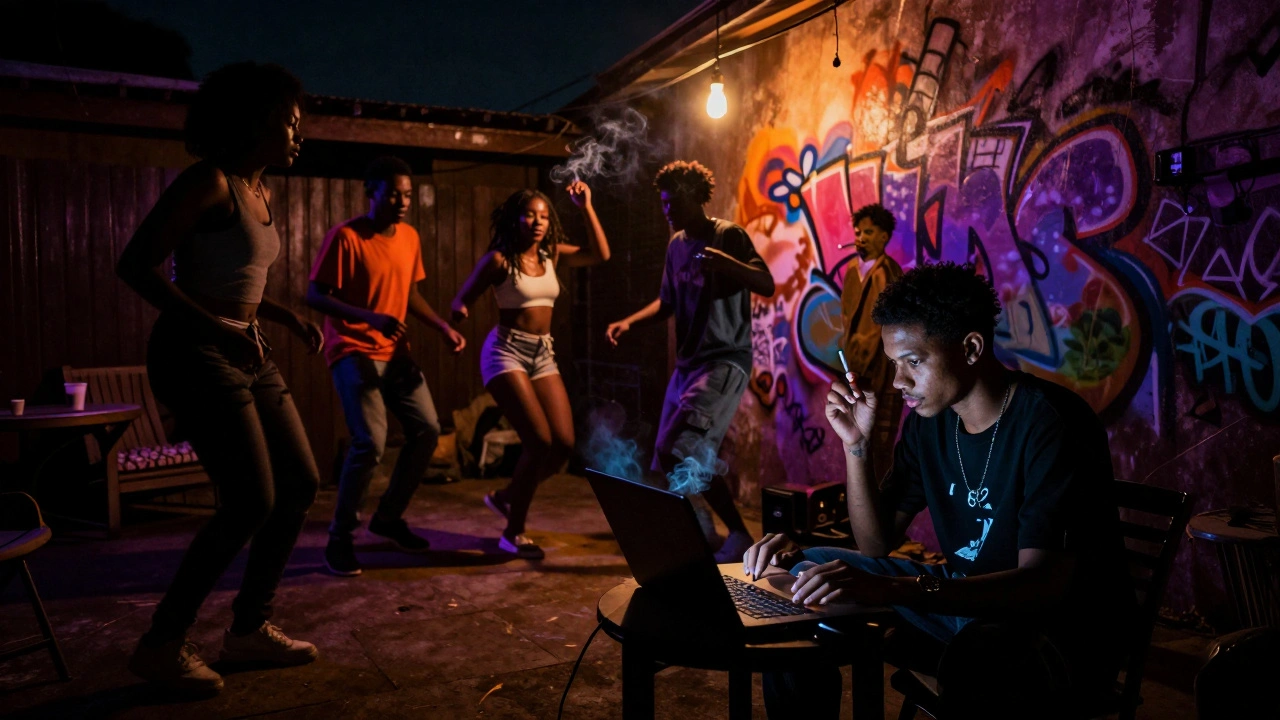
From the townships of Durban comes gqom, a minimalist, raw electronic beat born in the early 2010s. Unlike the polished drops of EDM, gqom is lo-fi, gritty, and hypnotic. It’s built on sparse percussion, distorted 808s, and eerie synth stabs. There’s no chorus. No vocals. Just rhythm that makes your body move before your mind catches up.
It started in underground clubs where DJs used cheap software and old laptops. No fancy studios. No record labels. Just teenagers with internet access and a dream. Today, gqom has influenced producers from London to Tokyo. Artists like DeeNay and Thabo Mabaso have taken it global, but the heart of gqom still beats in the backyards of KwaZulu-Natal.
What makes gqom powerful isn’t its complexity-it’s its honesty. It’s music made with what you have, not what you’re told to use.
3. Fado (Portugal)
Don’t confuse fado with flamenco. Fado is Portugal’s soul, a melancholic genre rooted in 19th-century Lisbon and Coimbra. It’s usually performed by a solo singer with a 12-string Portuguese guitar and a classical guitar. The lyrics speak of longing, loss, and saudade-a uniquely Portuguese word that means a deep emotional state of nostalgic longing.
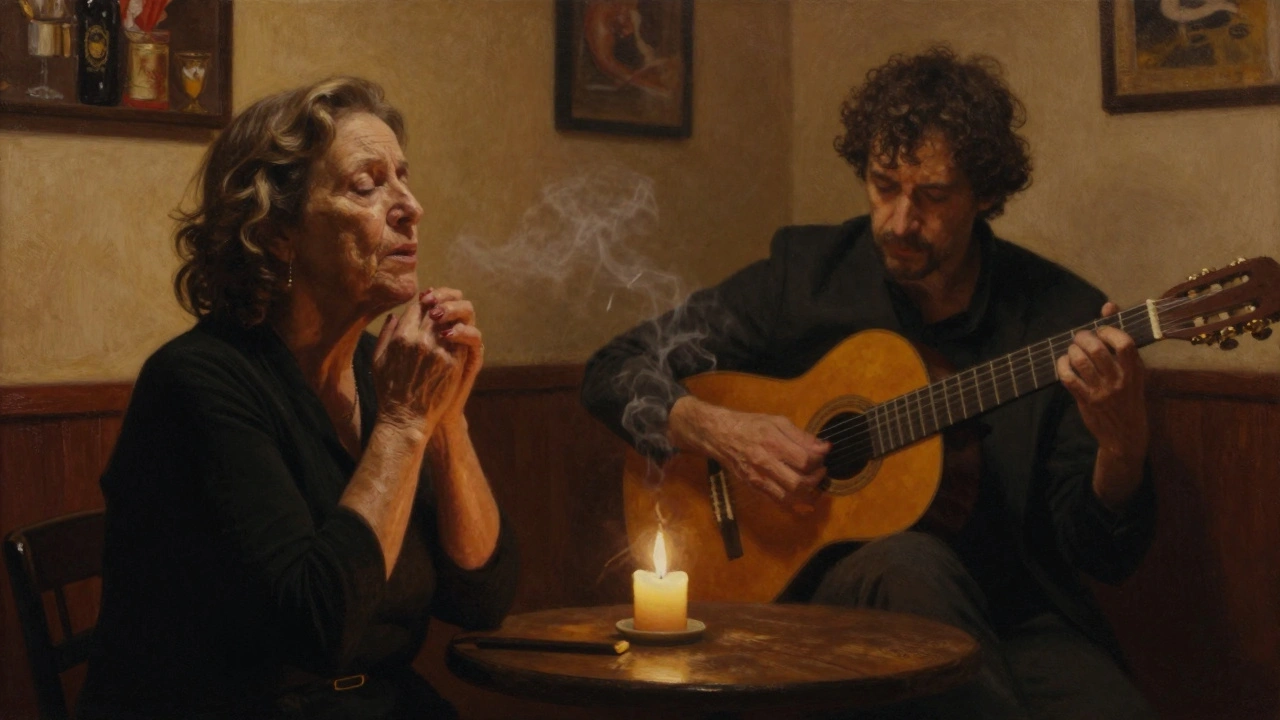
Women like Amália Rodrigues turned fado into a national symbol. But it’s not just about sadness. It’s about resilience. Fado was once banned under Portugal’s dictatorship because it gave voice to the oppressed. Today, it’s still performed in dimly lit taverns, where the air is thick with smoke and silence between songs is louder than the music.
If you’ve ever felt the weight of something you can’t name, fado will name it for you.
4. Chutney (Trinidad and Tobago)
Chutney music is a fusion of Indian folk melodies and Caribbean rhythms. It emerged after indentured laborers from India arrived in Trinidad in the 1800s. They brought their songs, their instruments, and their stories. Over time, they mixed those with local calypso, soca, and steelpan sounds.
Chutney is fast, playful, and often sung in Bhojpuri or Trinidadian Hindi. The lyrics talk about love, marriage, politics, and everyday life. It’s not just music-it’s cultural survival. Artists like Drupatee Ramgoonai and Anand Yankaran made chutney mainstream in the Caribbean, but it still thrives in homes during Diwali, weddings, and family gatherings.
Try listening to chutney with your eyes closed. You’ll hear the echo of ancient hymns, the pulse of steel drums, and the laughter of generations holding on to who they are.
5. Qawwali (South Asia)
Qawwali is devotional Sufi music from Pakistan and India, performed in shrines and gatherings called mehfils. It’s not meant for concerts-it’s meant to induce spiritual ecstasy. The lead singer, or qawwal, is backed by a chorus, hand claps, harmonium, and tabla. The music builds slowly, layer by layer, until voices rise in unison and the room feels like it’s vibrating.
Legendary artists like Nusrat Fateh Ali Khan brought qawwali to the world, but most performances still happen in small, unmarked rooms in Lahore or Delhi. The lyrics are poetic, often in Urdu or Persian, and speak of divine love, longing, and surrender.
One hour of qawwali can feel like a lifetime. It doesn’t entertain. It transforms.
Why These Genres Matter Now
Streaming services push the same 10,000 songs to billions of people. Algorithms favor familiarity. But these hidden genres remind us that music doesn’t need to be popular to be powerful. They’re the counterbalance to homogenized sound.
When you listen to Tuvan throat singing, you’re not just hearing a voice-you’re hearing a mountain range. When you hear gqom, you’re hearing the pulse of a generation that refused to be silenced. When you feel fado, you’re touching centuries of quiet grief and strength.
These genres survived because people cared enough to keep them alive. Not for fame. Not for money. Just because they had to.
How to Explore These Genres
Start small. Don’t try to ‘consume’ them like a playlist. Let them breathe.
- Find a 10-minute live recording of Tuvan throat singing on YouTube. Watch the singer’s face. Notice how their throat moves.
- Listen to gqom at night, with headphones, in a quiet room. Let the bass sink into your chest.
- Play fado while making tea. Don’t multitask. Just listen.
- Search for ‘chutney wedding’ videos on Instagram. Watch the dancing. Notice how the music and movement are one.
- Find a qawwali session from the Data Darbar shrine in Lahore. Sit with it for 20 minutes. Don’t skip ahead.
These aren’t background tracks. They’re invitations.
What You’ll Gain
Listening to hidden music genres doesn’t make you a better music fan. It makes you a more human one. You start noticing patterns you never saw before-the way rhythm holds communities together, how melody carries memory, how sound can be a form of resistance.
These genres teach you that beauty doesn’t need to be loud to be true. Sometimes, the most powerful music is the one no one else is listening to.
What makes a music genre ‘lesser-known’?
A lesser-known genre is one that lacks mainstream exposure-not because it’s inferior, but because it emerged outside commercial music systems. These genres often originate in isolated communities, are passed down orally, and aren’t promoted by major labels or streaming algorithms. They may have deep cultural roots but limited global reach, making them easy to overlook despite their richness.
Can I find these genres on Spotify or Apple Music?
Yes, but sparingly. Spotify and Apple Music have small curated playlists for genres like gqom, fado, and qawwali, but they’re buried under thousands of pop tracks. Your best bet is to search for specific artists-like Nusrat Fateh Ali Khan for qawwali or Amália Rodrigues for fado-or use YouTube, Bandcamp, or SoundCloud, where independent labels and cultural archives upload these sounds directly.
Are these genres still being made today?
Absolutely. Tuvan throat singers now collaborate with electronic musicians. Gqom producers in Durban are releasing albums on international labels. Chutney artists in Trinidad are blending it with reggaeton. These aren’t museum pieces-they’re evolving. The difference is, they’re still rooted in their communities, not driven by chart trends.
Why should I care about music I’ve never heard of?
Because music isn’t just entertainment-it’s human expression in its purest form. Listening to unfamiliar genres expands your understanding of culture, emotion, and history. It reminds you that there are countless ways to feel, to grieve, to celebrate, and to connect. The more sounds you know, the more deeply you understand what it means to be human.
Is there a risk of cultural appropriation when I listen to these genres?
Listening isn’t appropriation-it’s appreciation. The risk comes when you take the sound without understanding its context, or when you profit from it while the original community doesn’t. To avoid this, learn the history, credit the artists, support local creators, and don’t treat these genres as exotic background noise. Let them be heard on their own terms.
Where to Go Next
Once you’ve listened to one of these genres, follow the trail. Who influenced the artist? What other sounds come from the same region? What instruments are used? What’s the language in the lyrics? Each question opens another door.
Try exploring baile funk from Brazil, kanun music from the Levant, nyatiti from Kenya, or shakuhachi flute music from Japan. There are hundreds more waiting. You don’t need to love them all. But if you let even one of them change the way you hear music, you’ve already won.