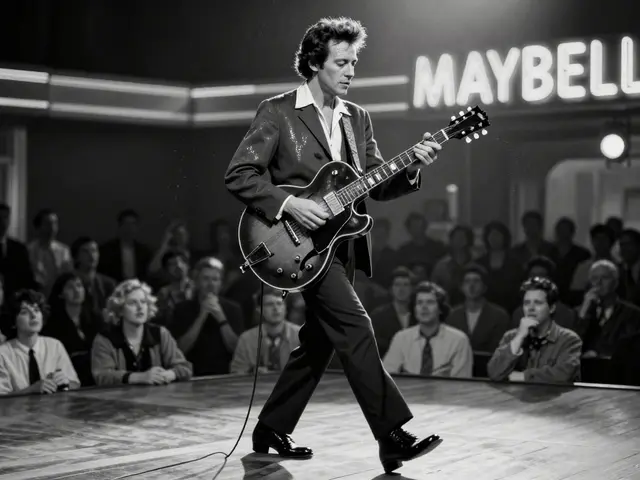
When you hear a song that makes your chest tighten or your feet tap without thinking, that’s not just luck—it’s music and psychology, the study of how sound influences thoughts, emotions, and behavior. Also known as auditory cognition, it’s the reason a minor chord can make you feel lonely and a driving beat can push you to run harder. This isn’t just about feeling good—it’s about how your brain literally rewires itself in response to rhythm, melody, and harmony.
Every time you listen to your favorite track, your brain releases dopamine, lowers cortisol, and activates memory centers tied to past experiences. That’s why a song from your teenage years can instantly bring back a whole summer. music therapy, a clinical practice using music to improve mental and physical health, is backed by studies showing it helps people with depression, PTSD, and even Alzheimer’s recall lost memories. Meanwhile, emotional impact of music, how specific sounds trigger emotional responses across cultures explains why a blues riff moves people in Tokyo the same way it does in Memphis. And brain and music, the neural pathways activated when listening to or playing music shows that musicians have stronger connections between their auditory and motor areas—even non-musicians process rhythm differently than non-rhythmic sounds.
What you listen to doesn’t just reflect your mood—it shapes it. A study from the University of London found people who listened to upbeat music for two weeks reported higher energy and optimism. Meanwhile, slow, minor-key pieces can calm anxiety faster than some medications. This isn’t magic. It’s biology. Your brain treats music like a language it’s been learning since before you could speak. The beats in hip hop mirror the pulse of urban life. The rawness of blues echoes generations of struggle. And the complexity of classical pieces? They train your attention, sharpen your focus, and even boost problem-solving skills.
What you’ll find below isn’t just a list of articles—it’s a map. You’ll see how jazz samples became the backbone of modern hip hop, how classical music hides secrets that change how you feel, and why the structure of a 12-bar blues line taps into something deep in our wiring. You’ll read about how people use rhythm to heal, how genre shapes identity, and why a simple piano chord can feel like a memory you never had. These posts don’t just talk about music. They show you how it moves you—inside and out.