When you pick up an instrument choice, the decision of which musical tool to use, often tied to personal expression, cultural background, or sonic preference. Also known as musical instrument selection, it's not just about what sounds good—it's about what feels right in your hands and speaks to your soul. That first strum, key press, or bow stroke sets the tone for everything that follows. Whether you’re drawn to the raw grit of a blues harmonica or the quiet complexity of a piano, your instrument becomes an extension of who you are.
Take the acoustic guitar, a portable, expressive instrument central to folk, blues, and modern singer-songwriter traditions. Its strings carry stories—from Delta blues to indie folk—and its design changes how you play. In 2025, innovations like carbon fiber bodies and sustainable tonewoods aren’t just about durability; they’re about keeping the sound alive without harming the planet. Meanwhile, the piano, a versatile keyboard instrument with deep roots in classical, jazz, and pop music gives you all 88 keys at once, letting you build harmony, rhythm, and melody in one motion. That’s why so many improvisers start there—it’s the closest thing to having an entire band inside your lap.
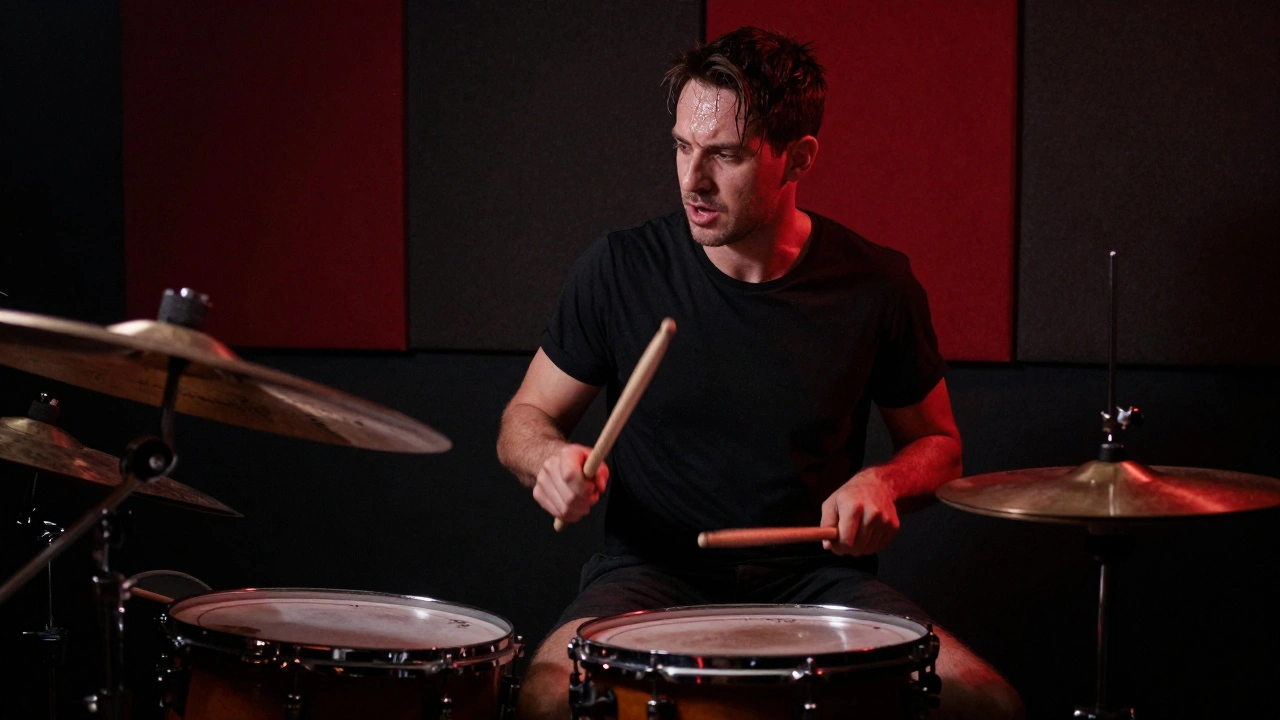
And then there’s the blues music, a genre born from pain, resilience, and call-and-response traditions, often carried by guitar, harmonica, or voice. You don’t need fancy gear to play blues—you need feeling. A cheap amp, a worn-out slide, and a 12-bar pattern can say more than a million-dollar synth. The same goes for jazz music, a genre built on spontaneity, syncopation, and deep listening, often centered on saxophone, trumpet, or upright bass. Jazz doesn’t just use instruments—it demands a conversation between them. The drummer doesn’t just keep time; they answer the pianist. The bassist doesn’t just play roots; they lead the groove.
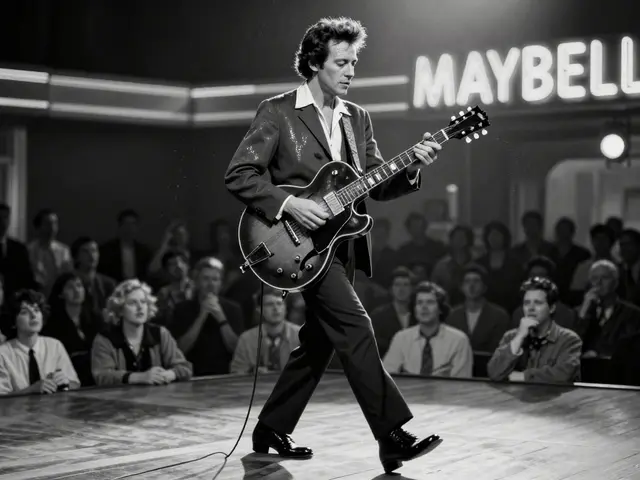
Your instrument choice isn’t random. It’s shaped by the music you love, the people you admire, and the emotions you can’t put into words. Someone who grows up listening to R&B might gravitate toward the piano because they want to mimic Ray Charles’ touch. A kid in the Bronx might grab a turntable not because it’s traditional, but because it’s the tool that lets them speak their truth. Even in rock, the unsung heroes—the session guitarists and bass players—chose their instruments not for fame, but because those strings and frets gave them a voice when words failed.
What you play tells others where you come from—and where you’re going. You don’t need to master every instrument. You just need to find the one that listens back. Below, you’ll find real stories from musicians who didn’t just pick an instrument—they let it pick them. From 3D-printed guitar bracing to jazz samples in hip-hop, these posts show how instrument choice isn’t just about sound. It’s about identity, history, and the quiet rebellion of making music your way.