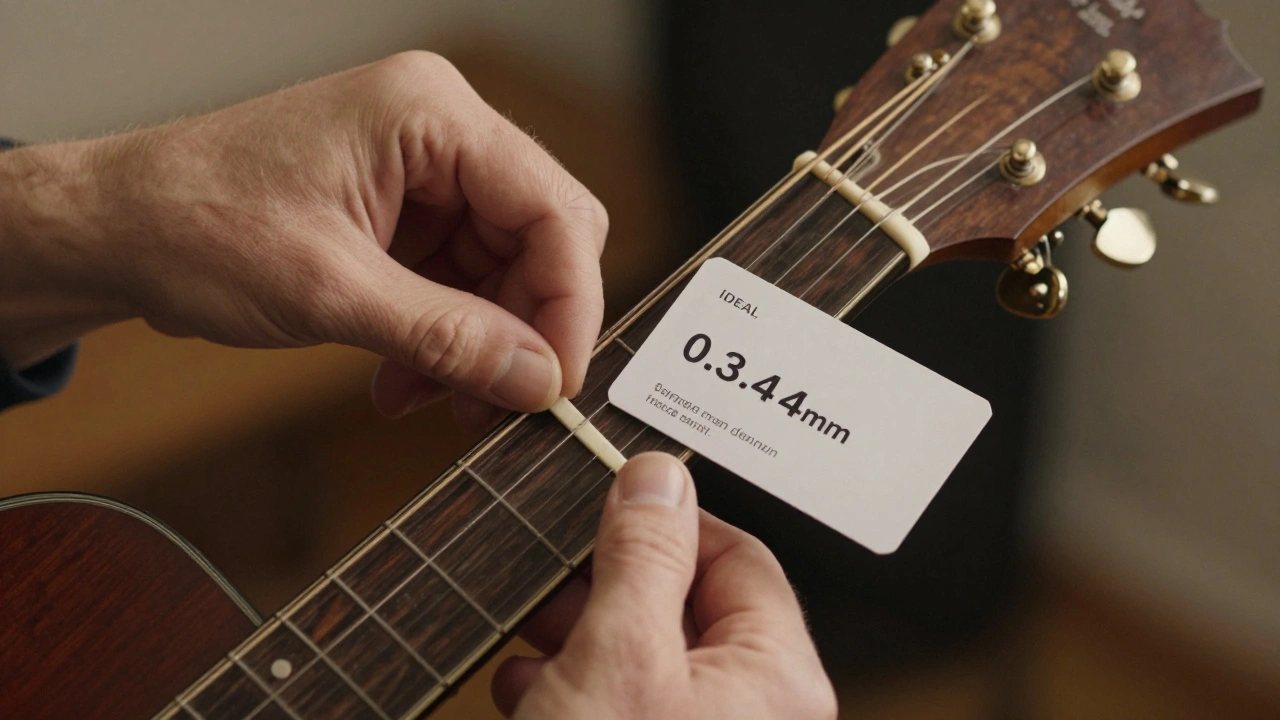
When you pluck a string on your guitar, the vibration doesn’t just stop at the fretboard—it travels all the way to the guitar bridge, the component that transfers string vibrations from the strings to the body of the guitar, directly influencing tone, sustain, and resonance. Also known as a string anchor, it’s the silent engineer behind every note you hear. Without a properly designed bridge, even the best guitar sounds flat, lifeless, or out of tune. It’s not just a holder for strings—it’s the critical link between your fingers and the sound that fills the room.
The guitar bridge works differently depending on whether you’re playing an acoustic or electric. On an acoustic, the bridge is usually a single piece of wood—often rosewood or ebony—that holds the strings and channels their energy into the soundboard. That’s why you hear the rich, full tone of a Martin or Taylor: the bridge is perfectly matched to the wood beneath it. On an electric, the bridge is often metal, with individual saddles that let you fine-tune each string’s length and height. This is where string vibration becomes a science. Adjust the saddle, and you change the intonation. Swap the bridge material, and you shift the sustain. Even the way the bridge is mounted—fixed, tremolo, or wraparound—affects how the guitar responds to your playing style.
Think about the posts you’ll find below. One dives into how acoustic guitar manufacturing in 2025 is using new materials like carbon fiber to improve bridge performance. Another explains how guitar hardware choices—from bridge pins to locking saddles—can make a $300 guitar sound like it costs twice as much. There’s even a piece on how musical instrument choice reflects personality, and guess what? People who favor guitars with fixed bridges often lean toward precision and control, while those who use tremolo systems tend to crave expression and movement.
You don’t need to be a luthier to understand the bridge. But if you’ve ever wondered why your guitar doesn’t stay in tune after a bend, or why your acoustic sounds dull after a string change, the answer starts right where the strings meet the body. This isn’t just about parts—it’s about how your instrument talks back to you. The bridge is the translator. And once you know how it works, you start hearing things you never noticed before.
Below, you’ll find real stories, deep dives, and practical insights from players and makers who’ve spent years wrestling with tone, tweaking setups, and chasing the perfect sound. Whether you’re changing strings, upgrading parts, or just trying to understand why your favorite song sounds the way it does—this collection has something that clicks.