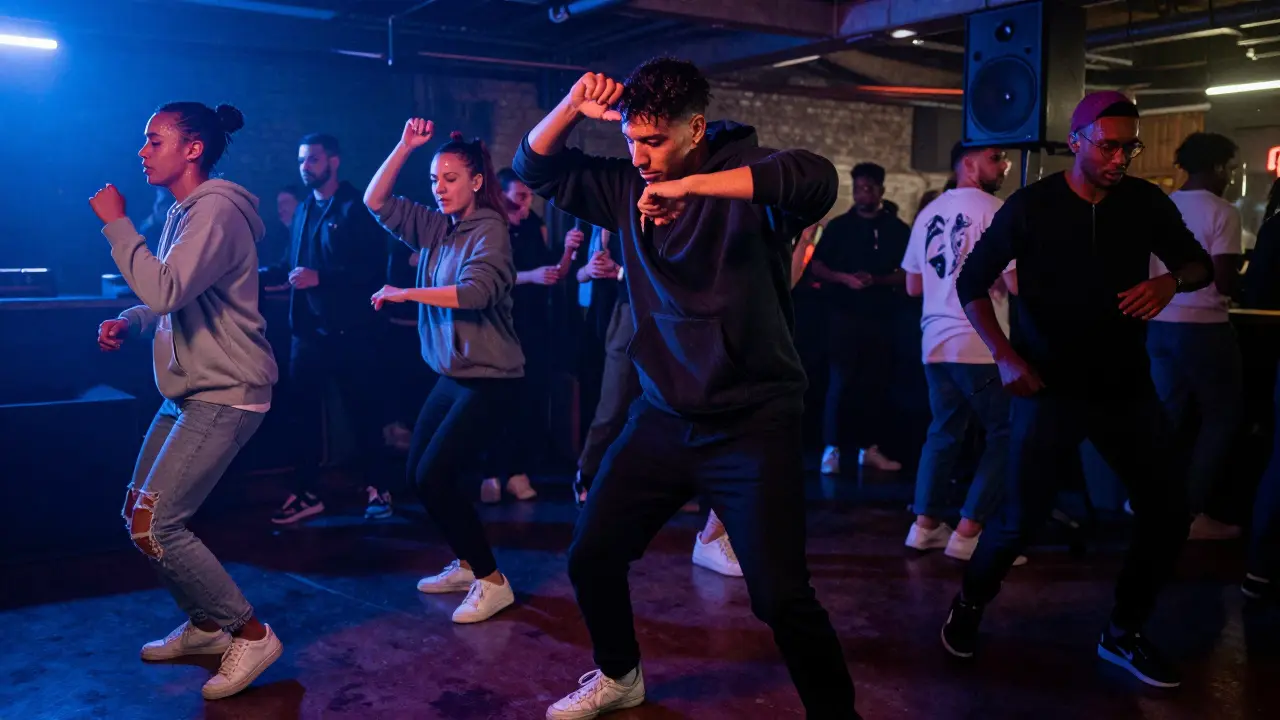
Forget the old school hip-hop grooves or the smooth sways of salsa. If you’ve ever stood near a bass drop at a festival and felt your body move before your brain caught up, you’ve felt dubstep dance in action. It’s not just a style-it’s a physical reaction to sound. And it’s spreading fast, from underground clubs in Perth to packed stages in Tokyo and Berlin.
What Exactly Is Dubstep Dance?
Dubstep dance isn’t one fixed routine. It’s a loose, raw, and highly expressive style that evolved alongside the music-fast, heavy basslines, syncopated rhythms, and those deep, wobbling low-end frequencies. Dancers don’t follow choreography; they ride the sound. Every bass hit becomes a pulse. Every glitch becomes a twitch. Every drop becomes a full-body release.
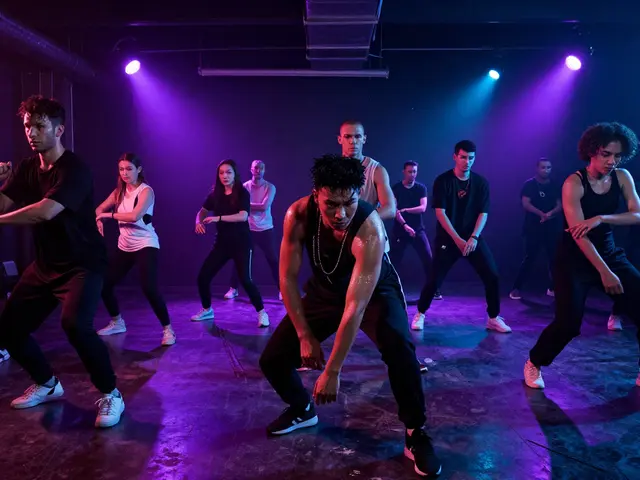
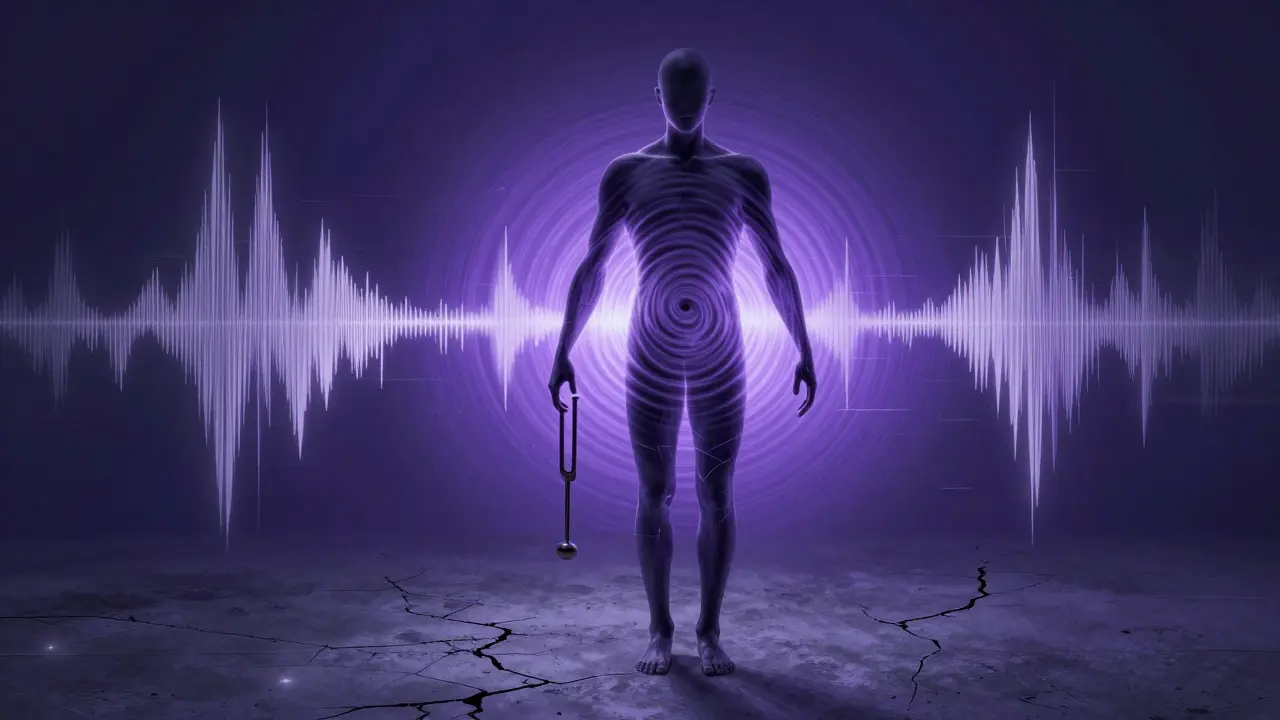
The core movements are simple but intense: the wobble, the stutter, the bounce, and the robotic freeze. The wobble is the signature move-your body shakes side to side or up and down in time with the bass, like a tuning fork hit with a hammer. The stutter is a quick, jerky motion, often in the legs or arms, mimicking the cut-up beats in the music. The bounce is full-body, knees bent, feet planted, rising and falling with the rhythm like a spring under pressure.
Unlike ballet or even house dance, dubstep dance doesn’t care about grace. It thrives on chaos. It’s not about looking good-it’s about feeling the music in your bones. That’s why you’ll see people with no formal training moving better than trained dancers. The music doesn’t ask for technique. It demands response.
Where Did It Come From?
Dubstep dance didn’t appear out of nowhere. It grew from the UK’s underground bass music scene in the early 2000s. Clubs in South London-places like The Fridge and The End-were where producers like Skream, Benga, and Coki were crafting tracks with sub-bass that could shake walls. People started dancing to it naturally. No one taught them. They just moved.
Early footage from 2005 to 2008 shows dancers in hoodies, sneakers, and beanies, arms flailing, torsos twisting, heads bobbing like metronomes. It looked wild. It looked unpolished. And that was the point. It was a rebellion against the polished, choreographed dance styles dominating TV and clubs at the time.
By 2010, dubstep exploded globally. Artists like Skrillex brought it to mainstream festivals. And with it came the dance. YouTube videos of ravers in the US, Canada, and Australia started going viral. Teens in Perth, Sydney, and Melbourne began copying the moves. Dance crews formed. Workshops popped up. Dubstep dance went from a club quirk to a global phenomenon.
How It’s Changing Dance Culture
Dubstep dance is breaking rules. Traditional dance styles rely on form, repetition, and precision. Dubstep dance? It’s about improvisation, individuality, and raw energy. You don’t need to know the steps. You just need to feel the bass.
This shift is changing how people think about dance. More studios now offer "bass dance" or "freestyle electronic" classes alongside salsa and jazz. Dance competitions are adding categories for "freestyle bass" or "wobble battles." Even mainstream shows like Dancing with the Stars have featured dubstep-inspired routines-though they often sanitize it into something more controlled.
What’s more, it’s attracting a new kind of dancer. Not the kids who’ve trained since age five. But the ones who never thought they could dance. The shy ones. The introverted ones. The ones who felt out of place in traditional dance classes. Dubstep dance doesn’t care. It welcomes anyone who can feel the music.
In Perth, crews like Bassline Movement and Wobble Tribe meet every Friday at local warehouses. No instructors. No mirrors. Just speakers, sweat, and sound. One member, a 19-year-old student named Jai, told me: "I used to think I had two left feet. Then I heard a dubstep drop at a party and my body just went. I didn’t think. I didn’t plan. I just moved. That’s when I knew I could dance."
The Physical and Emotional Impact
Dubstep dance isn’t just fun-it’s therapeutic. The heavy bass frequencies (often below 60Hz) create physical vibrations you can feel in your chest, your ribs, your teeth. That’s not just noise. That’s science. Studies in sound therapy show low-frequency vibrations can reduce stress hormones and trigger endorphin release.
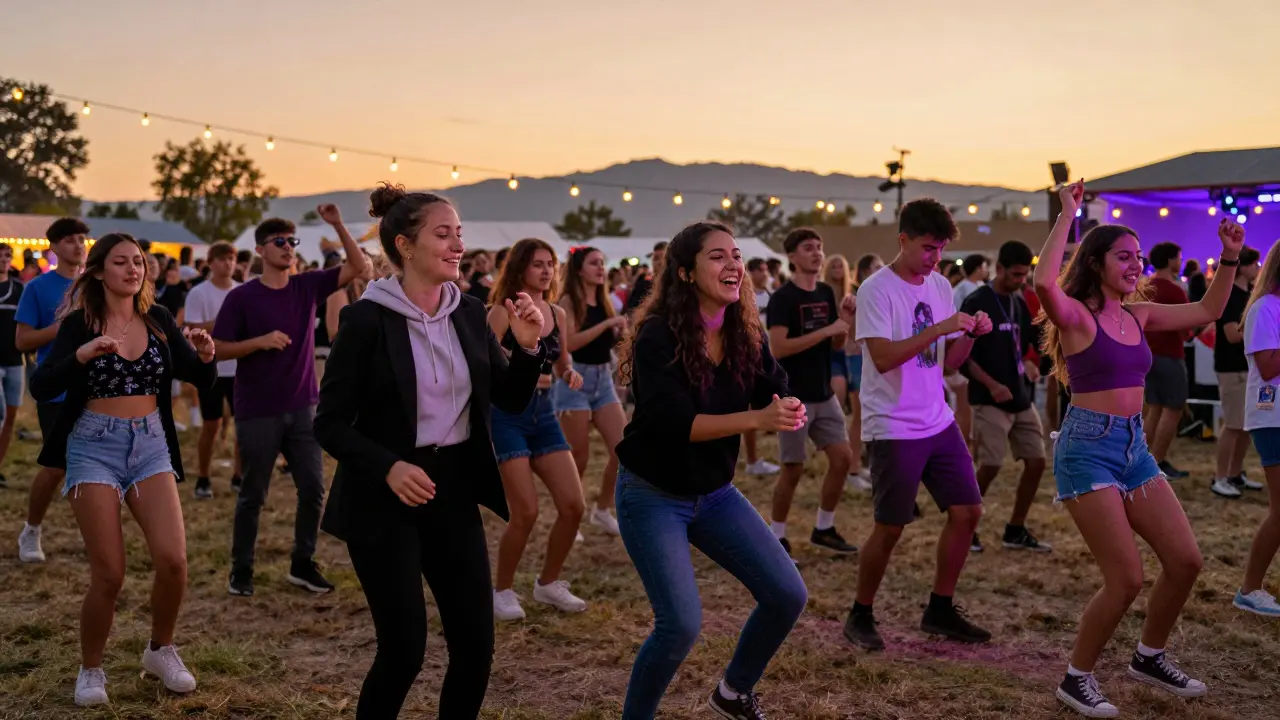
Dancers describe it as a release. A way to shake off anxiety, anger, or just the weight of daily life. At a 3 a.m. bass rave in Fremantle last year, I watched a woman in her 40s, dressed in a business suit under a hoodie, dancing like she’d never danced before. She was crying. Not from sadness-from relief. "I haven’t moved like this since I was 16," she said. "This music… it digs out the stuff you bury."
It’s also a social equalizer. In dubstep dance spaces, you don’t get judged by how you look, how old you are, or where you’re from. You get judged by how hard you hit the drop. That’s powerful.
How to Start Dancing Dubstep
You don’t need lessons. You don’t need a mirror. You just need a track with a solid bassline and the willingness to let go.
- Find a track with heavy, wobbling bass-try "Scary Monsters and Nice Sprites" by Skrillex, "Creeper" by Wooli, or "Trololo" by Excision.
- Stand with your feet shoulder-width apart. Knees slightly bent. Stay loose.
- When the bass hits, let your body shake. Don’t force it. Just feel it.
- Try the wobble: shift your weight side to side, letting your hips and shoulders follow. Don’t worry about symmetry. Asymmetry is the point.
- Add the stutter: quick, sharp knee bends or arm jerks on the off-beats.
- Freeze. When the music pauses, stop. Hold your pose. Then explode again.
- Watch videos of real dancers-not choreographed routines, but crowd shots at festivals. Copy what feels natural to you.
Don’t try to look like someone else. Dubstep dance isn’t about imitation. It’s about expression. Your version might look different from mine. And that’s perfect.
Common Mistakes New Dancers Make
Most beginners try too hard. They copy moves they see online and end up looking stiff. Or they focus so much on the wobble that they forget to breathe. Or they dance only when the bass is loud and freeze during the breakdowns.
Here’s what actually works:
- Don’t fight your body. If you’re not shaking, that’s fine. Just bounce. Or sway. Or nod your head. Movement is movement.
- Listen to the space between the drops. The quiet parts matter too. That’s where you reset.
- Wear comfortable shoes. Flat soles. No heels. You need to feel the floor.
- Don’t look in mirrors. You’re not performing. You’re responding.
- Stay hydrated. Bass-heavy dancing is physical. Your heart rate spikes. You sweat more than you think.
Why It’s Here to Stay
Dance styles come and go. Disco faded. The Macarena vanished. But dubstep dance? It’s evolving, not fading.
It’s merged with other styles. You’ll see trap dancers blending it with krump. Future bass fans adding fluid arm waves. Even drill music scenes in London now have their own version of the wobble.
And the music keeps changing. New producers are pushing bass further-deeper, darker, more textured. The dance keeps up. It always does.
More importantly, it’s become a language. A way for people to connect without words. At a festival in Adelaide last year, two strangers from different countries met during a drop. No shared language. No social media. Just matching movements. They danced together for 12 minutes. Then walked away with a nod. No names exchanged. No photos taken. Just shared vibration.
That’s the real power of dubstep dance. It doesn’t need explanation. It doesn’t need permission. It just needs you to feel it.
Is dubstep dance the same as moshing or headbanging?
No. Moshing is chaotic movement in a crowd, often aggressive and physical. Headbanging is rhythmic head motion, usually to metal. Dubstep dance is more controlled, grounded, and tied to specific bass patterns. It’s not about collision-it’s about resonance. You move with the sound, not against it.
Do I need to be athletic to dance dubstep?
No. Dubstep dance is adaptable. You don’t need to be fit or flexible. Even small movements-like a shoulder shimmy or a foot tap-can be effective. The key is rhythm, not strength. People of all ages and fitness levels participate. What matters is your connection to the music, not your body type.
Can I learn dubstep dance online?
You can find tutorials, but they miss the point. Dubstep dance thrives in live settings-where the bass hits your chest and the crowd moves with you. Online videos can show you shapes, but not the feeling. If you want to learn, go to a local bass night, a warehouse party, or even a backyard with good speakers. Move with others. That’s where it lives.
Is dubstep dance only for young people?
Not at all. I’ve seen 60-year-olds wobbling harder than teenagers. The music doesn’t care about your age. It only asks if you’re willing to feel it. Many older dancers say it’s the first time they’ve danced freely since their 20s. It’s not a youth trend-it’s a human response.
What music should I start with to learn dubstep dance?
Start with tracks that have clear, slow wobbling bass. Try "Scary Monsters and Nice Sprites" by Skrillex, "Bassline" by Flux Pavilion, or "Troll" by Excision. Avoid fast, chaotic tracks at first. You need space to feel the rhythm. Once you’re comfortable, move to heavier, more complex producers like Zomboy, Borgore, or 12th Planet.
Where to Experience It Live
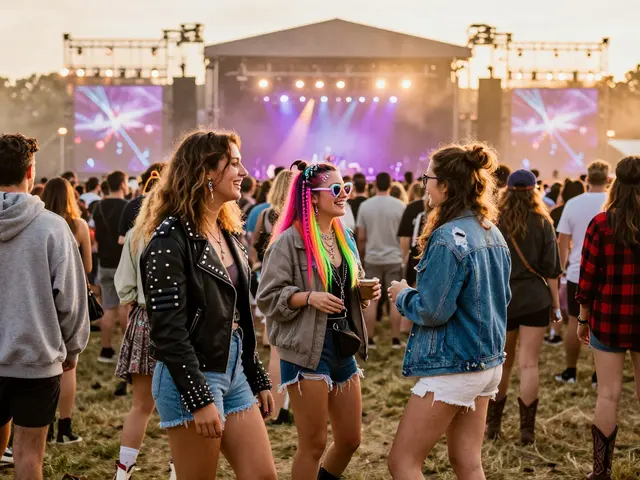
If you’re in Australia, check out Bass Camp in Melbourne, Dubstep Nights in Sydney, or the Perth Bass Collective. In the US, Bassnectar events and Shambhala Music Festival are legendary. In Europe, Boom Festival and Bassnectar’s European tours draw massive crowds. But you don’t need a big festival. Sometimes the best dubstep dance happens in a garage with a Bluetooth speaker and five friends.
The movement is alive. It’s raw. It’s real. And it’s changing how we think about dance-not as performance, but as pulse. As survival. As joy.