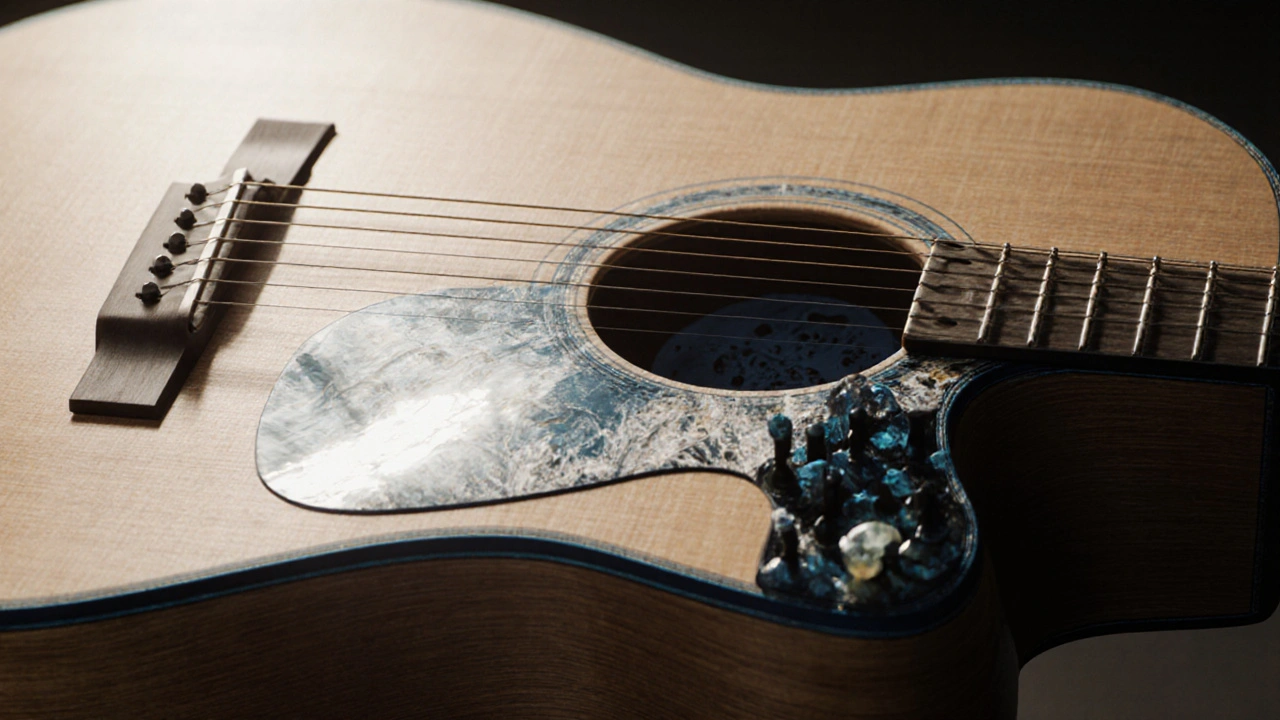
When you think of a great-sounding guitar or violin, you probably imagine aged tonewood, a type of wood selected for its acoustic properties in musical instruments. Also known as instrument wood, it’s the silent partner in every note—determining resonance, sustain, and warmth. But the old-school favorites like spruce, rosewood, and mahogany aren’t the only options anymore. tonewood innovations, newly developed and sustainably sourced woods engineered for superior sound are stepping in, giving luthiers more control, consistency, and eco-friendliness than ever before.
These aren’t just gimmicks. Companies are now using engineered tonewoods, composite materials made from fast-growing or reclaimed woods treated to enhance acoustic performance, like Carbon Fiber Reinforced Maple or Thermally Modified Ash. These materials don’t warp with humidity, they don’t rely on endangered forests, and they often outperform traditional woods in tone stability. Meanwhile, alternative tonewoods, non-traditional species like Blackwood, Myrtle, or Paulownia being tested for musical use are popping up in everything from banjos to cellos. You’ll find them in indie luthier shops and even some high-end brands experimenting beyond the usual suspects. This isn’t about replacing tradition—it’s about expanding it. Players are noticing: these new woods deliver punchier highs, deeper lows, and more even response across the fretboard.
And it’s not just about the wood itself. The way it’s treated matters just as much. Techniques like torrefaction—baking wood in controlled heat to mimic aging—give new timber the tonal character of century-old stock. Some builders are even layering woods in new ways, combining dense cores with lighter outer shells to fine-tune vibration. You don’t need a degree in acoustics to hear the difference. Try comparing a guitar made with traditional rosewood versus one built with a sustainably harvested alternative—once you listen, you’ll hear the shift. This is the quiet revolution happening in instrument shops, far from the spotlight. And it’s why the next great sound might not come from a rainforest, but from a lab, a forest farm, or a workshop where someone dared to try something new.
Below, you’ll find posts that dig into how these changes are affecting music—from the builders crafting them to the players who rely on them. Whether you’re curious about what makes a guitar sing, how modern luthiers are rethinking materials, or why your favorite artist switched to a new kind of wood, you’ll find real stories here. No fluff. Just facts, sounds, and the people making it happen.