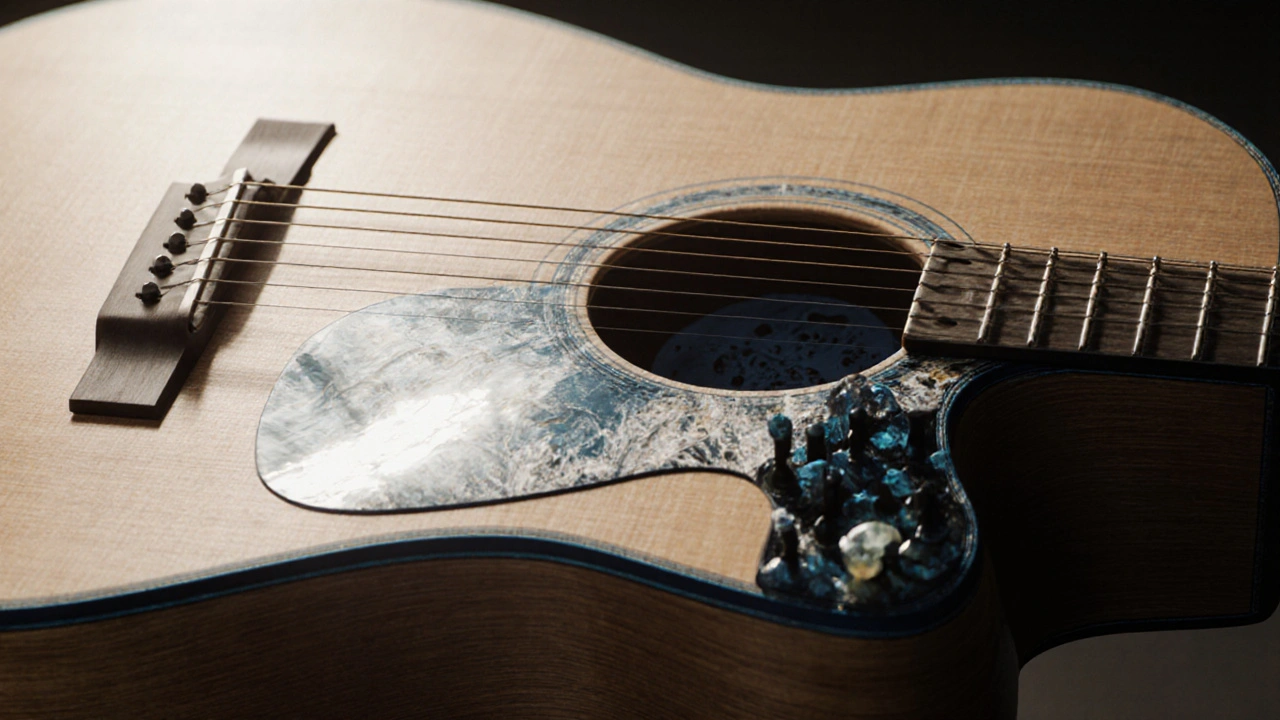
When you pick up a guitar made with sustainable guitar materials, guitars built using responsibly sourced or recycled components that reduce environmental harm. Also known as eco-friendly instruments, these guitars aren’t just about sounding good—they’re about doing less damage to the planet while still delivering tone that moves people. It’s not magic. It’s wood that’s grown without clear-cutting, strings made from recycled metal, and finishes that don’t poison the air or water.
Look closer and you’ll find eco-friendly guitar wood, alternatives to endangered tonewoods like rosewood and mahogany, such as bamboo, reclaimed timber, or fast-growing species like paulownia. Companies are now using wood from urban trees that fell in storms, or forests certified by the Forest Stewardship Council. You don’t need rare, old-growth timber to get rich, resonant sound. In fact, some of the most innovative builders swear by locally sourced maple or walnut—they’re stable, beautiful, and don’t require shipping across oceans.
Then there’s the strings. Most guitar strings are made from steel and nickel, mined and processed with heavy energy use. But now, brands are crafting strings from recycled guitar strings, metal reclaimed from old strings and repurposed into new ones, cutting mining demand and landfill waste. Some even use plant-based coatings instead of toxic chemicals. These aren’t gimmicks—they’re quieter, cleaner, and just as bright or warm as the old stuff.
And it’s not just about what the guitar’s made of. It’s about how it’s built. green instrument building, the practice of minimizing waste, using non-toxic adhesives, and reducing energy in manufacturing. Small shops are skipping plastic packaging, using water-based finishes, and powering workshops with solar. Even the glue matters—some builders now use soy-based adhesives that break down safely instead of petrochemicals that linger for decades.
Why does this all matter? Because every guitar made the old way takes something from the earth that won’t come back. Every tonewood harvested illegally, every string tossed in a landfill, adds up. But when you choose a guitar built with care—for the player and the planet—you’re not just buying an instrument. You’re supporting a shift. A quiet revolution happening in luthier workshops from Nashville to Berlin, where tone and responsibility go hand in hand.
Below, you’ll find real stories from musicians and makers who’ve switched to sustainable gear. You’ll see how these materials affect tone, durability, and even price. No hype. No greenwashing. Just facts, sounds, and the people making it happen.