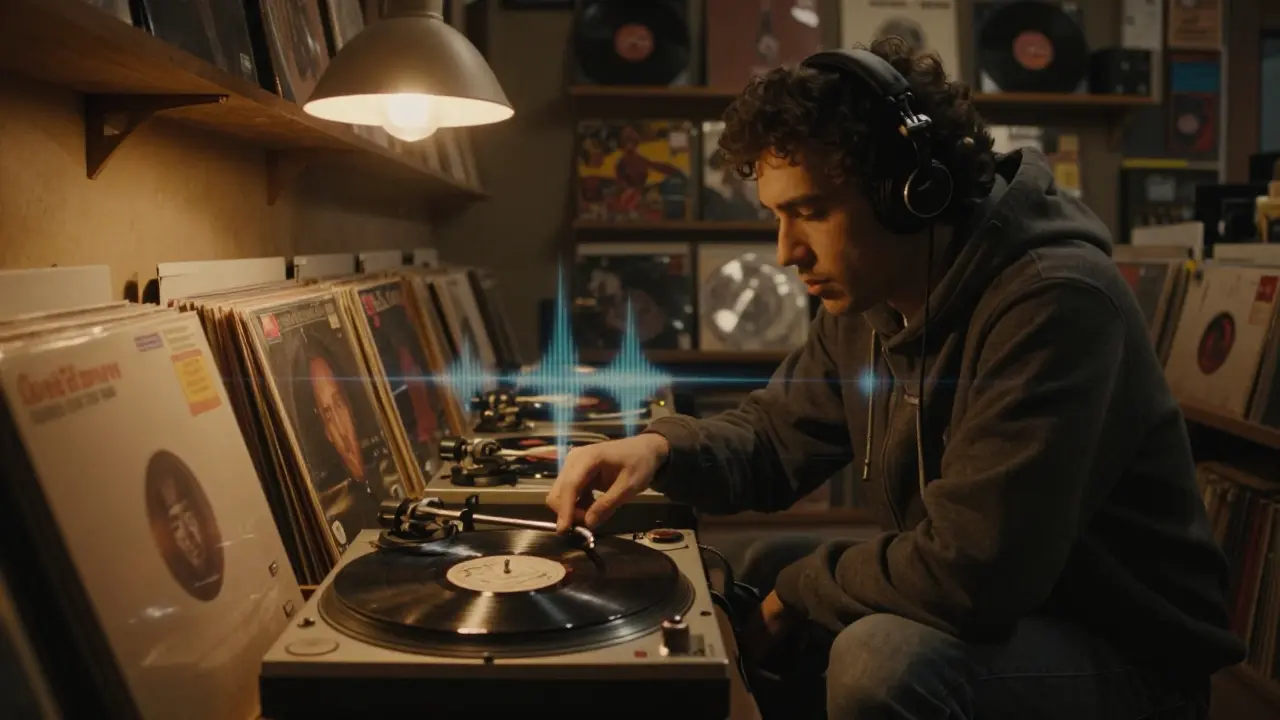
Soul music didn’t just influence hip-hop-it built its backbone. When producers in the 1980s and 1990s started digging through vinyl crates, they weren’t just looking for beats. They were hunting for emotion. And soul music, with its raw vocals, punchy horns, and deep grooves, delivered it all. From James Brown’s tight drum breaks to Aretha Franklin’s soaring choruses, soul became the secret sauce in thousands of hip-hop tracks. It’s not an exaggeration to say that without soul, hip-hop as we know it wouldn’t exist.
Why Soul Music Works for Sampling
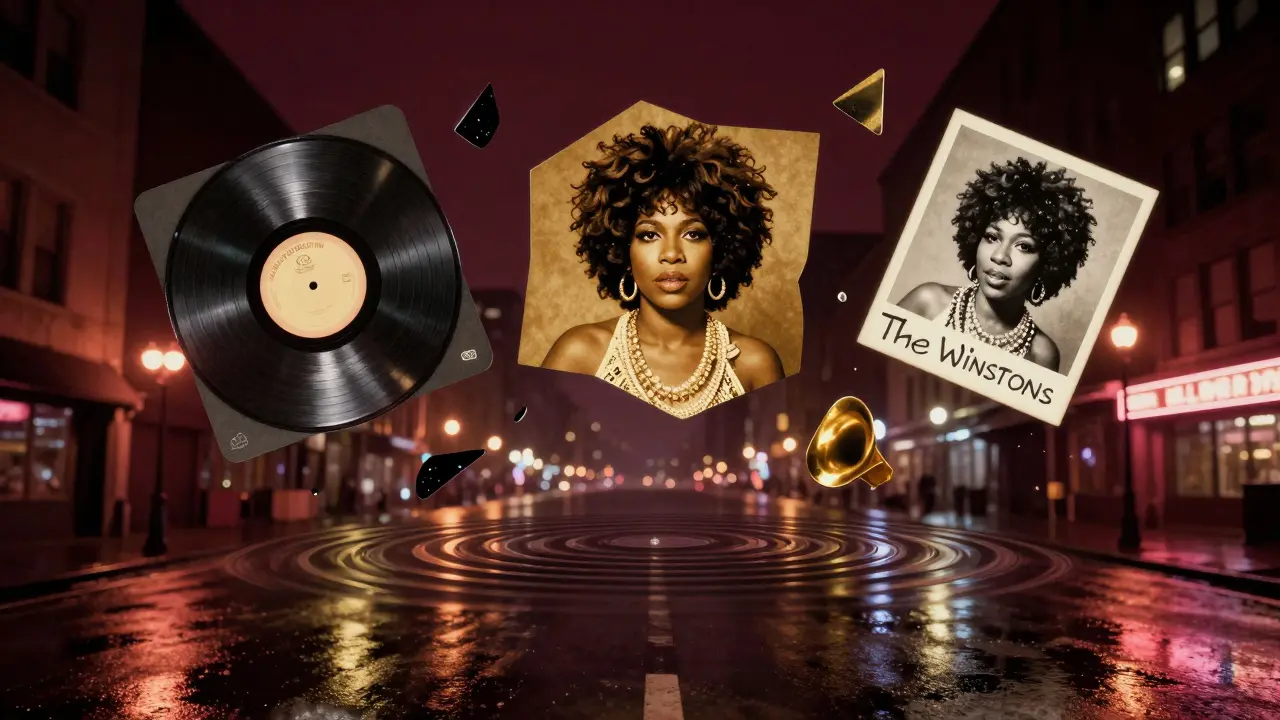
Soul music has a built-in rhythm that just clicks with hip-hop. The genre thrives on groove, not perfection. Drum breaks from tracks like “Amen, Brother” by The Winstons or “Funky Drummer” by James Brown became the foundation for entire subgenres. These breaks weren’t clean studio recordings-they were live, slightly off-kilter, and full of human feel. That’s exactly what hip-hop producers wanted.
Then there’s the vocal texture. Soul singers didn’t just sing notes-they poured pain, joy, and defiance into every phrase. When chopped and looped, a single cry from Marvin Gaye or a shout from Otis Redding could carry the emotional weight of a whole verse. Producers like DJ Premier, Pete Rock, and J Dilla didn’t just sample these sounds-they resurrected them.
Unlike pop or disco, which often leaned on polished production, soul music had grit. It had tape hiss. It had crackles. It had the sound of a record spinning on an old turntable in a basement. That imperfection became a feature, not a bug. In hip-hop, those flaws gave tracks character. They made them feel real.
The Top 5 Most Sampled Soul Tracks in Hip-Hop
Some songs were sampled so often they became part of hip-hop’s DNA. Here are five that show up again and again:
- “Funky Drummer” by James Brown (1970) - The most sampled drum break in history. Used in over 1,000 tracks, including Nas’s “Nas Is Like” and Public Enemy’s “Bring the Noise”.
- “Amen, Brother” by The Winstons (1969) - The six-second break in the middle of this track became the backbone of drum & bass, jungle, and countless hip-hop beats. From Eric B. & Rakim to Kanye West, it’s everywhere.
- “Think” by Aretha Franklin (1968) - That iconic horn stab? Used in The Notorious B.I.G.’s “Big Poppa”, Tupac’s “Keep Ya Head Up”, and dozens more. The horns cut through like a warning.
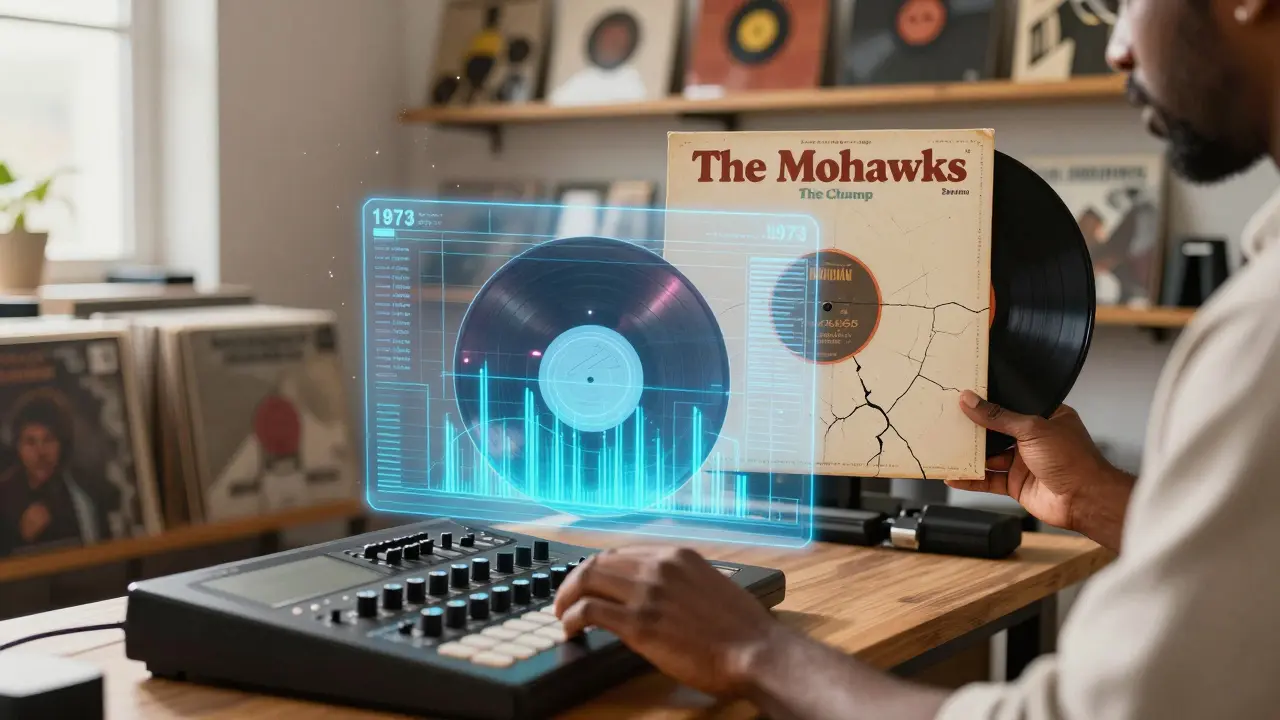
- “The Champ” by The Mohawks (1971) - A funky, bouncy groove that became the basis for Mobb Deep’s “Shook Ones Pt. II”. That beat still gives chills.
- “I Got the Feelin’” by James Brown (1968) - The bassline and vocal ad-libs were lifted for tracks by Wu-Tang Clan, A Tribe Called Quest, and even Eminem’s “The Way I Am”.
These aren’t just songs-they’re building blocks. Producers didn’t just copy them. They twisted them, slowed them down, reversed them, layered them. A 10-second snippet could become a 3-minute beat.
How Producers Found These Samples
Before Spotify, before YouTube, before even CDs, hip-hop producers hunted for soul records in thrift stores, flea markets, and basement record shops. Places like New York’s “The Record Collection” or Oakland’s “The Back Room” were sacred ground. A $2 record could hold the key to a hit.
Producers would listen to entire albums, skipping ahead to the breaks. They’d tap their foot, rewind, rewind again. If the drum hit felt right-if it made their chest vibrate-they bought it. Sometimes they’d find a track by accident. DJ Premier once found the sample for “C.R.E.A.M.” by Wu-Tang Clan on a record he bought for 50 cents because the cover had a cool picture.
It wasn’t about the artist’s fame. It was about the groove. A lesser-known artist like The Trammps or The Soul Searchers could have a track sampled more than a chart-topping star. That’s the beauty of sampling: it gave voice to the overlooked.
The Legal and Cultural Shift
By the late 1990s, things changed. Labels started suing producers for uncleared samples. The landmark case Bridgeport Music v. Dimension Films in 2005 made it clear: even a one-second sample needed permission. Suddenly, sampling became expensive. A clearance could cost $10,000 or more.
Many producers switched to live instrumentation or digital recreations. Others turned to obscure records-rare soul, funk, and jazz from the 1960s and 70s that no one had bothered to clear yet. That’s why you hear so many samples from Nigerian funk bands or obscure Chicago soul groups in modern hip-hop. They’re not just cool-they’re legal.
But the spirit of sampling never died. Artists like Madlib, The Alchemist, and 9th Wonder still dig through crates. They don’t just use samples-they tell stories with them. A sample isn’t just a sound. It’s a memory. A mood. A piece of history.
Modern Soul Sampling: What’s Changed
Today, you can find thousands of soul loops in sample packs. But the best producers still go old-school. They want the real thing. The crackle. The warmth. The imperfection.
Look at Kendrick Lamar’s “To Pimp a Butterfly”. The album is built on live jazz and soul instrumentation, but the spirit is pure sampling culture. It’s not just about the sound-it’s about the intention. The same way James Brown poured his soul into a drum break, Kendrick poured his truth into the lyrics that ride over it.
Even streaming has changed the game. Platforms like Discogs and YouTube let producers find obscure soul records from anywhere in the world. A producer in Lagos can sample a 1973 Nigerian soul track and send it to a rapper in Atlanta. The geography doesn’t matter anymore. Only the groove does.
Why Soul Still Matters
Soul music isn’t just a genre-it’s a feeling. It’s the sound of struggle, resilience, and joy all at once. And that’s why it keeps showing up in hip-hop. Every time a producer finds a dusty vinyl with a soulful break, they’re not just making a beat. They’re connecting with a lineage.
That’s why you still hear Aretha’s voice echoing over a trap beat. Why Marvin Gaye’s whispers still haunt a lo-fi mix. Soul doesn’t age. It deepens.
It’s not about nostalgia. It’s about truth. And hip-hop, at its best, has always been about telling the truth.
Why is soul music the most sampled genre in hip-hop?
Soul music has raw, emotional vocals, tight drum breaks, and deep grooves that naturally fit hip-hop’s rhythmic structure. Unlike more polished genres, soul’s imperfections-tape hiss, live instrumentation, and passionate delivery-add character and authenticity. Tracks like James Brown’s "Funky Drummer" and The Winstons’ "Amen, Brother" became foundational because they offered beats that were both powerful and flexible for looping and chopping.
What are the most sampled soul songs in hip-hop?
The top five most sampled soul tracks include: "Funky Drummer" by James Brown, "Amen, Brother" by The Winstons, "Think" by Aretha Franklin, "The Champ" by The Mohawks, and "I Got the Feelin’" by James Brown. These tracks have been used in hundreds of hip-hop songs, from Nas and Wu-Tang Clan to Kanye West and Eminem, because their breaks and horn stabs are instantly recognizable and highly adaptable.
How did producers find soul samples before the internet?
Before streaming, producers searched physical record stores, flea markets, and thrift shops, often buying records for just a few dollars. They’d listen to entire albums, skipping to the breaks to find usable drum patterns or vocal hooks. Places like New York’s "The Record Collection" and Oakland’s "The Back Room" were legendary spots where producers discovered hidden gems-sometimes by accident-on obscure or forgotten records.
Are soul samples still used today, or are they too expensive to clear?
Soul samples are still used, but clearing them legally can cost thousands of dollars, so many producers now turn to obscure or lesser-known soul tracks that haven’t been claimed, or they recreate the sounds with live instruments. Artists like Madlib and 9th Wonder still dig for original vinyl, while others use sample packs or digital recreations. The soul sound remains central, even if the method has evolved.
What’s the difference between sampling soul music and using live instrumentation in hip-hop?
Sampling takes a recorded snippet and loops or chops it, preserving the original texture, imperfections, and emotion. Live instrumentation recreates the sound from scratch, which can sound cleaner but often lacks the grit and history of the original. Sampling connects directly to the past-using a 1971 funk break carries the weight of that moment. Live playing gives control but loses that ancestral link.