
Key Takeaways
- Focus on "visualizing" the bass and snare to time your movements.
- Master the contrast between fluid (liquid) and sharp (robotic) motions.
- Build strength in your core and wrists to handle the isolations.
- Practice slow-motion movements before trying to keep up with fast BPMs.
Understanding the Core of the Movement
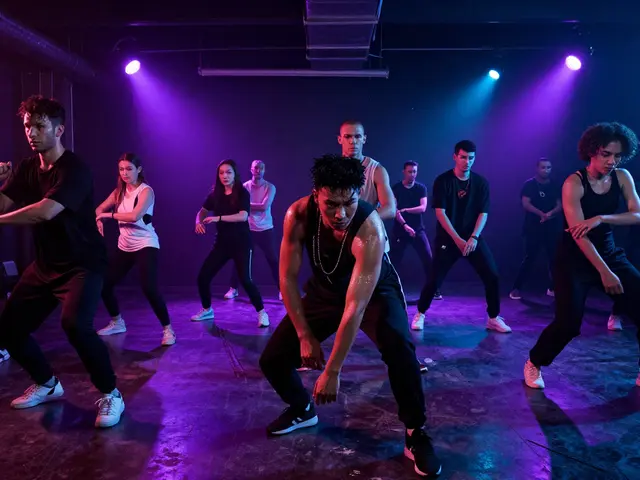
Before you start waving your arms around, you have to understand what you're actually doing. Most people confuse this style with general raiding or club dancing, but it's actually a fusion of several distinct disciplines. At its heart, this style is about Liquid Dance is a freestyle dance style characterized by fluid, flowing movements that mimic the ebb and flow of electronic music. It relies on the idea that your body is a medium for the sound. When the music is smooth, you flow; when it hits a jagged edge, you snap.
You'll also find a heavy influence from Popping is a street dance style based on the technique of quickly contracting and relaxing muscles to create a jerking motion, or a 'pop'. This is where the "robotic" feel comes from. If you want to master this, you can't just move your arm; you have to imagine your arm is a series of mechanical pistons. The secret is in the tension. If you don't tense your muscles at the exact millisecond the beat hits, the movement looks mushy instead of crisp.
Mastering the Fluidity of Liquid Dance
The goal of liquid dancing is to make the audience forget where one joint ends and another begins. To do this, you need to practice what dancers call "waves." Imagine a wave of energy starting at your fingertips, traveling through your wrist, elbow, shoulder, and then across your chest to the other side.
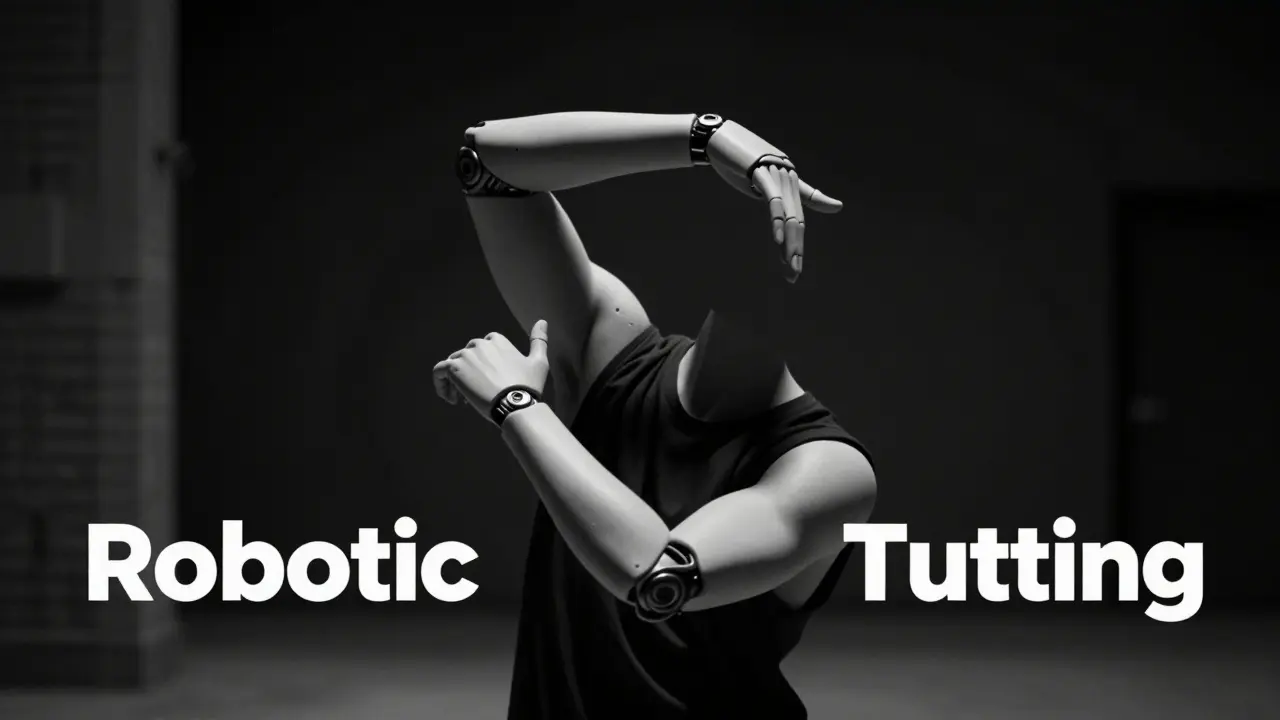
Try this exercise: Stand in front of a mirror. Raise your right hand. Slowly move your fingers down, then your knuckle, then your wrist. Each joint should move sequentially. It sounds simple, but if you do it too fast, you lose the illusion. A common mistake beginners make is moving their whole arm as one piece. To get that liquid look, you have to isolate each joint. Spend ten minutes a day just doing "finger-to-shoulder" waves. Once you can do it smoothly, try adding a Tutting is a style of dance that uses geometric shapes and 90-degree angles, primarily with the hands and arms. element to create a contrast between the curves and the sharp lines.
The Mechanics of Robotic Isolations
While liquid is about the flow, robotic dancing is about the stop. This is where Animation is a dance style that mimics the jerky, frame-by-frame movement of stop-motion films. comes into play. To nail this, you need to master the "diminishing return" movement. This is when you move your arm in a straight line but stop it in tiny, micro-increments, as if you're a low-frame-rate video.
To get a clean robotic snap, focus on your core. Your torso should remain almost completely still while your limbs move. If your whole body sways when you pop your arm, the effect is ruined. Imagine you are bolted to the floor. The power comes from the sudden contraction of the triceps and biceps. If you've ever seen a professional dancer at a Dubstep is a genre of electronic music characterized by syncopated rhythms, heavy bass, and a tempo usually around 140 BPM. event, they aren't just shaking; they are hitting specific rhythmic markers in the music with a physical "hit."
| Style | Core Feel | Key Technique | Music Correlation |
|---|---|---|---|
| Liquid | Water-like, flowing | Joint-by-joint waves | Synths, Pads, Melodic sections |
| Robotic/Animation | Mechanical, jerky | Muscle contractions (pops) | Snares, Glitches, Bass drops |
| Tutting | Geometric, structured | 90-degree angles | Rhythmic percussions, ticks |
Timing Your Moves to the Bass
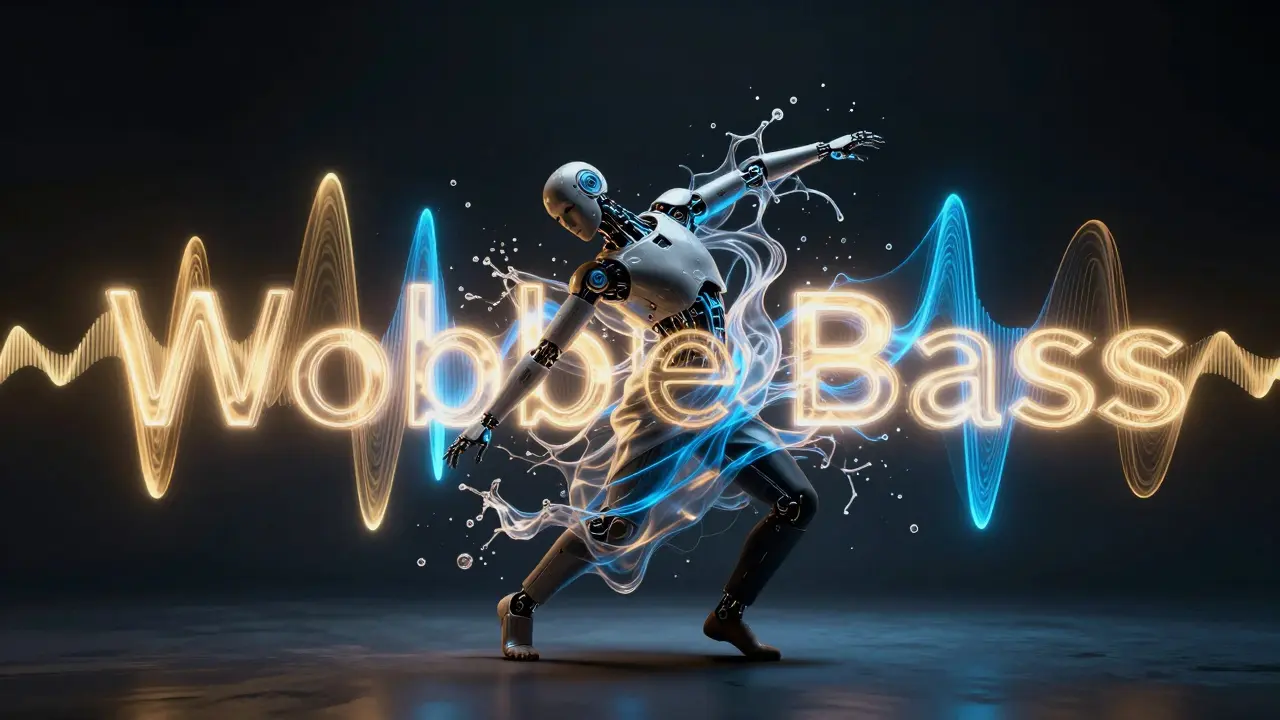
You can have the best technique in the world, but if you're off-beat, it just looks like you're having a glitch. Dubstep is typically around 140 BPM (beats per minute). This is faster than a standard walking pace, which means you have to be precise. The most important thing to listen for is the Wobble Bass is a signature sound in dubstep created by modulating a low-pass filter on a bass synth.
When you hear that characteristic "wub wub" sound, your body should mimic that oscillation. This is where you combine liquid and robotic styles. On the "wub," you might execute a soft wave; on the sharp snare hit that follows, you snap into a hard robotic freeze. Think of it as a conversation between the music and your muscles. If the bass is "stretching," your movement should stretch. If the bass is "stuttering," your movement should be a series of quick, sharp pops.
Training Your Body for High-Impact Motion
This style of dancing is surprisingly taxing. Because you are constantly tensing and releasing muscles, you can fatigue quickly. You don't need to be a bodybuilder, but wrist flexibility and core stability are non-negotiable. If your wrists are stiff, your waves will look like broken sticks. If your core is weak, you'll lose your balance during a heavy drop.
Start with a dynamic warm-up. Rotate your wrists, stretch your shoulders, and do some light torso twists. A great pro tip is to practice your moves in slow motion. If you can execute a perfect wave at 0.5x speed, doing it at full speed becomes a matter of muscle memory rather than a struggle for coordination. Use a mirror to check your angles. In tutting, if your arm is at 80 degrees instead of 90, the geometric illusion fails. Precision is everything here.
Common Pitfalls and How to Fix Them
The biggest mistake beginners make is "over-dancing." They try to move every part of their body to every single sound in the song. This creates visual noise. Instead, choose a few elements of the track to highlight. Maybe you focus on the snare for your pops and the melody for your liquid waves. By leaving some space in your movement, the parts you *do* emphasize become much more impactful.
Another common issue is the "dead face." Many people focus so hard on their arms that they look like a statue from the neck up. While you don't need to be a mime, a bit of facial expression or a slight tilt of the head can sell the robotic persona. If you're doing a mechanical movement, a sharp, synchronized head tilt makes the whole performance feel cohesive. Remember, you are telling a story with your body, and the story is that you are an extension of the sound system.
Do I need to take classes to learn dubstep dance?
Not necessarily. While a teacher can correct your form, most liquid and robotic dancers are self-taught through YouTube tutorials and practicing in front of a mirror. The key is recording yourself and comparing your movement to professional dancers to spot where your "waves" are breaking or where your "pops" are too soft.
How do I find the right music to practice with?
Look for tracks with clear distinctions between the melodic sections and the bass drops. Artists who use heavy "glitch" elements are great for robotic practice, while "melodic dubstep" is perfect for honing your liquid flow. Start with slower tracks to get the movements right before moving to high-energy festival mixes.
What is the difference between popping and robotic dancing?
Popping is the broader technique of contracting muscles to create a jolt. Robotic dancing is a specific application of popping where you use those jolts to mimic a machine. All robotic dancing uses popping, but not all popping is robotic (for example, it could be used in funk or hip hop styles).
How long does it take to look "fluid"?
Fluidity comes from joint isolation, which is essentially muscle memory. For most people, spending 20 minutes a day on wave drills for 2-4 weeks produces a noticeable difference. The "magic" happens when you stop thinking about the joints and start thinking about the flow of energy.
Can I do this if I have no rhythm?
Yes. Rhythm is a skill, not just a talent. Start by clapping to the snare of a song. Once you can clap consistently, try to move just your shoulder to the beat. By breaking the music down into simple components, you train your brain to recognize the patterns that your body needs to follow.
Next Steps for Your Dance Journey
If you've mastered the basic waves and pops, it's time to experiment with "fusion." Try combining a liquid wave that suddenly "glitches" into a series of robotic pops. This contrast is what makes professional dubstep dancing so captivating. You can also start incorporating lower-body movements; while the arms do the heavy lifting, a slight bounce in the knees or a rhythmic shift in weight keeps you from looking like a cardboard cutout.
For those who feel stuck, try "shadowing." Find a video of a dancer you admire, slow the playback speed to 0.5x, and mimic their exact movements. This helps you see the micro-adjustments they make in their wrists and shoulders. Once you can mirror them at half speed, bump it up to 0.75x, and eventually, you'll find yourself hitting those drops with total confidence. Just keep dancing, keep glitching, and most importantly, keep listening to the bass.