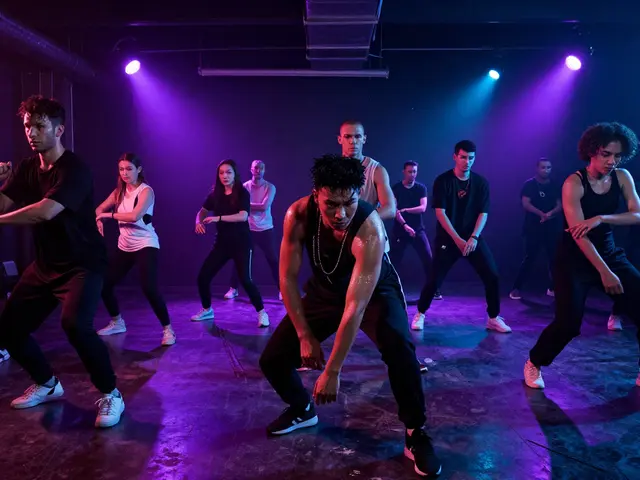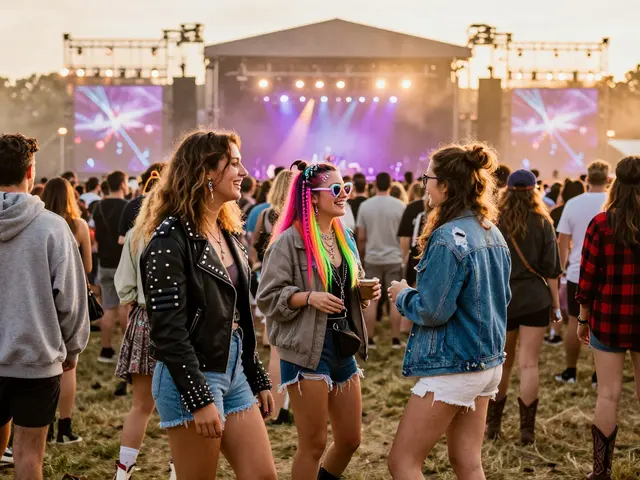
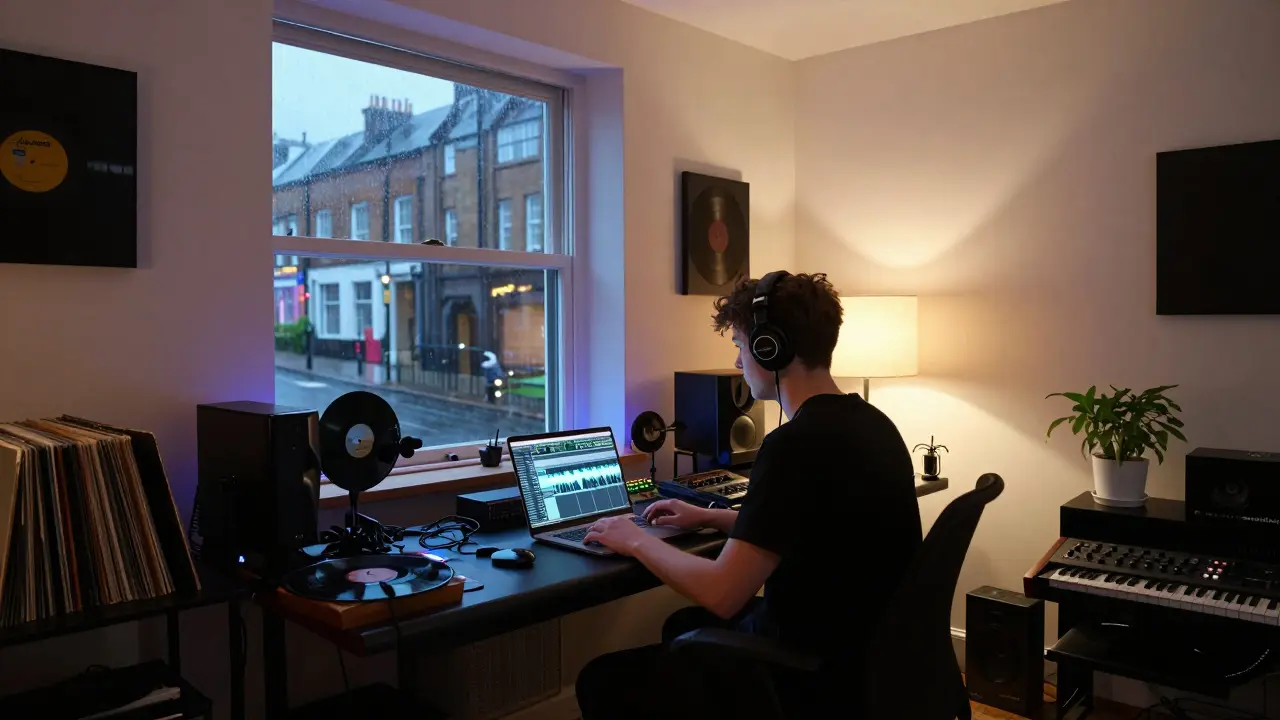
Remember when you could walk into a record store and find exactly three sections: Rock, Pop, and Hip-Hop? Those days are gone. In 2026, if you ask someone what they listen to, you won’t get a simple answer. You’ll hear terms like "drill," "hyperpop," "lo-fi chillhop," or "reggaeton fusion." The global music scene has exploded into thousands of micro-subgenres, and this fragmentation is changing how we create, consume, and connect with sound.
This isn't just about labels; it's about identity. Subgenres act as cultural shorthand, signaling who you are, where you're from, and what values you hold. From the algorithmic feeds of Spotify to the underground clubs of Lagos and Seoul, these specific sonic niches are driving the industry forward. But why did this happen, and what does it mean for the future of music?
The Death of the Mainstream Monoculture
For decades, the music industry relied on a "hit-driven" model. Radio stations played the same top 40 songs, and MTV dictated fashion trends. If you weren't on those platforms, you didn't exist commercially. This created a monoculture where everyone listened to the same things, regardless of location.
That model collapsed under the weight of digital distribution. When Streaming services like Spotify and Apple Music took over, they removed the gatekeepers. Suddenly, an artist in Nairobi could upload a track that blended traditional Benga rhythms with UK Grime, and fans in London could find it instantly. There was no need for a major label to approve the crossover.
This accessibility led to what experts call "genre fluidity." Artists no longer feel pressured to fit into neat boxes. A singer might release a country ballad one week and a trap banger the next. Listeners, especially Gen Z and Alpha, have grown up with infinite choice. They don't want generic pop; they want specificity. They want the exact vibe that matches their mood, aesthetic, or social circle. This demand for precision birthed the explosion of subgenres.
Algorithms as the New Curators
If the internet provided the stage, algorithms provided the spotlight. Streaming platforms use complex machine learning models to analyze listening habits. These systems don't just categorize music by broad genres; they map sonic attributes-tempo, key, instrumentation, vocal style-to create hyper-specific playlists.
Consider the rise of "Bedroom Pop." It wasn't marketed by a radio station. It emerged because algorithms noticed users who liked indie rock also enjoyed lo-fi recordings made on laptops. The platform connected these dots, creating a playlist that defined the genre before critics even had a name for it. This feedback loop accelerates subgenre creation. When an algorithm pushes a niche sound to a receptive audience, artists respond by making more of that sound, refining the subgenre further.
| Factor | Traditional Model (Pre-2010) | Algorithmic Model (2026) |
|---|---|---|
| Discovery Method | Radio, TV, Physical Stores | Personalized Playlists, Social Media Feeds |
| Genre Definition | Broad categories (Rock, Jazz) | Micro-tags (Vaporwave, Phonk) |
| Artist Pressure | Fit mainstream standards | Optimize for niche engagement |
| Audience Reach | Mass market | Global niche communities |
This system has a double-edged sword effect. On one hand, it democratizes fame. On the other, it can create echo chambers. Listeners might never encounter a genre outside their algorithmic bubble unless they actively seek diversity. However, the net result is a richer, more diverse global soundscape where regional styles gain international traction faster than ever before.
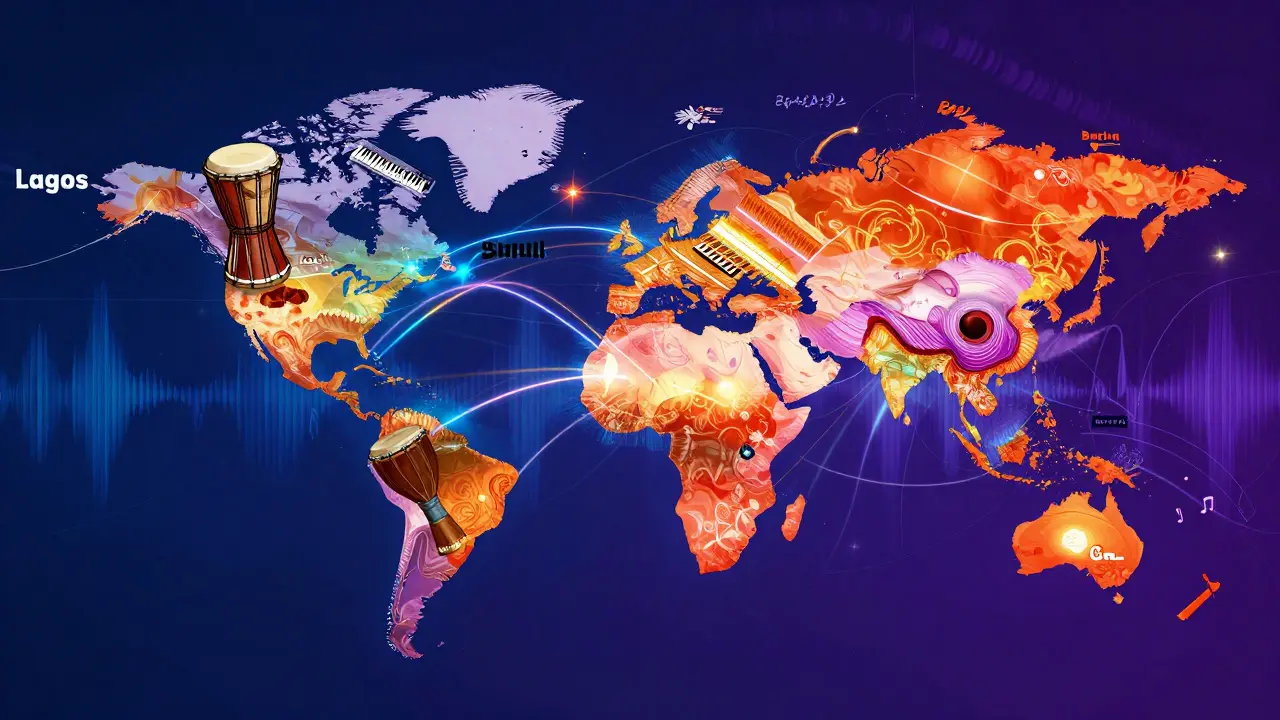
Cultural Fusion and Global Hybridization
Subgenres are often born at the intersection of cultures. As travel becomes easier and digital communication instant, musicians blend influences from vastly different parts of the world. This isn't just sampling; it's deep structural fusion.
Take Reggaeton. Originally rooted in Panama and Puerto Rico, it has evolved into multiple subgenres. "Perreo" focuses on heavy bass and danceability, while "Latin Trap" incorporates hip-hop flows and darker aesthetics. Today, you see artists from Brazil mixing Reggaeton beats with Funk Carioca, or K-Pop groups integrating Latin rhythms into their choreography and production. These hybrid subgenres break down language barriers. A Spanish-language song can dominate charts in South Korea not because people speak Spanish, but because the rhythmic subgenre resonates universally.
Another powerful example is the global spread of Afrobeats. While distinct from Afrobeat (the Fela Kuti era), modern Afrobeats blends highlife, hip-hop, and dancehall. Subgenres within this sphere, such as "Afro-fusion" or "Amapiano" (originating from South Africa), have taken over global club scenes. Amapiano’s log-drum basslines are now being sampled by producers in Berlin and New York, creating new cross-pollinated subgenres that defy single-country origins.
This hybridization challenges the idea of "authenticity." Purists may argue that blending dilutes cultural roots, but proponents see it as evolution. Music has always been migratory. Subgenres simply accelerate this process, allowing local traditions to go global without losing their core identity.
Identity, Community, and Belonging
Why do we care so much about subgenres? Because they provide community. In a fragmented digital world, finding your "tribe" is harder. Subgenres offer a ready-made identity. If you identify as a "metalhead," you’re part of a massive group. If you identify as a "blackgaze fan" (a mix of black metal and shoegaze), you’re part of a tight-knit, knowledgeable community.
Social media amplifies this. TikTok and Instagram allow fans to curate visual aesthetics around specific subgenres. The "Cottagecore" movement, for instance, isn't just a lifestyle trend; it’s tied to folk and acoustic subgenres. Fans share playlists, fashion, and art that align with this sonic niche. This creates a feedback loop where the music reinforces the lifestyle, and the lifestyle drives streams.
For marginalized groups, subgenres can be lifelines. Queer artists have found safe spaces in subgenres like "Hyperpop" and "Glitchcore," which embrace artificiality, chaos, and non-normative expressions. These sounds reject traditional masculinity and femininity in production, offering a sonic refuge for listeners who feel excluded from mainstream narratives.
Challenges for Artists and Labels
Navigating this fragmented landscape is difficult for creators. The old advice was "find your lane." Today, the lanes are constantly shifting. An artist might start in "Lo-fi Hip Hop" but pivot to "Synthwave" to capture a new wave of interest. This requires adaptability and a willingness to experiment.
Labels face a marketing dilemma. How do you promote an artist when there is no clear radio format for them? Digital marketing has become essential. Artists must build direct relationships with fans through Discord servers, Patreon, and social media. The value shifts from mass appeal to deep engagement with a smaller, dedicated fanbase.
There’s also the risk of "genre fatigue." With so many subgenres emerging, some feel derivative or gimmicky. Critics argue that the constant rebranding of similar sounds is a marketing tactic rather than artistic innovation. Listeners can become overwhelmed by the sheer volume of options, leading to decision paralysis.
The Future of Sonic Fragmentation
Looking ahead, subgenres will likely become even more granular. AI-generated music tools allow producers to tweak parameters with surgical precision, creating sounds that don't fit existing categories. We may see the rise of "personalized subgenres"-music tailored to an individual’s biometric data or emotional state.
However, human connection remains central. No matter how niche the sound, music thrives on shared experience. Live events, festivals, and online communities will continue to bridge the gaps between subgenres. The global music scene isn't dying; it's diversifying. And that’s a good thing.
As listeners, we have the power to shape this landscape. By exploring beyond our algorithmic comfort zones, supporting independent artists, and engaging with diverse cultures, we keep the ecosystem vibrant. The next big subgenre might be coming from a bedroom in Jakarta, a basement in Oslo, or a studio in Havana. Stay curious.
What is the difference between a genre and a subgenre?
A genre is a broad category of music, such as Rock, Jazz, or Electronic. A subgenre is a more specific subset within that broader category, defined by unique stylistic elements. For example, Punk is a genre, while Hardcore Punk or Pop-Punk are subgenres. Subgenres often emerge when artists experiment with new sounds or fuse different influences.
How do streaming algorithms affect the popularity of subgenres?
Streaming algorithms analyze user listening habits to recommend similar tracks. This helps niche subgenres find their target audience quickly. Instead of relying on radio play, a subgenre can grow organically through personalized playlists like "Discover Weekly" or "Release Radar." This accelerates the visibility of micro-genres that might otherwise remain underground.
Can subgenres help artists make more money?
Yes, but differently than in the past. While reaching millions of casual listeners is harder in a fragmented market, subgenres foster loyal fanbases. These fans are more likely to buy merchandise, attend concerts, and support artists on platforms like Patreon. Deep engagement with a niche audience can be more financially sustainable than chasing fleeting mainstream hits.
Are subgenres leading to less musical diversity?
On the contrary, subgenres increase diversity. By allowing artists to explore specific sounds without conforming to mainstream standards, the music landscape becomes richer. While algorithms can create echo chambers, the overall availability of global and experimental music is higher than ever. Listeners have access to countless styles that were previously inaccessible.
What are some popular subgenres in 2026?
Popular subgenres in 2026 include Amapiano (South African house music), Hyperpop (glitchy, exaggerated pop), Lo-fi Hip Hop (relaxing, low-fidelity beats), and Regional Mexican Trap. These styles reflect global cultural exchanges and the influence of digital production tools. Trends shift rapidly, driven by social media and viral moments.