When you think of jazz music, you probably hear trumpets, smoky clubs, and syncopated rhythms. But if you look closer, you’ll see something just as powerful: the clothes people wore while listening to it. Jazz didn’t just change how we listen to music-it changed how we dress. From flapper dresses to sharp zoot suits, fashion and jazz moved in step, pushing boundaries and rewriting rules together.
Flappers and the Birth of Modern Style
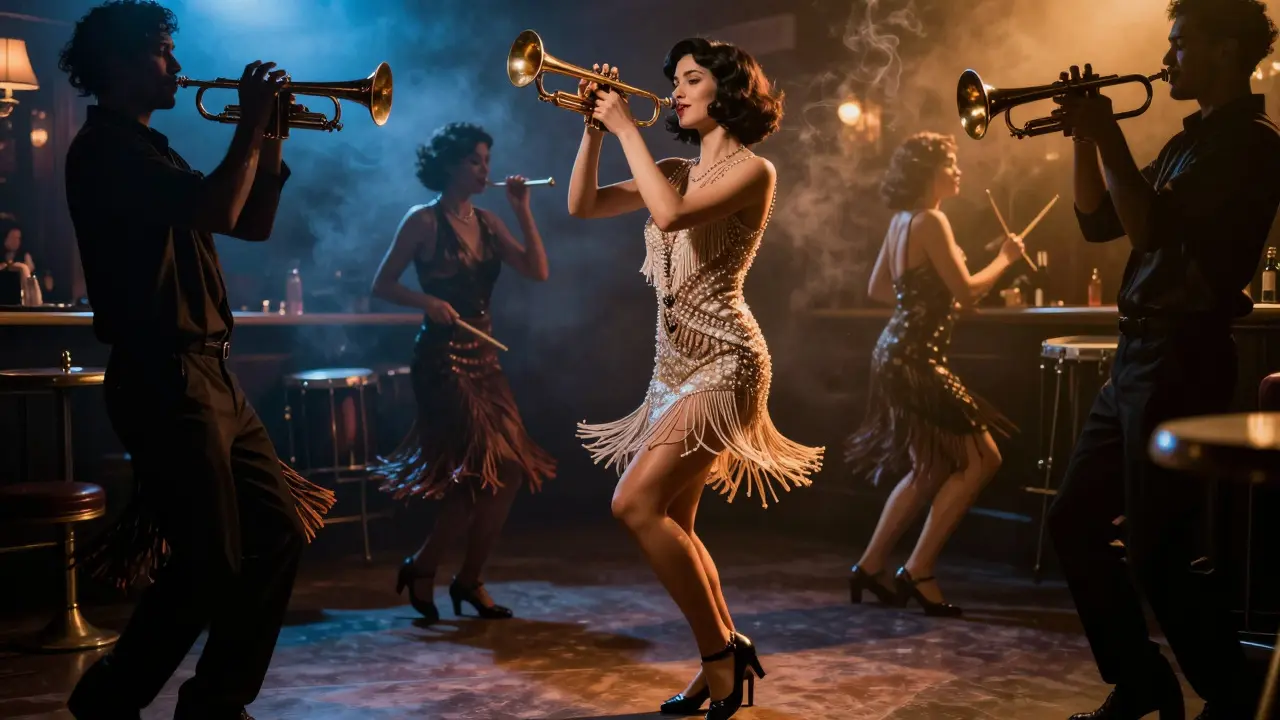
In the 1920s, jazz exploded out of New Orleans and into cities like Chicago and New York. With it came a new kind of woman: the flapper. She didn’t just dance to jazz-she dressed for it. Shorter hemlines, loose silhouettes, and dropped waists let her move freely on the dance floor. These weren’t just trends; they were acts of rebellion. Women cut their hair, ditched corsets, and wore bobbed hairstyles that mirrored the sharp, staccato beats of Louis Armstrong’s trumpet.
Before jazz, women’s fashion was stiff, formal, and restrictive. Jazz music demanded freedom of movement, and fashion responded. The bob wasn’t just a haircut-it was a statement. The fringe on a dress wasn’t just decoration; it swayed with every step, echoing the rhythm of a snare drum. By the mid-1920s, department stores across America were selling jazz-inspired clothing lines. Even Hollywood stars like Clara Bow and Louise Brooks wore these styles on screen, making them global.
The Zoot Suit and the Language of Rebellion
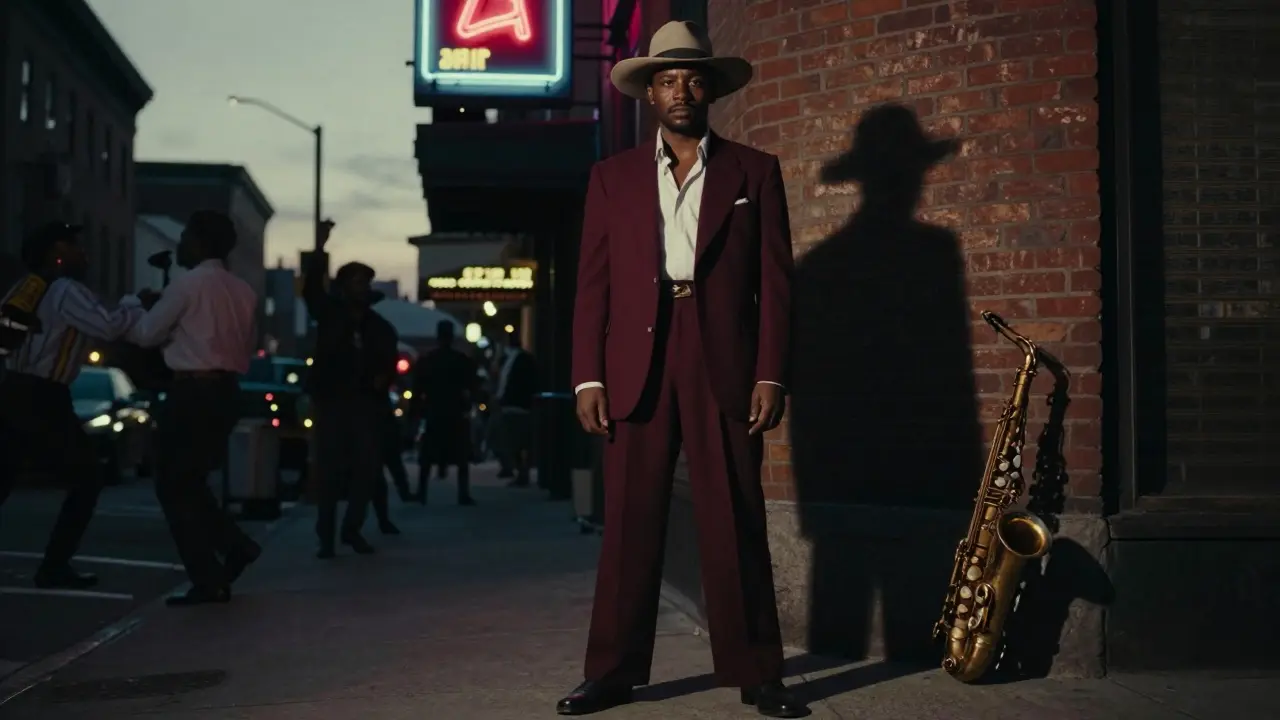
Fast forward to the 1940s. Jazz had evolved into bebop-faster, wilder, more complex. And so did fashion. Young Black and Latino men in Harlem, Los Angeles, and Detroit began wearing zoot suits: high-waisted, wide-legged pants, long coats with padded shoulders, and wide-brimmed hats. These weren’t just clothes; they were armor. In a time when Black men were denied basic rights, the zoot suit said: I am here. I am bold. I own this space.
The suit was expensive to make and often illegal to wear during wartime fabric rationing. But young jazz fans didn’t care. They’d save for months to buy one. Musicians like Cab Calloway and Dizzy Gillespie wore them on stage and on the street. The suit became so tied to jazz culture that in 1943, the Zoot Suit Riots broke out in Los Angeles-white sailors attacked young men in zoot suits, seeing them as threats. The violence didn’t kill the trend. It cemented it.
Today, you can still see echoes of the zoot suit in modern streetwear. Oversized blazers, baggy pants, and bold accessories? They’re direct descendants of that 1940s jazz rebellion.
Swing Dancing and the Rise of Functional Fashion
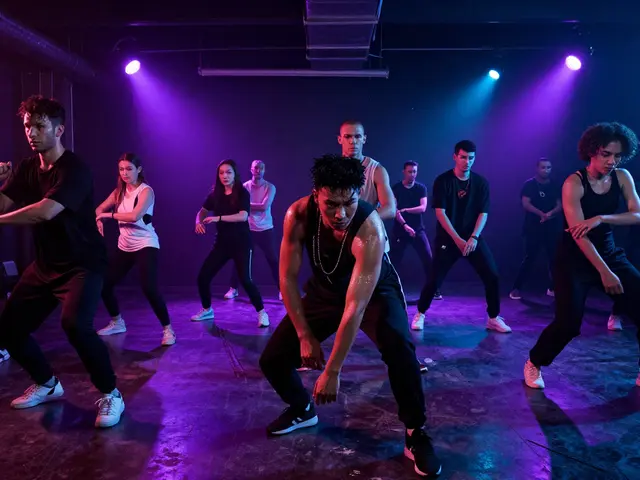
Swing music-fast, bouncy, full of energy-demanded clothes that could keep up. Women wore A-line skirts and saddle shoes so they could spin, kick, and leap during lindy hop. Men wore double-breasted jackets and loafers with rubber soles for quick pivots. No high heels. No stiff fabrics. No restrictive undergarments. Practicality became cool.
Dance halls in Kansas City and Chicago became fashion laboratories. Designers noticed what worked on the dance floor and started making it for everyday life. The rise of the pencil skirt in the 1950s? It came from swing dancers who needed something sleek but flexible. The popularity of loafers and oxford shoes? They were chosen because they didn’t slip on wooden floors.
Even today, swing dance communities around the world-like those in Melbourne, Berlin, and Tokyo-still dress in 1940s-inspired outfits. It’s not nostalgia. It’s function. The clothes still work.
Jazz and the Modern Minimalist
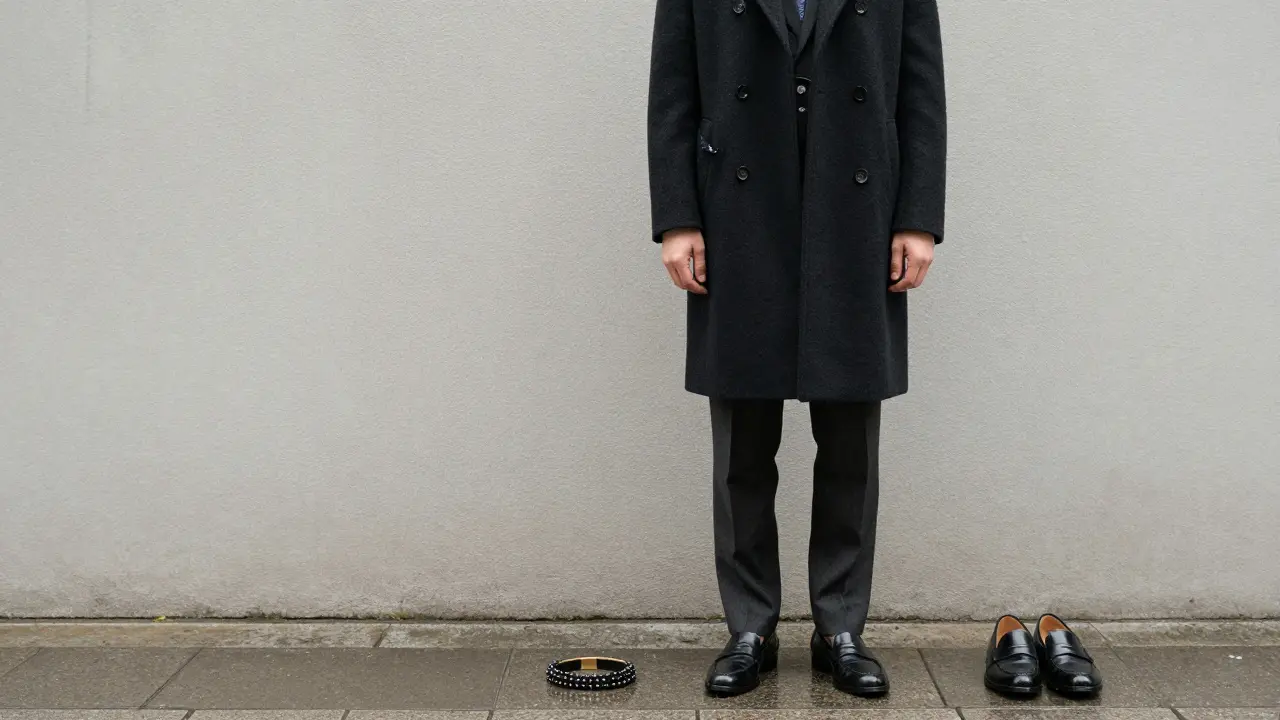
By the 1960s and 70s, jazz had gone underground. But its influence on fashion didn’t fade-it got quieter. Think of Miles Davis in his dark suit, sunglasses, and no tie. Or Nina Simone in her simple black dress and pearls. These weren’t casual choices. They were intentional. Minimal. Powerful.
While the world was flashing psychedelic prints and bell-bottoms, jazz musicians chose restraint. That quiet confidence influenced a generation of designers. Yves Saint Laurent’s 1966 Le Smoking tuxedo for women? It wasn’t just a dress. It was a jazz note in fabric form-bold, smooth, and defiantly simple.
Today’s minimalist fashion-neutral tones, clean lines, uncluttered silhouettes-owes more to jazz than most people realize. The same values that shaped jazz: improvisation, space, silence, and precision-now shape how people dress in Tokyo, Stockholm, and Melbourne.
Why Jazz Still Matters in Fashion
There’s no fashion brand today that doesn’t borrow from jazz. Virgil Abloh’s Louis Vuitton collections? Full of zoot suit references. Hedi Slimane’s slim tailoring? Inspired by 1950s jazzmen. Even fast-fashion retailers like Zara and H&M release “jazz-inspired” lines every fall.
But the real power of jazz in fashion isn’t in the prints or the patterns. It’s in the attitude. Jazz taught us that style isn’t about following rules-it’s about breaking them. It’s about wearing what feels right, even if no one else gets it. It’s about moving with confidence, even when the world is loud.
That’s why, in 2026, you’ll still see a young woman in Melbourne wearing a vintage 1920s beaded headband with a hoodie. Or a man in Berlin pairing a silk pocket square with ripped jeans. They’re not trying to recreate the past. They’re channeling its spirit.
Jazz music didn’t just give us swing rhythms. It gave us permission to be bold, to be different, to wear our truth on our sleeves. And that’s a beat that never goes out of style.
Did jazz music directly influence clothing design in the 1920s?
Yes. Jazz musicians and dancers influenced designers directly. Designers like Coco Chanel noticed how women moved in clubs and created looser, shorter garments that allowed freedom. Department stores began selling "jazz collections" with fringe, sequins, and dropped waistlines specifically marketed to young women who danced to jazz. The flapper dress wasn’t an accident-it was a response to the rhythm of the music.
Why did the zoot suit become controversial in the 1940s?
The zoot suit used large amounts of fabric, which violated wartime rationing rules. But more than that, it symbolized Black and Latino youth asserting their identity in a racially segregated society. White servicemen saw the suits as defiant and dangerous. In 1943, this tension exploded into the Zoot Suit Riots in Los Angeles, where hundreds of young men were attacked for wearing them. The suit became a political statement, not just a fashion choice.
How did swing dancing change footwear trends?
Swing dancing required shoes that allowed quick turns, slides, and jumps without slipping. Rubber-soled loafers and saddle shoes became standard because they gripped wooden dance floors. High heels were impractical and dangerous. This shift pushed shoe manufacturers to design footwear for movement, not just appearance. The popularity of these shoes carried into everyday fashion, making casual, functional shoes acceptable for work and social settings.
Is modern minimalist fashion really connected to jazz?
Absolutely. Jazz musicians like Miles Davis and Bill Evans favored clean lines, dark tones, and minimal accessories. Their style wasn’t about being trendy-it was about focus and presence. Designers like Yves Saint Laurent and Rei Kawakubo took that same philosophy and applied it to clothing. Today’s monochrome outfits, tailored silhouettes, and lack of clutter mirror the quiet confidence of jazz improvisation: less is more, but only if every piece matters.
Do people still dress in jazz-inspired fashion today?
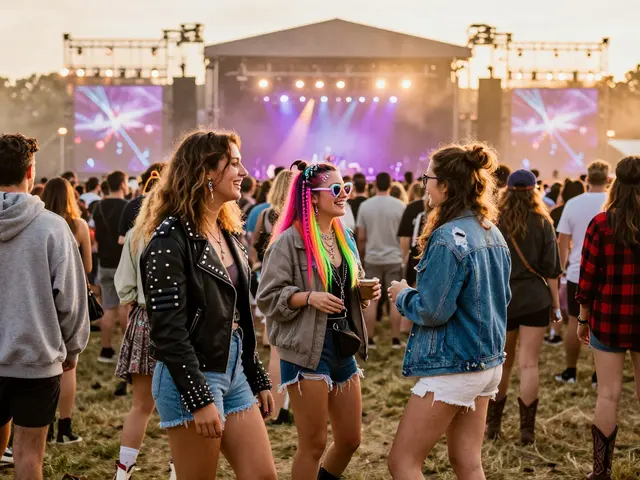
Yes-in swing dance communities, jazz festivals, and streetwear scenes. Cities like Melbourne, New Orleans, and Copenhagen host monthly swing dances where attendees wear 1920s-1940s outfits. Designers like Rick Owens and Alexander McQueen have referenced jazz aesthetics in runway shows. Even sneaker brands release "jazz club" colorways with metallic accents and velvet trims. It’s not retro cosplay-it’s a living tradition.
What to Wear If You Love Jazz
If you want to channel jazz style today, skip the full costume. Instead, borrow its spirit:
- Choose one bold piece-a silk scarf, a wide-brimmed hat, or a pair of loafers with a metallic toe
- Stick to neutral tones with one accent color (think burgundy, emerald, or gold)
- Layer textures: wool, velvet, and leather speak louder than logos
- Let movement guide you: if it restricts your walk, it’s not jazz
- Wear what feels like a solo-confident, unexpected, and true to you
Jazz never asked you to look like someone else. It asked you to sound-and look-like yourself.