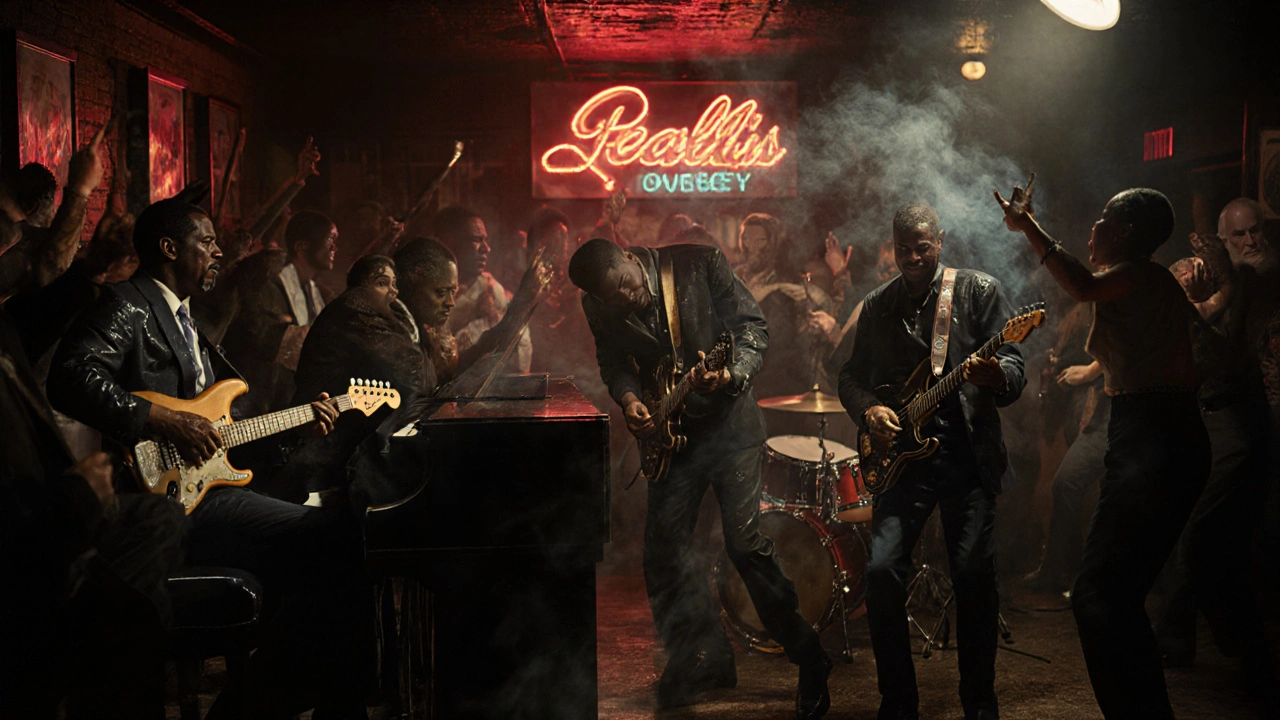
When you think of rock music, a genre built on electric guitars, rebellious energy, and raw emotion that exploded from the 1950s onward. Also known as rock and roll, it’s not just a style—it’s a cultural shift that changed how people listened, danced, and thought. This isn’t just about who played what in what year. It’s about the people behind the amps, the studios where magic happened, and the kids who wore leather jackets because the music felt like theirs.
The rock music timeline, a chain of moments that transformed sound and society starts with Chuck Berry’s riffs, Elvis’s hips, and Little Richard’s screams. Then came The Beatles turning pop into art, Led Zeppelin turning volume into poetry, and Nirvana turning grunge into a global sigh. Each wave didn’t replace the last—it layered on top. You can hear blues in The Rolling Stones, punk in Green Day, and post-rock in today’s quietest indie bands. The rock subgenres, the many branches that grew from the same root—hard rock, metal, alternative, emo, shoegaze—are all part of the same story. And behind every big hit, there’s a rock band, a group of people who turned frustration, joy, or boredom into something that moved millions you never heard of: the session players, the engineers, the road crew keeping the lights on.
What you’ll find here isn’t a dry list of dates. It’s the real stuff—the messy, loud, beautiful mess that happened when guitar strings met rebellion. You’ll see how the same riff from 1969 still lives in a band playing in a basement in 2025. You’ll find the unsung heroes who made the sound possible. You’ll meet the new kids rewriting the rules without ever needing a record deal. This isn’t nostalgia. It’s proof that rock isn’t dead—it’s just learning new ways to scream.