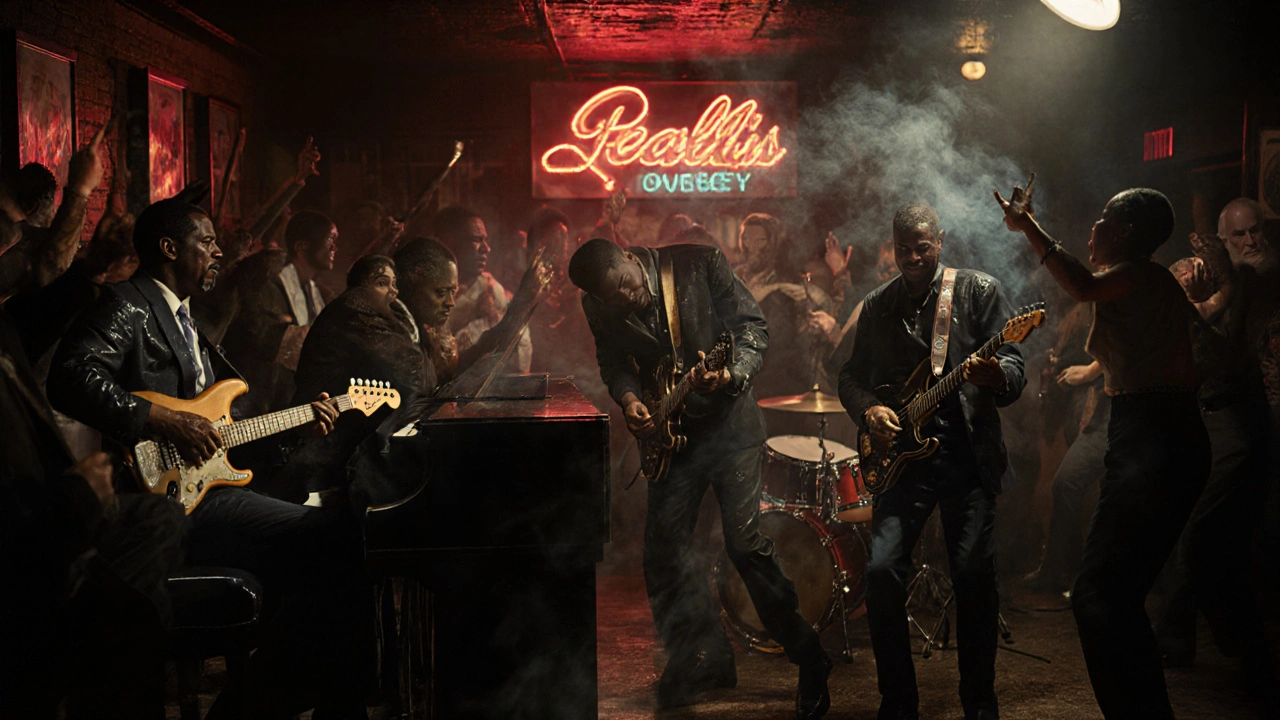
When you hear a guitar scream or a drum hit hard, you're hearing the rock music origins, the raw, rebellious fusion of African American blues, white Southern country, and rhythm-driven R&B that exploded in the 1950s. Also known as rock and roll, it wasn’t invented in a studio—it was born on street corners, juke joints, and radio waves that refused to stay in their lanes.
You can’t talk about rock music origins, the raw, rebellious fusion of African American blues, white Southern country, and rhythm-driven R&B that exploded in the 1950s. Also known as rock and roll, it wasn’t invented in a studio—it was born on street corners, juke joints, and radio waves that refused to stay in their lanes.
Look closer and you’ll see the blues music, a 12-bar structure built on pain, call-and-response, and raw emotion, often played on cheap guitars in the Mississippi Delta. Also known as Delta blues, it gave rock its soul—its bent notes, its growling vocals, its sense of rebellion. Artists like Muddy Waters and Howlin’ Wolf didn’t just play music; they told stories that young white kids in Ohio and Michigan heard and turned into something louder, faster, and wilder. Then there’s country music, the storytelling tradition of string bands, pedal steel, and simple chords that came from Appalachian hills and Texas dance halls. Also known as hillbilly music, it gave rock its rhythm, its twang, and its knack for telling real-life stories—think Johnny Cash’s train songs and Hank Williams’ heartbreak, all turned up to eleven. And you can’t ignore rhythm and blues, the syncopated, danceable blend of gospel, jazz, and blues that made bodies move before rock even had a name. Also known as R&B, it gave rock its groove—its backbeat, its energy, its insistence that music had to make you feel something in your chest, not just your ears.
These three forces didn’t just influence rock—they collided. Chuck Berry took blues riffs and added country’s storytelling. Little Richard mixed R&B’s energy with gospel’s shouting. Elvis didn’t invent rock, but he made it impossible to ignore by blending them all. By the mid-50s, radio stations that once banned "race records" were playing the same songs as the ones on the white pop charts. The walls were breaking. And once they did, nothing stayed the same.
What you hear today—from garage rock to punk to indie—still carries those original fingerprints. The power chord? From blues. The driving beat? From R&B. The raw, unfiltered lyrics? From country. The bands you love now didn’t start from nothing. They stood on the shoulders of people who played in basements, on porches, and in broken-down cars, turning pain and joy into something that moved whole generations.
Below, you’ll find deep dives into how those roots shaped everything—from the rise of modern rock bands to the subgenres that keep evolving. No theory, no fluff. Just the real stories behind the sound you can’t stop listening to.