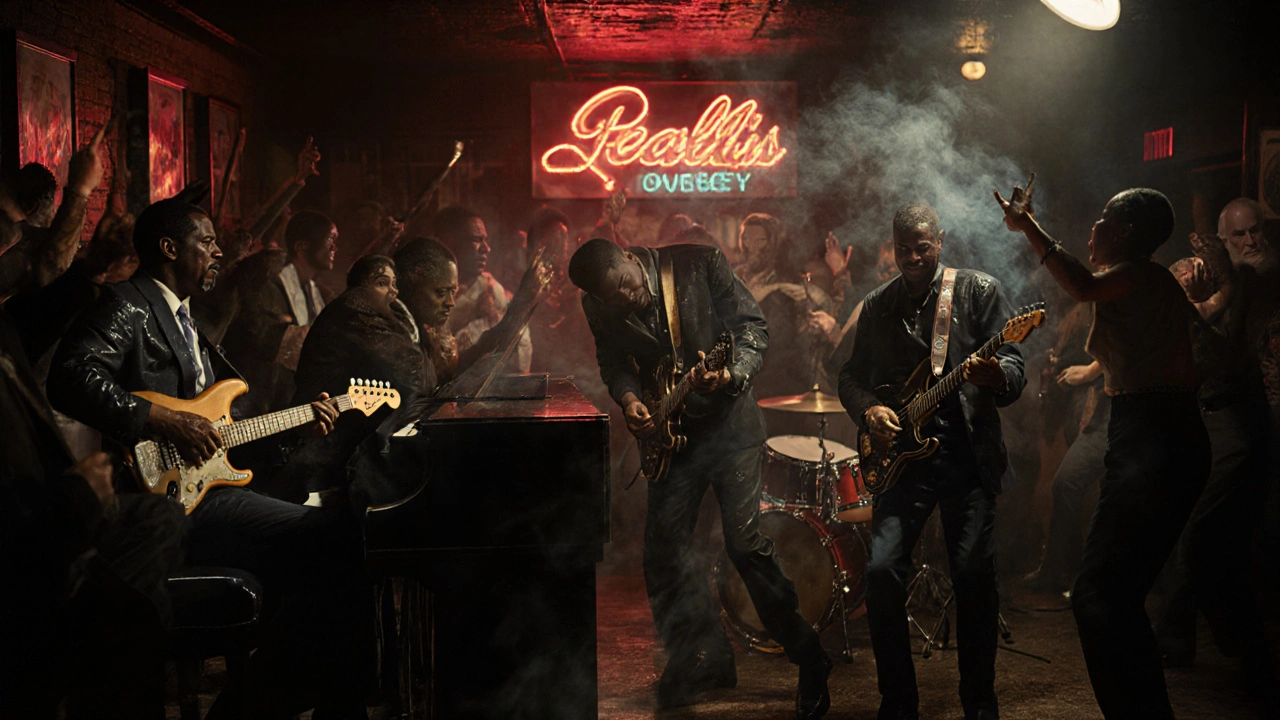
When we talk about rock music evolution, the continuous transformation of rock from its 1950s roots into hundreds of subgenres today. Also known as rock genre development, it's not just about electric guitars—it's about cultural shifts, hidden talent, and the quiet revolution of sound that never stopped moving. Rock didn’t just play music; it changed how people lived, thought, and connected. From Elvis shaking hips to Nirvana screaming into silence, every twist in its path came from real people—musicians, engineers, producers—who weren’t always in the spotlight but made every note matter.
The rock subgenres, the specialized branches of rock that emerged as artists pushed boundaries. Also known as rock styles, it includes everything from post-punk to stoner rock to the quiet, guitar-driven indie wave of 2025. These aren’t just labels—they’re responses to the world. When punk exploded in the 70s, it wasn’t because someone decided to make "fast music." It was because people were angry, bored, and wanted to tear down the rules. Later, grunge didn’t just sound heavy—it sounded honest. And today’s modern rock? It’s not trying to be loud. It’s trying to be real. Bands now blend ambient textures, electronic pulses, and raw vocals because the old formulas feel empty. The evolution isn’t about tech—it’s about truth.
Behind every big rock moment, there’s a story you won’t hear on the radio. The session musicians, the uncredited players who added the magic to classic tracks. Also known as studio musicians, they’re the ones who nailed the solo on that hit song, tweaked the drum pattern that made the chorus explode, or fixed the bassline that made the whole thing groove. They didn’t get the cover shots. They didn’t get the interviews. But without them, rock as we know it wouldn’t exist. Think of the guy who played the guitar solo on "Sweet Child O’ Mine"—nope, not Slash. Or the engineer who recorded the first distorted guitar on a rock track in 1951. Those are the unsung heroes. And they’re still out there, shaping today’s sound in small studios, not stadiums.
Rock music evolution isn’t over. It’s just quieter now. You won’t find it on Billboard’s top 10. But you’ll hear it in basement shows, in Bandcamp uploads, in the way a 19-year-old in Liverpool layers a lo-fi vocal over a fuzzed-out riff that sounds like 1977 meets 2025. The revival isn’t about nostalgia. It’s about rediscovery—of feeling, of risk, of making something that doesn’t fit the algorithm. What you’ll find in the posts below isn’t a history lesson. It’s a map. Of the bands breaking new ground. Of the producers redefining tone. Of the forgotten legends who made the sound possible. And of how the next big thing in rock might be hiding in a garage, a laptop, or a late-night jam with no audience but the walls.