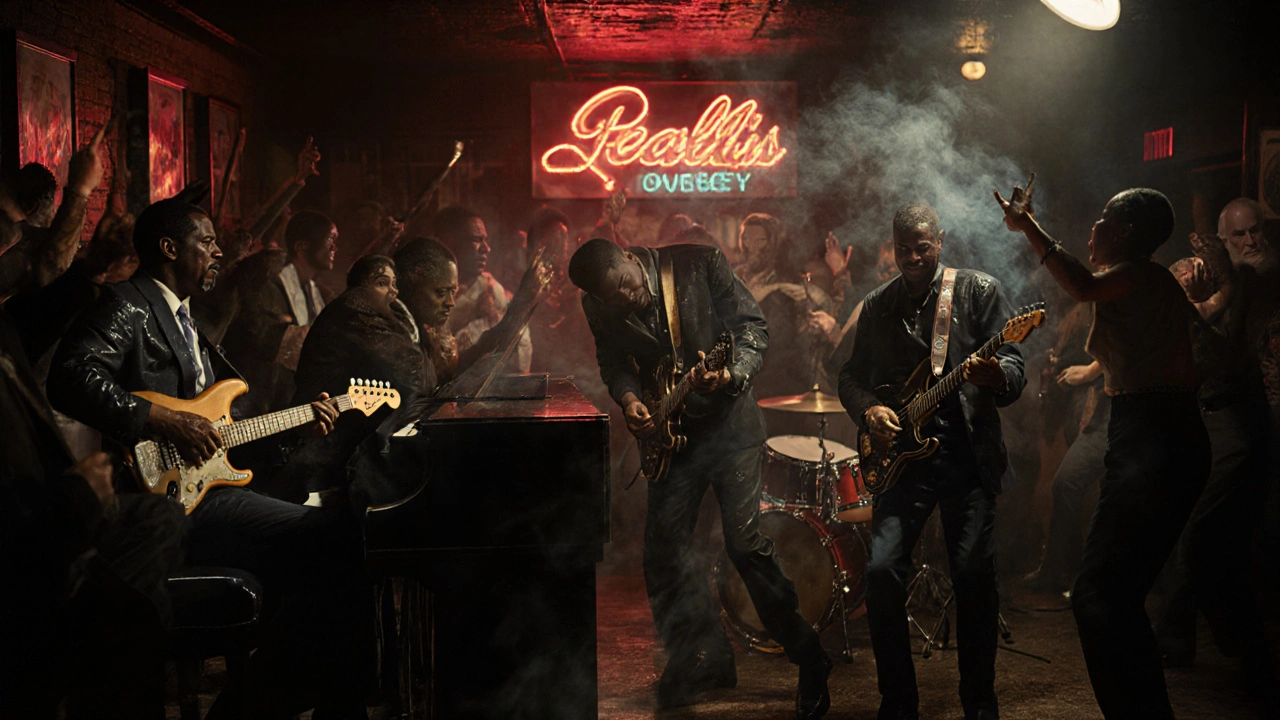
When you think of rock genres, a broad family of music styles rooted in electric guitars, driving rhythms, and raw emotion. Also known as rock music styles, it has split into dozens of branches—each with its own rules, rebels, and rituals. This isn’t just about loud guitars and drum solos. Rock genres are the backbone of modern music, influencing everything from pop hooks to hip-hop beats. You don’t need to know the difference between shoegaze and grunge to feel it—but once you do, every song changes.
Take indie rock, a genre born from DIY ethics and lo-fi studios, where authenticity beats polish. Also known as alternative rock, it’s the sound of bands recording in basements and selling tapes at shows—now streaming on millions of playlists. Then there’s post-rock, a genre that drops vocals and lets instruments build emotional landscapes. It doesn’t scream—it builds, swells, and fades like a storm rolling over a hill. And don’t forget modern rock, the quiet revival led by bands blending punk grit, electronic textures, and emotional lyricism. It’s not the rock of your parents’ era—it’s sharper, weirder, and more personal. These aren’t just labels. They’re identities. People choose rock subgenres the way they choose their favorite jeans—because they fit how they feel.
What you’ll find below isn’t a dry list of categories. It’s a collection of real stories: how a band in Ohio revived post-punk with a broken amp, how a teenager in London turned bedroom recordings into a viral indie rock hit, how a festival in Iceland became the birthplace of a new subgenre nobody expected. These posts don’t just describe rock genres—they show you how they live, breathe, and change. Whether you’re digging into the roots of blues-rock or wondering why everyone’s suddenly into slowcore, you’ll find answers that feel like conversations, not lectures.