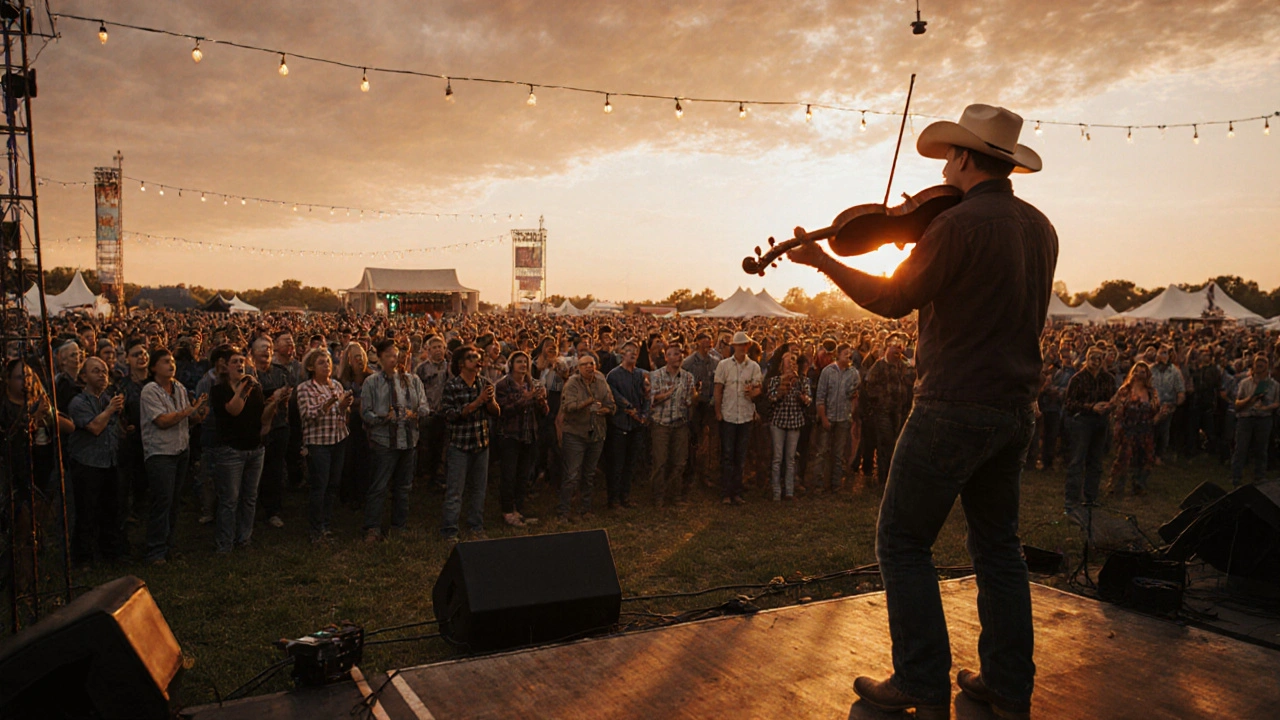
When you think of country music culture, a living tradition rooted in storytelling, rural life, and emotional honesty that connects generations through song. Also known as Americana, it’s not just a genre—it’s a way of seeing the world. It’s the sound of porch lights on summer nights, of trucks rolling down gravel roads, of songs that say what people can’t always speak out loud. This culture didn’t start on a stage—it started in kitchens, churches, and fields, passed down through families who sang because they had to, not because they wanted to be famous.
At its core, country music culture, a living tradition rooted in storytelling, rural life, and emotional honesty that connects generations through song. Also known as Americana, it’s not just a genre—it’s a way of seeing the world. is tied to folk music, a form of musical expression that carries the history, struggles, and values of everyday people through simple melodies and direct lyrics. Also known as protest songs, it’s the ancestor that gave country its backbone. Think of Woody Guthrie singing about dust storms, or Johnny Cash telling stories of prisoners and the poor. That same spirit lives today in artists who write about working long hours, losing loved ones, or finding hope in small things. And it’s not just old-school—Gen Z, a generation reshaping cultural norms through digital platforms, fashion, and music preferences. Also known as Zoomers, it’s the group driving new trends in country music today. is listening to country on TikTok, wearing flannel like a uniform, and claiming it as their own. They’re not just fans—they’re redefining what it means to be part of this culture.
Country music culture doesn’t stay still. It borrows from rock, leans into pop, and still holds tight to its heart. You’ll hear pedal steel in a TikTok hit, see cowboy boots on a city sidewalk, and find lyrics about mental health in a song that used to be about heartbreak and pickup trucks. It’s messy, real, and always changing. The posts below dive into how this culture shows up in fashion, in youth behavior, in the way people connect—and why it still matters more than ever.