

Think about the last time you were stuck in traffic, feeling your blood pressure rise. Then, that familiar synth line kicks in. The beat drops. Suddenly, you’re tapping your steering wheel, and the rage has vanished, replaced by a strange sense of calm-or at least, a manageable distraction. This isn’t just a coincidence. It’s pop music therapy, defined as the use of popular music genres to facilitate emotional processing, reduce stress, and improve psychological well-being. While we often dismiss pop as "bubblegum" or background noise, its structural simplicity and cultural ubiquity make it a surprisingly potent tool for mental health.
We tend to reserve serious therapeutic work for classical symphonies or complex jazz improvisations. But pop music is engineered for accessibility. It speaks the language of the masses. When used intentionally, it can anchor us during anxiety, validate our grief, or simply give us the dopamine hit needed to get through a mundane Tuesday. Let’s look at why those catchy hooks do more than just fill silence-they actually rewire how we handle our emotions.
The Neuroscience of the Hook
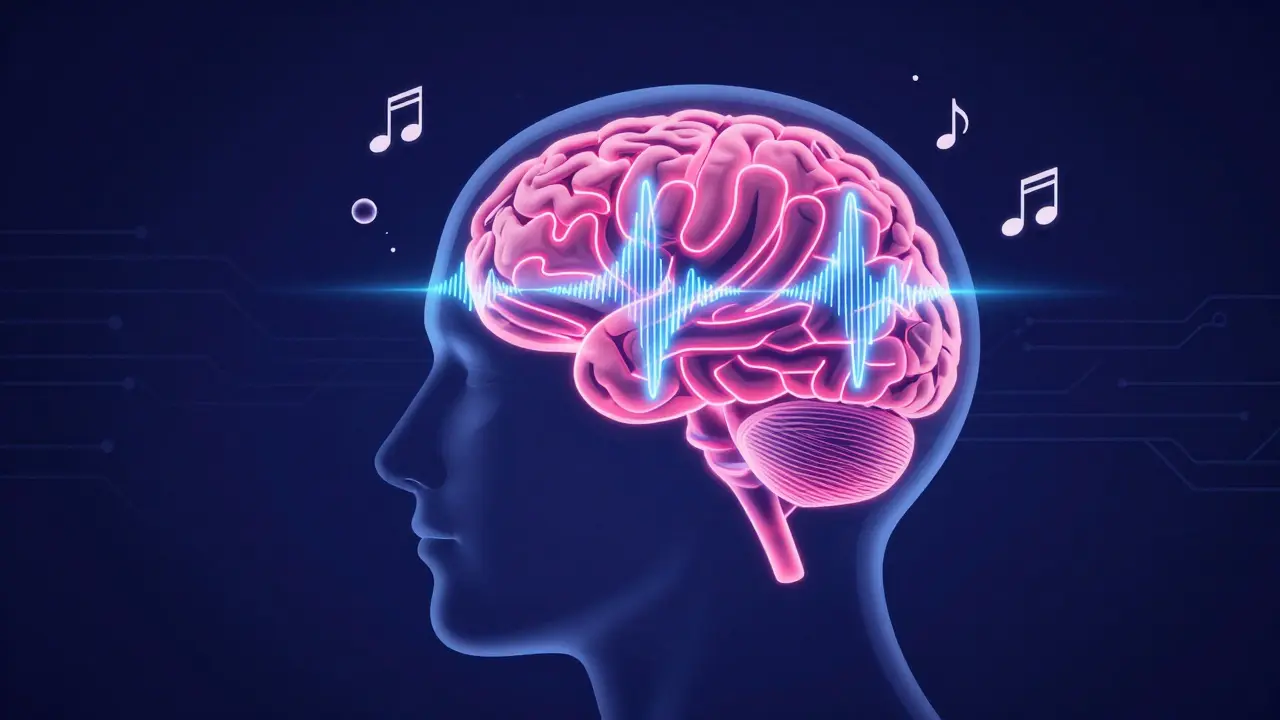
Why does a three-minute song stick in your head for days? It’s not an accident; it’s biology. Pop music relies heavily on repetition, predictable chord progressions, and strong rhythmic patterns. For someone dealing with anxiety disorders, unpredictability is often the enemy. The brain craves safety, and safety feels like pattern recognition.
When you listen to a familiar pop track, your brain predicts what comes next. When the song delivers exactly what you expect-whether it’s the chorus hitting right on cue or the bass dropping-you get a micro-dose of reward. This triggers the release of dopamine, the neurotransmitter associated with pleasure and motivation. A study from the University of Oxford found that listening to music you enjoy activates the same neural pathways as eating chocolate or falling in love. In the context of therapy, this isn't about hedonism; it's about regulation. If you are spiraling into negative thoughts, a predictable, high-energy pop song can interrupt that cycle by forcing your brain to focus on external rhythm rather than internal chaos.
Furthermore, pop music often utilizes a tempo between 100 and 130 beats per minute (BPM). This range aligns closely with the human heart rate during light activity or mild excitement. By syncing your breathing or movement to this tempo, you can physically lower your cortisol levels. It’s a form of entrainment where your body’s rhythms adjust to match the external sound, creating a physiological state of readiness rather than freeze.
Emotional Validation Through Lyrics
One of the most powerful aspects of pop music therapy is lyrical identification. Pop songs are essentially condensed essays on universal human experiences: heartbreak, loneliness, empowerment, and joy. When you hear an artist articulate a feeling you’ve been struggling to name, it creates a sense of shared humanity. You realize you aren’t alone in your struggle.
Consider the concept of emotional validation. If you are going through a breakup, listening to a sad ballad might seem counterintuitive if you think you need to "cheer up." However, therapists often recommend this because it validates the pain. It allows you to process the emotion safely. The song acts as a container for your grief. Once the emotion is acknowledged and expressed through the lyrics, it becomes easier to let go. This is known as catharsis.
Conversely, upbeat pop anthems serve a different purpose. They offer cognitive reframing. If you feel defeated, a song with lyrics about resilience and strength can provide a new narrative framework. It doesn’t change your circumstances, but it changes your perspective on them. It’s the audio equivalent of a pep talk from a friend who truly understands.
| Musical Element | Psychological Effect | Best Used For |
|---|---|---|
| Repetition & Hooks | Reduces cognitive load; provides predictability | Anxiety, OCD tendencies, overthinking |
| Upbeat Tempo (120+ BPM) | Increases energy; stimulates motor cortex | Depression, lethargy, lack of motivation |
| Relatable Lyrics | Fosters connection; reduces isolation | Grief, loneliness, identity crises |
| Major Key Harmony | Induces feelings of happiness and openness | Mood lifting, stress reduction |
Practical Applications: Building Your Playlist
You don’t need a degree in psychology to use pop music as a therapeutic tool. The key is intentionality. Most people listen to music passively, letting algorithms decide their mood. Therapeutic listening requires active engagement. Here is how you can structure your listening habits to support your mental health.
- The Morning Anchor: Start your day with a song that sets the tone. If you struggle with morning anxiety, avoid high-intensity rock or aggressive rap. Instead, choose a mid-tempo pop track with positive lyrics. This primes your brain for optimism before the world gets loud.
- The Transition Track: Use specific songs to mark the end of work and the start of personal time. Playing a favorite pop anthem while commuting home signals to your brain that the workday is over. This helps prevent burnout by creating a clear boundary between professional stress and personal relaxation.
- The Emotional Mirror: When you are upset, allow yourself to listen to music that matches your current mood for no more than 15 minutes. This validates your feelings. Afterward, switch to a slightly more uplifting track to gently guide your mood upward. This technique is called "mood bridging."
- The Social Connector: Pop music is culturally shared. Listening to current hits can help you connect with others, reducing social isolation. Sharing a playlist with a friend is a low-stakes way to open up about your interests and feelings.
It’s also important to curate your library. Delete songs that consistently trigger negative memories or self-criticism. If a particular pop song reminds you of a toxic relationship, it’s okay to remove it from your rotation. Your auditory environment should be safe.

Potential Pitfalls and Boundaries
While pop music therapy is beneficial, it is not a cure-all. There are risks if you rely on it exclusively or misuse it. One common pitfall is rumination. If you have depression, listening to sad music for hours can deepen the depressive state rather than alleviate it. The brain can get stuck in a loop of negative reinforcement. Set a timer. If you’re using music to process sadness, limit the session and then move to action or neutral distraction.
Another issue is escapism. Using loud pop music to drown out uncomfortable emotions every time they arise prevents you from developing coping skills. Music should be a companion to therapy, not a replacement for it. If you find yourself unable to function without constant noise, it may be a sign of underlying trauma or severe anxiety that requires professional intervention.
Additionally, be mindful of lyrical content. Some pop songs glorify unhealthy behaviors, substance abuse, or toxic relationships. Critically evaluate the messages you are absorbing. Ask yourself: Does this song empower me, or does it make me feel inadequate? Choose artists who promote self-love, resilience, and authenticity.
Integrating Pop Music into Daily Life
To maximize the benefits of pop music therapy, integrate it into your daily routine with mindfulness. Try these simple exercises:
- Lyrical Journaling: Pick a lyric that resonates with you. Write down why it matters. What memory does it bring up? How does it relate to your current situation? This turns passive listening into active reflection.
- Dance Breaks: Put on a high-energy pop track and dance for five minutes. Movement releases endorphins. You don’t need to be good at dancing; you just need to move. This combats physical tension held in the body due to stress.
- Focus Playlists: Create a playlist of instrumental pop or lo-fi pop remixes for work or study. These tracks provide enough stimulation to keep you alert but lack lyrics that might distract you. This improves concentration and reduces workplace stress.
Remember, the goal is not to analyze the music academically. It’s to feel it. Allow yourself to be vulnerable with the sounds. Cry if you need to. Dance if you need to. The power of pop music lies in its ability to meet you exactly where you are and offer a path forward, one beat at a time.
Is pop music therapy scientifically recognized?
Yes, while "pop music therapy" isn't always a standalone clinical diagnosis, music therapy is a recognized allied health profession. Studies published in journals like The Lancet Psychiatry confirm that listening to preferred music, including pop, significantly reduces cortisol levels and improves mood. Clinical music therapists often incorporate clients' favorite pop songs into treatment plans because of their emotional resonance.
Can pop music replace traditional therapy?
No, pop music cannot replace professional therapy for serious mental health conditions like major depression, PTSD, or bipolar disorder. It is a complementary tool. Think of it as a supplement to your medication or counseling sessions, helping you manage daily stress and emotions, but not a substitute for clinical intervention when needed.
What if I don't like pop music?
The principles of music therapy apply to any genre you enjoy. If you prefer rock, jazz, or classical, use those instead. The key is personal preference and emotional connection. The therapeutic benefit comes from the music being meaningful to you, not from the genre itself. However, pop is often highlighted because of its broad accessibility and structured simplicity.
How long should I listen to music for therapeutic benefits?
There is no strict rule, but short, intentional sessions are often more effective than all-day background noise. Try listening actively for 15-30 minutes. During this time, focus entirely on the music. Close your eyes, notice the lyrics, and observe your emotional response. Longer periods can lead to habituation, where your brain stops processing the music deeply.
Does the volume matter in music therapy?
Yes, volume plays a crucial role. Loud music can increase arousal and aggression, which might be helpful for working out but harmful during anxiety attacks. Soft to moderate volumes are generally better for relaxation and emotional processing. Adjust the volume based on your desired outcome: louder for energy, softer for calm.