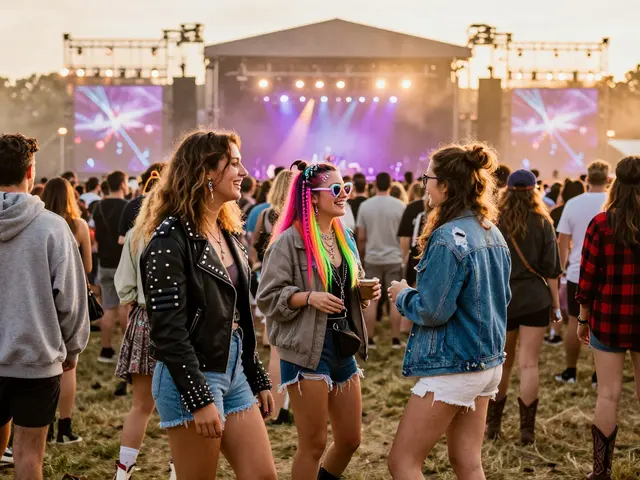
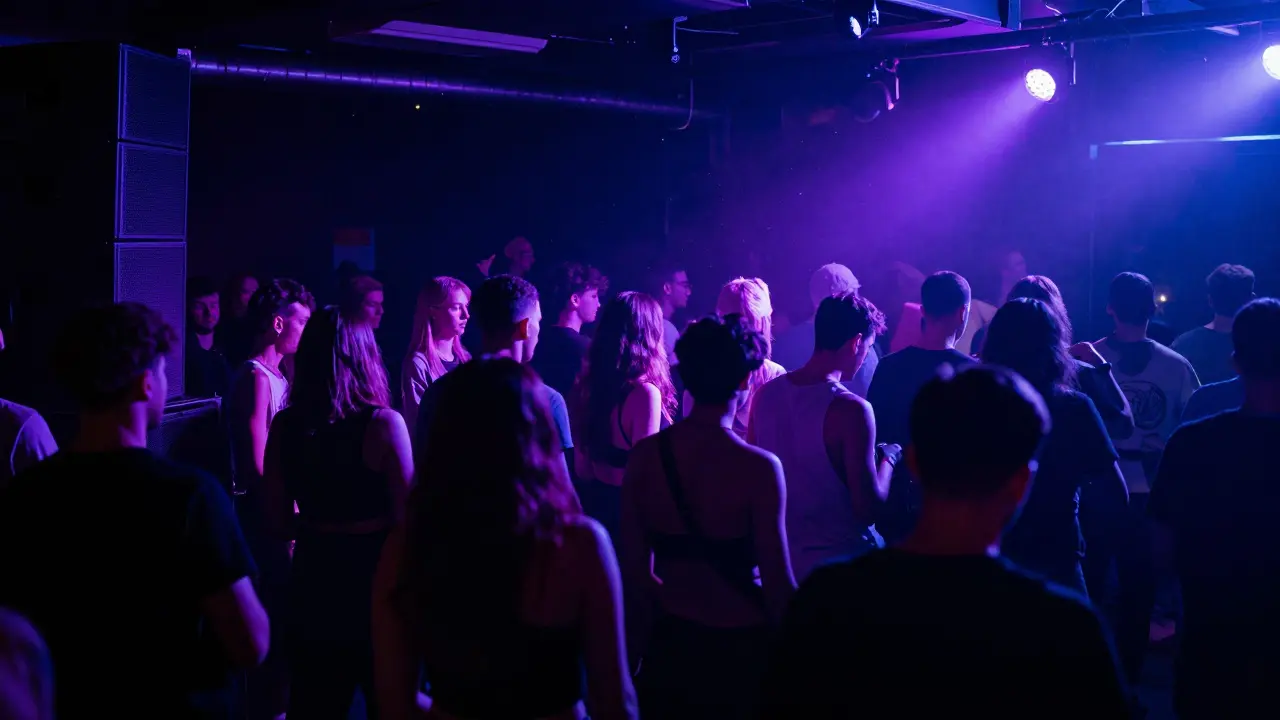
Imagine standing in a crowded room. The lights dim. A low, rumbling sound vibrates through the floorboards, hitting your chest before it even reaches your ears. Then, silence. For three seconds, nothing happens. You hold your breath. Suddenly, the beat drops-a chaotic explosion of distorted bass and rapid-fire hi-hats. Your body doesn’t just react; it explodes into motion. This isn’t just listening to music. This is dubstep dance, a movement style that has evolved from underground rave culture into a legitimate, high-intensity fitness phenomenon.
If you’ve ever watched a video of dancers at a festival like Electric Daisy Carnival or Movement Festival, you know this visceral reaction. But for years, dubstep was misunderstood as just "noise." Today, it’s recognized as a unique rhythmic structure that demands specific physical responses. This article breaks down exactly what dubstep dance is, why it works so well for fitness, and how you can start moving to the bass without needing a professional background.
The Anatomy of the Drop: Why Dubstep Moves Differently
To understand dubstep dance, you have to understand the music itself. Unlike pop songs with steady 4/4 beats, or hip-hop with its swing, Dubstep is an electronic music genre characterized by sparse, syncopated rhythmic patterns and sub-bass frequencies. It originated in South London in the late 1990s, evolving from garage and grime music.
The defining feature of dubstep is the "half-time" feel. While the drums might hit on every other beat, the basslines often glide between them. This creates a sense of tension and release. In dance terms, this translates to two distinct phases:
- The Build-Up: This is the period of tension. Dancers use controlled, isolated movements. Think sharp arm gestures, head nods, or slow, deliberate steps. The energy is contained, coiled like a spring.
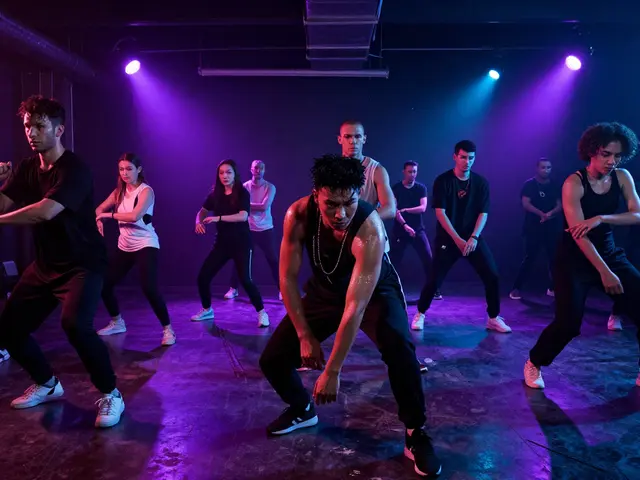
- The Drop: When the bass hits, the energy releases. This is where the chaos begins. Movements become explosive, full-body, and often erratic. It’s not about pretty lines; it’s about raw power and rhythm.
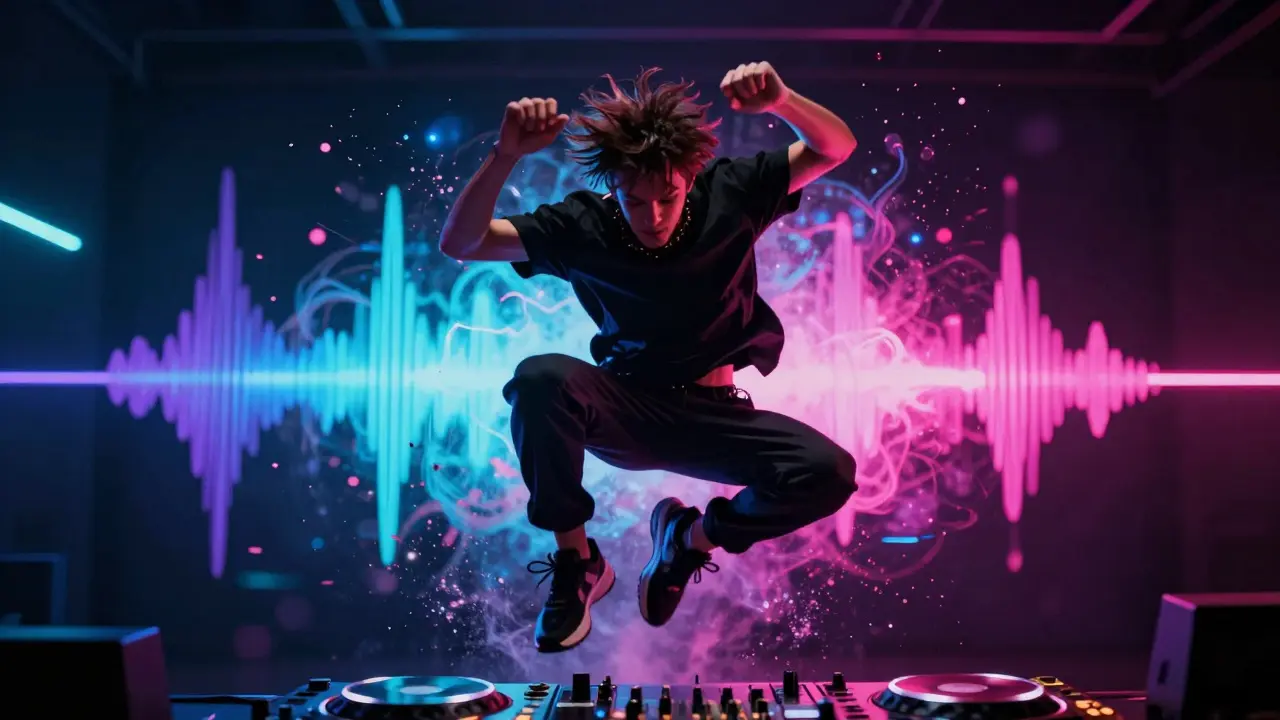
This structure makes dubstep dance uniquely challenging. You aren’t just counting "1-2-3-4." You are reacting to frequency shifts. Your body becomes an instrument that mirrors the audio waveform. If you try to dance dubstep like you would salsa or ballet, you’ll miss the point entirely. The goal is synchronization with the bass, not aesthetic perfection.
From Raves to Gyms: The Rise of Bass Fitness
For a long time, dancing to electronic music was seen as a passive activity-standing around waiting for the DJ to play a good track. That changed when fitness instructors realized that the high BPM (beats per minute) of dubstep and related genres like drum and bass could be used for intense cardio.
In Melbourne, Australia, and cities like Los Angeles and Berlin, studios began offering "Bass Cardio" classes. These aren’t traditional Zumba sessions. They don’t follow rigid choreography. Instead, they focus on Freestyle Dance is a style of movement that prioritizes improvisation and personal expression over set steps. Participants are taught basic isolations and footwork patterns, then encouraged to interpret the music freely.
Why does this work? Because dubstep tracks often range from 140 to 150 BPM. This is the sweet spot for anaerobic exercise. Your heart rate spikes during the drops, giving you a HIIT (High-Intensity Interval Training) effect without realizing you’re working out. A typical 60-minute dubstep dance class can burn between 400 and 600 calories, depending on intensity.
Moreover, the psychological aspect is powerful. The aggressive nature of the music helps release stress. Many participants report feeling a cathartic release after a session, similar to boxing or sprinting. It’s emotional regulation through movement.
Core Techniques: How to Move to the Bass
You don’t need to be a professional dancer to enjoy dubstep dance. However, there are fundamental techniques that help you connect better with the music. Here are the building blocks:
- Body Rolls: This is the foundation. Start with your shoulders, rolling the wave down through your chest, stomach, and hips. Practice this slowly first. When the bass drops, speed it up. The roll should mimic the undulating nature of the bassline.
- Head Banging: Yes, it’s real. Controlled head nodding to the half-time beat helps keep your rhythm. Keep your neck relaxed but engaged. Don’t jerk your head; let the momentum carry you.
- Footwork Isolation: Dubstep often features complex hi-hat patterns. Try tapping your feet in quick succession, alternating left and right. Keep your knees bent to absorb the impact and stay ready to jump.
- Arm Chops: During the build-up, use sharp, angular arm movements. Imagine you are cutting through the air. This adds visual intensity and engages your upper body.
- The Jump: When the drop hits, jump. It sounds simple, but timing your jump with the first kick drum is crucial. Land softly to protect your joints, then immediately transition into another move.
Practice these moves separately. Then, combine them. The key is to listen closely to the track. Identify the kick drum, the snare, and the bass. Assign a movement to each element. Over time, this becomes second nature.
Physical Benefits Beyond Cardio
While burning calories is a great side effect, dubstep dance offers specific physical benefits that other forms of exercise might not provide equally.
| Benefit | Dubstep Dance | Running/Jogging |
|---|---|---|
| Cardiovascular Health | High (HIIT style) | Moderate to High (Steady state) |
| Muscle Engagement | Full Body (Core, Legs, Arms) | Lower Body Dominant |
| Coordination & Balance | High (Complex rhythms) | Low (Repetitive motion) |
| Joint Impact | Variable (Can be low impact if modified) | High (Repetitive pounding) |
| Mental Focus | High (Active listening required) | Low (Often meditative/zoned out) |
One major advantage is core strength. Because dubstep dance involves constant twisting, rolling, and balancing, your abdominal and back muscles are engaged throughout the entire session. Unlike running, which is linear, dubstep dance is multi-directional. You move forward, backward, sideways, and diagonally. This improves functional fitness, making everyday movements easier.
Additionally, the cognitive load is higher. You have to process auditory information and translate it into motor output instantly. This keeps your brain sharp and improves neural plasticity. Studies on dance therapy show that learning new choreography can delay cognitive decline in older adults, and while dubstep is less structured, the improvisational aspect still requires significant mental agility.
Finding Your Tribe: Where to Experience Dubstep Dance
If you want to try dubstep dance, you have several options. You don’t need to join a formal club immediately.
Local Dance Studios: Search for studios that offer "Urban Dance," "Hip Hop," or "EDM Fitness" classes. Many modern studios incorporate dubstep tracks into their playlists. Ask the instructor if they teach freestyle techniques.
Festivals and Events: Attending an electronic music festival is the ultimate immersion. Watch the crowd. Notice how people move during the drops. Try to mimic their energy. Festivals like Tomorrowland, Ultra Music Festival, or local city raves are perfect for observing authentic dubstep dance culture.
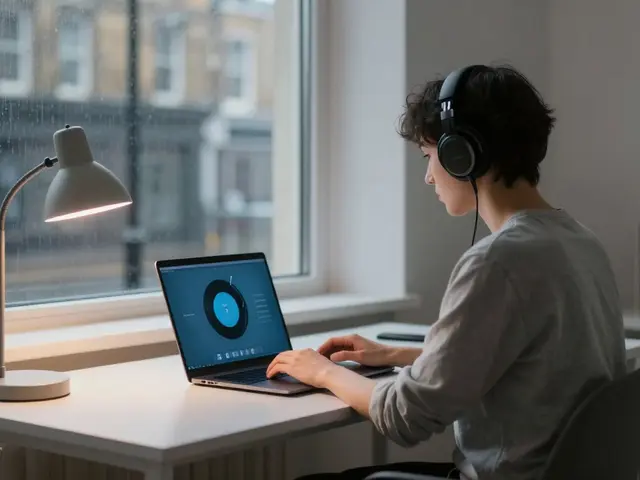
Online Platforms: YouTube and Instagram are treasure troves of tutorials. Search for "dubstep dance tutorial for beginners" or "bass music choreography." Channels like DanceToTheBeat or BassCultureTV often post breakdowns of popular moves. You can practice in your living room with headphones on.
In Melbourne, the vibrant electronic music scene means there are regular parties and workshops focused on bass music. Look for events hosted by local collectives that emphasize community and movement rather than just drinking and standing.
Safety First: Avoiding Common Mistakes
Because dubstep dance is high-energy, there’s a risk of injury if you’re not careful. Here are some common pitfalls to avoid:
- Overexertion: The adrenaline rush can make you push too hard. Listen to your body. If you feel dizzy or short of breath, take a break. Hydrate frequently.
- Poor Footwear: Don’t wear heavy boots or flat-soled shoes with no cushioning. Opt for lightweight sneakers with good arch support and grip. You need to pivot and slide safely.
- Ignoring Warm-Ups: Never jump straight into the drop. Spend at least 5-10 minutes warming up your joints, especially your knees, ankles, and neck. Dynamic stretches are best.
- Neck Strain: Head banging looks cool, but it can cause serious neck injuries if done incorrectly. Keep your chin tucked slightly and engage your neck muscles. Don’t whip your head violently.
Also, be mindful of your surroundings. If you’re dancing in a crowded space, keep your arms close to your body during sharp movements to avoid hitting others. Respect the space around you.
The Cultural Context: More Than Just Exercise
Dubstep dance is deeply tied to the broader electronic music culture. It’s about community, self-expression, and rebellion against mainstream norms. Unlike ballroom dancing, which has strict rules and partner dynamics, dubstep dance is individualistic yet communal. Everyone is doing their own thing, but they are united by the same beat.
This inclusivity is one of its greatest strengths. There’s no "right" way to dance to dubstep. Whether you’re shy or outgoing, tall or short, male or female, the music accepts all bodies. It’s a safe space to let go of inhibitions and embrace your primal instincts.
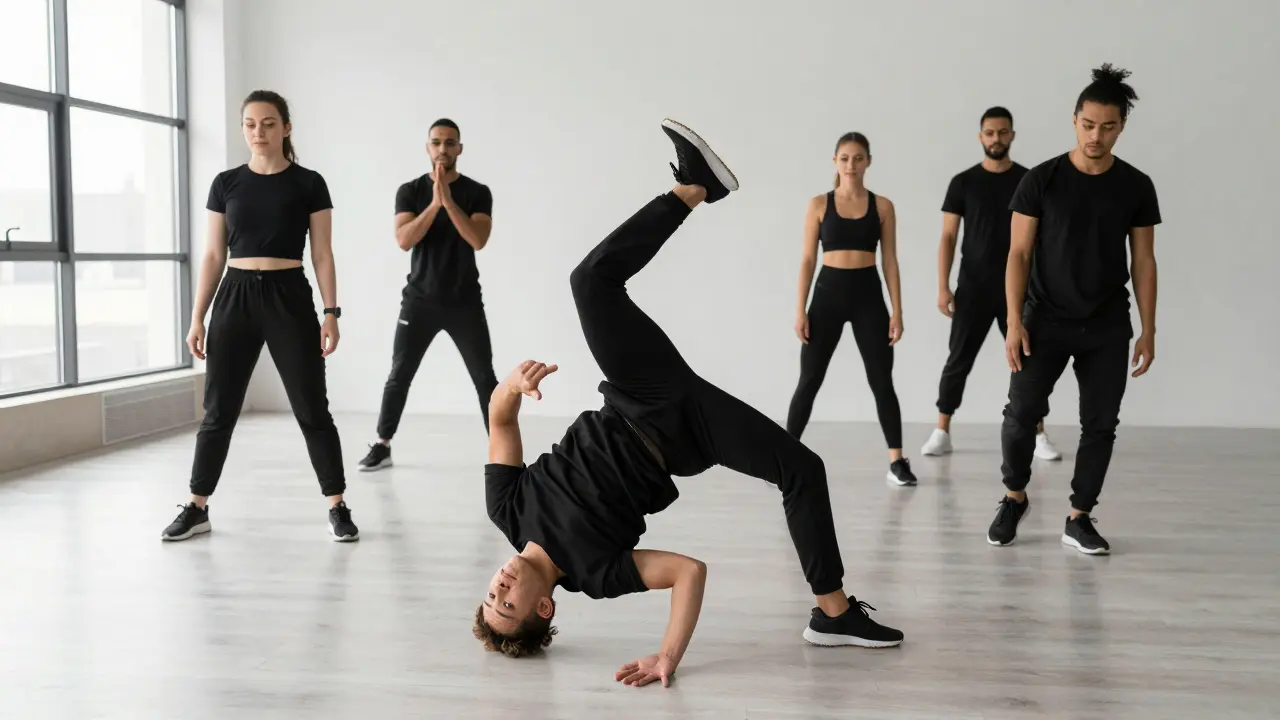
As the trend continues to grow, we’re seeing more crossover with other dance styles. Breakdancing elements, popping, and locking are increasingly integrated into dubstep performances. This fusion creates a rich, dynamic art form that evolves with every new track released.
Getting Started: Your First Week Plan
Ready to try it? Here’s a simple plan to get started:
- Day 1: Listen to 3 classic dubstep tracks (e.g., Skrillex - "Scary Monsters and Nice Sprites", Excision - "Take It Off"). Just sit and listen. Identify the build-ups and drops.
- Day 2: Practice body rolls in front of a mirror. Slow motion only. Focus on smooth transitions.
- Day 3: Add footwork. Tap your feet to the hi-hats. Keep it simple.
- Day 4: Combine rolls and footwork. Play a track and try to move continuously.
- Day 5: Add arm movements. Experiment with sharp chops and fluid waves.
- Day 6: Freestyle. Put on your favorite dubstep playlist and dance without thinking. Let the music guide you.
- Day 7: Rest and recover. Stretch your muscles.
Consistency is key. Even 15 minutes a day can improve your coordination and enjoyment significantly.
Is dubstep dance suitable for beginners?
Yes, absolutely. Dubstep dance is highly accessible because it emphasizes freestyle and personal expression over rigid choreography. Beginners can start with basic movements like head nodding and body rolls, gradually adding complexity as they become more comfortable with the rhythm. There is no "wrong" way to move, making it a low-pressure environment for newcomers.
What kind of shoes should I wear for dubstep dance?
You should wear lightweight, flexible sneakers with good cushioning and grip. Avoid heavy boots or shoes with thick, stiff soles that restrict foot movement. Brands like Nike, Adidas, or specialized dance shoes work well. Ensure your shoes allow for easy pivoting and sliding, as these are common movements in dubstep dance.
How many calories can I burn dancing to dubstep?
On average, you can burn between 400 and 600 calories per hour, depending on your weight and intensity level. Because dubstep dance involves high-energy bursts during the drops, it functions similarly to High-Intensity Interval Training (HIIT). The actual number varies based on how vigorously you move and your individual metabolism.
Do I need prior dance experience to enjoy dubstep dance?
No prior dance experience is necessary. Dubstep dance is rooted in freestyle and improvisation, meaning you create your own movements in response to the music. While having some dance background can help with coordination, the core appeal lies in the raw, uninhibited expression that anyone can achieve regardless of skill level.
Where can I find dubstep dance classes near me?
Look for local dance studios that offer "Urban Dance," "Hip Hop," or "EDM Fitness" classes. Many modern fitness centers also host themed dance nights featuring electronic music. Additionally, online platforms like YouTube offer numerous free tutorials. In major cities, check event listings for electronic music festivals or workshops hosted by local bass music communities.